Kathmandu
Monday, July 27, 2026





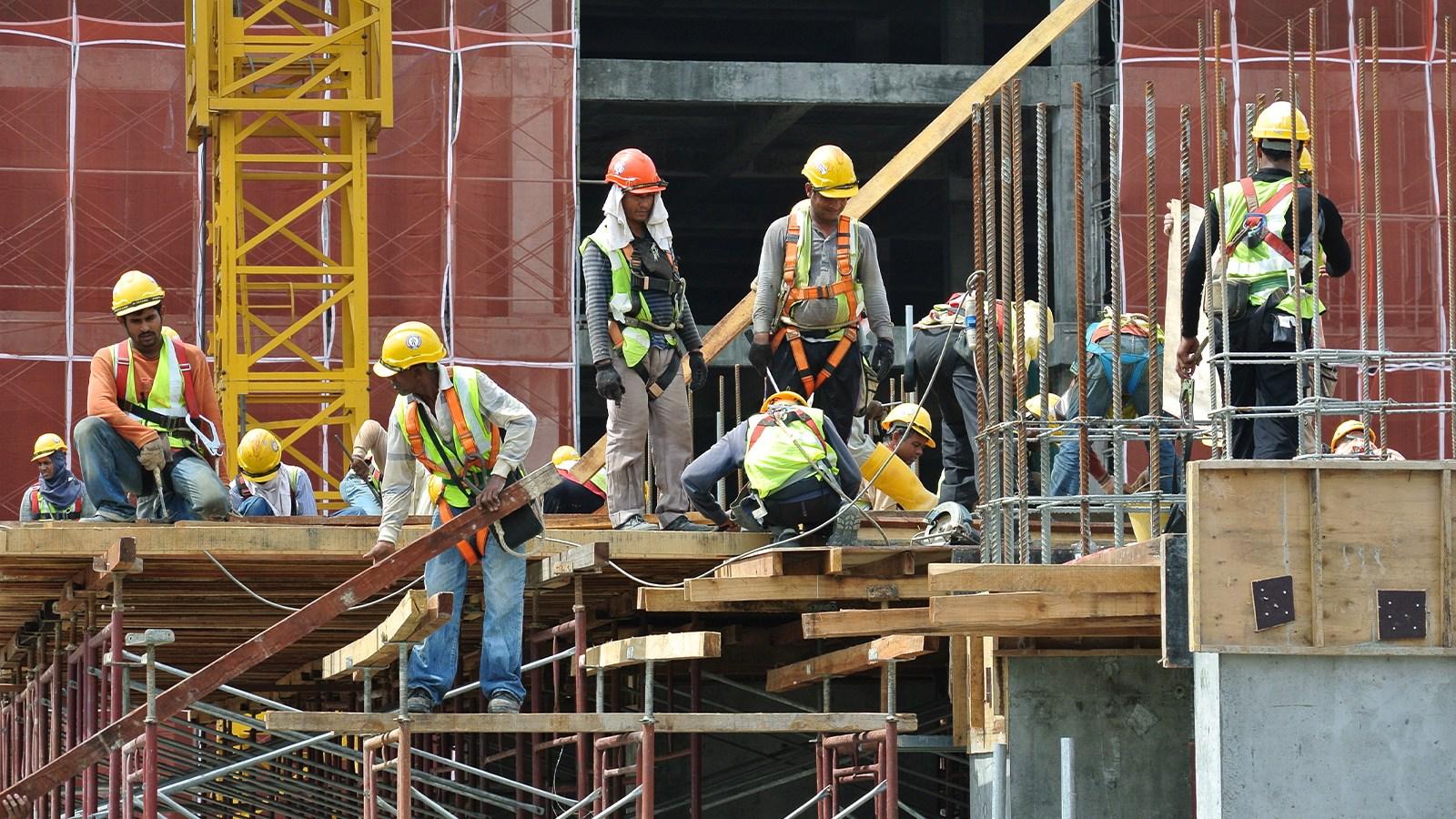
KATHMANDU: The recent arrest of at least eleven Nepali migrant workers across West Asia has exposed the lethal intersection of social media and national security.
As of April 3, the Ministry of Foreign Affairs has confirmed that three Nepalis were detained in the UAE, four in Saudi Arabia, three in Qatar, and one in Oman for spreading ‘misleading content’ related to the ongoing conflict between Iran, Israel, and the United States.
What these workers likely saw as a simple TikTok upload or a WhatsApp forward of missile interceptions was viewed by local authorities as ‘visual espionage’ or a threat to public order.
With regional tensions at a breaking point, Gulf nations have activated fast-track courts to penalize any foreigner who documents military activity or shares unverified rumors, leaving thousands of Nepali laborers vulnerable to immediate imprisonment and deportation.
What are the specific legal charges currently being used against these Nepalis?
The primary legal tool used in these arrests is the suite of cybercrime and anti-rumor laws that have been strictly updated across the Gulf. In the UAE, under Federal Decree-Law No. 34 of 2021, Article 52 stipulates that anyone using the internet to publish or republish “false news, misleading reports, or malicious rumors” that contradict official information can face at least one year in prison and a fine of no less than AED 100,000 (USD 27,200).
During a ‘crisis’ or ’emergency,’ such as the current missile exchanges, the penalty increases to a minimum of two years in prison and a fine of AED 200,000 (USD 54,400).
Saudi Arabia’s laws are even more punishing, with potential prison terms of up to five years for content deemed to harm ‘public order.’
Essentially, the “crime” is the act of documenting defense capabilities (like missile interceptions), which reveals sensitive military locations to adversaries.
Which other nationalities are being caught in this regional crackdown?
Nepali workers are part of a much broader group of foreign residents targeted by security agencies. In March 2026, the UAE Attorney General directed the trial of 25 individuals, including Indians and Bangladeshis, who were caught sharing real-time videos of interceptions.
Authorities are also cracking down on “content creators” of various backgrounds who have used AI and deepfake technology to fabricate videos of fire or destruction at famous landmarks like the Burj Khalifa to generate ‘panic clicks.’
Even Western tourists have not been spared; reports indicate several Europeans were detained for filming near vital infrastructure.
The message from Gulf security forces is clear: the digital space is now a “parallel battlefield,” and any foreigner contributing to the noise intentionally or not is treated as a combatant.
How many total arrests have been made, and how is the count being tracked?
While the Nepali government has officially confirmed 11 arrests, the actual number of foreigners detained across the region is estimated to be in the hundreds.
Reports from the UAE and Qatar suggest that over 350 expatriates have been questioned or placed in “administrative detention” since the escalation in early 2026.
The Nepali Ministry of Foreign Affairs (MoFA) is tracking these cases through its missions in Dubai, Riyadh, Doha, and Muscat. However, because many arrests happen under ’emergency protocols,’ there is often a delay in notification.
The MoFA has recently launched an online portal urging the 1.7 million Nepalis in the Gulf to register their details so that embassies can track their status and provide rescue if the conflict worsens.
What specific actions on social media are being flagged as “illegal”?
The ‘red flags’ for Gulf cyber-police are very specific. First, filming the sky during an attack is prohibited because it reveals the location of Patriot or Arrow defense batteries.
Second, sharing unverified soundbites or adding sensationalist music to combat footage is flagged as ‘spreading panic.’
Third, forwarding old footage from past conflicts and portraying it as ‘current’ is a major violation.
Authorities have warned that even ‘reposting’ a video from an unknown source makes you legally liable, regardless of whether you are the original creator.
For a worker in a construction site or a domestic setting, even a private WhatsApp group chat is not safe, as these platforms are monitored for keywords related to the military conflict.
What is the likely outcome for those arrested, and what can the Nepali government do?
The future for the 11 detained Nepalis is grim. Most will face ‘fast-track’ trials where the evidence is undeniable digital logs.
If convicted, the fines often exceeding Rs 3.5 million are impossible for a migrant worker to pay. In such cases, the individuals are forced to serve additional jail time to ‘pay off’ the debt before being permanently deported with a lifetime ban from all GCC countries.
The Nepal government has formed an emergency response team led by the Foreign Secretary to provide consular aid, but diplomacy has its limits.
Embassies can ensure that the prisoners are treated humanely, but they cannot bypass the host country’s national security laws.
The official advice remains stark: stay away from social media, rely only on official state news, and keep your phone in your pocket when the sirens blare.