Kathmandu
Saturday, July 25, 2026





The People’s Movement of 2006 rejected, at the same time, both the autocratic rule of the then King Gyanendra and the violent politics of the rebel Maoists.

KATHMANDU: Two decades ago today, 11 Baisakh 2063 BS (April 24, 2006), democracy was reestablished in this country. Gyanendra Shah, who became king after the royal palace massacre of 1 June 2001, had seized power on 4 October 2002 by ousting Prime Minister Sher Bahadur Deuba. The then-seven parties and CPN (Maoist), which was engaged in armed conflict, came together against the autocratic monarchy. The 19-day movement launched at the joint call of the seven parties and the Maoists swept away the autocratic monarchy and opened the path to establishing a federal democratic republican system in the country.
When the movement that began on 6 April 2006 reached its peak, then-head of state Gyanendra Shah addressed the nation on 24 April 2006 and reinstated the House of Representatives that had been dissolved on 22 May 1999. The parties that moved forward standing on the House went on to establish a federal democratic republican system through the constituent assembly. The three main parties that played the primary role in this political transformation – Nepali Congress, UML, and the Maoists – have each faced many ups and downs since. By the time of the March 5 2026 general election, the old parties and their veteran leaders have been pushed to the margins of national political mainstream. Yet it is the constitutional order they fought to bring that continues to carry the country forward.
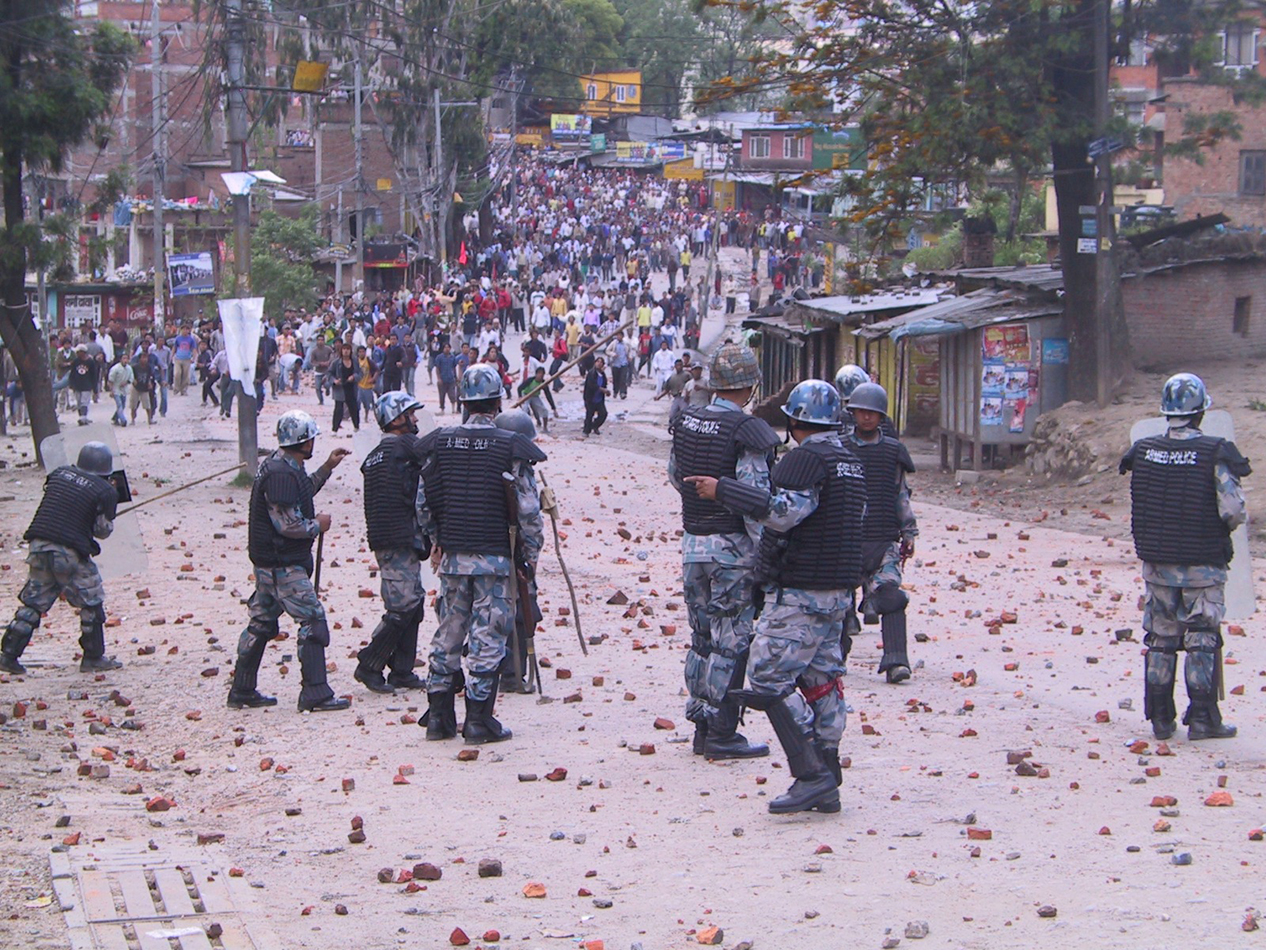
Clash between protesters and police in Kalanki. Photo: Shalikram Tiwari
Political analyst Nilambar Acharya recalls that the people’s movement of 2006 rejected both then-King Gyanendra’s autocratic rule and the violent politics of the rebel Maoists in one stroke. “The 19-day people’s movement put an end to a decade of violence in the country,” Acharya says. “The core message of the 2006 people’s movement was that the country cannot move forward through violent activity and autocracy.”
The monarchy, which had agreed to become constitutional after the 1990 movement, raised the head of autocracy on February 1, 2005, when then-King Gyanendra declared he was taking the reins of government into his own hands. “After the 1990 movement, we thought the king had learned to live subordinate to the people and under democracy,” Acharya says. “It turned out that the king could not fit within democracy in Nepal. The main message of the 2006 movement was precisely that the king and democracy cannot coexist.”
Acharya says the constitution promulgated on 20 September 2015 captured the spirit of the 2006 people’s movement. Political parties had launched the movement against then-King Gyanendra’s direct rule starting 6 April 2006. On 24 April, the king was compelled to hand power (the House of Representatives) back to the people. On 18 May 2006, the reinstated House of Representatives declared Nepal secular, ending its status as a Hindu kingdom.
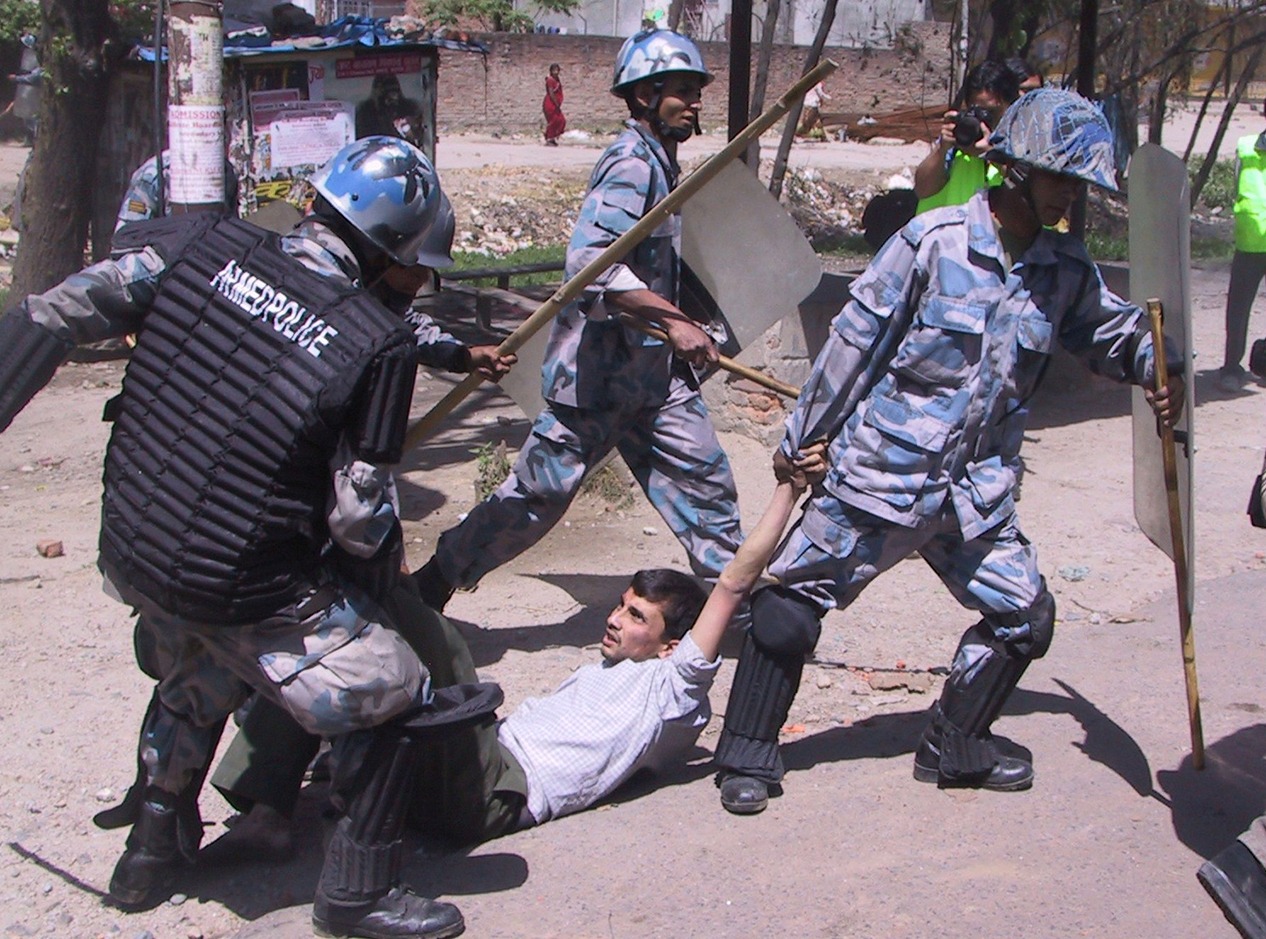
Police taking a protester into custody in Gongabu. Photo: Shalikram Tiwari
Anthropologist Mukta Singh Tamang says the monarchy in its time served as the protector of the Hindu-society-based caste system and feudal order. “The 2006 movement brought a fundamental transformation in Nepali public consciousness. The thinking that Nepal cannot exist without a king was once widespread; the movement put an end to that,” Tamang says. “When the monarchy fell, there was a major breakthrough in civic consciousness.”
According to Tamang, until the people’s movement only a limited group of castes held dominance in the country. The movement recognized the country’s multi-ethnic, multilingual, multi-religious, and multicultural character. “The first constituent assembly saw many voices raised on inclusion. Though we have gone somewhat downhill since the second constituent assembly, the 2006 movement did open the door to revolutionary change,” Tamang says.
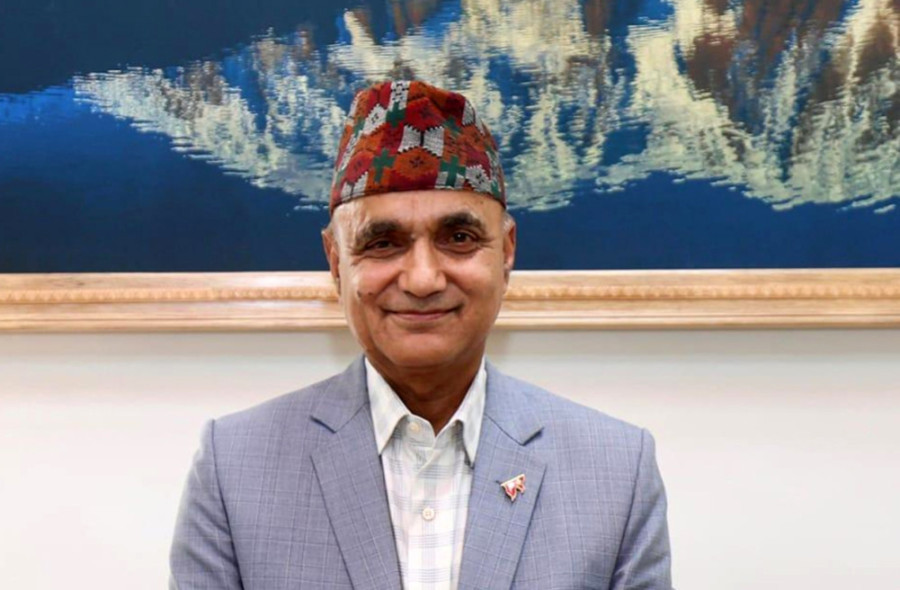
UML leader Binda Pandey says the 2015 constitution theoretically removed the discrimination that had existed in society for centuries, but parties have not come forward to remove it in practice. “Parties were unable to pay attention to social, cultural, and economic transformation,” Pandey says. “We put all our emphasis on infrastructure development when we talked about development, but people’s lives and economic livelihoods needed to be connected to that, and we failed to make that connection.”
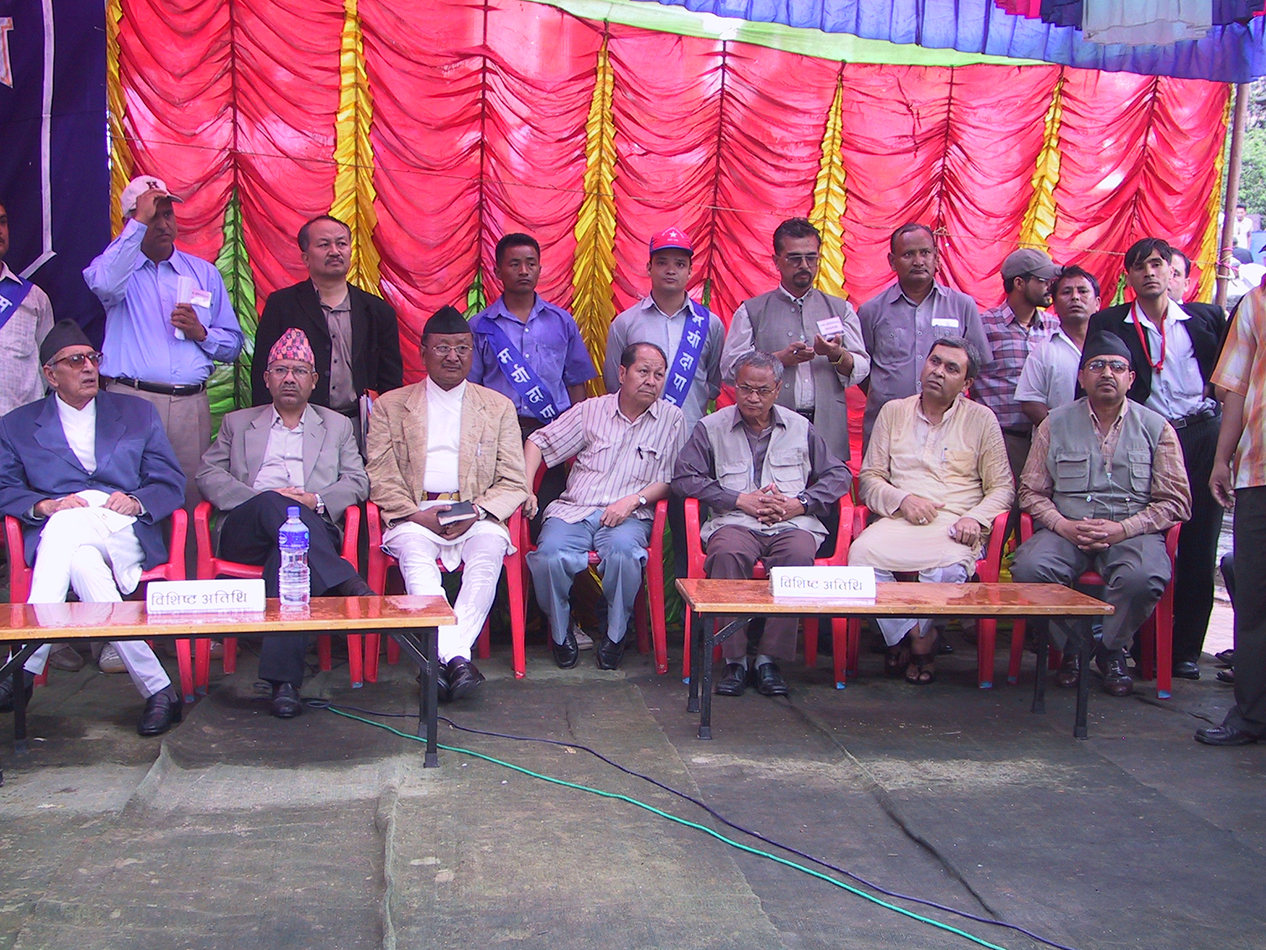
During the movement, leaders of the seven political parties, including then Nepali Congress president Girija Prasad Koirala, at a street meeting of the dissolved House of Representatives. Photo: Shalikram Tiwari
In recent years, the voice at the public level has grown that “the system changed but conditions did not.” Parties did not pursue a common agenda to change people’s lives or implement the constitution properly. Instead, party leaders became increasingly entangled in corruption scandals of all kinds. Conditions were ultimately created for the Gen Z movement to occur. When the Gen Z movement toppled the Nepali Congress-UML coalition government, concerns grew about what would happen to the constitution. Resting on the constitution through an electoral government, the country now moves forward under the RSP’s near two-thirds majority government. Pandey says the change brought by the 2006 movement remains at risk even today.