Kathmandu
Tuesday, July 21, 2026





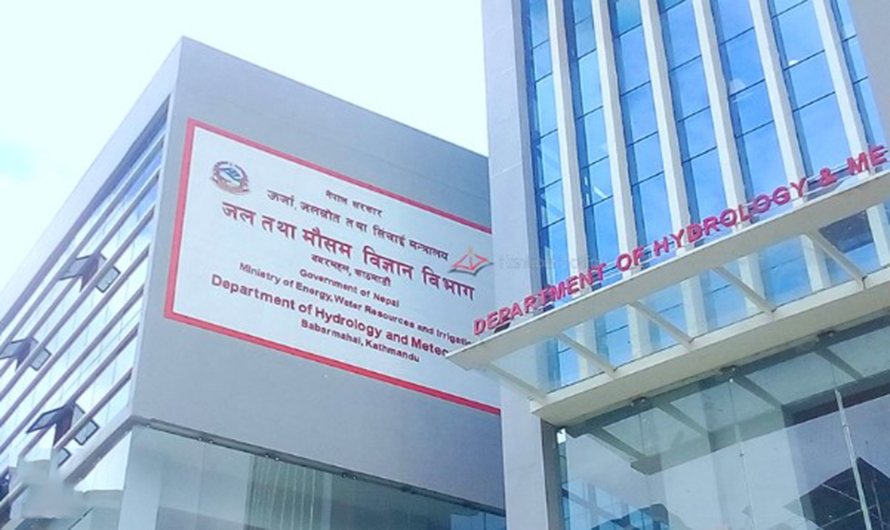
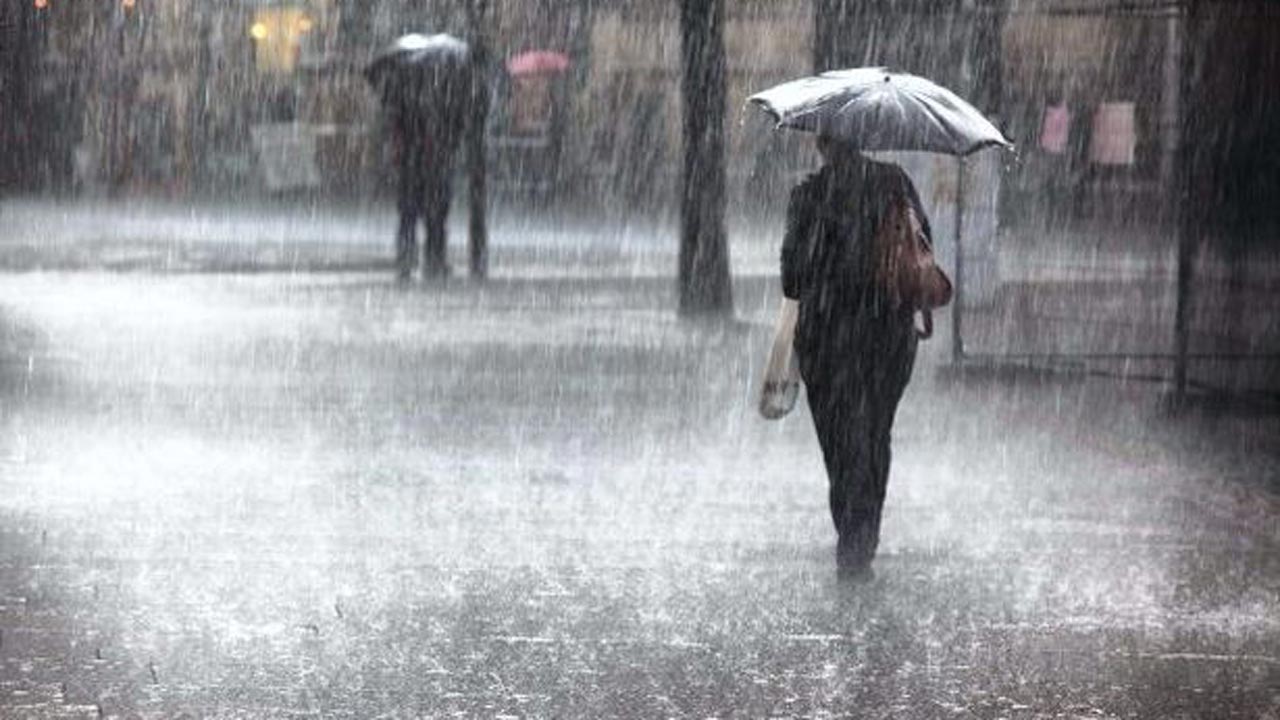
KATHMANDU: The Department of Hydrology and Meteorology (DHM) has forecast below-average rainfall across most parts of Nepal during the 2026 monsoon season from June 1 to September 30.
The outlook, based on climate models and regional and global assessments, also indicates that both maximum and minimum temperatures are likely to remain above normal across the country.
In the southern and northern parts of Karnali Province, most parts of Lumbini Province, eastern parts of Madhesh Province, and southern parts of Koshi Province, there is a 55% to 65% probability of below-average rainfall.
In the western and northern parts of Sudurpaschim Province, western parts of Madhesh Province, and central parts of Koshi Province, the probability of below-normal rainfall stands at 45 percent to 55 percent, while in the northern parts of Karnali and Koshi provinces, there is a relatively lower chance of 35 percent to 45 percent.
Other remaining areas of the country also show similar probabilities of below-normal rainfall.
At the same time, temperatures are expected to remain higher than average nationwide.
For maximum temperature, there is a 55 percent to 65 percent probability of above-normal conditions in the northern parts of Sudurpaschim and Karnali provinces, western parts of Lumbini Province, parts of Gandaki and Bagmati provinces, and the eastern and southern parts of Madhesh and Koshi provinces.
In the central parts of Koshi Province and eastern parts of Sudurpaschim Province, the probability of above-normal maximum temperature is lower at 35 percent to 45 percent, while other regions fall in the 45 percent to 55 percent range.
Minimum temperatures are also expected to rise, with a 55 percent to 65 percent likelihood in the northern parts of Sudurpaschim, Karnali, and Bagmati provinces, eastern parts of Madhesh Province, and southern parts of Koshi Province, while most other areas fall between 35 percent to 55 percent.
The DHM said the outlook is prepared using global and regional climate models, including inputs from the World Meteorological Organization (WMO) and the South Asian Seasonal Climate Outlook Forum (SASCOF), along with ocean-atmospheric conditions such as the El Niño–Southern Oscillation (ENSO) and the Indian Ocean Dipole (IOD).
ENSO is currently neutral but shifting toward El Niño conditions, while the IOD is also neutral with a possible negative phase later in the season.
The department noted that while seasonal forecasts provide useful guidance, precise prediction remains difficult due to complex climate interactions.
A review of the 2025 monsoon shows rainfall varied widely despite earlier expectations of above-normal precipitation, while temperature forecasts largely matched observations with most areas recording above-normal warmth.