Kathmandu
Tuesday, July 21, 2026





The hearing committee will evaluate the nominee’s qualifications, background, and suitability before a final parliamentary decision.
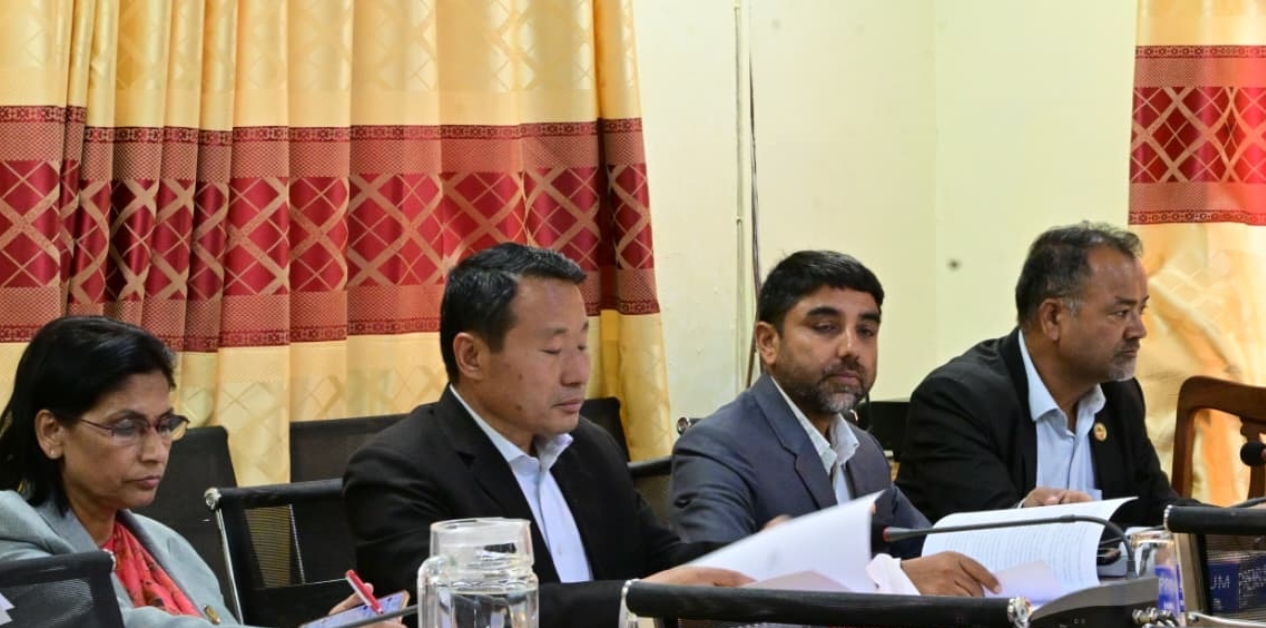
KATHMANDU: Following the Constitutional Council’s recommendation of Supreme Court Justice Manoj Kumar Sharma for the post of Chief Justice, the formal hearing process is set to begin. The Constitution mandates that a parliamentary hearing must be conducted before the appointment of the Chief Justice, Supreme Court justices, members of the Judicial Council, heads or officials of constitutional bodies, and ambassadors.
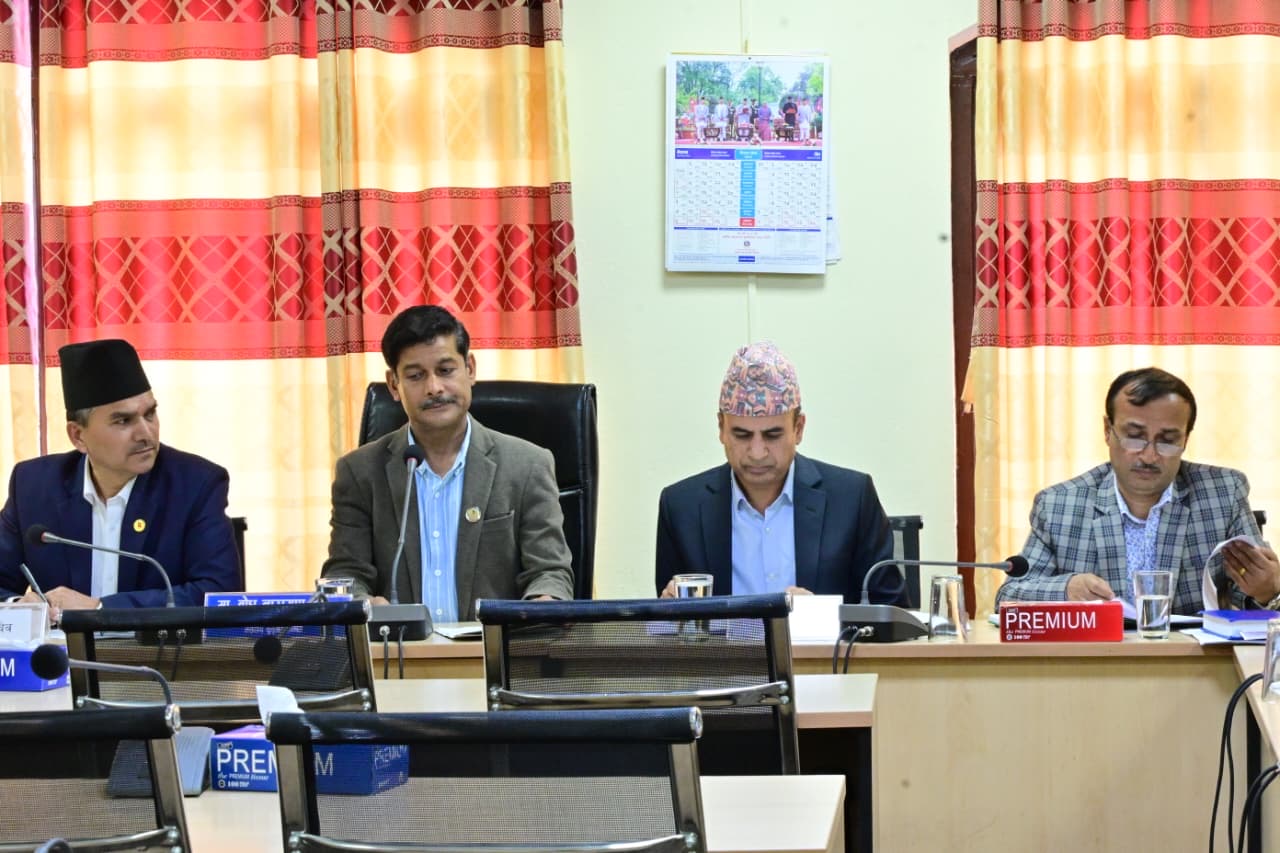
A meeting of the Parliamentary Hearing Committee (PHC) was held on Friday (May 8) to initiate the proceedings.
Appointed as a Supreme Court Justice on April 19, 2019, Sharma will lead the judiciary until May 2032 —the six-year term prescribed by the Constitution—if he is endorsed by the committee. Since April 1, 2026, Sapana Pradhan Malla has been serving as the Acting Chief Justice following the retirement of Chief Justice Prakashman Singh Raut due to the 65-year age limit.
Article 292, Clause 1 of the Constitution outlines the provisions for parliamentary hearings: “Parliamentary hearings shall be conducted in accordance with Federal law prior to the appointment of the Chief Justice, Justices of the Supreme Court, members of the Judicial Council, heads or officials of constitutional bodies, and ambassadors recommended by the Constitutional Council.”
On March 10, 2026, a meeting chaired by then-Judicial Council Chairman Raut recommended six Supreme Court justices for the Chief Justice position. Based on seniority, the Council had placed Acting Chief Justice Malla at the top of the list.
However, during a meeting on May 7 chaired by Prime Minister Balendra Shah, the Constitutional Council recommended Sharma, who was fourth in the seniority list provided by the Judicial Council. National Assembly Chairman Narayan Prasad Dahal and Leader of the Opposition Bhishma Angdembe, both members of the Constitutional Council, registered written dissents regarding the decision-making process.
The Hearing Committee
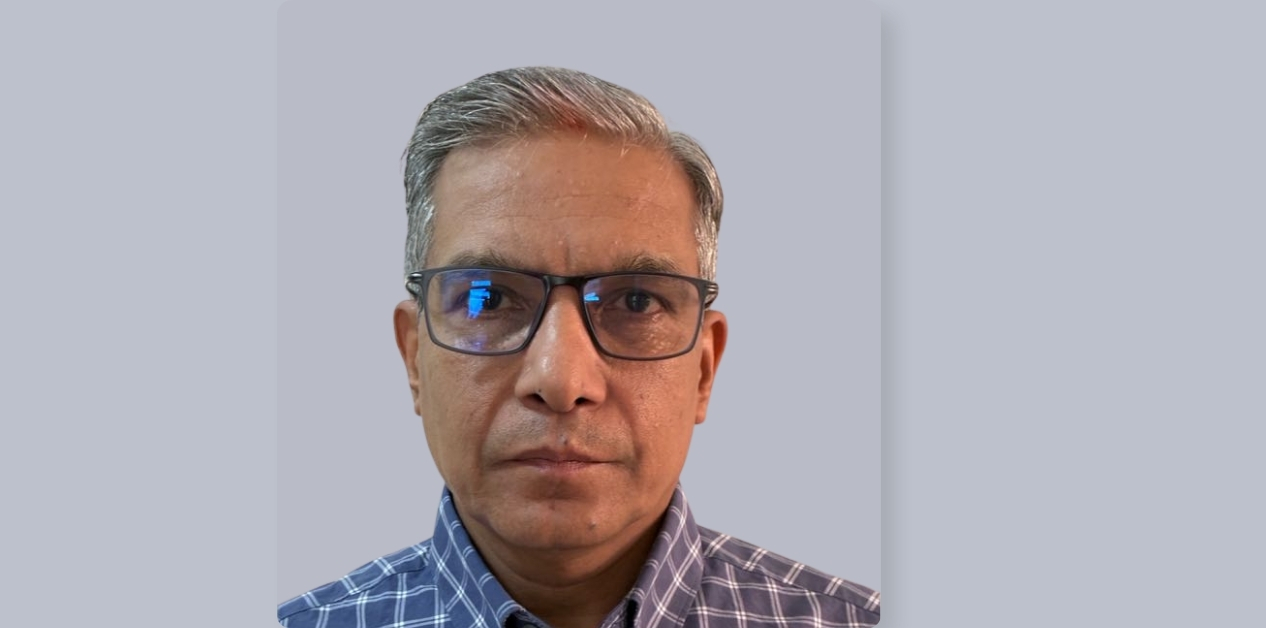
According to the Federal Parliament Joint Meeting and Joint Committee (Conduct of Business) Regulation 2023, a joint committee comprising 15 members from both houses of the Federal Parliament is formed for parliamentary hearings. Pursuant to this, the Parliamentary Hearing Committee was established on April 10, 2026, chaired by Bodh Narayan Shrestha of the Rastriya Swatantra Party (RSP).
Including the chairperson, the committee holds a majority of eight members from the ruling RSP, along with three from the Nepali Congress, and two each from the CPN (UML) and the Nepali Communist Party.
In its meeting on May 7, the committee approved its internal procedures, adding new provisions regarding the hearing duration, complaint deadlines, and post-hearing monitoring. Chairperson Bodh Narayan Shrestha stated that the procedures were revised to introduce a new format. The regulations allow for a 10-day window for the public to file complaints against the proposed candidate.
Tul Bahadur Kandel, Secretary of the National Assembly, noted that specific provisions were added to the procedural content. He explained that these new measures focus on the action plan presented by the candidate. “A provision has been added to make the results of the action plan presented by the candidate public on a quarterly basis,” he said. “Once endorsed, the progress of the action plan submitted to Parliament must be published on the portal of the respective agency.”
This measure was introduced to hold the proposed individual accountable to the Parliament.
The procedures stipulate that the committee will publish a notice allowing up to 10 days for the submission of information or complaints with clear grounds. If serious complaints are received, the committee can form a subcommittee for further investigation. The process includes both written and oral hearings regarding the candidate’s qualifications, experience, interests, ability to fulfill the duties of the office, commitment, and their vision for reform upon appointment.
The Federal Parliament Joint Meeting and Joint Committee (Conduct of Business) Regulation 2023 also prohibits committee members from practicing law or pleading cases in the Supreme Court for the duration of that parliamentary term.
Rule 26, Sub-rule 4 of the regulations outlines the quorum requirements. A minimum attendance of 51 percent of the total membership is mandatory for a meeting. Approval is granted unless the candidate is rejected by a two-thirds majority of the total committee membership.
Past rejections by the Hearing Committee
There have been only two instances where Constitutional Council recommendations were rejected by the Parliamentary Hearing Committee.
On August 3, 2018, the nomination of Deepak Raj Joshi for Chief Justice was rejected. Joshi, who was serving as Acting Chief Justice, faced controversies regarding his academic certificates. The committee cited several reasons for the rejection: his inability to present a concrete vision or action plan, unsatisfactory answers regarding his competency, doubtful academic credentials, and discrepancies in his date of birth. Following the rejection, Joshi demanded an investigation to reveal the truth behind the allegations, but no such inquiry was conducted.
Later, on July 29, 2024, the committee unanimously rejected Krishna Man Pradhan, the proposed Commissioner for the Election Commission. Four complaints against Pradhan alleged sexual misconduct. The Constitution requires “high moral character” as a qualification for appointment to constitutional bodies. After the nomination was challenged, Pradhan submitted an application to withdraw from the hearing process. The committee based its unanimous rejection on the grounds that the proposed individual no longer wished to maintain his candidacy.