Kathmandu
Saturday, July 25, 2026





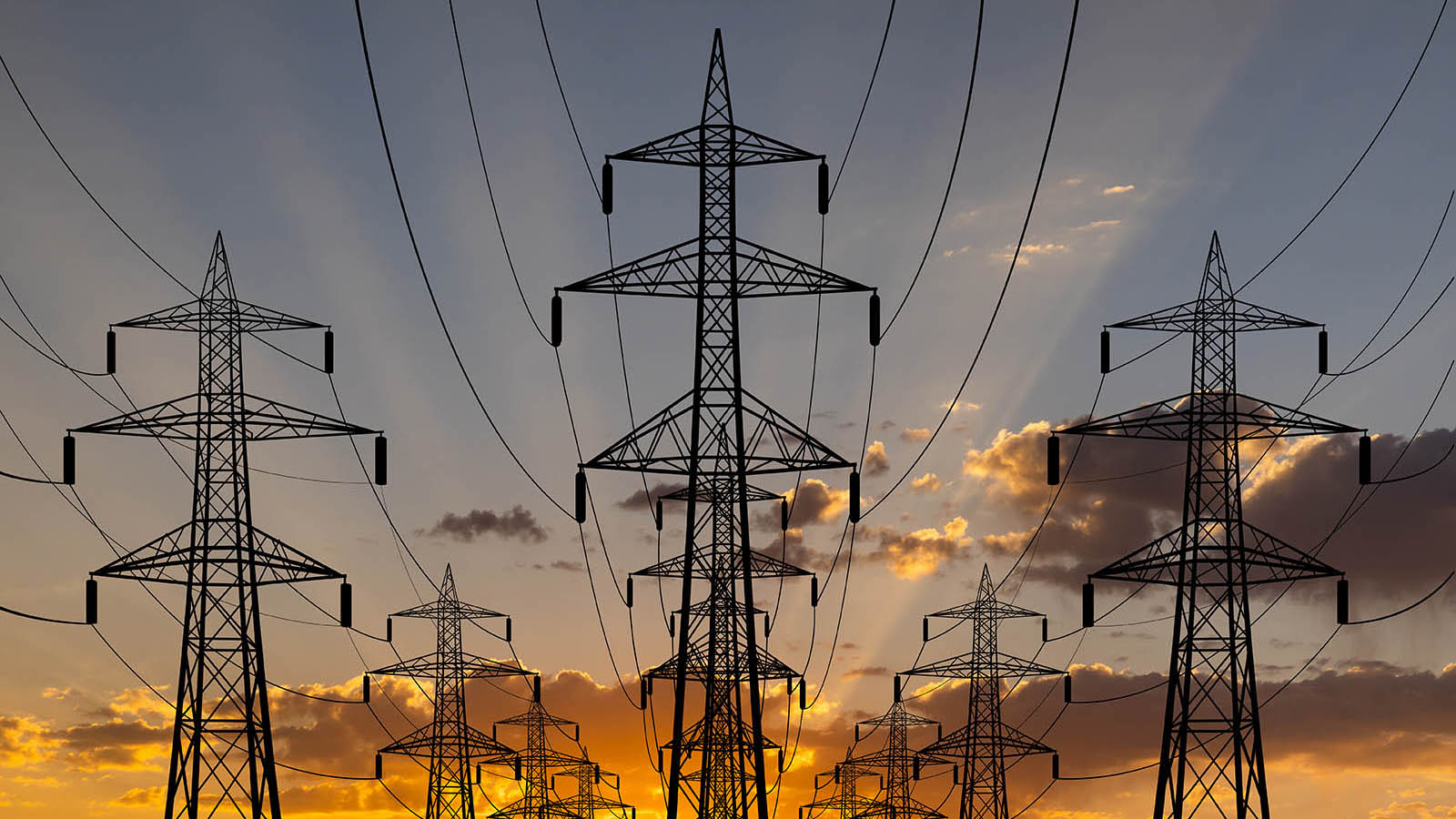
KATHMANDU: Nepal’s total installed energy capacity has reached 4,296 megawatts according to the Ministry of Energy, Water Resources, and Irrigation.
This figure includes electricity generated by the Nepal Electricity Authority (NEA) and private sector producers, excluding projects currently under testing and alternative energy sources.
The Ministry projects that the total capacity will exceed 4,500 megawatts by the end of the current fiscal year.
Currently, projects totaling 3,000 megawatts are under construction, with an additional 3,000 megawatts prepared to begin construction soon.
Infrastructure development has seen significant progress, with approximately 7,360 circuit kilometers of transmission lines (above 66 kV) and substations with a capacity of 14,323 MVA completed.
Distribution networks have also expanded, featuring over 8,225 circuit kilometers of 33 kV lines.
Due to NEA’s special initiatives and government efforts, nationwide electricity leakage has been restricted to 12.5%, with further technical upgrades planned to reduce this figure.
Energy access and consumption are also on the rise. Per capita electricity consumption has reached 450 kWh, and 99% of the population now has access to electricity through the national grid or alternative sources.
In terms of trade, Nepal has exported 2,918 GWh of electricity while importing approximately 590 GWh.
Additionally, solar power contributes 62.7 MW, and small-scale hydro projects add 55.3 MW.
Regarding irrigation, facilities now cover over 1.58 million hectares, with year-round irrigation available for 532,090 hectares of land.