Kathmandu
Saturday, July 18, 2026





MUSTANG: A total of 239 livestock animals have lost their lives due to attacks by wild animals in three local units of Mustang in the last four years.
According to annual data of the Annapurna Conservation Area Project (ACAP) office, farmers in the rural municipalities of Baragung Muktikshetra, Gharapajhong, and Thasang lost 239 livestock animals.
Agriculture and Livestock farming has long been practiced in this district. Recently, yak, chauri, sheep, and goat shelters built in high-altitude grazing areas and settlements have become increasingly unsafe due to threats from wild animals.
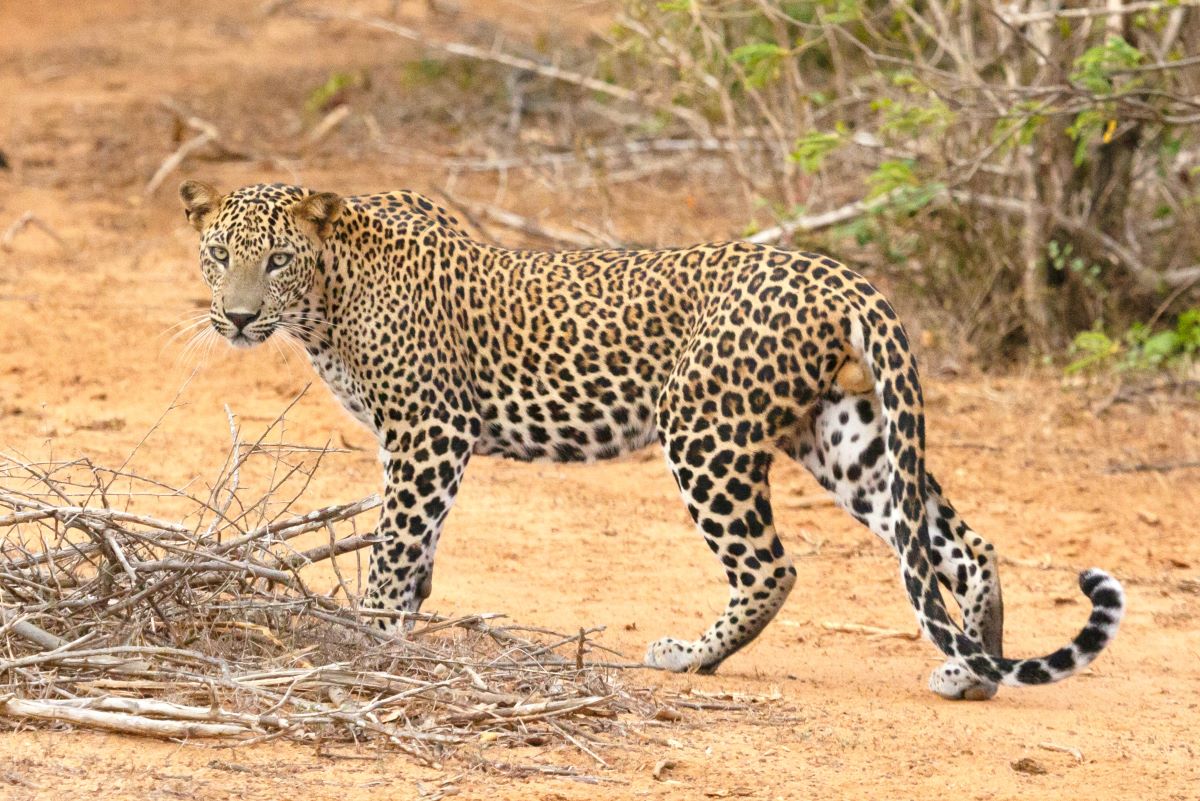
Locals say that the traditional livestock farming is facing crisis due to human–wildlife conflict. Farmers have said that attacks by snow leopards, leopards, and wolves are putting their traditional livestock businesses at risk.
The Chief of ACAP Rajesh Gupta stated that wild animals have so far killed 239 livestock belonging to 68 households across the three local units.
According to him, throughout the past four years, wild animals killed 12 yaks, seven chauris, 117 mountain goats (chyangra), 38 sheep and goats, two mules, and eight horses, along with other livestock.
Under the three rural municipalities, wild animals killed 31 livestock in fiscal year 2022/23, 56 in 2023/24, 86 in 2024/25, and 66 up to mid May of the current fiscal year, according to ACAP chief Gupta.
In accordance with the Wildlife Damage Relief Guidelines 2080 BS issued by the Department of National Parks and Wildlife Conservation, ACAP has been providing compensation relief funds to affected farmers.
Under the guidelines, relief compensation of up to NPR 60,000 is provided for yaks, chauris, horses, and mules, while up to NPR 10,000 is provided for sheep and mountain goats, Gupta said.
He said that the Annapurna Conservation Area Project (ACAP) office in Jomsom has already distributed NPR 2.52 million in relief compensation to affected farmers in the three local units over the past four fiscal years for livestock losses. According to him, NPR 529,000 in compensation for losses recorded up to mid May of the current fiscal year has been deposited into the bank accounts of the respective livestock owners.
Similarly, in Upper Mustang, which is also protected under ACAP, the ACAP Lomanthang office has provided relief compensation for livestock losses caused by wild animals over the last three fiscal years. The ACAP Lomanthang office stated that NPR 4.59 million has been deposited into the bank accounts of affected livestock owners during the three fiscal years.
ACAP chief Gupta added that climate change has started to threaten the livestock farming business in the region. Water sources in high-altitude grazing lands, pastures, and meadows are drying up, grass growth in grazing areas has declined, and wild animals — including snow leopards following their prey species — are descending closer to human settlements.
He added that climate change has increased the risk as snow leopards and other wild animals are increasingly appearing near villages in search of food.
The ACAP office also stated that the growing damage to livestock is partly due to poor-quality and non-durable sheds and animal enclosures used by local livestock farmers.