Kathmandu
Friday, July 24, 2026






KATHMANDU: Nepal’s public debt has surged to Rs 2.975 trillion in the first ten months of fiscal year 2025/26, rapidly approaching a historic Rs 3 trillion threshold.
The country accumulated Rs 532.91 billion in new debt during this period.
A strengthening US dollar aggravated the crisis, adding an extra Rs 167.75 billion in exchange-rate liabilities.
Although an upward revision of the GDP size to Rs 6.6 trillion technically lowered the debt-to-GDP ratio to 45.08%, the national debt has still more than doubled in just seven years.
Economists warn that Nepal is slipping into a dangerous debt trap, increasingly borrowing new funds just to service existing liabilities.
This structural strain is blamed on a failure to invest in productive assets, highlighted by underperforming loan-funded mega projects like the Pokhara and Bhairahawa international airports.
Consequently, the government spent a staggering Rs 292.52 billion on principal and interest repayments in ten months, diverting scarce resources away from vital public sectors like health and education.
In response, state oversight bodies are calling for immediate intervention.
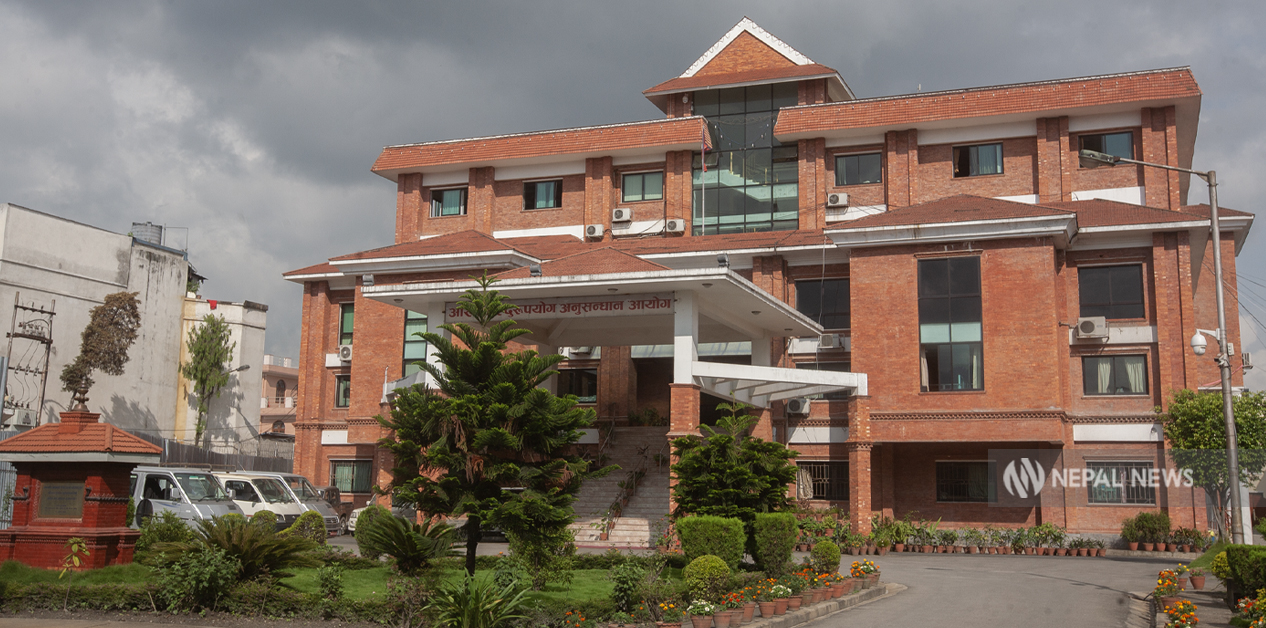
The National Natural Resources and Fiscal Commission has demanded a strict, total ban on utilizing internal loans to cover recurrent administrative and bureaucratic costs.
Backing this, the Office of the Auditor General’s 63rd annual report heavily criticized the state for fiscal indiscretion, revealing that substantial portions of development loans are being routinely misallocated to fund everyday office operations and salaries instead of actual capital formation.