Kathmandu
Thursday, July 23, 2026






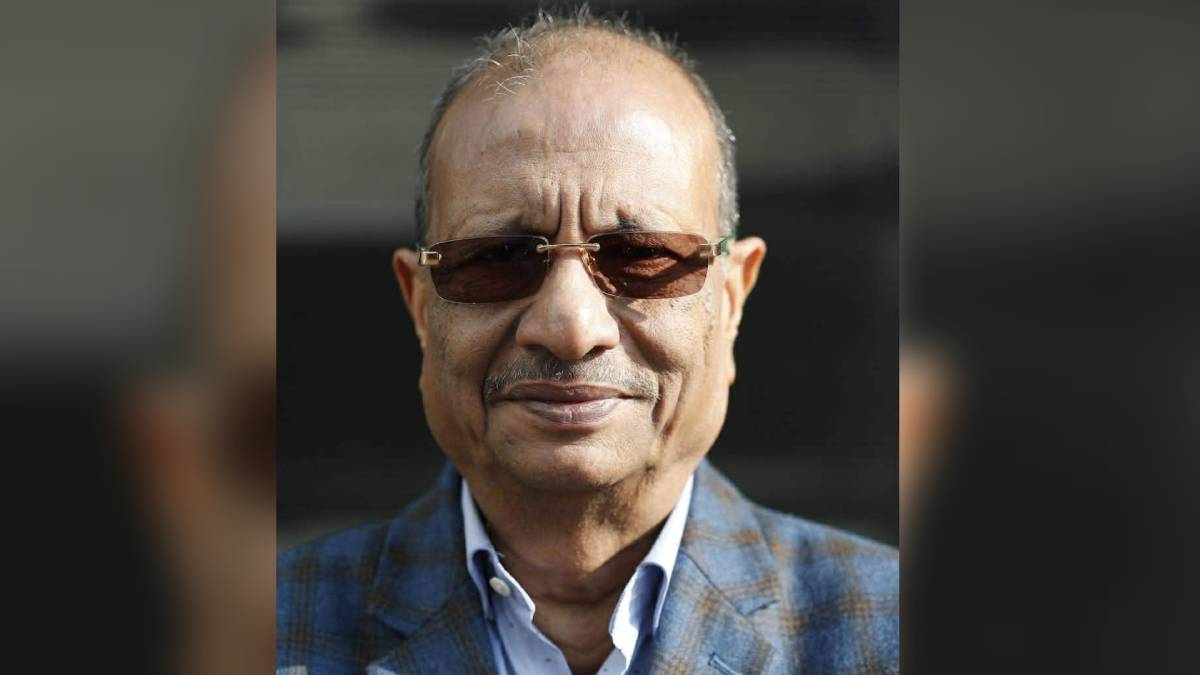
KATHMANDU: Minister for Energy, Water Resources, and Irrigation, Biraj Bhakta Shrestha, has stated that reservoir-based projects are under the high priority of the government.
Speaking after an inspection of the Kulekhani Hydropower Project, he emphasized that reservoir projects must now be advanced as a national priority for Nepal’s long-term energy security, industrial development, and overall economic transformation.
Minister Shrestha clarified that the government’s primary focus in the coming days will be centered on the development of reservoir projects.
He noted that such projects serve as a backbone not just for electricity generation, but also for water management, flood control, irrigation expansion, and tourism promotion.
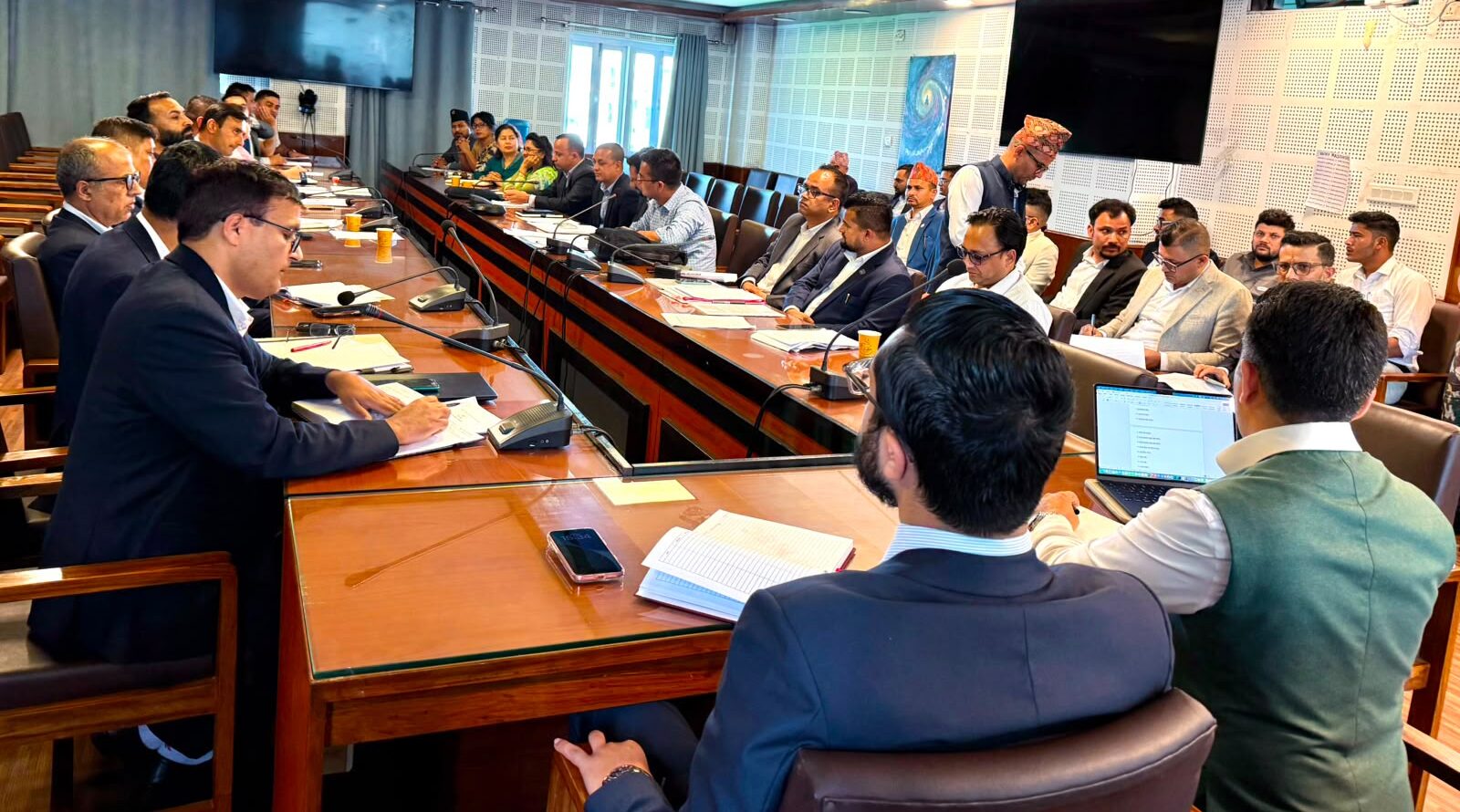
During a discussion with employees of all three power stations of Kulekhani, Minister Shrestha pointed out that keeping in mind the rising natural risks and erratic rainfall caused by climate change, the importance of water storage structures for the future has increased even further.
“Climate change has accelerated glacier melting and altered rainfall patterns; under such circumstances, there is no alternative to reservoir projects for energy security,” Minister Shrestha said.
Minister Shrestha mentioned that to ensure a sustainable energy supply for the industrial sector, data centers, and the information technology industry, more electricity can be generated from reservoir projects during ‘peak hours’ (times of high demand).
Directing the Nepal Electricity Authority (NEA) to prepare an integrated development model for reservoir projects, he stressed the need to attract both domestic and foreign investments.
Informing that the government has already extended the license period of such projects to 50 years to attract the private sector, he urged investors to increase their investments in this sector.
Describing Kulekhani as a ‘role model’ project for Nepal, Minister Shrestha directed officials to immediately address social issues and grievances raised at the local level.
He noted that waste management has become challenging alongside the growing tourism activities around the reservoir, and urged coordination with local levels and entrepreneurs to protect the environment of the Indrasarowar area.
Following his inspection of the project on Sunday, Minister Shrestha also gave directives to expedite the demarcation of land within the project area, manage the debris and silt flowing into the reservoir due to floods and landslides, and swiftly complete the maintenance and replacement of old equipment.
Completed in 1982, the Kulekhani Project is Nepal’s first reservoir-based hydropower project. It has a total installed capacity of 106 megawatts, which includes Kulekhani-I (60 MW), Kulekhani-II (32 MW), and Kulekhani-III (14 MW).