Kathmandu
Tuesday, July 21, 2026





A mature democracy is not sustained by political majority alone, but by respect for constitutional institutions and a government that strengthens public confidence through participation, accountability, and acceptance of criticism

KATHMANDU: A democratic state emphasizes rule of law, which is predictable, enforced fairly, and applied without political interference. This typically includes the respect of human rights and human dignity, constitutional supremacy, an independent judiciary, separation of powers, and transparent governance.
In a democratic state, governance is not measured merely by authority or power but by people’s participation in the decision-making process, consensus-oriented governance, protection of human rights, and effective service delivery. But when authorities holding the highest positions appear indifferent towards institutional decorum and constitutional values, public trust in democracy deteriorates.
The current political atmosphere in Nepal is frequently raising concerns regarding institutional respect, political accountability, and human dignity. Nepal is a constitutionally based democracy where the president, prime minister, judiciary, and parliament are not simply symbolic offices, but they represent the pillars upon which democratic legitimacy and its values stand. Hence, hasty decisions of the government appear foolish toward constitutional supremacy and democratic culture. Mature governance necessitates their leaders to demonstrate respect, human dignity, responsiveness, and responsibility even during disagreements.
Holding a mere numerical majority or political dominance does not grant any authority to behave indifferently towards opposition ideologies, institutional decorum, or constitutional processes.
In a democratic state, good governance is not the rule of numerical majority, nor should its confidence fear disagreements. Rather, it should show maturity and its numerical majority with greater responsibility and accountability, not with greater ignorance. Political leaders shape good political culture not just with good policies but with good conduct.
When highest authorities disregard institutional decorum or normalize insensitive conduct, this raises serious concerns of what kind of democratic values are being encouraged among citizens. Failing to deliver respect and accountability shall worsen space for healthy dialogue between “government-to-government” and “government-to-people.”
In any state, political disagreements are natural between leaders, experts, and the general public; however, constitutional and institutional dignity must always remain above personal grudges or sentiments. When governance ignores procedural meanings, the public questions their ability to establish the rule of law and human dignity.
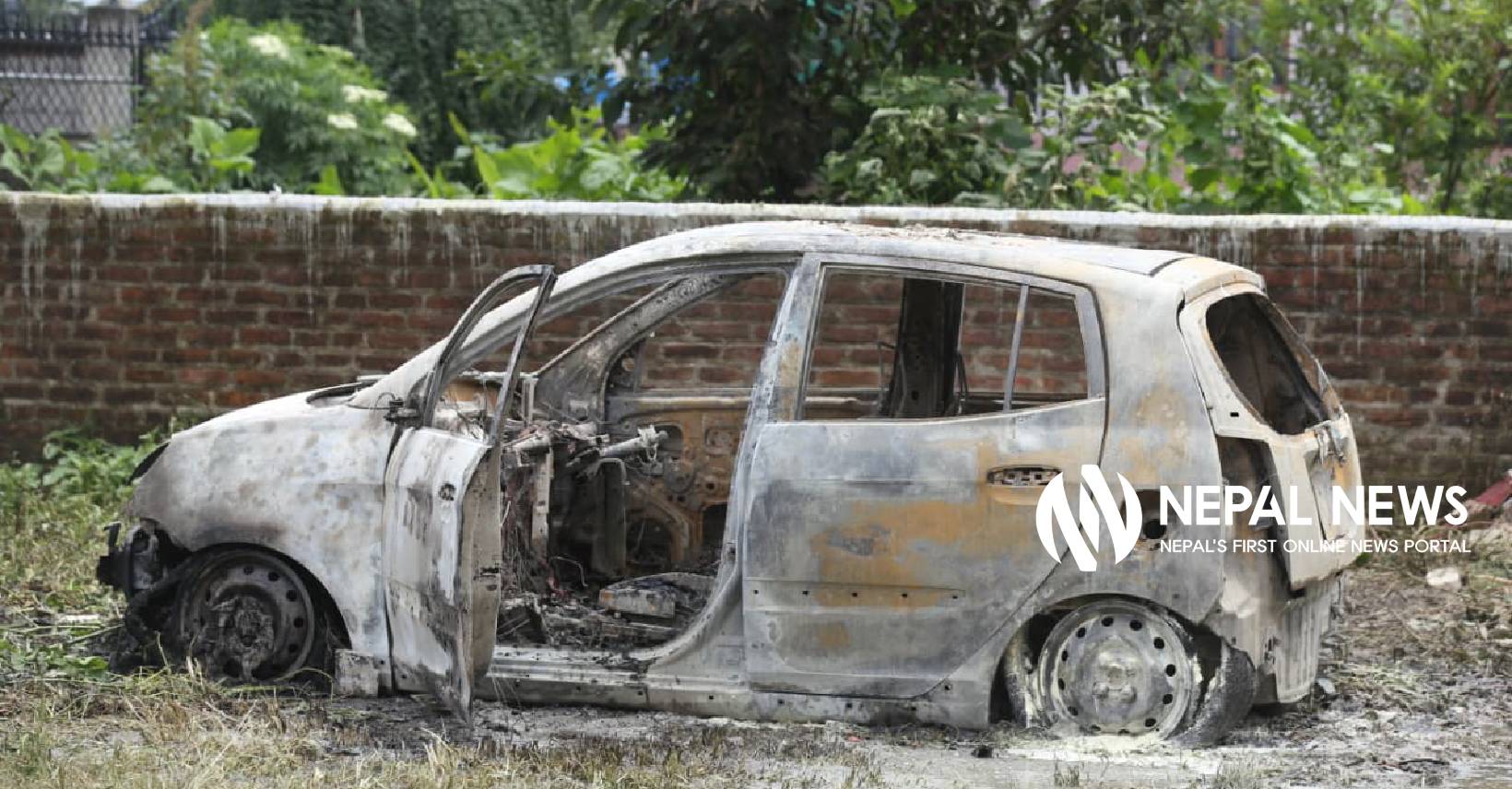
The recent action towards the unorganized settlements and settlers (squatters), especially in the Kathmandu Valley, has raised serious human rights concerns. Such forced eviction and demolition without adequate preparation, public participation, or alternative arrangements violate basic human rights, transferring poverty and helplessness from one place to another.
Urban beautification is certainly necessary for development and environmental protection; however, ignoring adequate livelihood, rehabilitation, sanitation, and access to children’s education increases socio-economic vulnerabilities. This basic human dignity risk is disconnecting people from the government that is meant to serve them inclusively.
Presently, the general public is already showing frustration towards governance procedures and accountability. The competence of the judiciary must not be measured through the number of cases concluded.
Judiciary is not merely any administrative office; rather, it is the competence shaped by constitutional understanding, fairness, establishing the rule of law, and promoting ethical fairness with competent justices. It serves as one of the most important organs of the government against misuse of power and establishment of constitutional supremacy.
Degrading judicial competence and creating public humiliation during appointment procedures result in depressing the constitutional and institutional norms. Our constitution beautifies the judiciary as the foundation of democratic legitimacy itself, and good democratic procedures must not demoralize judicial competence and the independence of the judiciary.
The majority in the government holds power and authority temporarily, but constitutional institutions hold good governance practices for the long-term stability of the country.
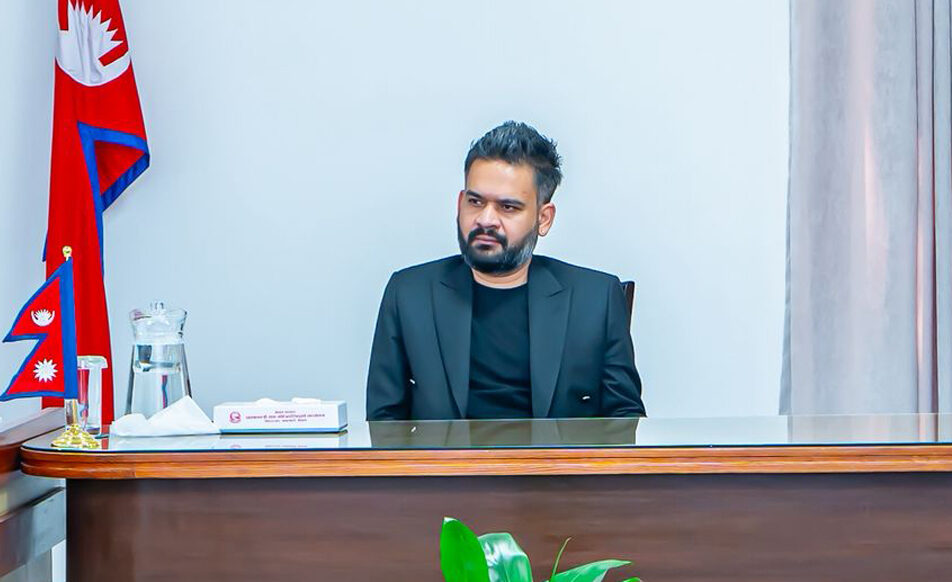
Another concerning public discussion is regarding political decorum and institutional respect during official state functions. In a democratic culture, the dignity in constitutional offices must always be preserved regardless of personal grudges or political values. When a senior leader of a state appears inattentive towards the head of the state addressing an official meeting, it shows institutional disregard and constitutional disrespect.
Ethics in governance is not shown through bulldozer operation but through symbolism, human dignity, maintaining institutional decorum, and respect. A mature government establishes confidence not by silencing opposition or ignoring their political opinion but by actively engaging participation with acceptance of criticism for good governance.
No government is flawless, nor do citizens expect them to be perfect; however, they do expect their leaders to be responsive, have human dignity, and show accountability. Hence, the survival of democracy does not only depend on political majority and dominance in the seat. Its power lies in the esteem towards the constitution, judiciary, democratic process, and dignity of citizens.
The contemporary concerns are not towards one rushed decision, one official state meeting, or one public gesture. This is about the democratic culture Nepal is wishing to build for the future. Nepal’s democratic beauty in the hands of a hit-or-miss approach is a threat towards the constitution, the dignity afforded to citizens, and institutional decorum.
Today’s dramatic constitutional and institutional ignorance should not normalize the loss of public respect towards the government they voted for, nor should it question the survival of democracy. Also, haphazard development activity without rehabilitation, command without accountability, and power without respect results in distancing the state from its own people. Therefore, “who will pay the price for governance without sensitivity”?
(Adv. Akshaya Duwady is a legal professional and human rights activist working to promote justice, constitutional values, and democratic governance in Nepal.)