Kathmandu
Thursday, July 23, 2026





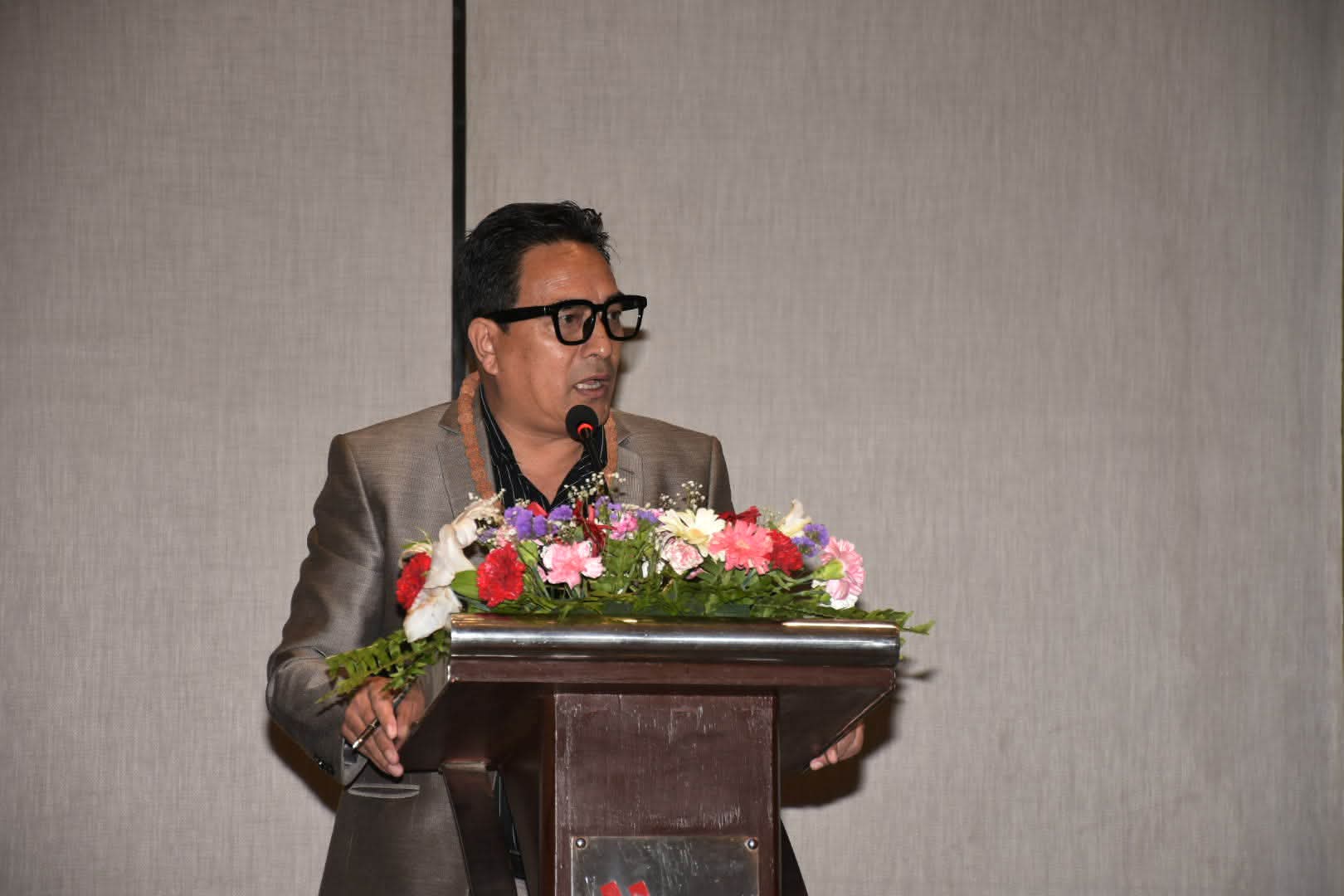
KATHMANDU: Naresh Lal Shrestha, Vice President of the Federation of Nepalese Chambers of Commerce and Industry (FNCCI), has stated that the budget for the current fiscal year is ambitious.
Speaking at a “Post-Budget” discussion organized by the Nepal Association of Financial Journalism (NAFIJ) today, he noted that the budget has arrived with significant challenges regarding resource management.
“It appears that capital expenditure remains at only 20 percent,” Vice President Shrestha said. “The budget has been presented with a fiscal deficit exceeding Rs 600 billion.”
He mentioned that in certain aspects, the budget attempts to shift from a traditional approach toward a transformative one. He highlighted that raising the personal income tax threshold to Rs 1 million is a positive move.
He added, “The provision stating that no duplicate approvals are required from other agencies once Investment Board approval is granted seems to provide a smoother and hassle-free investment climate.”
Shrestha also welcomed the expansion plan to build the country’s first AI Compute Center in Syuchatar. Furthermore, he noted that the plan to promote startups in the initial phase through grants, subsidized loans, and co-investment partnerships with the private sector is highly significant.
However, he urged a reconsideration of the 5 percent tax levied on consumers using more than 50 units of electricity, as well as the taxes imposed on education and health, emphasizing that the government needs to be clear on these issues. He argued that these policies place a heavy burden on the private sector and consumers, and should therefore be amended.
Shrestha expressed concern that raising taxes on electric vehicles (EVs) could decrease their usage. He cautioned that imposing a clean infrastructure investment fee might drive consumers back to petroleum-fueled vehicles.
He pointed out that while past budgets and plans were commendable, they failed to achieve expected success due to delays in execution. He stressed that current good plans must be implemented immediately.
He expressed dissatisfaction that the budget failed to address FNCCI’s recommendation regarding Small and Medium Enterprises (SMEs). He explained that pushing businesses with turnovers above RS 5 million into the VAT system reduces their trade capacity. He noted that the Federation had suggested raising this threshold from Rs 5 million to 10 million.
He also mentioned that despite recognizing the hotel business on par with manufacturing industries, the provision to grant them subsidized electricity rates has not yet been implemented.
“Since VAT cannot be adjusted and a uniform VAT is applied to everyone, prices will rise. This will create operational hurdles for industries,” he stated.
Furthermore, he voiced concerns over the difficulties businesses face regarding Initial Environmental Examinations (IEE) and Environmental Impact Assessments (EIA). Stating that industries are facing delays under the pretext of EIAs and IEEs, he called for flexibility, adding that nearly 500 projects are currently at a standstill.
“Projects are being delayed due to forest and wildlife reservation policies, so these processes must be eased,” he said.
Shrestha asserted that customs exemptions and concessions are necessary for importing goods required to build hotel infrastructure. He clarified the private sector’s stance, requesting that the facility to import at a 5 percent rate be granted.
The Vice President explained that because Nepal relies on raw material imports, production costs are high, making it difficult to compete with Indian and Chinese markets. Therefore, concessions on importing such materials are vital.
He added, “Bringing raw materials from abroad results in expensive freight charges. The previous government had decided to provide Rs 5 billion in subsidies, but we have not received it yet.”
Pointing out that exports have declined while imports have surged, he emphasized that the government must openly adopt a liberal and supportive policy toward exports.