Kathmandu
Wednesday, July 22, 2026





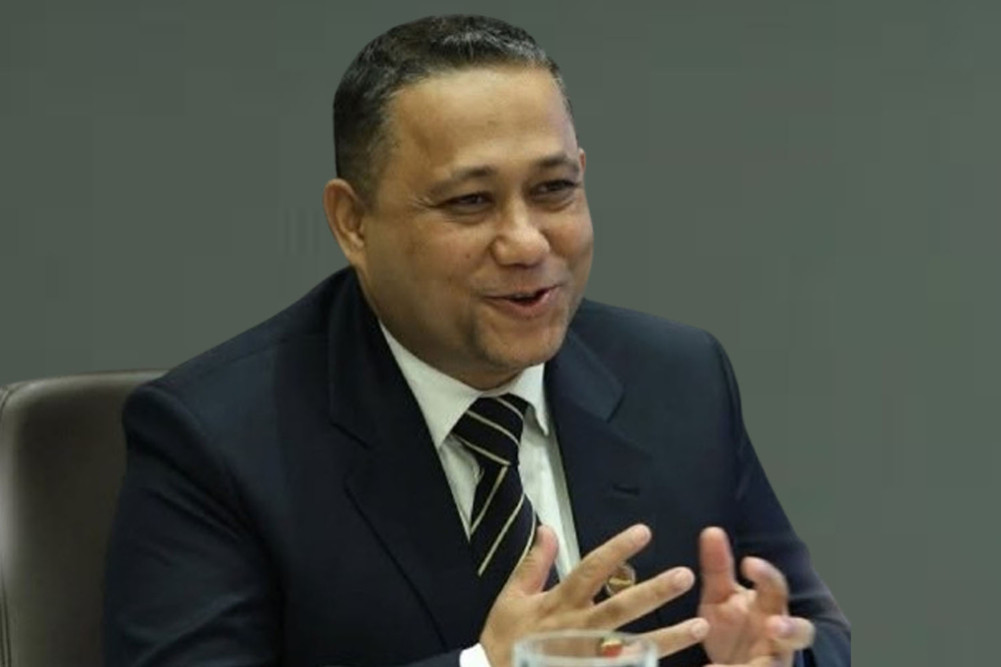
KATHMANDU: Foreign Minister Shisir Khanal stated that the new Rastriya Swatantra Party (RSP) government is approaching its relationship with India with a completely “clean slate,” prioritizing economic growth and integration over historical political issues.
Speaking in an interview with The Economic Times during his official visit to New Delhi, Khanal emphasized that Kathmandu looks to India as a vital partner for investment, corporate collaboration, and capital depth to help Nepal build a predictable, double-digit growing economy.
He noted that the RSP’s strong electoral mandate from the youth empowers the government to stand firm on its core agendas of economic advancement and uncompromising good governance.
To accelerate cross-border results, Khanal outlined several high-yield sectors prioritized for immediate collaboration.
These include transitioning from seasonal power agreements to a seamless, long-term cross-border green energy market supplying both India and Bangladesh, and boosting tourism by connecting Janakpur to Ayodhya alongside launching direct flights from Pokhara and Bhairahawa to Indian cities.
Additionally, Nepal seeks to eliminate border bottlenecks by digitizing Integrated Check Posts and collaborating on digital public infrastructure, fintech, and UPI-linked cross-border payments to connect Nepal’s young tech workforce with Indian innovation hubs.
Addressing outstanding boundary disputes and transit bottlenecks, Foreign Minister Khanal advocated for a calm, rational, and evidence-based diplomatic approach.
He stated that technical teams are actively engaged on the ground and that these issues are operational friction points that can be systematically managed.
Khanal concluded by affirming that by sitting across the table as equals and working in good faith, both nations can successfully resolve their boundary differences through forward-looking, data-driven dialogue.