Kathmandu
Sunday, June 28, 2026





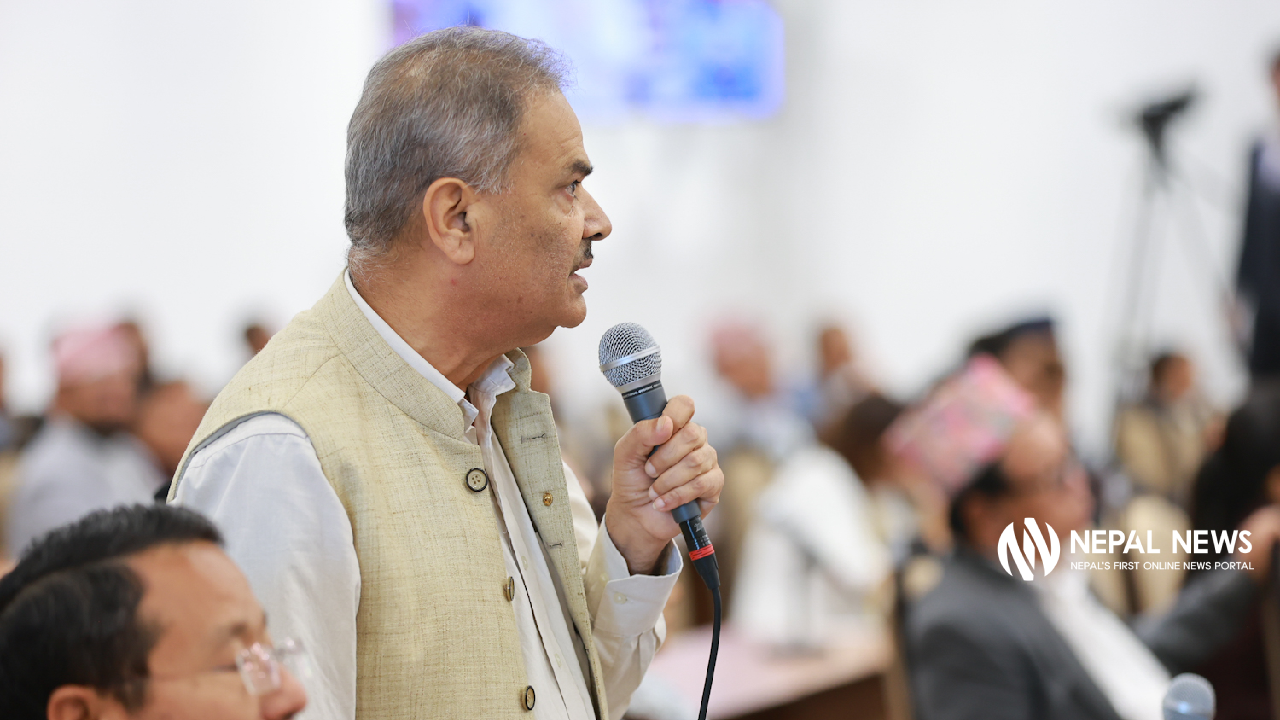
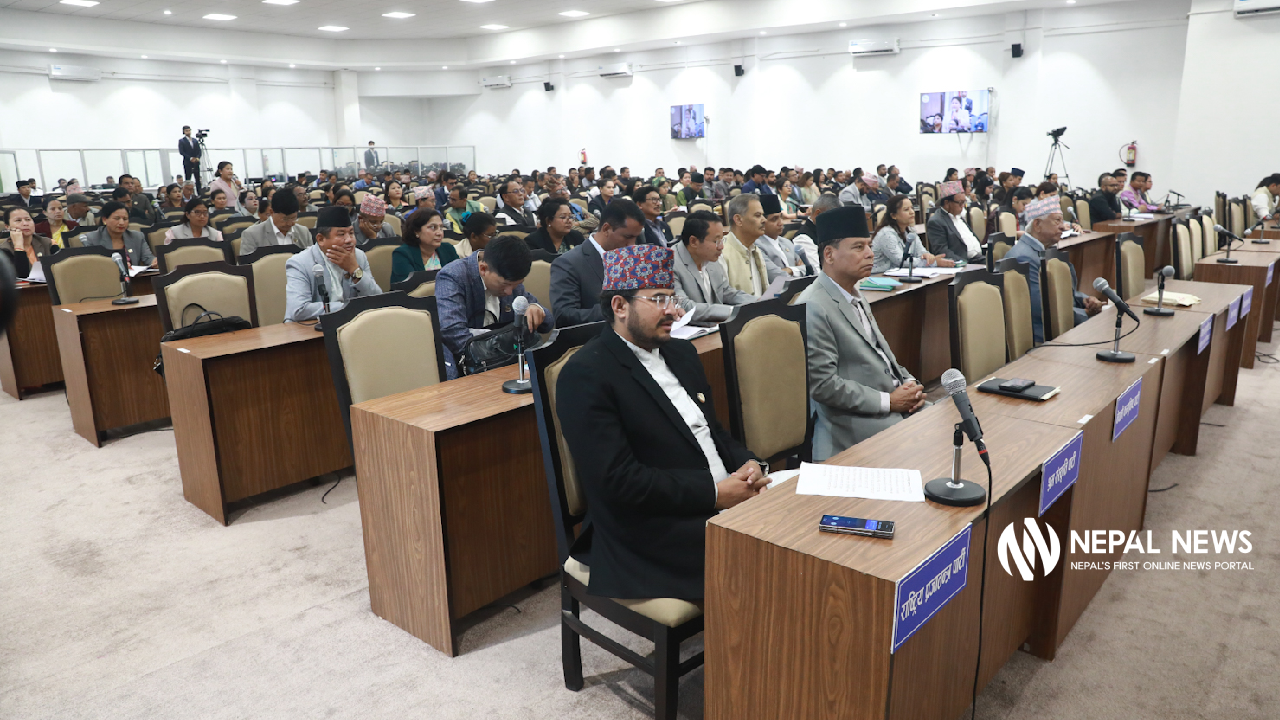
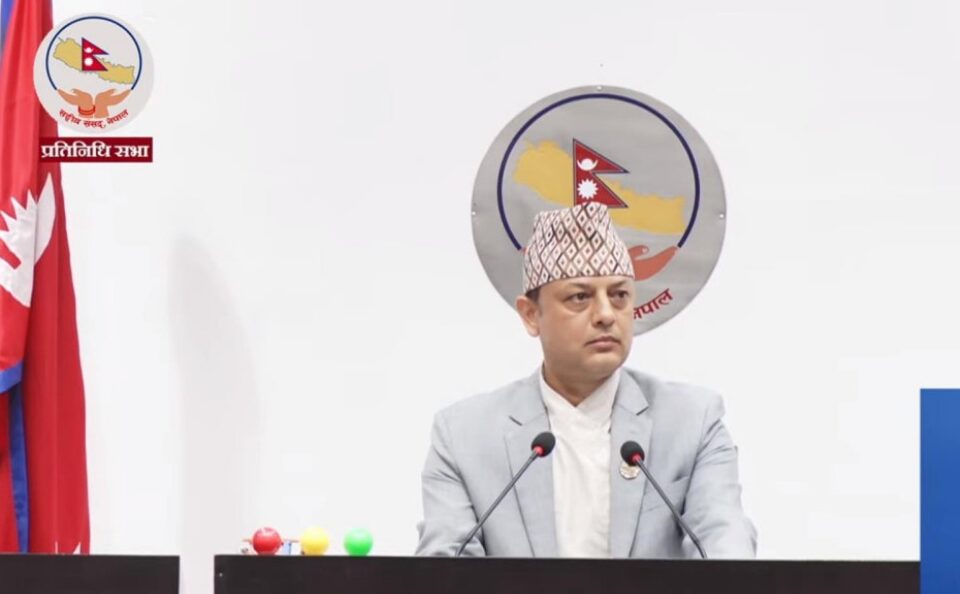
KATHMANDU: Opposition parties organized a unified protest during Sunday’s House of Representatives meeting at the Parliament Building in Singha Durbar, rising from their seats immediately after Speaker Dol Prasad Aryal called the session to order.
Lawmakers from the Nepali Congress, CPN (UML), Nepali Communist Party, Shram Sanskriti Party, and Rastriya Prajatantra Party joined the collective protest to draw attention to their grievances.
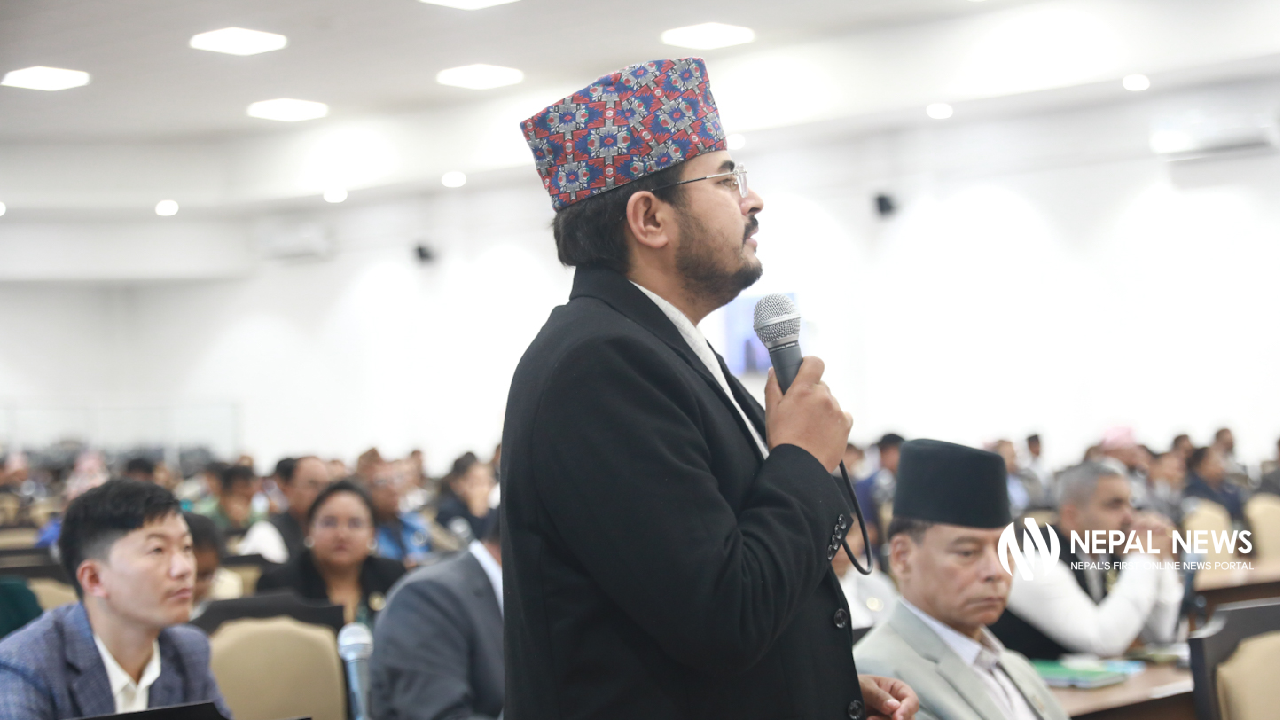
Following the initial demonstration, Speaker Aryal allocated speaking time to opposition lawmakers, including Nepali Congress MP Renuka Kaucha and UML MP Pushpa Raj Kandel, allowing them to formally address the floor.
During the session, CPN (UML) lawmaker Pushpa Raj Kandel protested the recent arrest of party Vice Chairman Bishnu Paudel, strongly asserting his innocence.
Paudel was detained last week in Surkhet on money laundering charges, which Kandel characterized as a politically motivated vendetta aimed at defaming the UML and intimidating the opposition based on flimsy allegations from the past election.
Kandel further charged that the government is actively shielding real criminals while leaking sensitive tax rate information to benefit middlemen.
Alongside the demand for Paudel’s release, the UML protested Prime Minister Balendra (Balen) Shah’s controversial border-related remarks made on May 31, insisting that the Prime Minister apologize and that the statements be expunged from the parliamentary records.
Simultaneously, the Nepali Congress raised an intense protest against the ruling Rastriya Swatantra Party for allegedly enrolling over 35,000 minors into its political ranks.
Speaking on behalf of her party, lawmaker Renuka Kaucha questioned whether the ruling party considered itself above the nation’s legal framework.
The controversy stems from a report presented during the RSP’s recent general convention, which explicitly stated that the party has 35,257 members under the age of 18.
As Nepali law strictly defines individuals under 18 as children and prohibits political parties from granting them membership, Kaucha vehemently condemned the practice and demanded institutional accountability.
Adding to the opposition’s firm stance, Yubaraj Dulal (Sharad), the Chief Whip of the Nepali Communist Party, leveled a warning at the treasury benches regarding their current political dominance.
Acknowledging their recent electoral losses to the RSP, Dulal asserted that the defeat was merely a temporary setback in a periodic election rather than a permanent state of affairs.
He vowed that his party would return as a formidable competitive force in the next cycle, pointedly reminding the ruling coalition that the political tide could easily turn and bring new faces to the leadership benches.