Kathmandu
Sunday, June 28, 2026





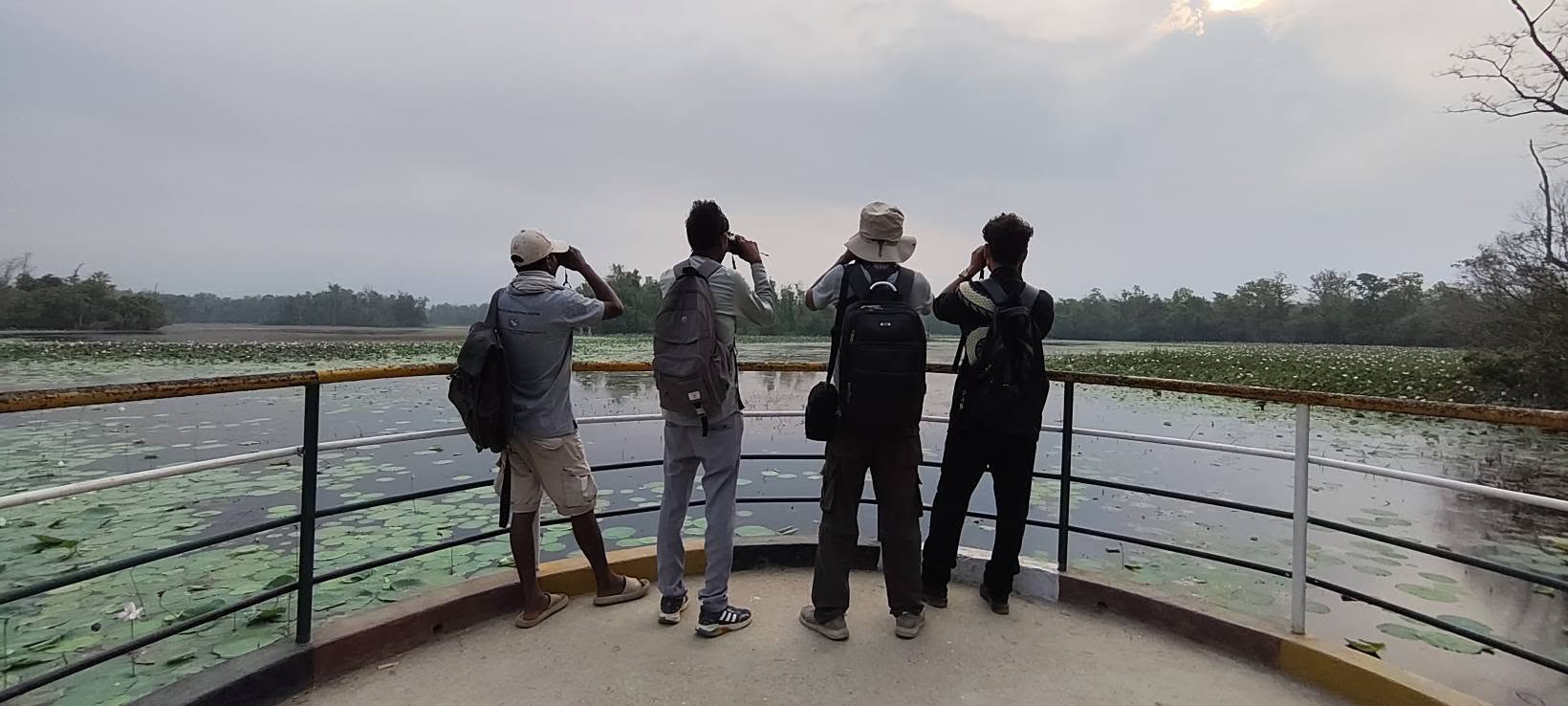
KAILALI: A census of the Cotton Pygmy-Goose (Harihans), which serves as an indicator species, has commenced in the Ghodaghodi wetland area of Kailali.
Organized by Bird Conservation Nepal (BCN), the census will be conducted over three days starting today.
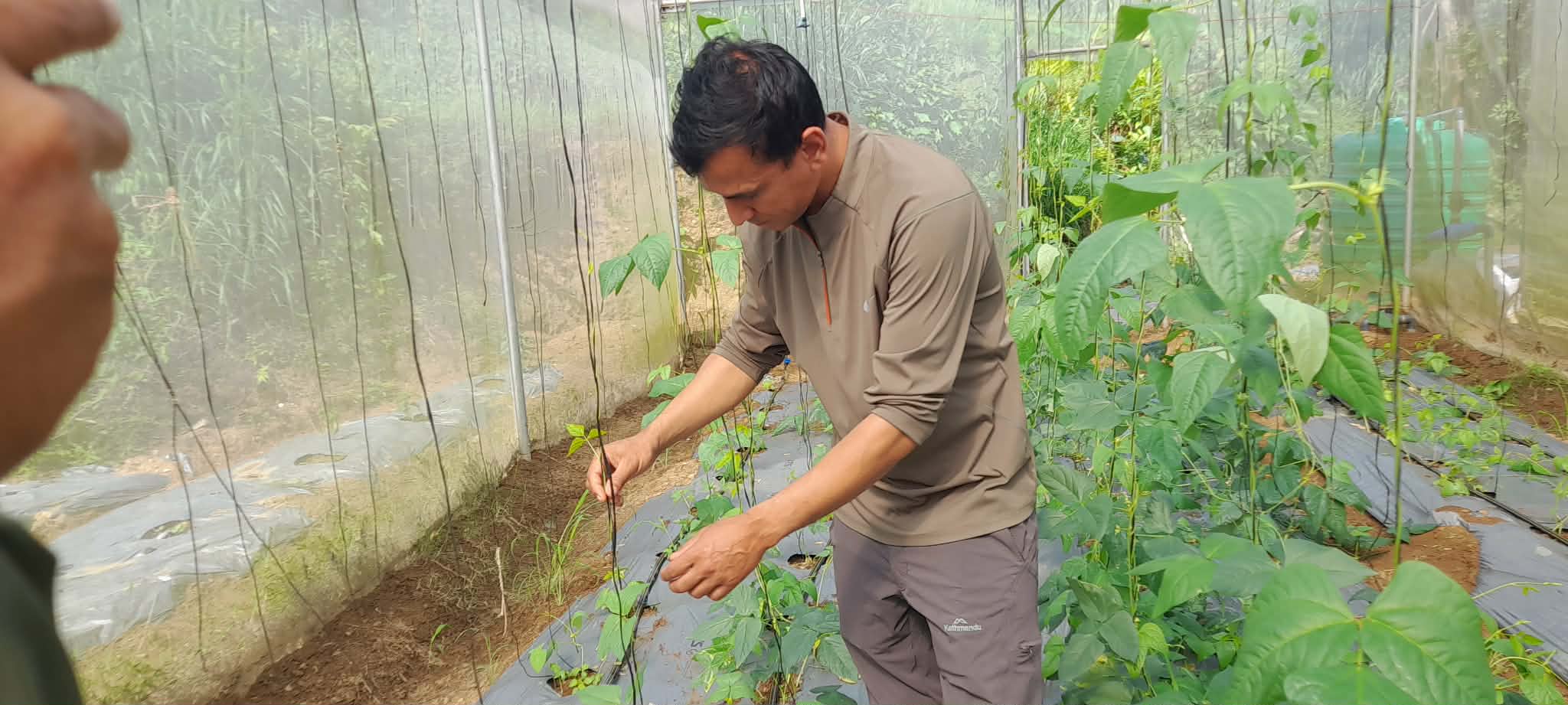
Eight participants are involved in the census team. Hirulal Dangaura, the Field Project Officer of Bird Conservation Nepal, informed that the census started simultaneously across three designated blocks by forming three sub-groups.
According to him, the census of the indicator species Cotton Pygmy-Goose is conducted every year during both the winter and summer seasons in the Ghodaghodi wetland area. He noted that the number of Cotton Pygmy-Geese tends to drop during the summer season compared to the winter.
Dangaura explained that the Cotton Pygmy-Goose breeds in various wetlands of Kailali, including Laukaha-Bhaukaha, Ghortal, and Sonia-Rupia located in Bhajani Municipality. Since they disperse to different wetlands across the district for breeding, their numbers appear lower in the Ghodaghodi area during the summer than in the winter.
According to past summer counts, 212 Cotton Pygmy-Geese were recorded here in 2023, 225 in 2024, and 164 in 2025. In contrast, winter figures showed 394 in 2022, 316 in 2023, and 411 in 2024. This number dropped to 372 in the winter of 2025, but data shows that the population bounced back to 429 in the winter of 2026. Conversely, statistics indicate that the numbers of other waterfowl have been gradually declining over the same periods.
Project Officer Dangaura stated that a detailed report covering the actual status, distribution, and total count of the Cotton Pygmy-Goose will be made public once this year’s summer census concludes. He added that other waterbird species found in the Ghodaghodi wetland area will also be counted alongside the Cotton Pygmy-Goose.
Ghodaghodi Lake is recognized as the largest wetland area in the Terai plains. In 2003, Ghodaghodi was listed as a global Ramsar site, at which time the Cotton Pygmy-Goose population stood at 1,000.
Various agencies have been working toward the conservation of Ghodaghodi. Due to its status as an ideal bird habitat, the area was declared Nepal’s first Bird Sanctuary on March 11, 2022. The primary indicator species of the Ghodaghodi area are the Mugger crocodile, the Cotton Pygmy-Goose, and wild rice.