Kathmandu
Saturday, July 4, 2026





Digital governance is transforming how Nepal’s health system is managed. For patients, overcrowded hospitals, staff shortages and long waits remain the everyday reality.

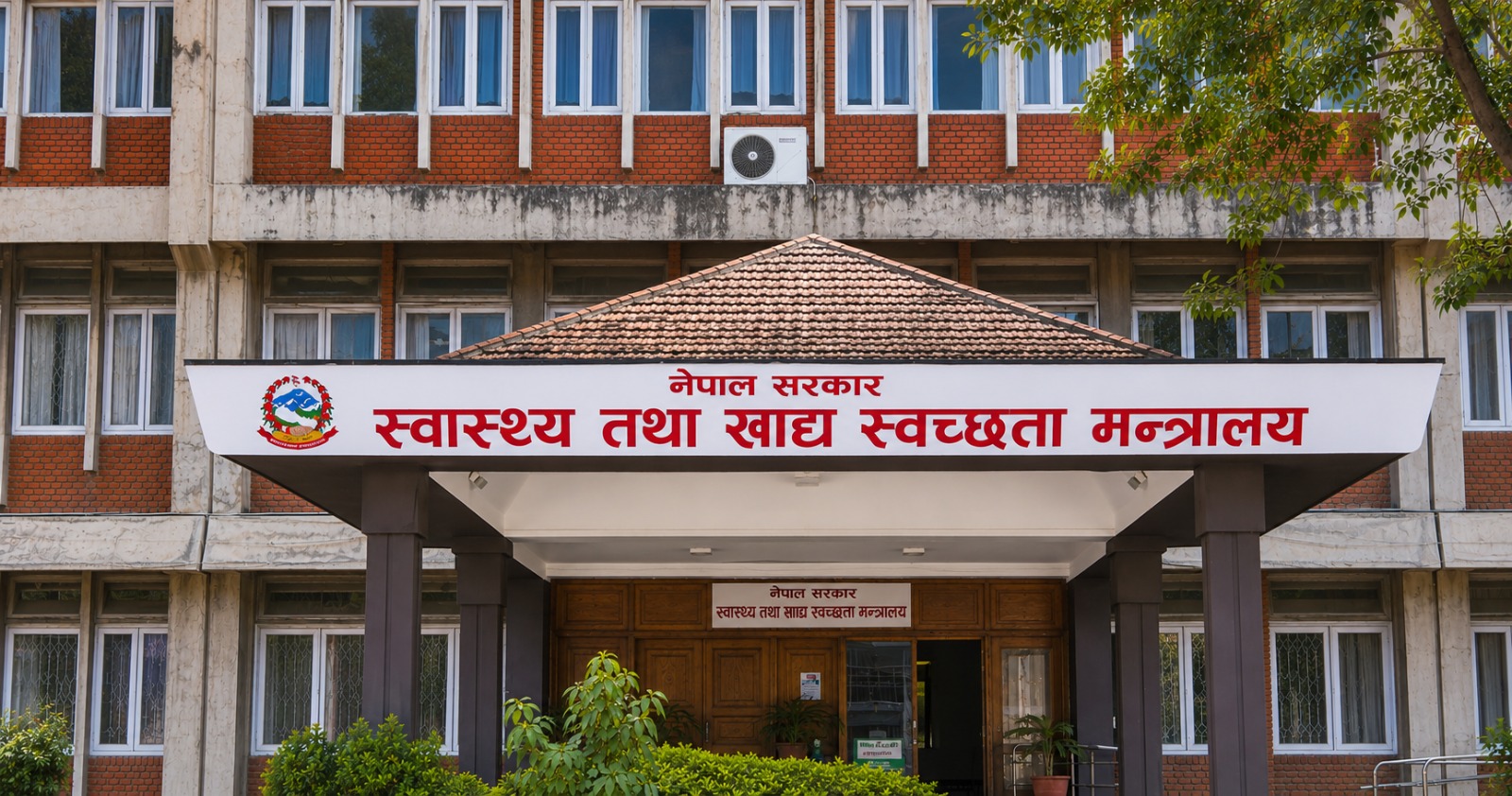
KATHMANDU: Health care has long been one of Nepal’s most politically sensitive public services. Every government promises reform; few manage to deliver visible improvements for patients. Prime Minister Balendra Shah has made governance reform a defining theme of his first 100 days, and the Ministry of Health and Food Safety has attempted to align itself with that agenda through an ambitious package of digitalisation, administrative reform and hospital modernisation.
The government’s narrative is one of structural reform rather than headline-grabbing projects. Instead of building new hospitals, it has focused on improving how the existing system functions: digitising patient records, expanding online services, tightening hospital management, strengthening governance and making treatment more accessible for vulnerable citizens. It reflects an increasingly common view in health policy—that management failures, rather than infrastructure alone, are among Nepal’s biggest healthcare problems.
Among the administration’s most significant initiatives is a digital portal requiring government and private hospitals to reserve at least 10% of beds for poor, vulnerable and abandoned patients receiving free treatment. Nearly 200 hospitals have already joined the system, allowing beneficiaries, hospital capacity and even blood availability to be monitored digitally. Integrated health dashboards tracking vaccination, maternal health, nutrition and family planning programmes also signal an effort to move towards data-driven health governance.
The government is also laying the foundations for a national digital health ecosystem. New standards for integrated health information systems, electronic medical records, hospital information platforms and referral protocols are intended to improve continuity of care while reducing unnecessary referrals to private hospitals. Pilot projects at major public hospitals—including the National Trauma Centre, Kanti Children’s Hospital and other specialised institutions—could eventually modernise patient management if expanded nationwide.
Incremental improvements have appeared in several hospitals. Surgical waiting times have reportedly fallen at some specialist centres, online appointments and electronic billing are being introduced, digital pharmacy systems now display medicine availability, and accessibility measures such as Braille information for visually impaired patients have begun to appear. Burn treatment units outside Kathmandu, expanded mental-health services, travel medicine clinics and high-altitude medical centres reflect attempts to broaden specialised care beyond the capital.
The government has also sought to strengthen pharmaceutical policy. Affordable hospital pharmacies, greater use of generic medicines and plans to expand domestic production of essential drugs could reduce treatment costs while lowering dependence on imported medicines. Similarly, compensation for poultry farmers affected by avian influenza signals greater recognition of the links between public health, food security and economic resilience.
Health insurance has also entered a period of restructuring. Faced with mounting financial liabilities, the government is attempting to make the programme more sustainable by revising benefit packages and directing routine insured treatment towards public and community hospitals while limiting the role of private hospitals in non-emergency care. Mandatory insurance for organised-sector employees is also under consideration.
These reforms represent sensible administrative improvements. Yet they do not fully address the problems most visible to ordinary Nepalis.
The most immediate challenge remains the condition of public hospitals themselves. Overcrowded outpatient departments, long waiting times, shortages of specialist doctors and limited diagnostic capacity continue to define the patient experience. On Sundays—when many private clinics remain closed—government hospitals often face overwhelming queues stretching from registration counters to pharmacies. Digital dashboards may improve monitoring, but they cannot substitute for insufficient doctors, nurses, beds and operating theatres.
Nor has the government yet presented a comprehensive strategy to tackle service delivery at scale. Nepal’s health system remains highly centralised, forcing many patients from outside Kathmandu to travel long distances for specialised treatment. Referral systems have improved on paper, but regional disparities in access to specialists, advanced diagnostics and critical care remain largely unchanged.
The health insurance programme illustrates the government’s broader dilemma. While restructuring may improve fiscal sustainability, the scheme itself continues to face a crisis of confidence. Delayed reimbursements have discouraged many private hospitals from participating fully, beneficiaries frequently struggle to access covered services, and hospitals often complain of payment backlogs. Unless financial governance improves substantially, institutional restructuring alone is unlikely to restore public trust in the insurance system.
Human resources present another unresolved weakness. Nepal continues to face shortages of specialist doctors, nurses and allied health professionals, particularly outside major urban centres. Administrative reforms cannot compensate for uneven workforce distribution, inadequate incentives for rural service and the continuing migration of healthcare professionals abroad.
The government’s reform programme also lacks a transformative investment agenda. Unlike countries that have used healthcare reform to expand hospital networks, strengthen emergency medicine or develop regional centres of excellence, Nepal’s current strategy focuses primarily on improving administrative efficiency within the existing system. Important as these reforms are, they are unlikely on their own to fundamentally change healthcare outcomes.
Equally absent is a broader vision linking healthcare with demographic change, ageing, non-communicable diseases and climate resilience. Nepal’s disease burden is shifting rapidly from infectious illnesses towards cancer, cardiovascular disease, diabetes and mental health disorders. Meeting these challenges will require not only digital systems but also sustained investment in prevention, specialist services and long-term care.
None of this diminishes the value of the government’s early reforms. Digital health records, transparent hospital management, affordable medicines, improved emergency rescue services and stronger governance are meaningful steps that previous administrations often struggled to implement. But they represent the beginning of reform rather than its culmination.
The first 100 days suggest that the government understands many of the structural weaknesses within Nepal’s health system. The more difficult task now lies ahead: translating administrative modernisation into shorter queues, functioning health insurance, less crowded hospitals, better provincial healthcare and, ultimately, a patient experience that convinces Nepalis the public health system is improving not only on paper but in practice.