Kathmandu
Saturday, July 4, 2026





KATHMANDU: The government has announced an integrated relief package for those injured during the Gen Z movement and the families of martyrs.
The package includes relief assistance, medical facilities, and employment opportunities, and other support measures.
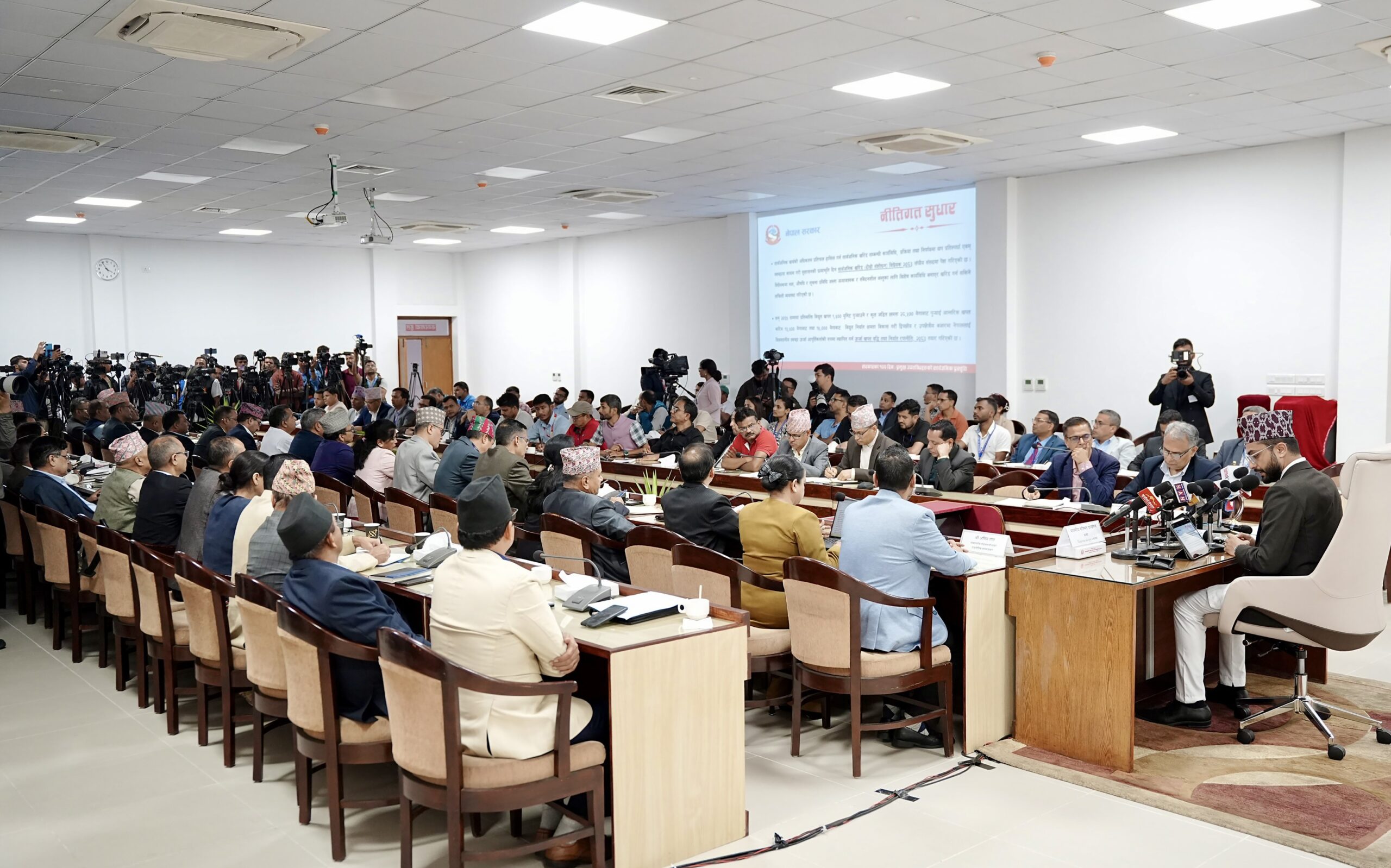
This has been stated in details unveiled on Saturday by the government, incorporating its major accomplishments during its 100 days at the Office.
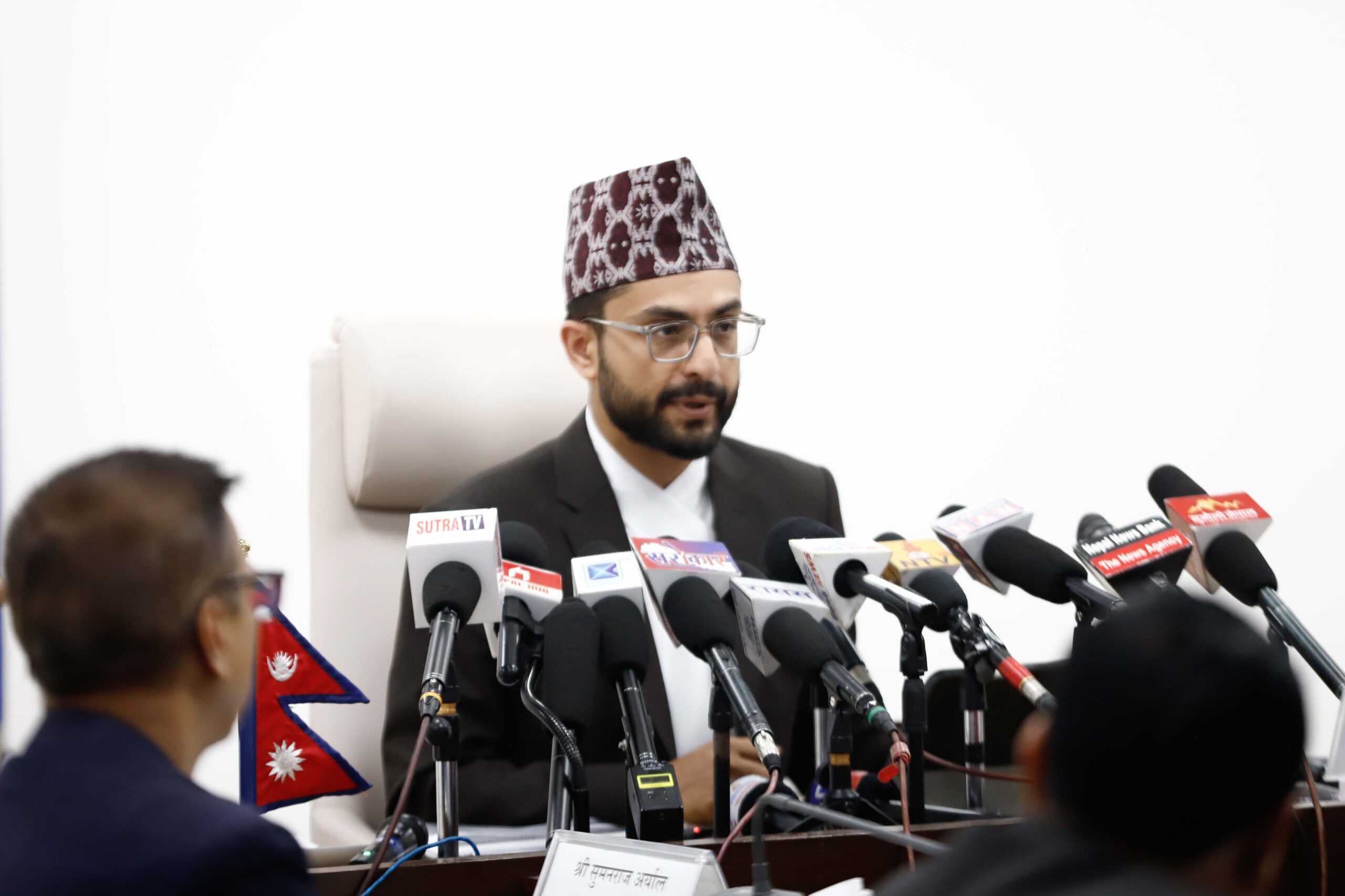
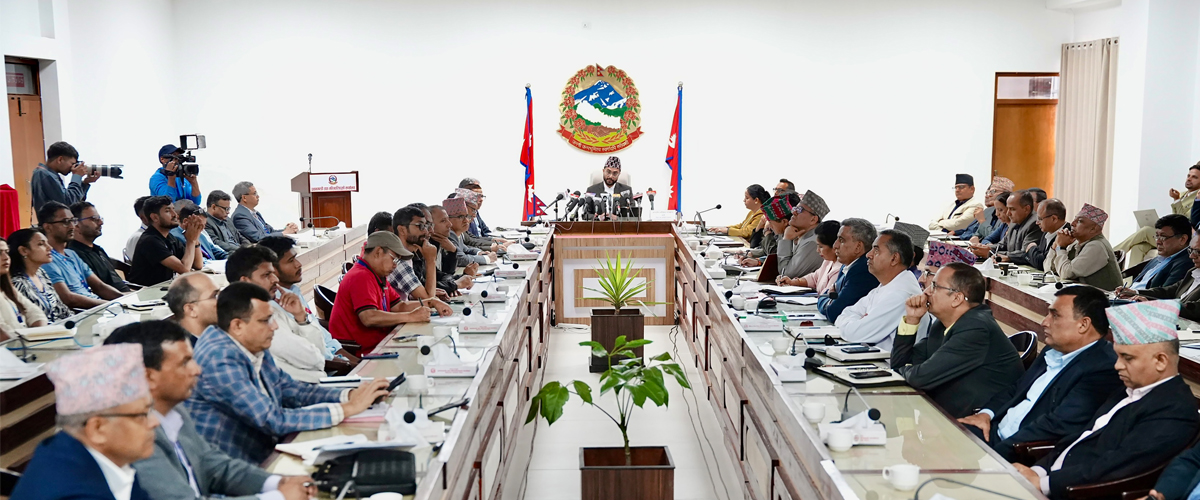
The accomplishments of the government led by senior leader of Rastriya Swatantra Party (RSP) were unveiled by government Spokesperson Sasmit Pokhrel at a programme held at the Office of the Prime Minister and Council of Ministers.
According to the government, a procedure has been prepared regarding the formation of the Gen Z Welfare Council.
During the given time, the allocation of monthly allowance for 513 Gen Z injured have been continued.
On the basis of gravity of cases, those with severe injuries have been receiving Rs 18,000 per month, those with serious injuries Rs 9,000 per month, and those with moderate injures Rs 4,000 per month.
The government’s accomplishment report presented by the government Spokesperson states that works are at progress to update incident registration system from the local level where the person resides, and arrangements are in place to issue national identity cards based on the citizenship obtained in the mother’s name.
In the case of dual citizenship, services have been launched allowing the update of the National ID Cards from the District Administration Offices.
Achievements made under Home Administration
The details shared by Minister Pokharel states that work is currently underway to update the system so that vital incidents can be registered from the local level where the person is currently residing, arrangements have been made to issue national identity cards even in cases of citizenship acquired through the mother’s citizenship, and in cases of dual citizenship, the service has been operated so that national identity cards can be updated from the District Administration Office itself.
Similarly, the Immigration Department has initiated online tracking of service delivery through electronic time cards, and a budget of Rs. 92.3 million has been allocated to all district administration offices to purchase disaster search and rescue equipment to minimize loss of life and property due to disasters.
It is mentioned that a Disaster Command Post/Situation Room has been established and operated at the National Disaster Risk Reduction and Management Authority, continuous discussions have been held with the private sector and that commitments have been received from those organizations to provide assistance in disaster response as per prior understanding.
The disaster portal has been updated with geographical mapping of helipads across the country.
The details states that model house plans have been approved and implemented to facilitate earthquake reconstruction, and that preliminary and detailed studies on landslides in 150 vulnerable settlements and structures have been conducted based on applications received from the provinces and various local levels, and a report has been recommended and sent to the concerned bodies.
During this period, the Ministry of Home Affairs’ Grant Distribution Procedure, 2026, the Procedure for Selecting the Best Treatment and Rehabilitation Centers for Awarding, 2026, and the Integrity Monitoring Standards of the National Disaster Risk Reduction and Management Authority, 2026, have been approved and implemented.
Similarly, the Disaster Incident Rescue and Search Mock Practice Procedures, 2026; the Standards for Search and Rescue Team Formation and Operation, 2025; Preparedness, Pre-action and Early Response Action Plan for Extreme Heat or Heat Wave and Drought, 2026; the Monsoon Preparedness and Response National Action Plan, 2026; the Forecast-Based Pre-action National Action Framework, 2026; and the Disaster-Affected Private Housing Strengthening, Reconstruction and Rehabilitation Grants (Second Amendment) Procedures, 2026 have been issued.
To expedite the process of land acquisition, compensation determination, and compensation review, a blueprint for a ‘fast track mechanism’ has been prepared and sent to the district administration offices for implementation.
The information technology network operating under the Ministry of Home Affairs and its subordinate bodies has been expanded in the seven newly established area administration offices and arrangements have been made to operate citizenship services through an electronic system by implementing the Citizenship Information Management System.
The ‘Hello Home Call Center’ has been launched under the Ministry of Home Affairs with the aim of receiving public complaints through various means to promote good governance.
A 24-hour complaint handling and resolution cell has been established in Nepal Police and hotline number 1113 has been brought into operation.
NCC Bill tabled in Parliament
The National Cadet Corps Bill, 2026, has been submitted to the Federal Parliament to replace the existing National Cadet Corps, 1970, so that students studying in schools can be trained to instill a sense of patriotism, public service, and national unity, making them moral and disciplined, and deploying them as volunteers in national service as needed.
The details states that the Military Service (Sixth Amendment) Regulations, 2026 have been approved to further systematize the recruitment, selection, training, studies, and promotions of the Nepali Army, to provide certain service facilities after assessing those injured, mutilated, or injured in the course of duty in past conflicts, and to provide additional facilities for those who have died in a chance accident while deployed in peacekeeping forces, or who have become disabled and unable to work in military service due to mutilation.