Kathmandu
Sunday, July 5, 2026





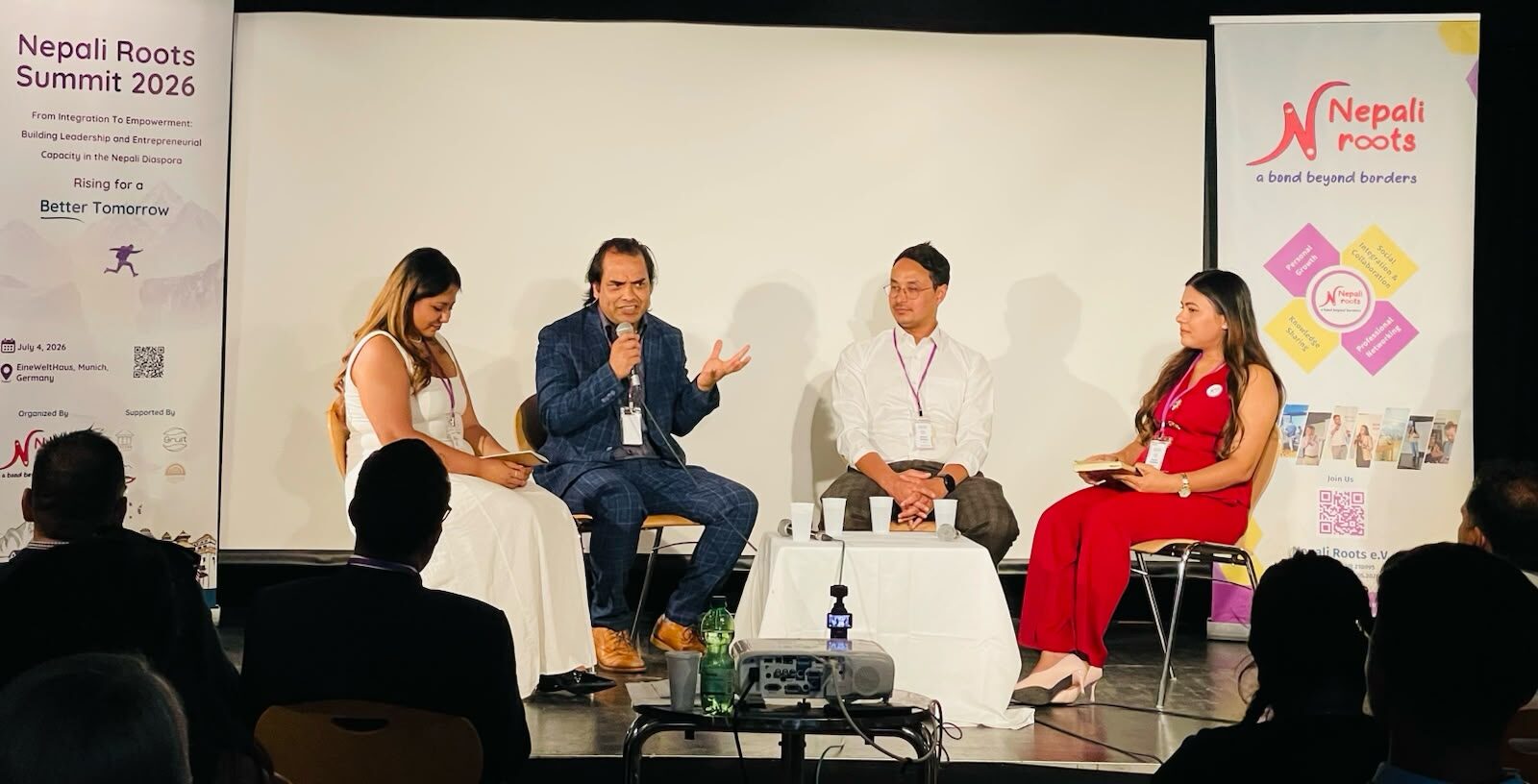
MUNICH: The second ‘Nepali Roots Summit 2026’ has concluded in Munich, Germany.
The event was organized by Nepali Roots with the objective of building a strong network among Nepali entrepreneurs, researchers, students, and community leaders based in Germany and across Europe, and utilizing the knowledge, skills, and experience of the Nepali diaspora through this network.
Nepali Roots is an organization established to connect professionals, students, and entrepreneurs of Nepali origin from various sectors in Germany and Europe.
The organization has been regularly organizing various programs engaging the Nepali diaspora.
President Kritan Gautam shared that the organization has been working to make knowledge exchange, professional collaboration, and relations with Nepal more meaningful.
The Nepali Roots Summit brought together 96 Nepalis from various cities across Germany onto a single platform.
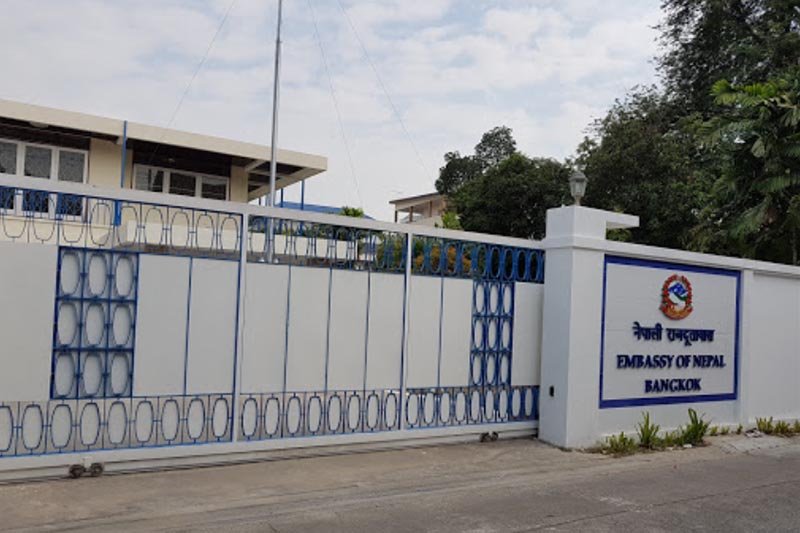
Speaking at the event, the Acting Ambassador of Nepal to Germany, Sagar Prasad Phuyal, noted that Nepali Roots is an important organization serving as a common platform for the Nepali diaspora.
He mentioned that the government’s priority is shifting from traditional diplomacy toward economic diplomacy, and emphasized the need to utilize the diaspora’s knowledge, skills, and networks in sectors such as tourism, trade, industry, energy, IT, commerce, and innovation.
The President of the Non-Resident Nepali Association (NRNA) Germany, Lok Mani Dhakal, stated that close collaboration between Nepali Roots and NRNA is necessary.
He mentioned that NRNA wishes to learn from organizations like Nepali Roots to understand the needs of the younger generation.
Welcoming the participants, Jitendra Kasaudhan, Secretary of Nepali Roots, also inaugurated the Nepali Roots Journal.
He pointed out that as the global Nepali diaspora is now reaching leadership roles in various fields, building a strong network among them is the need of the hour.
The summit featured discussions on contemporary topics such as leadership, entrepreneurship, innovation, artificial intelligence (AI), clean energy, and diaspora leadership.
Experts from various fields shared their experiences and perspectives, emphasizing the need for strong professional networks, mentorship, and collaboration to transform individual success into collective impact.
During the event, participants discussed possibilities for new collaborations and had the opportunity to exchange experiences with Nepalis from various sectors.
They also noted that the Government of Nepal should prioritize policy initiatives to connect the diaspora with Nepal, such as remote voting, Non-Resident Nepali (NRN) citizenship, and the proper mobilization of diaspora funds.
The organizers expressed their commitment to continuing such programs in the future, aiming to connect Nepalis worldwide and expand meaningful cooperation with Nepal.