Kathmandu
Wednesday, July 8, 2026





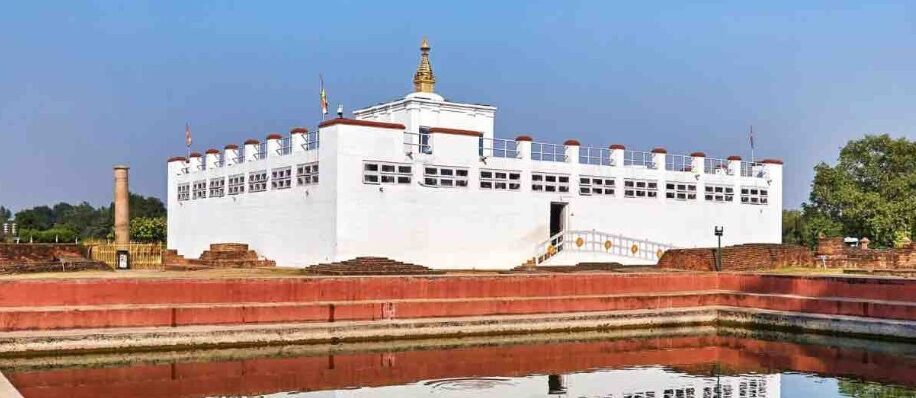
LUMBINI: Despite drawing over 1.5 million domestic and foreign visitors annually, Lumbini, the birthplace of Gautam Buddha and a UNESCO World Heritage site, is failing to generate expected economic benefits due to exceptionally short tourist visits.
Most travelers, particularly religious tourists from India, return within a few hours after visiting the Mayadevi Temple, limiting the historic site to a brief stopover rather than an overnight destination.
Tourism experts warn that this trend deprives the local economy of significant revenue in the hospitality, transport, handicrafts, and cultural sectors.
To reverse this, stakeholders emphasize the need to transition Lumbini from a mere sightseeing spot into a holistic experiential destination. They suggest creating a unified tourism circuit connecting Lumbini with nearby historical, cultural, and rural attractions.
Lilamani Sharma, President of the Lumbini Hotel Association, underscored Lumbini’s status as Nepal’s premier international tourism brand.
He argued that regional marketing strategies for nearby cities like Butwal and Bhairahawa should be integrated under the single umbrella of the “Lumbini” brand to maximize international appeal and aid the operations of Gautam Buddha International Airport.
Adding a broader perspective, Dayanidhi Sharma, Campus Chief of the Lumbini Buddhist University Central Campus, stated that Lumbini should evolve beyond a pilgrimage site into a global hub for studying Buddhist philosophy, peace, and human civilization. He noted that merging education, meditation, and culture with tourism would elevate its international significance.
The private sector has seen substantial investments in four- and five-star hotels and resorts in recent years. However, these investments are yielding low returns due to the lack of overnight guests. Consequently, local business operators argue that the current priority should pivot from building more hotels to creating activities that encourage tourists to stay for one or two nights.
To address this, local businesses have initiated direct collaborations with travel and tour operators in Indian cities like Varanasi, Bodh Gaya, Delhi, and Lucknow. Joint efforts such as the Lumbini-Varanasi B2B Travel Mart and familiarization trips aim to establish a shared market for religious and cultural tourism.
Gyanin Rai, Member-Secretary of the Lumbini Development Trust, stressed that coordinated efforts among the government, private sector, and international partners are essential to building a world-class destination. Experts conclude that true success lies not just in increasing visitor numbers, but in implementing a ‘Greater Lumbini’ concept that links Tilaurakot, Devdaha, Ramgram, and local cultural villages into a single network, ensuring long-term economic prosperity.