Kathmandu
Friday, July 17, 2026





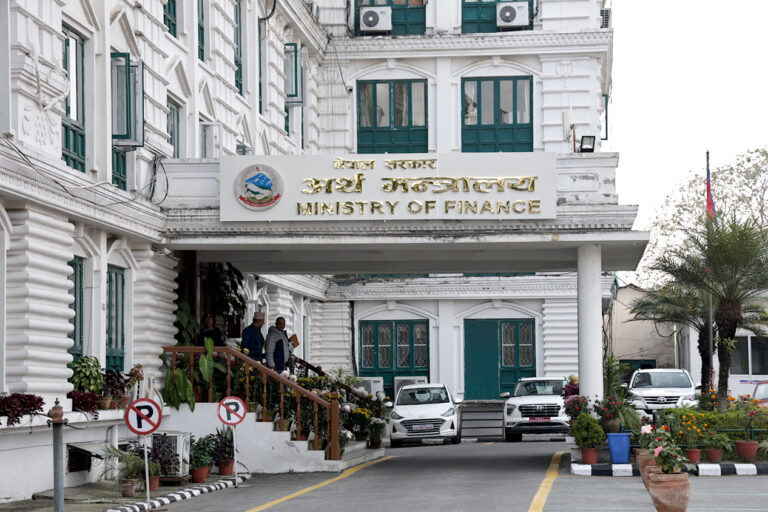
KATHMANDU: A major economic shift begins today as Nepal officially enters the new fiscal year 2026/27, activating a comprehensive overhaul of the country’s tax structures, public salaries, and monetary policies.
Designed to simplify the tax system and stimulate the private sector, the newly implemented budget introduces substantial relief for individual taxpayers by doubling the entry-level 1% income tax bracket threshold to Rs 1 million and slashing the maximum personal income tax rate from 39% down to 29%.
Concurrently, government employees will see a 21% salary increase starting today.
On the industrial front, import procedures are streamlined as customs duty tiers are consolidated from 11 down to 7, lowering raw material costs for 273 industrial items and removing excise duties altogether on 360 products.
Households consuming more than 50 units of electricity will now face a 5% VAT, while private healthcare and educational services are subject to a new 3% equity fee.
Additionally, a 5% service fee has been added to ride-sharing applications, a 0.5% skill promotion fee is now levied on gold and silver jewelry purchases, and a unified Green Tax is officially active.
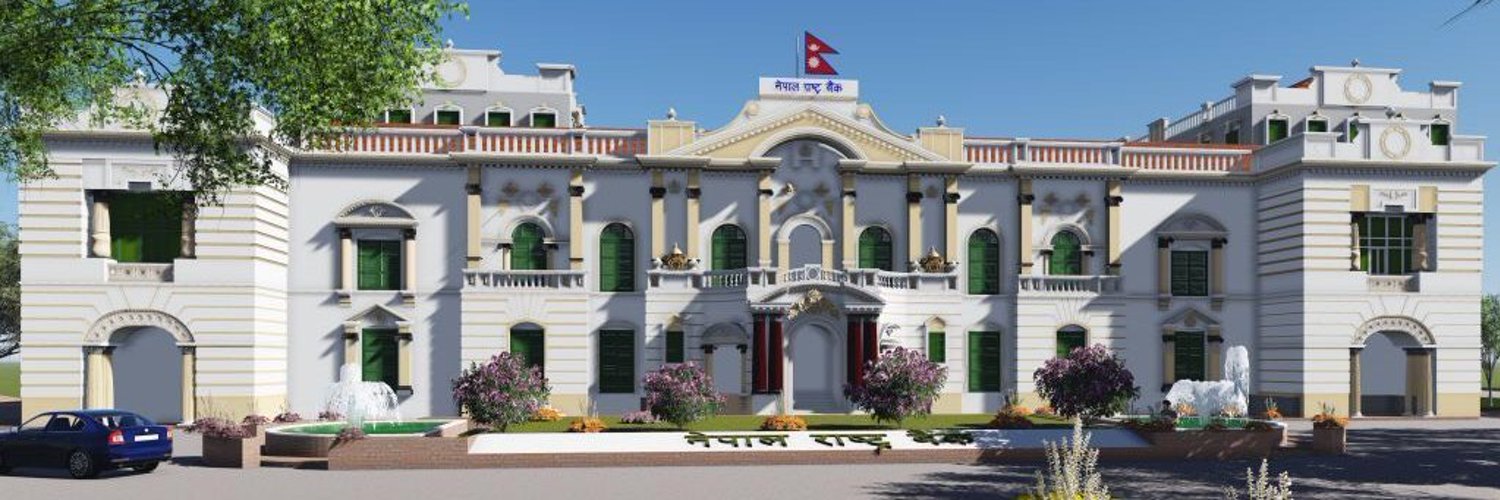
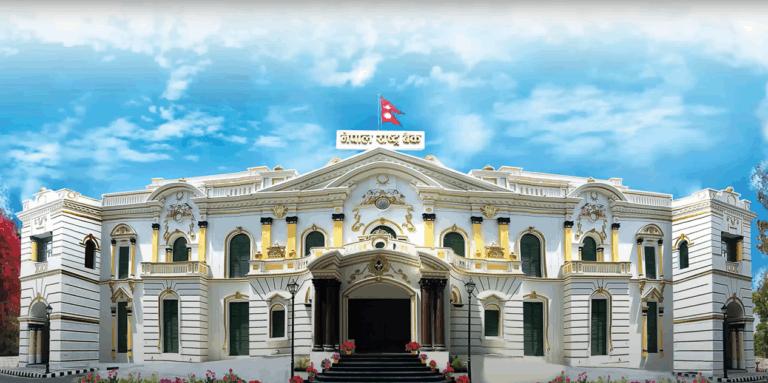
To manage these shifts, Nepal Rastra Bank’s newly implemented monetary policy targets keeping inflation under 5.5% while supporting an 11% expansion in private sector credit.