Kathmandu
Tuesday, July 21, 2026





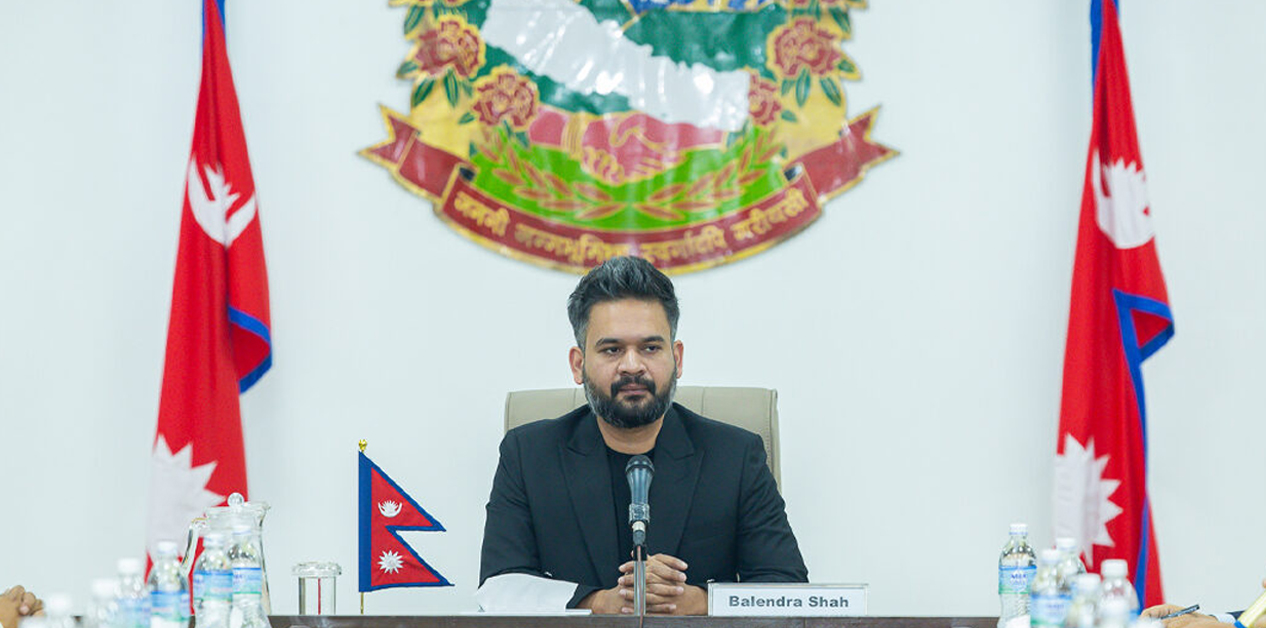
KATHMANDU: In response to widespread public concern, Prime Minister Balendra (Balen) Shah announced the suspension of the newly introduced 3% Education Equity Fee and Health Equity Fee on Tuesday.
The decision was made following consultations with Finance Minister Swarnim Wagle to prevent financial strain and disappointment among the public.
Explaining the rationale behind the suspension, Prime Minister Shah emphasized that his administration remains a public-centric government built on trust and citizen expectations.
He clarified that the initial objective of the 3% equity tax was to generate financial resources to support quality healthcare and education in remote regions, assist marginalized and impoverished children, expand national health insurance coverage, and broaden the tax base.
However, the Prime Minister noted that strong public feedback prompted the government to re-evaluate the policy, highlighting a willingness to listen and adapt policies to serve the citizens’ best interests.
“Our commitment to building an equitable society remains firm and clear. All government decisions are—and will continue to be—centered on public welfare,” Prime Minister Shah stated. “If citizens express dissatisfaction with any decision, the government will always remain ready to reform and modify it.”
To ensure that underprivileged and impoverished citizens still receive access to quality services, the Prime Minister reaffirmed the government’s commitment to strictly enforcing existing welfare policies.
He assured that a 10% quota for free services in private hospitals, as well as a 10% scholarship seat reservation in private colleges and universities, will be implemented in a transparent and just manner.