Kathmandu
Tuesday, July 21, 2026






KATHMANDU: The government, in the budget for the upcoming fiscal year 2026/27 has set a target of achieving a seven percent economic growth rate and maintaining inflation within the limit of six percent.
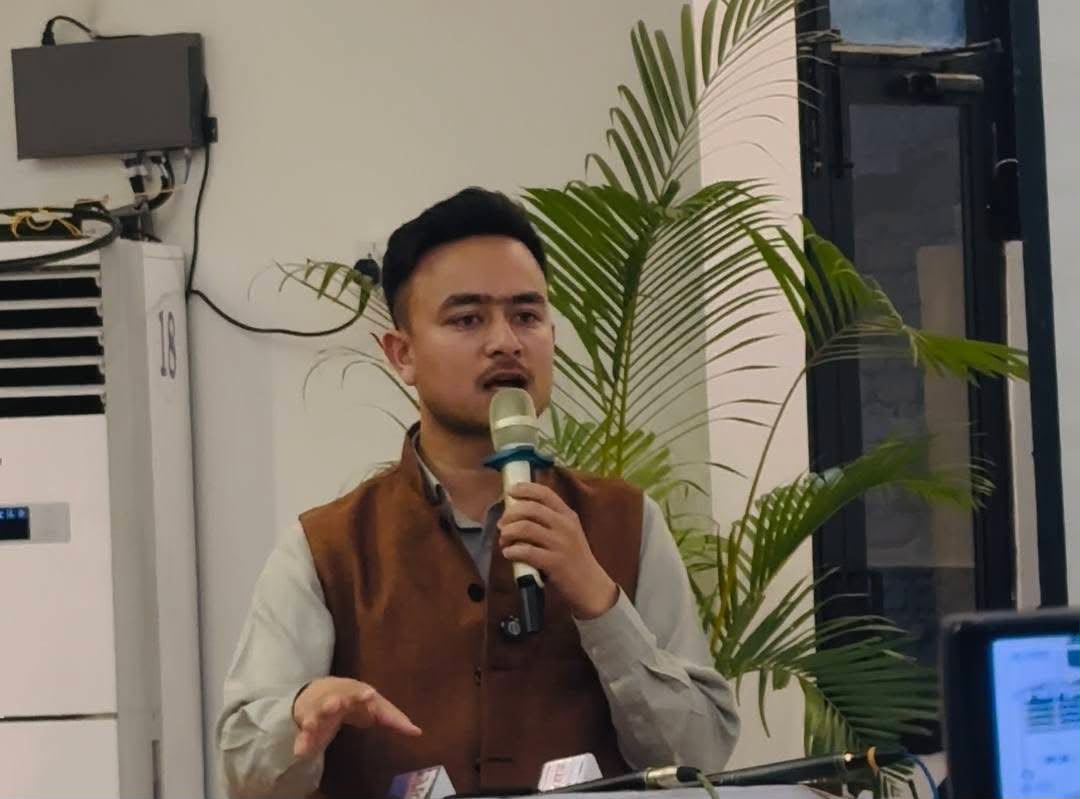
Presenting the budget in the Federal Parliament today, Finance Minister Dr. Swarnim Wagle stated that economic transformation, structural reform, and restoring the confidence of the private sector have been placed at the center of the budget.
Portraying the presented budget as a document of new vision and resolve for state governance, Finance Minister Wagle stated that it lays down a clear roadmap for economic transformation and marks the starting point for implementing political commitments made to the citizens.
The Finance Minister said that the budget for the upcoming fiscal year prioritizes good governance, productive employment, expansion of the middle class, a competitive economy, and building the foundation for a dignified life.
Through the budget, the government has signaled an effort to redefine the role of the state as an institution that creates opportunities, taking it beyond traditional regulatory and controlling boundaries.
He informed the House that energy, agriculture, forestry, industry, tourism, information technology, and human capital have been integrated into the budget as the key sectors with potential for economic prosperity in the coming decade, aiming to initiate a new phase of structural reforms in these areas.
Similarly, presenting the private sector as a major partner in economic activity, the budget statement notes that a foundation has been prepared to build an investment-friendly environment, promote entrepreneurship, and kickstart an innovation-based economic cycle.
Finance Minister Wagle expressed a commitment to make the public service delivery system technology-friendly, accountable, and result-oriented, adding that stability will be established in governance and the administrative machinery will be made answerable.
Regarding revenue management, the government stated that the tax system has been made simple, equitable, and production-oriented.
Alongside this, a policy to develop a result-oriented spending system while adopting austerity in public expenditure has been incorporated into the budget.