Kathmandu
Wednesday, June 24, 2026






KATHMANDU: Nepal News presents today’s snapshot of Nepal’s economic activities. Get quick updates on major market movements, policy shifts, and financial developments shaping the economy of Nepal. Here are the key economic highlights for today:
Nepal Imports 10,845 EVs Worth Rs 25.55 Billion in 11 Months
Nepal imported 10,845 electric vehicles (EVs) worth Rs 25.55 billion in the first 11 months of the current fiscal year, according to the Department of Customs. Imports included EVs with capacities ranging from 50 kW to 201 kW. Among them, 3,680 EVs with a capacity of up to 50 kW, valued at Rs 5.65 billion, were imported. Likewise, 6,357 EVs in the 51–100 kW category worth Rs 16.5 billion entered the country during the review period. The figures highlight the growing demand for electric mobility in Nepal.
NEPSE Extends Losing Streak as Market Falls for Third Consecutive Day
The Nepal Stock Exchange (NEPSE) continued its downward trend on Wednesday, closing lower for the third straight trading session. The benchmark index fell by 14.45 points, or 0.54%, to settle at 2660.02 points, following sharper losses earlier in the week. Despite volatility, daily turnover rose slightly to Rs 4.41 billion, with over 10.77 million shares traded in 72,917 transactions across 338 companies. Market breadth remained negative, with 202 declines against 62 advances. Only Finance and Trading sectors posted gains, while most others ended in losses. Hydropower stocks and mutual funds were among the major losers, while some hydropower firms hit the upper circuit.
Losing Candidates Spend Nearly Three Times More Than Winners in HoR Elections: Report
The Election Observation Committee (EOC) Nepal has released a study on campaign spending in the House of Representatives elections held on March 4, revealing that losing candidates spent far more than winners. The study, based on 144 candidates across 10 constituencies, found that winners spent an average of Rs 8.8 million, while runners-up spent Rs 28.3 million—almost three times higher. The report also shows average spending exceeded the legal limit of Rs 2.5–3.3 million by 118 percent. About 67 percent of total expenditure was incurred by defeated candidates. It highlights rising use of digital and informal campaign channels and recommends stronger monitoring, disclosure rules, and banking reforms.
Malaysia Tops Destination for Nepali Migrant Workers Again
Malaysia has once again become the leading destination for Nepali migrant workers, according to the Department of Foreign Employment (DoFE). Recent data shows it topped labor permit approvals over the past four months, with 12,601 workers in February/March, 18,649 in March/April, 17,252 in April/May, and 14,192 in May/June. Officials say geopolitical tensions in West Asia and Malaysia’s revised labor policies have contributed to the shift, boosting demand in manufacturing and construction sectors. Experts also cite better wages, overtime benefits, insurance, and working conditions. In May/June alone, 61,072 Nepalis received foreign employment permits, with Malaysia, the UAE, Qatar, and Saudi Arabia as top destinations.
Paddy Plantation Reaches 10% Nationwide as Monsoon Delays Slow Progress
Paddy plantation has been completed across about 1.37 billion square meters (137,000 hectares) of land in Nepal, covering roughly 10 percent of total cultivation for the season, according to the Department of Agriculture. This reflects a slight 0.4 percent increase compared to the same period last year. Normally, rice transplantation covers about 13.81 billion square meters (1,381,000 hectares) nationwide. Karnali Province leads with 22.8 percent progress, while Bagmati has the lowest at 2.3 percent. Madhesh Province has reached around 5 percent. Officials said delayed monsoon rains, irregular weather, and fertilizer shortages have slowed plantation, while advisory services are being provided to support farmers.
WFP, LCIF and Partners Expand Home-Grown School Feeding Program in Nepal
The United Nations World Food Program (WFP), Lions Clubs International Foundation (LCIF), and World Food Program USA have announced a strategic partnership to expand home-grown school feeding in Nepal. The initiative builds on a 2025 pilot that reached around 70,000 children and linked schools with local farmers, improving nutrition and learning outcomes. The expanded 2026–2027 phase includes a USD 500,000 joint investment to strengthen locally sourced school meals, improve kitchen safety, and support decentralized delivery through local governments. The program aims to create stable markets for farmers while enhancing child nutrition, attendance, and sustainable food systems nationwide.
Traffic Fines Generate Over Rs 1.72 Million in Revenue Across Kathmandu Valley
Traffic police fined 2,550 vehicles across the Kathmandu Valley in the past 24 hours, collecting over Rs 1.72 million in penalties. According to the Kathmandu Valley Traffic Police Office, violations included 102 drunk-driving cases, 142 illegal ride-sharing incidents, 140 traffic signal breaches, and 207 over-speeding offences. Authorities also recorded 56 lane-discipline violations and 108 cases of unnecessary honking. Additionally, 14 vehicles were penalized for excessive smoke emissions and 35 for operating without proper inspection. Another 1,746 drivers and riders faced action for various other traffic offences.
CNI Submits Suggestions for Monetary Policy, Urges Steps to Revive Economy
The Confederation of Nepalese Industries (CNI) has submitted its recommendations for the monetary policy of fiscal year 2026/27 to Nepal Rastra Bank (NRB). CNI President Virendra Raj Pandey handed over the proposals to Governor Prof. Dr. Bishwambher Nath Poudel, calling for policies to revive sluggish domestic economic activity despite stable external indicators. CNI has suggested reforms including reducing directed lending limits, sector-based working capital rules, modernized interest rate mechanisms, extended loan classification deadlines, startup credit facilities, and a strengthened monetary policy committee. Governor Poudel said the upcoming policy will prioritize interest rate stability, financial stability, and stronger coordination with the private sector.
Lalitpur Metropolitan City Presents Rs 7.48 Billion Budget for FY 2026/27
Lalitpur Metropolitan City has unveiled a budget of Rs 7.48 billion for the fiscal year 2026/27 during its 9th Municipal Assembly. Mayor Chiri Babu Maharjan presented the budget, which slightly increases from Rs 7.47 billion allocated in the current fiscal year. The new budget allocates Rs 3.25 billion for recurrent expenditure, reflecting a 9 percent rise, while Rs 4.23 billion has been set aside for capital development, marking a 6 percent decrease compared to the previous year. Officials say the spending plan balances operational costs with infrastructure and development priorities for the metropolis.
Biratnagar Metropolis Presents Rs 3.56 Billion Budget for FY 2026/27 Amid Spending Concerns
Biratnagar Metropolitan City has presented an estimated budget of Rs 3.56 billion for the fiscal year 2026/27, despite criticism over weak budget implementation in the current fiscal year. Deputy Mayor Shilpa Nirala Karki presented the budget during a municipal assembly meeting. The city expects revenue from federal and provincial grants, revenue sharing, and internal sources, with the highest allocation of Rs 1.60 billion for infrastructure development. Administrative spending and social development also receive significant shares. The metropolis acknowledged spending only 44.76% of its current budget, highlighting implementation challenges, while introducing incentives for women-led businesses.
Production-Based Milk Subsidies Support Dairy Farmers in Kawasoti
Kawasoti Municipality has distributed Rs. 2.8 million in production-based subsidies to dairy farmers this fiscal year to boost milk production. The support, provided through five local cooperatives, was based on 1.54 million liters of milk collected from farmers. Although the municipality initially planned a Rs. 2-per-liter subsidy, the rate was slightly adjusted due to higher-than-expected production. Officials say the scheme has helped reduce production costs and encouraged farmers to increase output. For the upcoming fiscal year, the municipality has allocated Rs. 5.4 million for production-based subsidies covering milk and fish farming.
RBB Defers Decision on Looted Gold Until Board Formation
Rastriya Banijya Bank (RBB) has said a final decision on compensation for gold looted from its New Baneshwor branch during last year’s Gen Z protest will be made once its Board of Directors is fully formed. The bank has urged affected gold-loan borrowers to suspend protests until mid-July. About 18 kg of pledged gold was stolen during the September 2025 unrest. While RBB previously decided to compensate victims based on the gold’s market value on the date of the incident, borrowers continue to demand the return of physical gold equivalent to the amount they had deposited.
Gold, Silver Prices Decline in Domestic Market
Gold and silver prices fell in Nepal’s domestic market on Wednesday. According to the Federation of Nepal Gold and Silver Dealers’ Association, gold dropped by Rs 3,600 per tola to Rs 283,500, down from Rs 287,100 on Tuesday. Silver also declined by Rs 105 per tola and is being traded at Rs 4,485, compared to Rs 4,590 a day earlier. In the international market, gold was trading at USD 4,064 per ounce, while silver stood at USD 61 per ounce.
Businesses Must Respect Human Rights, Says Supreme Court Justice Fuyal
Supreme Court Justice Hari Prasad Fuyal has stressed that all businesses must operate in a way that respects and promotes human rights. Speaking at a National Human Rights Commission (NHRC) programme, he said enterprises must take responsibility for any human rights risks arising from their activities. He emphasized strong regulation, fair monitoring, and access to justice for affected communities. Justice Fuyal noted that development should not be measured only by economic growth, but also by human dignity, environmental protection, and social justice. He added that sustainable development requires balancing investment and production with workers’ rights and community welfare, ensuring economic progress aligns with human rights principles.
Protected Areas Attract 60% of Nepal’s Foreign Tourists, Generate Rs 1.05 Billion
Government data shows that around 60 percent of foreign tourists visiting Nepal travel to protected areas, with national parks, wildlife reserves, and conservation areas serving as major attractions. According to the Department of National Parks and Wildlife Conservation, 1,097,836 domestic and international visitors explored these areas in fiscal year 2024/25. Of them, 511,762 were foreign tourists and 586,074 were Nepali citizens, generating Rs 1.052 billion in revenue from entry fees. Shivapuri-Nagarjun National Park recorded the highest visits, followed by Annapurna Conservation Area and Chitwan National Park, while Api Nampa Conservation Area had the lowest footfall. Protected zones cover 23.39% of Nepal’s land area.
Birgunj Metropolis Presents Rs 4.42 Billion Budget for FY 2026/27
Birgunj Metropolitan City has presented an estimated budget of Rs 4.42 billion for the fiscal year 2026/27 at its 20th Municipal Assembly. The budget, presented by executive member Jagat Sah Kanu on behalf of Acting Mayor Imtiyaz Alam, prioritizes education, healthcare, sanitation, agriculture, tourism, industry, infrastructure, and technology. Of the total allocation, Rs 2.40 billion is set for current expenditure, Rs 1.96 billion for capital expenditure, and Rs 50 million for financial management. The budget will be financed through federal and provincial transfers, internal revenue, revenue sharing, and other sources.
Nepalgunj Sub-Metropolitan City Unveils Rs 1.76 Billion Budget for FY 2026/27
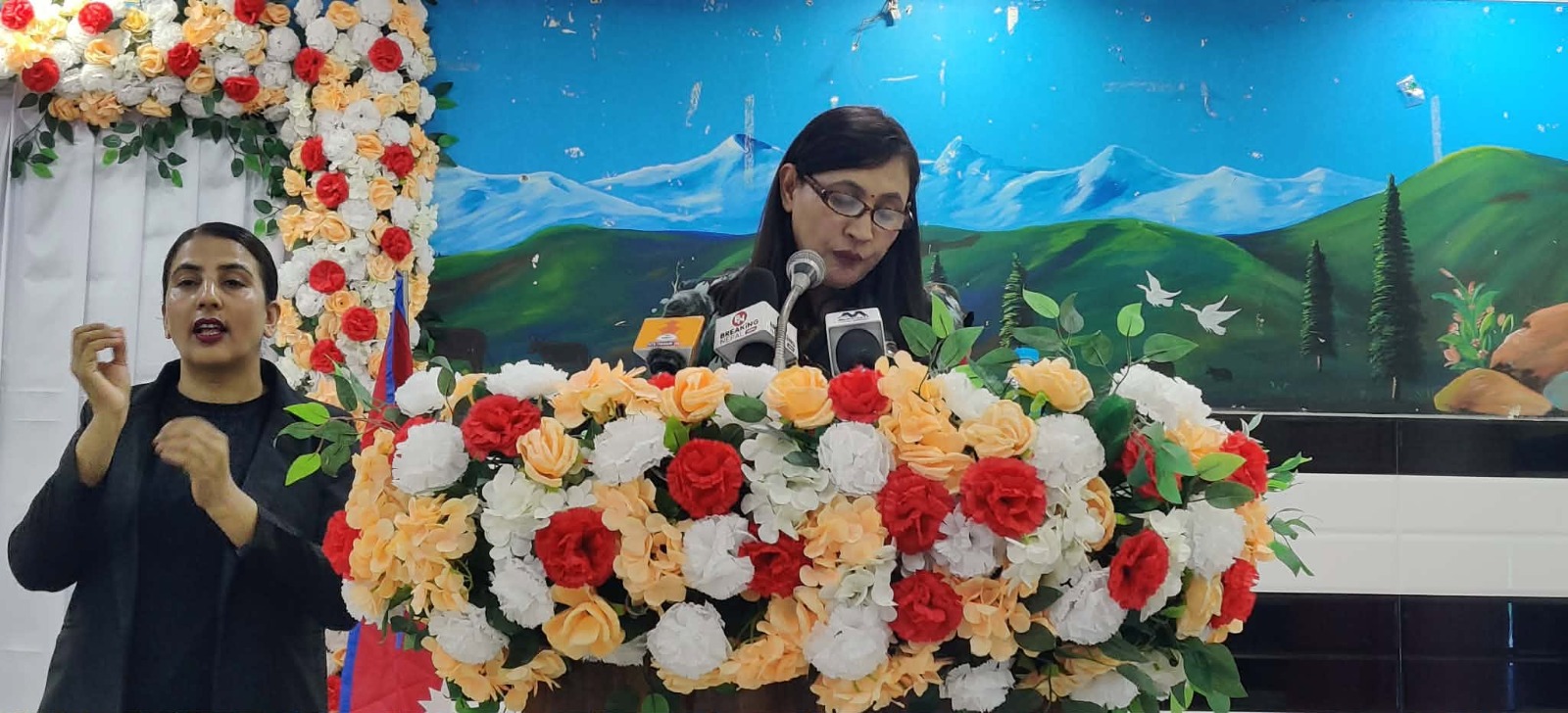
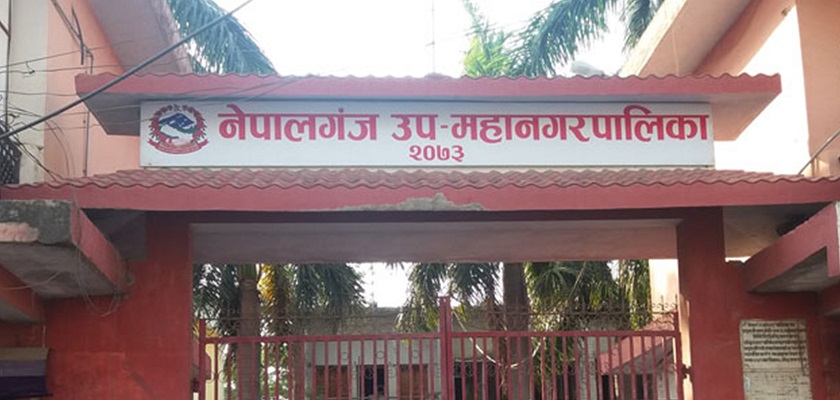
Nepalgunj Sub-Metropolitan City has presented an estimated budget of Rs 1.76 billion along with its policies and programs for the fiscal year 2026/27. The budget was presented by Mayor Prashant Bista during the 19th municipal assembly session. The city aims to develop into a technology-friendly, inclusive, and accountable local body through this financial plan. The budget will be financed through federal conditional grants, fiscal equalization, internal revenue, revenue sharing, land registration fees, provincial support, and local taxes. Officials say the plan is designed to strengthen infrastructure and improve public service delivery in the sub-metropolitan city.
Concrete Bridge Over Karnali River Eases Travel Between Kailali and Bardiya
The completion of a 752-meter concrete bridge over the Karnali River, connecting Tikapur Municipality in Kailali and Geruwa Rural Municipality in Bardiya, has significantly eased travel for local residents. Built at a cost of Rs 1.18 billion, including road and river training works, the bridge eliminates the need for boat crossings and daily fares. Locals say commuting has become safer, cheaper, and more convenient, strengthening trade and market access between the two districts. The newly blacktopped connecting roads have further improved mobility. The bridge is also expected to boost tourism, with scenic views of the Karnali River and nearby attractions like Tikapur Park and a community forest view tower.
Fuel Tanker Goes Missing in Biratnagar, Later Found in Sunsari with Petrol Missing
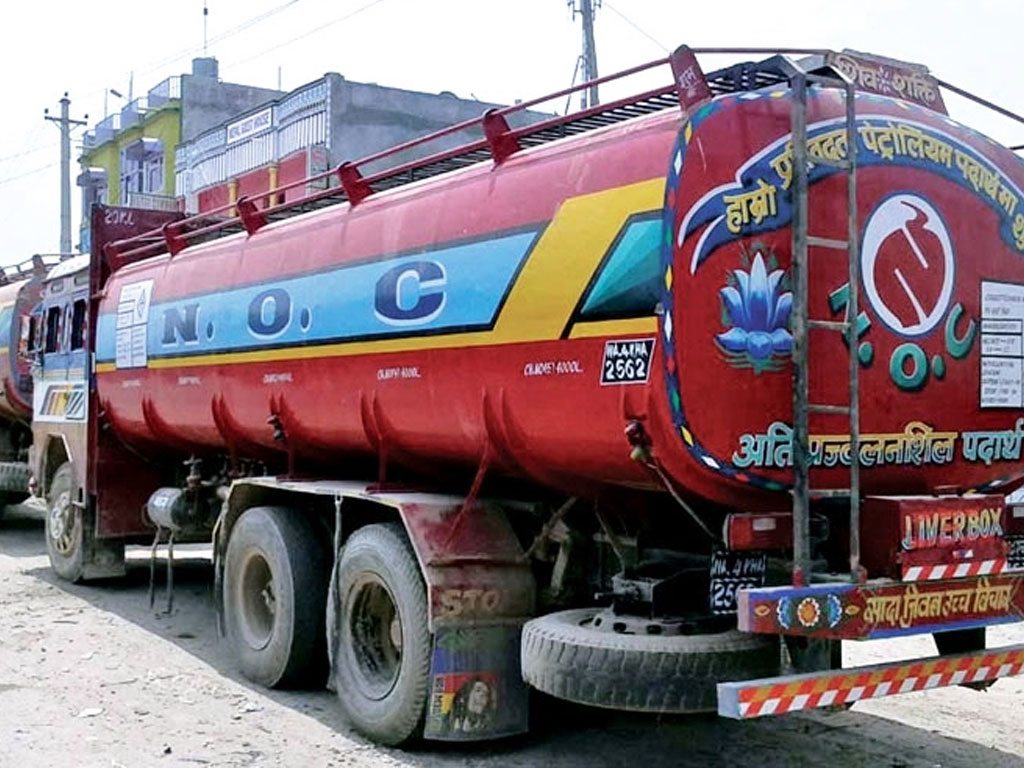
A fuel tanker carrying 20,000 liters of petrol for Nepal Oil Corporation’s Koshi Provincial Office in Biratnagar went missing from a parking lot on June 22 and was later found abandoned in Sunsari. The tanker, loaded from Indian Oil Corporation’s Siliguri depot, had been parked at Kanchanbari before disappearing early morning, with CCTV showing it leaving at 3:03 AM. Police later recovered the vehicle in Bhokraha Rural Municipality along the Hulaki Highway, about 17 km away, with broken locks. An inspection found 973 liters of petrol missing, while the remaining fuel was intact and transferred back to storage. Authorities are investigating the incident.
Bhat-Bhateni Chuchepati Branch Reopens After 10 Months
The Chuchepati branch of Bhat-Bhateni Supermarket in Kathmandu has resumed operations 10 months after it was set on fire during last year’s Gen Z protests. The store reopened on Wednesday, drawing a large number of customers purchasing daily essentials and other goods. Following reconstruction, the supermarket has been upgraded with modern facilities and improved service arrangements. Management says the revamped outlet is designed to offer a more convenient and enhanced shopping experience for local consumers, with better organization and amenities to meet rising customer demand in the area.
![Ministers and party leaders join dancing and singing inside convention hall ahead of election [Photo Feature]](https://english.nepalnews.com/wp-content/uploads/2026/06/Rasopa-general-convention-day-4-Nepal-photo-library-12.jpg)