Kathmandu
Friday, June 26, 2026






KATHMANDU: Nepal News presents today’s snapshot of Nepal’s economic activities. Get quick updates on major market movements, policy shifts, and financial developments shaping the economy of Nepal. Here are the key economic highlights for today:
NEPSE Gains 8.78 Points as Market Sees Moderate Turnover
The NEPSE index rose 8.78 points or 0.32 percent to close at 2,712.86 on Tuesday, while the Sensitive Index gained 1.26 points to 462.32. A total of 7,734,012 shares of 335 companies were traded through 62,025 transactions, generating a turnover of Rs 3.439 billion. Share prices of 162 companies increased, 90 declined, and 16 remained unchanged. Among sectors, 7 advanced and 6 fell. Hydropower led gains with 1.02 percent, followed by manufacturing and banking, while microfinance, finance, and trading sectors recorded slight declines.
Government Implements 15-Day Salary Payment System for Public Employees
The government has launched a historic reform in the payroll system, transitioning to semi-monthly salary and allowance payments for all federal civil servants and security personnel. Following a successful pilot project at the Ministry of Finance, the Financial Comptroller General Office directed all District Treasury and Controller Offices yesterday (May 4) to implement this new arrangement. Instead of waiting until the end of the month, employees will now receive their payments every 15 days. This policy change aims to provide better liquidity for government workers and marks a significant shift in the traditional administrative financial procedures governing the national workforce.
Mandatory Insurance for Public Infrastructure Introduced via New Ordinance
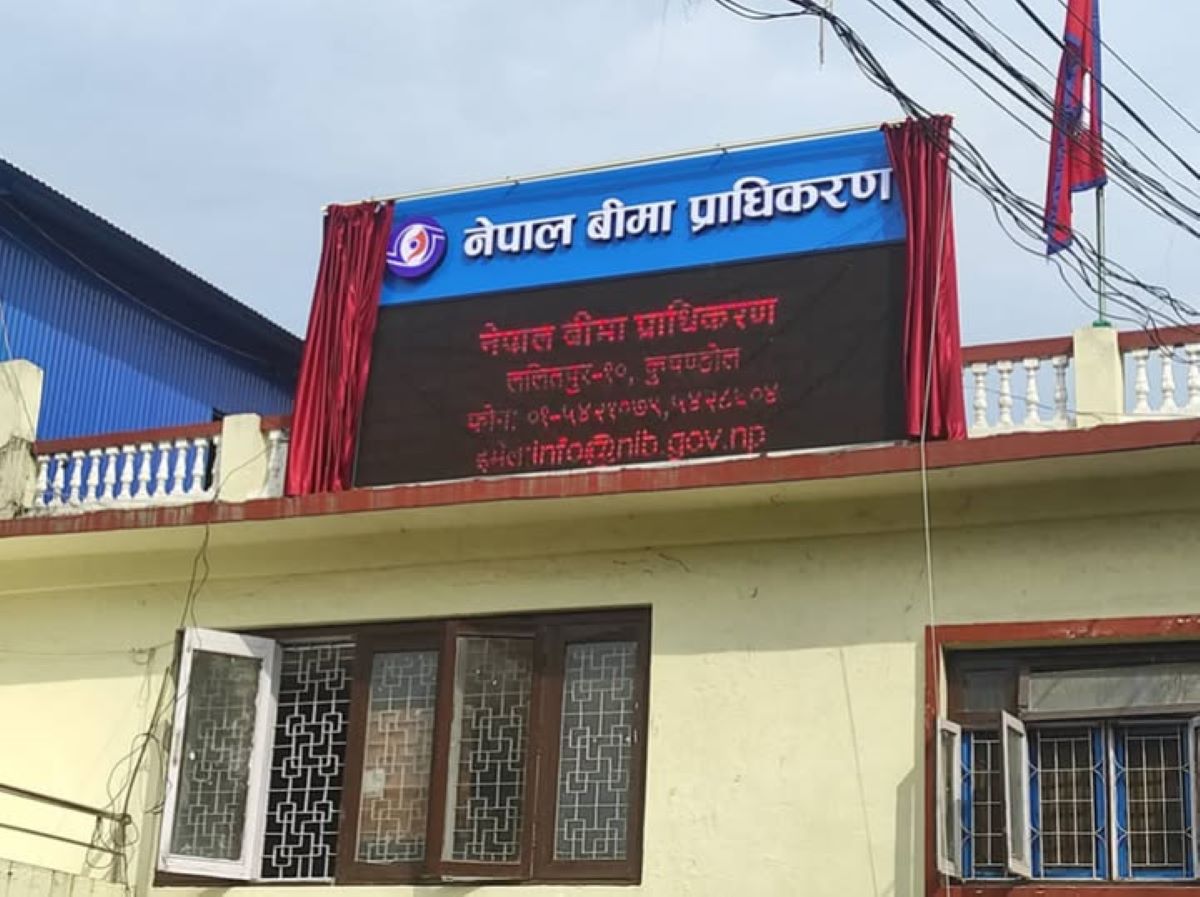
The government has amended the Insurance Act through an ordinance to mandate insurance for all public infrastructure projects. Under this new provision, the specific requirements for public infrastructure insurance will be determined by set regulations. Additionally, the Board of Directors of the Nepal Insurance Authority has been expanded from five to six members to include a technical Joint Secretary from the Ministry of Physical Infrastructure and Transport. This appointee joins existing board members from the Ministry of Finance and the Ministry of Law. To accommodate this change, ‘engineering’ has been added to the professional qualifications required for the Authority’s Chairperson or members.
Government to Initiate Deposit Refunds for Troubled Cooperative Members
The Troubled Cooperatives Management Committee plans to start returning funds to depositors of failed cooperatives starting mid-May. Current data indicates that approximately 76,000 depositors are owed nearly Rs 46 billion. Small depositors with balances under Rs 500,000, who constitute the majority of claimants, will be prioritized in the first phase. Only 18,000 individuals are classified as large depositors with balances exceeding that threshold. The committee will open a new claim window in mid-July for those who missed previous deadlines. A revolving fund will provide temporary loans if the committee’s internal funds are insufficient.
Government Approves 80,000 Metric Tons of Fertilizer via G2G Deal
The Council of Ministers granted theoretical approval to Krishi Samagri Company Limited to purchase 80,000 metric tons of chemical fertilizer from India through a government-to-government (G2G) agreement. This initial phase includes 60,000 metric tons of Urea and 20,000 metric tons of DAP to mitigate shortages caused by global supply disruptions. While 440,000 metric tons were imported between July 16, 2025, and April 24, 2026, the current stock stands at 166,000 metric tons. Authorities estimate that 250,000 metric tons will be required between May and October for the paddy season. The government allocated Rs 28.821 billion for fertilizer this fiscal year.
Troubled Cooperatives Management Committee Directs Debtors to Settle Overdue Loans
The Office of the Troubled Cooperatives Management Committee has issued a formal notice directing all borrowers of cooperatives declared ‘troubled’ to settle their outstanding debts immediately. Under Section 104 of the Cooperatives Act, 2017, debtors must repay the principal, interest, and any applicable penalties to facilitate the management of assets and the repayment of depositors’ liabilities. The committee also instructed cooperative directors, managers, and guarantors to contact their office promptly. This directive is part of a broader effort to recover funds and resolve the financial obligations of institutions that have failed to meet their commitments to members, ensuring that legal recovery processes are strictly followed.
Ministry of Defense Achieves Over 80% Quarterly Progress
The Ministry of Defense reported exceeding 80 percent progress in its quarterly targets for the current fiscal year. Key infrastructure projects, including the Koshi Corridor, Karnali Road, and Benighat-Arughat-Larkebhanjyang Road, achieved 100 percent physical progress during this period. The Mahakali Corridor reached nearly 83 percent, while the National Chure Conservation Program hit 80 percent. However, the Kathmandu-Terai Fast Track reported 34.4 percent progress, and the National Defense University stood at 35.73 percent. Authorities noted that while overall progress is satisfactory, budget shortages for track opening and inter-ministerial coordination challenges remain significant hurdles for timely completion of large-scale corridor and university projects.
Tourism Department Mandates Permits for Adventure and Recreational Sports
The Department of Tourism has issued a directive requiring all adventure and recreational sport operators to obtain mandatory registration and licenses within 30 days. This regulation covers activities such as bungee jumping, canyoning, skydiving, ziplining, jet skiing, and motorboating. The move aims to bring unauthorized operators under the legal framework of the Tourism Act, 1978, and the Tourism Industry Service Delivery Directive, 2013. Authorities emphasized that these measures are essential to ensure strict adherence to safety standards and address growing public complaints regarding unregulated activities. Companies failing to comply within the specified period will face legal action for operating illicitly.
Annapurna Conservation Area Records Over 250,000 International Visitors in Nine Months
The Annapurna Conservation Area welcomed 251,188 foreign tourists between July 17, 2025, and April 13, 2026. March saw the highest monthly footfall with 65,242 visitors, while July recorded the lowest at 11,824. Among the total arrivals, 151,068 tourists originated from South Asian nations, with Indian visitors forming the largest group. Annual arrivals in this region have steadily increased from 172,108 in 2022/23 to 278,113 in 2024/25. Popular destinations include Annapurna Base Camp, Tilicho Lake, and Thorong La Pass.
Mandatory MRP Enforcement Disrupts Services at Birgunj Customs Office
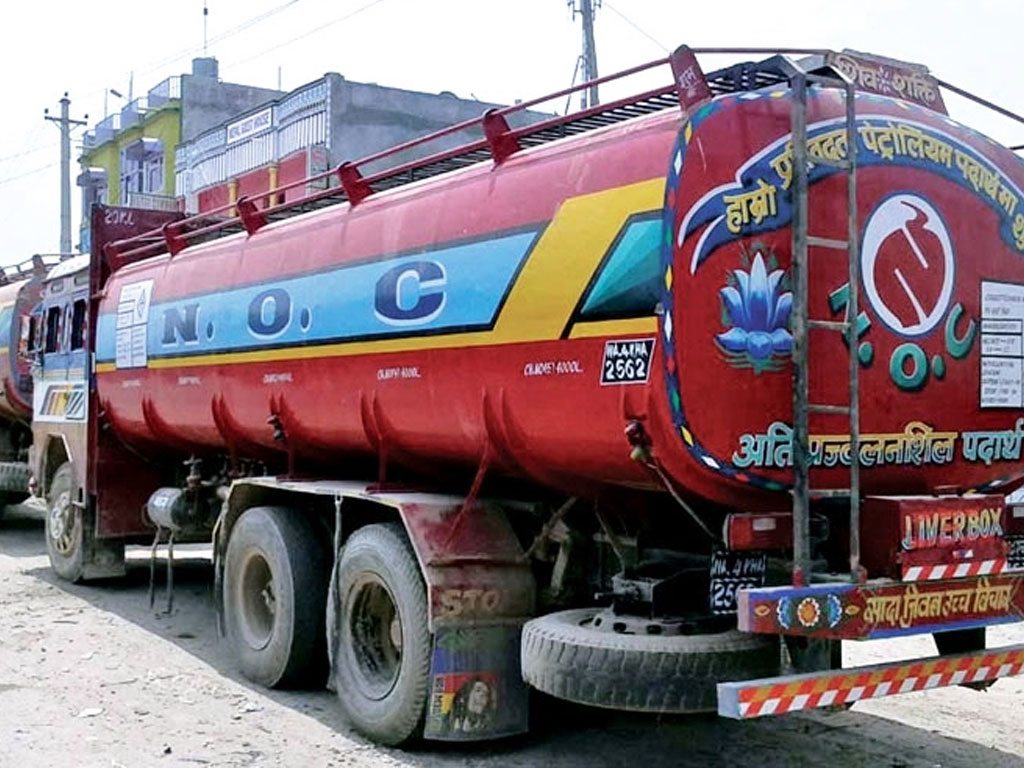
Service delivery at Birgunj Customs, the country’s busiest import gateway, has been severely disrupted for one week. The halt began on April 28, following an attempt to enforce mandatory Maximum Retail Price (MRP) labels on imported goods. Except for petroleum products, industrial raw materials, and perishable items like vegetables and fruits, all customs clearances remain stalled as importers refuse to participate in the declaration process. Consequently, approximately 1,400 cargo vehicles are currently stranded near the Raxaul border. The disruption is causing a daily revenue loss of Rs 500 million to Rs 600 million.
Construction Entrepreneurs Threaten Nationwide Strike Over Economic Crisis
The Federation of Contractors’ Associations of Nepal (FCAN) warned that the construction industry is at a critical breaking point due to low capital expenditure and rising material costs. With only 27 percent of the capital budget spent this year, most of the 32,000 domestic entrepreneurs face severe financial pressure. Fuel and material prices have surged significantly; diesel rose from Rs 139 to Rs 225 per liter, and bitumen increased from Rs 75 to Rs 155 per kilogram since February. Consequently, major projects are stalled under “force majeure” conditions. FCAN demands immediate price adjustments and project extensions, threatening to halt all construction activities and launch protests if policy decisions are not made within one week.
Nagdhunga-Sisnekhola Tunnel Targetted for Late July Opening
The Infrastructure Development Committee directed authorities to ensure the Nagdhunga-Sisnekhola tunnel begins operations by mid-July. Although the project faced four extensions since starting in September 2019, physical progress has reached 99 percent with a total cost of Rs 22 billion. The 2.688-kilometer tunnel features advanced technology, including smart lighting, CCTV monitoring, and an automated ventilation system. Managed by a Chinese joint venture, the tunnel will significantly reduce travel time between Sisnekhola and Balambu to approximately seven minutes. Officials anticipate annual revenue of Rs 350 million from an automated toll system, with sixty percent of local traffic expected to shift to the new route.
Domestic Labor Challenges Drive Thousands Toward Foreign Employment Opportunities
Despite constitutional guarantees to the right to employment, 62,265 Nepalis migrated for foreign work in the past month due to low wages and job instability at home. National statistics reveal a youth unemployment rate of 12.7 percent, with only 37.5 percent of the total labor force participating in the market. Although the government launched the “Shram Sansar” digital platform in 2024 to connect job seekers with employers, only 9 individuals have officially secured placements out of 96,973 applicants. Many workers report frequent job changes and migration plans due to delayed salaries and lack of social security in domestic sectors.
Consistent Rainfall Increases Maize Production Outlook in Udayapur District
Farmers in Udayapur’s Terai and hilly regions are anticipating a significant boost in maize production following consistent rainfall during the typically dry months of March and April. The timely precipitation has facilitated both sowing and weeding across 11,000 hectares of cultivation area. Agricultural experts estimate that if the current favorable weather patterns persist, maize yields could increase by 20 percent this season. The rainfall has provided essential relief to crops planted on dry hillside terraces, which usually struggle with water scarcity during this period. Agricultural authorities noted that the moisture has ensured the healthy development of seedlings across the district.
Fertilizer Shortage Leaves Farmers Empty-Handed Despite Adequate Stock
Farmers in Kanepokhari Rural Municipality, Morang, returned empty-handed after waiting hours in long queues as limited fertilizer supplies ran out during distribution. Only about 45 sacks were distributed at 10 kg per person, leaving hundreds without access during the critical planting season. The shortage reflects a wider national gap, with annual demand at 750,000 metric tons against a supply of 500,000 metric tons. Despite this, significant quantities remain in government warehouses, including buffer stocks that require federal approval for release. In Morang, only 243 of 405 metric tons allocated have been distributed, highlighting a disconnect between supply and ground-level access.
Former Smart Telecom Managing Director Arrested for Fraud and Breach of Trust
The Central Investigation Bureau (CIB) arrested Sarvesh Joshi, the former Managing Director of Smart Telecom, on charges of fraud and criminal breach of trust. Joshi was taken into custody in Khursanitar, Kathmandu, yesterday. The arrest follows the automatic cancellation of Smart Telecom’s license on April 16, 2023, after the company failed to renew it. Subsequently, the Nepal Telecommunications Authority seized the company’s assets and infrastructure under the 2022 Asset Management Regulations. Joshi is accused of dishonestly attempting to divest the government of its rights over these seized properties, leading to the current investigation into financial misconduct.
Businessman Shekhar Golchha Released Following Court Refusal to Extend Detention
Businessman Shekhar Golchha has been released from custody after the Kathmandu District Court refused to extend his remand for further investigation into alleged insurance offenses. His release came shortly after he was re-arrested yesterday regarding the insurance case, immediately following his initial release on a bail of Rs 500,000 for separate securities-related charges. The initial release was executed per a Supreme Court mandamus order. The district court’s decision to deny additional investigative time led to his freedom. Golchha had been under scrutiny for various financial irregularities, but the lack of judicial approval for continued detention ended his police custody.
New Leadership Election Concludes for FNCCI
The voting process for the new leadership of the Federation of Nepalese Chambers of Commerce and Industry (FNCCI) has concluded at the Nepal Academy. Following the 60th Annual General Meeting held in Lalitpur on May 4, businessmen contested for four vice-presidential positions and various central committee seats. The election featured intense competition between two primary panels: one led by current President Chandra Prasad Dhakal and the other by Senior Vice President Anjan Kumar Shrestha. Shrestha is set to automatically assume the presidency following this general assembly. The election marks a significant transition in the leadership structure of the country’s apex private sector body.
Today Marks Final Opportunity for Yambaling Hydropower IPO Applications
Today is the final deadline for the general public to apply for the initial public offering (IPO) issued by Yambaling Hydropower Company. The company received permission to issue 2.8 million shares, representing 40 percent of its Rs 700 million issued capital. While 700,000 shares were previously allocated to local residents and 210,000 to Nepalis in foreign employment, 1.743 million shares are now available for the general public. Investors can apply for a minimum of 10 units and a maximum of 21,000 units. Muktinath Capital serves as the sales manager.
Kalanga Hydro Limited to Launch Public IPO for General Investors
Kalanga Hydro Limited is set to issue its initial public offering (IPO) for general investors following the completion of share allocations for local residents and Nepalis working abroad. The company was authorized to issue 4.9 million shares, representing 35 percent of its Rs 1.04 billion issued capital. While 1.04 million shares were distributed to locals and 350,000 to migrants, 2.8 million shares worth Rs 287 million are now earmarked for the public. The application window opens on May 22 and closes on May 27. Sanima Capital is managing the issue, which allows for minimum applications of 10 units.
Gold, Silver Prices Drop Today
Prices of gold and silver have declined in the market today. According to the Federation of Nepal Gold and Silver Dealers’ Association, the price of gold has fallen by Rs 3,800 per tola (11.66 grams), bringing it down to Rs 291,000 per tola. On Monday, gold was traded at Rs 294,800 per tola. Similarly, silver prices have also decreased. Silver has dropped by Rs 150 per tola and is currently being traded at Rs 4,880 per tola. On Monday, silver was priced at Rs 5,030 per tola.