Kathmandu
Thursday, July 23, 2026





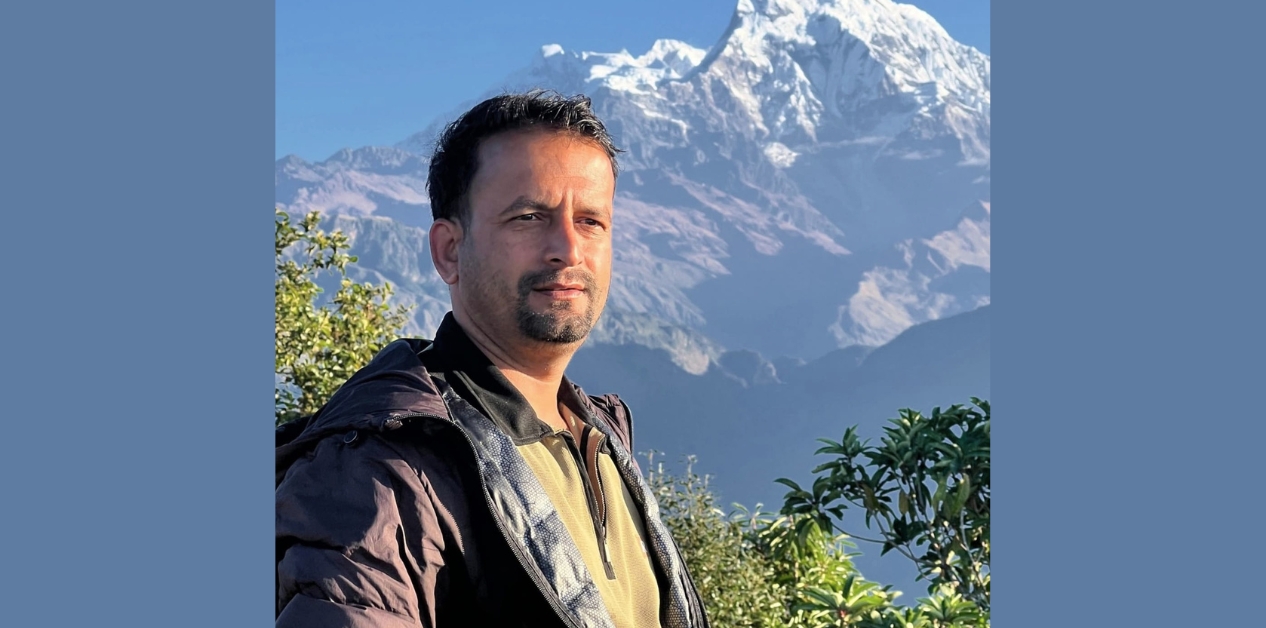
KATHMANDU: Every monsoon, floods and landslides leave thousands across the country displaced, turning homes into ruins and survival into uncertainty. In moments like these, one song often echoes through radio broadcasts and television screens: Chari Laija Samachar, Hami Bhayau Begharbar, which is a haunting folk refrain about losing one’s home to disaster.
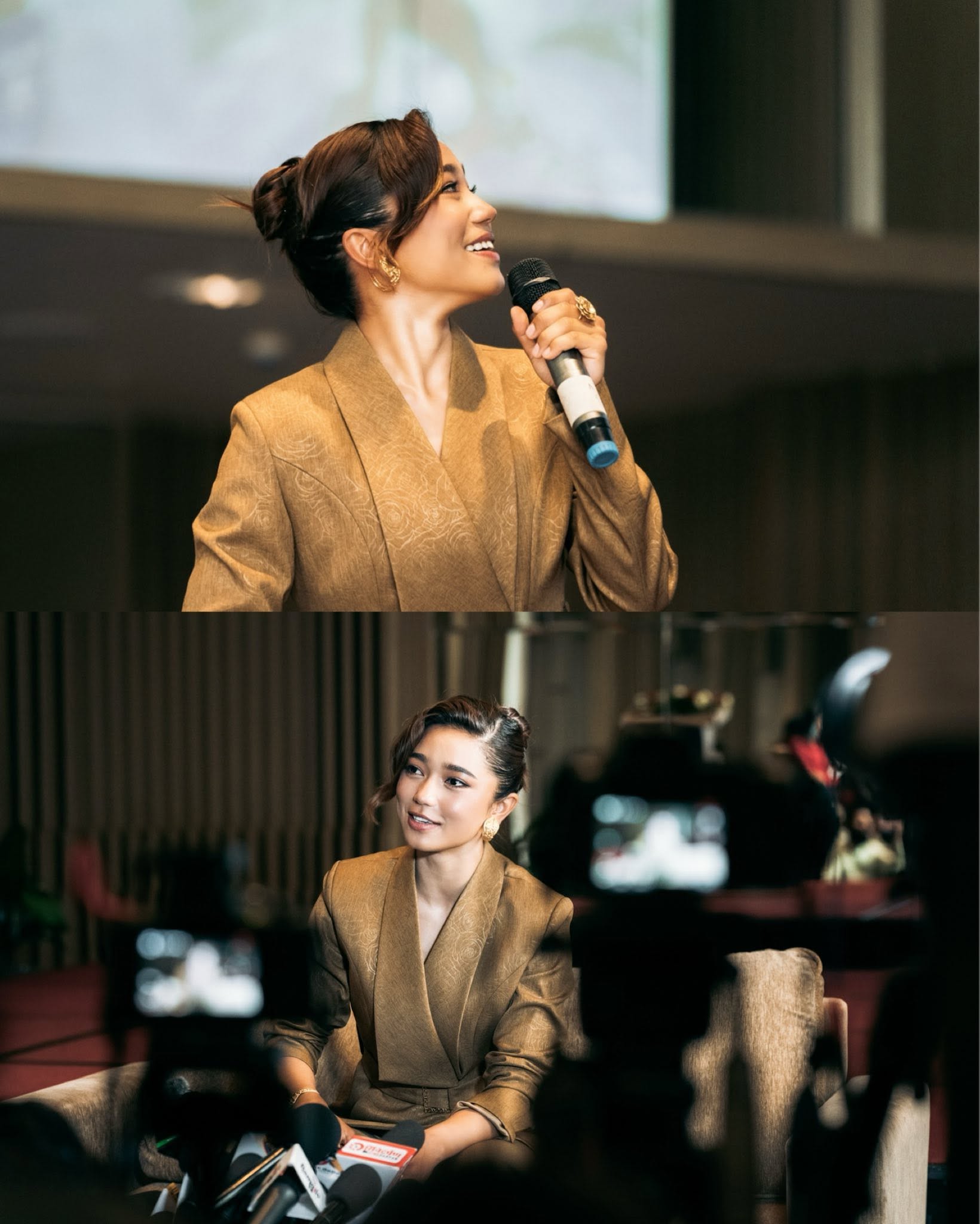
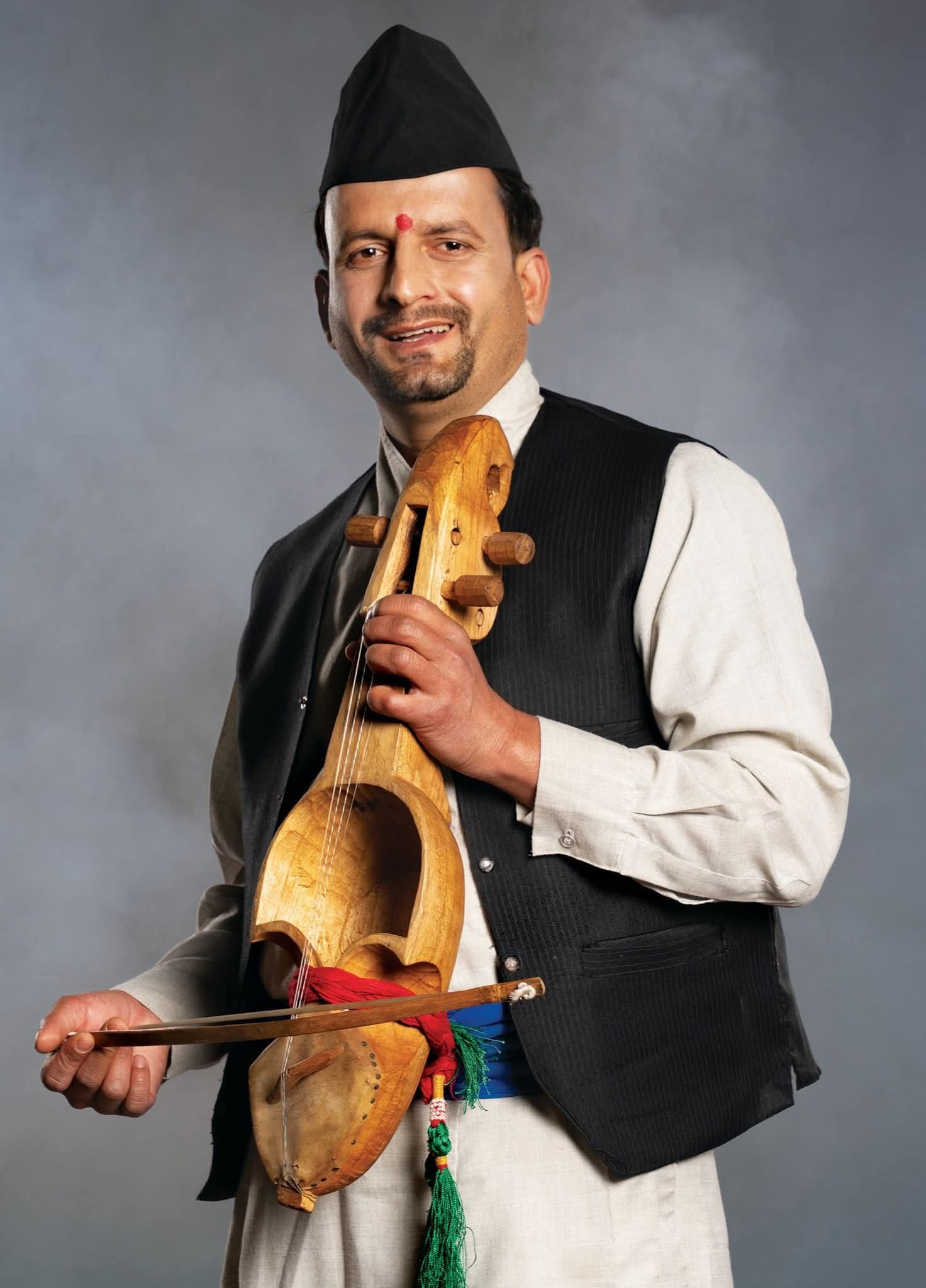
Singer Anjan Babu belongs to a generation of artists who continue to use folk music to reflect social realities. His songs blend contemporary issues with traditional melodies, giving voice to communities living through hardship and displacement.
Most recently, Anjan released Uthibas (Displacement), a song centered on the struggles of landless settlers uprooted by state actions. Believing music should serve as a tool for awareness and social transformation, he is also actively involved as coordinator of the Susela Group.
In this conversation with Nepal News, Anjan Babu speaks through seven questions about music, displacement, and the responsibility of artists in times of crisis.
What is the one memory that returns to you most often when you think of childhood?
Whenever childhood comes to mind, it is the memories of Dashain and Tihar that return most vividly. During Dashain, my father would travel either toward the Himalayan region or nearby towns to buy mountain goats. From our home, we could spot him from two or four kilometers away, slowly making his way down the road with the goats. Excited, we children would rush out to the roadside, take hold of the ropes, and help bring them home.
Those arrivals carried the true feeling of a festival. Soon after, the kitchen would fill with the aroma of meat dishes prepared for the celebration. In those days, one waited all year for Dashain to enjoy meat to the heart’s content, making the festival feel even more special and unforgettable.
Is there a song that instantly comes to mind whenever you remember your early years?
At that time, on the regional broadcast of Radio Nepal, Lok Bahadur Chhetri’s song Aama Rudai Gaunbesi Melaima, Chhoro Rudai Gorakhpur Railiaima used to play a lot. Probably because it played a lot and the subject matter of the song touched me, I liked it quite a lot.
What was the biggest mischief you pulled off as a child?
A guest, who happened to be a grandfather by relation, had come to stay the night at our house. The next day, at the time I was setting out to play, I had heard the guest saying, “I will return today.” Upon returning home, I saw the guest’s shoes right outside. After that, I said to my mother in a loud voice, “That old man who came yesterday left his shoes right here.” However, that guest happened to be right inside the house. Saying I disrespected the guest, my mother struck me two slaps right in front of him.
Is there a childhood song that still remains close to your heart? What was the first song you ever performed in public as a child?
It played a lot on the radio and probably falls in the choice of many like me, Lekka Hami Ketaketi Kuhiro Bhitra School Chha. Later, we friends joined together and made some songs ourselves too, which have not been recorded.
Kulamaithi Khet, Dhan Phulchha/Phuldaina, Bhokai Rahyo Pet sung by Rishi Adhikari. When studying in grade 8/9, I had sung it on Friday in the school’s extracurricular program.
What was the first place you traveled to far from your village?
It was Kushma, the district headquarters of Parbat. My uncle owned a hotel in the Kushma market, and I reached it by walking for miles alongside my uncles. At that time, vehicles did not run there at all, as the road was only just being built.
When you think of childhood friends, is there one friend or moment that still stands out vividly?
That would be Dandapani Sharma, who even adopted the literary pen name ‘Aafanta.’ We were born in the same year and were classmates who studied together. We used to go out into the woods together to collect forage and firewood. Eager to please our families, we would quickly fill our Doko wicker baskets and head back home. Because we were so young, we couldn’t actually distinguish between the different types of grass and vegetation; we would routinely stuff our baskets with random bushes that cattle wouldn’t even touch. Seeing our clumsy “cleverness,” our parents would get a little frustrated with us, but they also found it quite amusing.
What is one dream from your childhood that still remains unfulfilled?
Back then, I didn’t even know what a musical band actually was. However, since that very time, I used to dream of forming a group of four to five people to play musical instruments, travel to various villages and places, and perform songs together. Today, we do have our very own Susela Band, but we unfortunately have not yet been able to host any programs outside of Kathmandu.