Kathmandu
Friday, July 17, 2026





Two Sherpas shatter their own records on the same morning, as the mountain that broke George Mallory, Rob Hall, and hundreds of others keeps drawing humanity to its deadly, magnificent summit
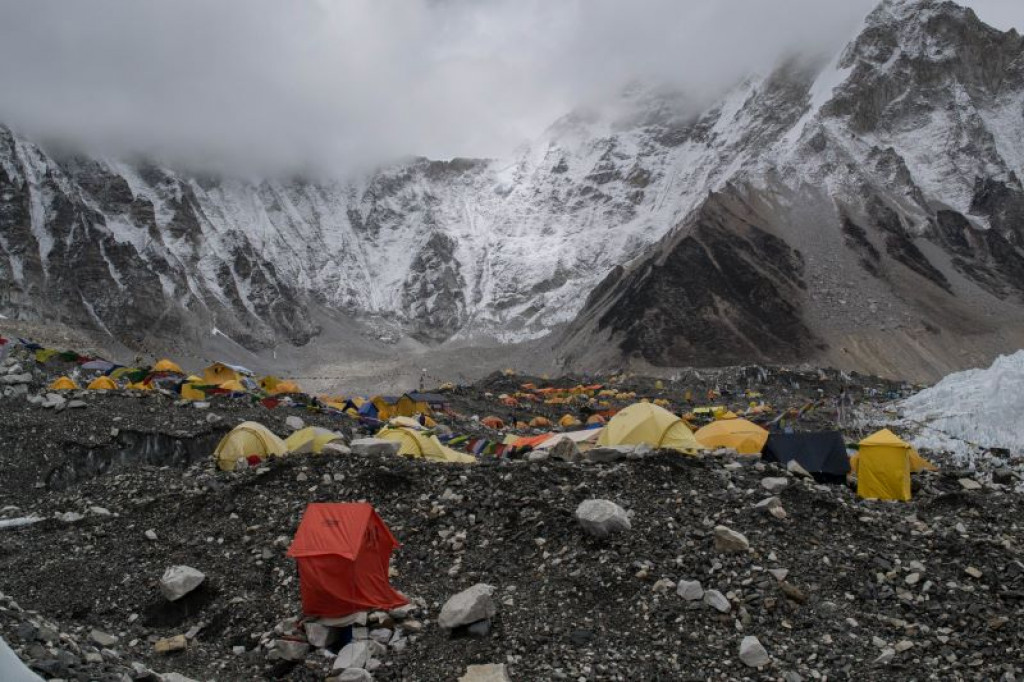
KATHMANDU: Mount Everest stands at 8,848.86 meters above sea level on the Nepal-Tibet border, the highest point on Earth. British surveyors first calculated its elevation in 1852. The first confirmed human summit came on May 29, 1953. Since then, more than 13,700 people have reached the top, and at least 344 have died trying.
The mountain simultaneously represents the pinnacle of human aspiration and a blunt mirror for everything that can go wrong when ambition outpaces judgment.
On May 17, 2026, two Nepali climbers broke their own world records on the same morning, writing the latest chapter in a story that shows no signs of ending.
When was Everest first climbed and how did it happen?
Edmund Hillary of New Zealand and Tenzing Norgay, a Sherpa from the Solukhumbu District of Nepal, reached the summit of Mount Everest at 11:30 in the morning on May 29, 1953. They were part of a large British expedition led by Colonel John Hunt, which included 350 porters, 20 experienced Sherpas, and a vanguard of ten climbers.
The expedition was the ninth attempt by a British team to place someone on the top. Hillary and Tenzing were actually the second pair assigned to make a summit bid. The first pair, Tom Bourdillon and Charles Evans, had climbed to within about 100 meters of the top on May 26 before turning back because their oxygen system was failing and they were running dangerously low on time.
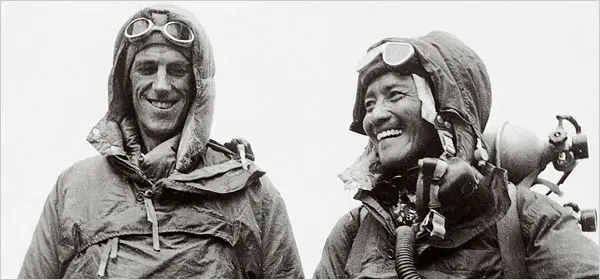
Edmund Hillary (left) and Tenzing Norgay Sherpa (right)
Hillary and Tenzing spent the night of May 28 in a tent pitched at around 8,500 meters. Hillary woke the next morning to find his boots had frozen solid overnight and spent two hours warming them over a stove before they could set off. They moved through challenging terrain, including a nearly vertical rock face that would later bear Hillary’s name as the Hillary Step.
By late morning they were on the summit, standing where no human being had ever stood before. Hillary later described looking around for a higher bump anywhere and finding none. The two men spent roughly 15 minutes on top.
Tenzing, a Buddhist, left an offering of food for the mountain. Hillary took photographs and left a small crucifix that John Hunt had given him. News of the achievement was sent by coded runner to Kathmandu and reached London on the morning of June 2, 1953, the same day as Queen Elizabeth II’s coronation, a coincidence that made the triumph feel almost ordained to the British public.
What happened to Mallory and Irvine in 1924, and could they have reached the summit first?
George Mallory and Andrew “Sandy” Irvine disappeared on June 8, 1924, while making a summit attempt from the north side of Everest in Tibet. They were part of the third British expedition to attempt the mountain.
Mallory was 37, already a celebrated mountaineer and the public face of Britain’s Everest ambitions. Irvine was just 22, an Oxford engineering student with limited high-altitude experience but an exceptional ability to maintain the unreliable oxygen equipment of the era. Mallory chose him specifically for that skill.
The last confirmed sighting of the pair came from expedition geologist Noel Odell, who glimpsed two figures moving upward through a brief break in the cloud cover in the early afternoon, somewhere on the upper ridge.
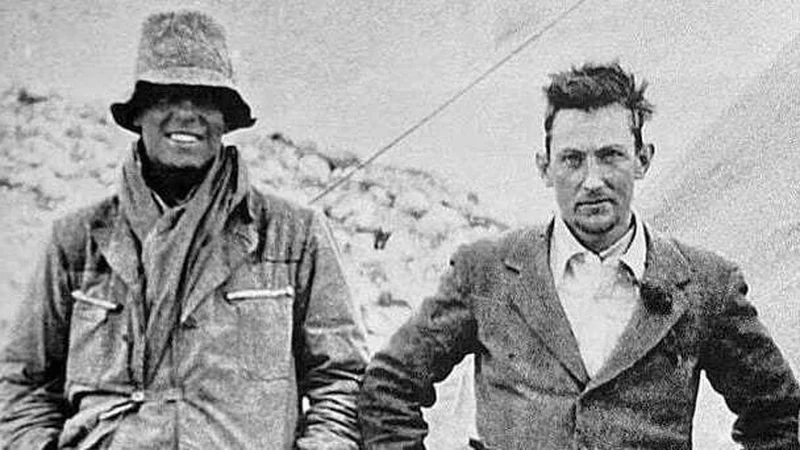
Andrew Irvine, left, and George Mallory went missing in 1924
They were never seen again. Mallory’s body was eventually found in 1999 by a search expedition, preserved in remarkable condition by the cold at an elevation of around 8,156 meters on the North Face. The discovery generated enormous excitement but no definitive answers. The camera that Mallory was carrying, which might have contained photographic proof of a summit visit, was never found. Irvine’s partial remains were located in 2024 by a National Geographic team, but again, no conclusive evidence emerged.
The critical question remains whether they were above or below the technical difficulties on the ridge when Odell spotted them. If they were high enough to have been above the second step, the mathematics suggest they could plausibly have reached the top.
If they were lower, then Hillary and Tenzing would remain the undisputed first. Mallory’s son John captured the philosophical weight of the debate simply: reaching the summit only counts if you also get back down.
What are the most extraordinary solo or oxygen-free feats ever performed on Everest?
The single most transformative achievement after the first ascent was performed on May 8, 1978, when Reinhold Messner of Italy and Peter Habeler of Austria became the first human beings to reach the summit of Everest without using supplementary oxygen. Before that climb, many doctors and physiologists genuinely believed it was impossible.
The human body was thought incapable of functioning at all at that altitude without an artificial oxygen supply. Messner later described the experience in visceral terms, explaining that they could barely think and had to stop and collapse into the snow every ten or fifteen steps to rest before crawling upward again. Their minds were barely functioning. The feat was later described as the mountaineering equivalent of breaking the four-minute mile, a barrier that science said could not fall.
Messner returned in 1980 and did something even more extraordinary: he climbed Everest alone, from the Tibetan side, without supplemental oxygen, taking three days from his base camp at 6,500 meters. Nobody had ever summited Everest solo before. These two accomplishments together reframed the entire conversation about what human endurance was capable of.
Japanese climber Junko Tabei had already made her own historic contribution in 1975, becoming the first woman to reach the summit, doing so as part of an all-female Japanese expedition that overcame an avalanche just twelve days before the summit push that nearly buried the entire team. Swiss mountaineer Bertrand Piccard and French climber Jean-Marc Boivin ski-descended sections of the mountain. Speed records have also been broken repeatedly, with Babu Chiri Sherpa once climbing from base camp to summit in under 17 hours.
What happened during the 1996 disaster and why did it become so famous?
On May 10 and 11, 1996, eight climbers died on Everest in what was then the single deadliest event in the mountain’s history. The disaster involved multiple commercial guided expeditions attempting the summit on the same day.
The two main parties were led by Rob Hall of New Zealand, through his company Adventure Consultants, and Scott Fischer of the United States, through Mountain Madness. Both were highly experienced and well-regarded guides. What unfolded was a confluence of bad luck and flawed judgment that killed some of the most capable people on the mountain.
Fixed ropes had not been placed on the upper sections in advance, causing unexpected delays at the Hillary Step. Turnaround times were not enforced, meaning climbers were still ascending late in the afternoon when they should already have been heading back down.

Mountainers Accending to the Everest. File photo
A severe storm struck with almost no warning. Fischer, who was already ill and dangerously exhausted, died on the descent. Hall stayed with a struggling client named Doug Hansen and refused to leave him. Hansen died, and Hall found himself stranded alone on the South Summit ridge at around 8,700 meters in hurricane-force winds and temperatures that plunged with the windchill to roughly minus 100 degrees Celsius. He remained in radio contact with his pregnant wife Jan Arnold in New Zealand through the night. His last recorded words to her were to please not worry too much. He died on the mountain.
Jon Krakauer, a journalist who survived the disaster, wrote the book “Into Thin Air” the following year, which became a global bestseller and brought the reality and dangers of commercial Everest climbing into millions of living rooms. Beck Weathers, left for dead twice and found barely alive, was eventually rescued by helicopter at a higher altitude than any helicopter had ever landed before that point.
Who holds the record for the most ascents of Everest, and what happened on May 17, 2026?
Kami Rita Sherpa, born in January 1970 in the village of Thame in the Solukhumbu district of Nepal, holds the world record for the most ascents of Mount Everest. On May 17, 2026, he summited for the 32nd time, reaching the top at 10:12 in the morning while leading an expedition organized by 14 Peaks Expedition.
He extended his own record, which he had most recently set on May 27, 2025, when he completed his 31st ascent. Known globally as the “Everest Man,” Kami Rita first climbed the mountain in 1994 and has continued returning almost every year for three decades, earning income as a high-altitude guide for commercial expeditions.
What made May 17, 2026, especially remarkable was that Lhakpa Sherpa, known as the “Mountain Queen,” simultaneously broke her own record by summiting Everest for the 11th time, reaching the top at 9:30 that same morning while guiding a client. Two world records on the same mountain, on the same day, by two Nepali climbers, neither of whom had previously announced a coordinated plan to do so together.
Kami Rita had also indicated publicly that this might be his last Everest climb, given that he is now 56. Nepal’s Prime Minister Balen Shah celebrated the achievements on social media, calling both climbers unsung heroes of the Himalayas and praising their courage, discipline, and dedication. The Department of Tourism confirmed both summits from its field office at Everest Base Camp.
Who is Lhakpa Sherpa and what makes her story unique beyond the records?
Lhakpa Sherpa, born in 1973 in the Makalu region of the Sankhuwasabha district in Nepal, became the first Nepali woman to summit Mount Everest and return safely when she reached the top on May 18, 2000, as part of the Nepali Women Millennium Expedition.
Her qualification is specific and important: a Nepali woman named Pasang Lhamu Sherpa had become the first Nepali woman to reach the summit in 1993 but died during the descent. Lhakpa was the first to complete both the ascent and the return alive. Her 11th summit on May 17, 2026, extended the world record she already held for the most Everest ascents by any woman in history.
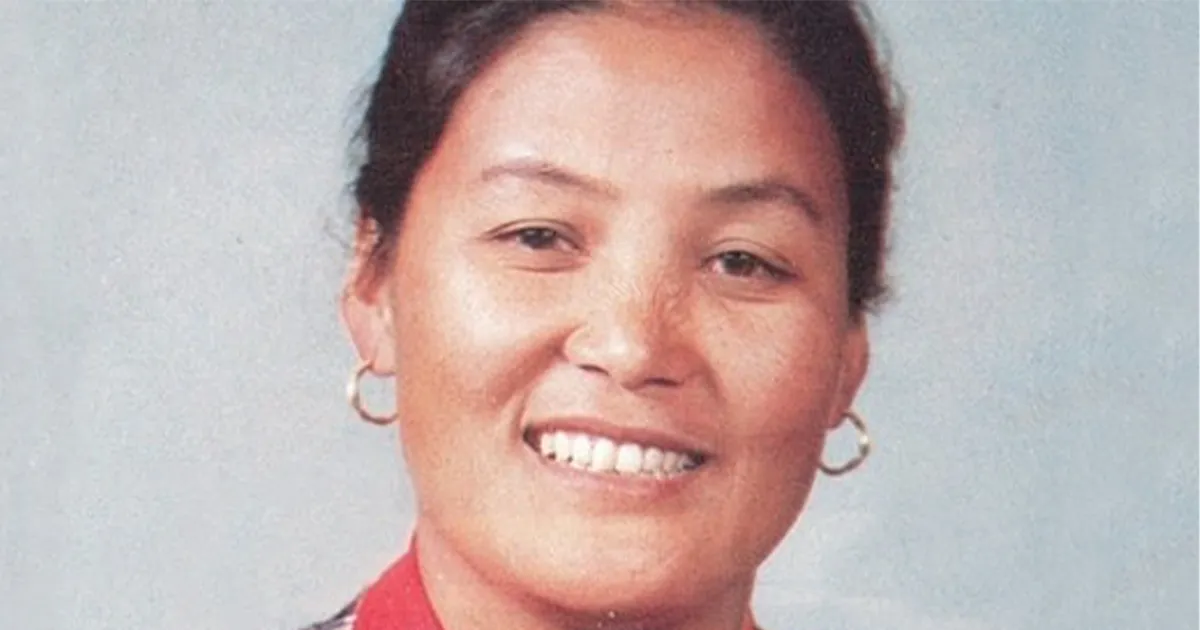
Pasang Lhamu Sherpa
Of her eleven summits, eight have been from the Tibetan northern ridge and three from the Nepal southern route. She also summited K2, the world’s second-highest mountain, in 2023. In 2003, she stood on the Everest summit alongside her brother Mingma Gelu Sherpa and her then 15-year-old sister Ming Kipa Sherpa, setting a Guinness World Record for the most siblings simultaneously standing on the summit.
What distinguishes Lhakpa’s story most powerfully from that of other record-holding climbers is the life she leads between expeditions. She has lived in suburban Connecticut in the United States, working as a dishwasher at a Whole Foods Market in Hartford to support her children.
Her life was the subject of the 2023 Netflix documentary “Mountain Queen: The Summits of Lhakpa Sherpa,” directed by Lucy Walker, which brought her extraordinary contrast between everyday life and extreme achievement to a global audience.
How many people have died on Everest and what kills them?
As of the end of 2025, at least 344 people have died on Mount Everest since climbing began in the 1920s. The first recorded deaths on the mountain were seven Sherpas killed in an avalanche during the 1922 British expedition. Deaths have occurred on the mountain every single year since 1978, with the one exception of 2020, when permits were not issued because of the COVID-19 pandemic.
The deadliest seasons in the mountain’s history have been 2015, when a 7.8-magnitude earthquake struck Nepal and triggered a massive avalanche at Base Camp that killed more than 22 people; 2014, when a serac collapse in the Khumbu Icefall killed 16 Sherpas in a single event; 2023, which recorded 18 deaths and became one of the deadliest non-disaster seasons on record; and the original 1996 disaster season with 12 total fatalities.
The leading causes of death are altitude sickness in its most severe forms, specifically high-altitude pulmonary edema and high-altitude cerebral edema, both of which cause rapid deterioration and death if the climber cannot descend quickly. Falls on icy slopes account for a significant share, as do avalanches and exposure to extreme cold.
Exhaustion during descent is a recurring factor, since most fatal decisions and accidents happen not on the way up but on the way down when climbers are already depleted. The area above 8,000 meters is known as the Death Zone, where oxygen levels are too low for the human body to recover or sustain itself for extended periods.
The overall death rate for those who attempt the summit is estimated at around one percent, though this varies significantly depending on the route, operator quality, experience level, and whether supplemental oxygen is used.
What is the Death Zone, and why does the body deteriorate there?
The Death Zone refers to any altitude above approximately 8,000 meters, where the atmospheric pressure is so low that the concentration of oxygen molecules in each breath is insufficient to sustain basic human physiological function over time. At sea level, the air contains roughly the same proportion of oxygen it always has, but the pressure compressing those molecules together is what drives oxygen into the blood through the lungs.
Above 8,000 meters, that pressure is reduced to about a third of sea level, meaning each breath delivers dramatically less oxygen to the bloodstream regardless of how deeply a person breathes.
In the Death Zone, the body begins consuming itself. The brain, starved of oxygen, starts making poor decisions and losing spatial awareness. Muscles weaken rapidly. The lungs can fill with fluid as the body mounts a desperate physiological response to hypoxia. The kidneys slow down. Blood thickens. In extreme cases, hallucinations occur.
A climber who stops moving in the Death Zone for too long, whether from exhaustion, injury, or disorientation, will almost certainly die there because their body is being damaged faster than it can compensate.
Even with supplemental oxygen flowing at maximum rate, climbers on the summit ridge of Everest are functioning at perhaps 60 to 70 percent of their normal cognitive and physical capacity. Removing the oxygen supply entirely, as Messner and Habeler did, pushes the body to what scientists at the time genuinely believed was a lethal limit.
How did commercialization transform Everest climbing from the 1990s onwards?
Before the early 1990s, Everest was climbed almost exclusively by national expeditions or elite private climbing teams. Getting to the summit required years of technical mountaineering experience, sponsorship from a government or major institution, and expedition management expertise that only a handful of people in the world possessed.
That changed when guiding companies began offering to take paying clients to the top of the world for a fee. Rob Hall’s Adventure Consultants, Scott Fischer’s Mountain Madness, and others pioneered the model of the guided commercial expedition, where wealthy individuals with sufficient fitness but limited technical expertise could be supported up the mountain by professional guides and Sherpas.
Everest Base Camp. Photo: Bikram Rai
The consequences were profound and double-edged. On one hand, the commercialization opened the highest point on Earth to a broader range of humanity and created significant economic opportunity for Sherpa communities who had long been the backbone of every Everest attempt.
On the other hand, it flooded the mountain with climbers of wildly varying abilities, creating bottlenecks at technical sections, straining fixed rope systems, generating enormous amounts of waste, and creating situations where guides faced impossible choices between client safety and commercial pressure.
By 2019, photographs of a hundreds-long queue snaking up the narrow summit ridge went viral globally, reigniting the debate. Nepal issued 492 climbing permits for the 2026 spring season alone, the most in history, making crowding more severe than ever. The permit fee was raised to $15,000 in 2024, a 36 percent increase, though critics argue this has done nothing meaningful to reduce traffic on the mountain.
What controversies surround the use of supplemental oxygen on Everest?
The debate about whether it is ethically or philosophically legitimate to use bottled oxygen on Everest is nearly as old as the mountain’s climbing history. During the early British expeditions of the 1920s, there was already a fierce argument about whether using artificial oxygen represented a form of cheating, since it effectively meant you were not really climbing the mountain as it exists.
Messner famously declared he would climb Everest “by fair means” or not at all, meaning without oxygen and in lightweight alpine style without a large support apparatus. When he and Habeler succeeded, they proved that the summit was within the range of what unaided human physiology could survive. This gave fuel to the purist position.
Today, more than 95 percent of climbers who summit Everest use supplemental oxygen. The oxygen is supplied in bottles carried in packs and delivered through face masks, typically flowing at rates of two to four liters per minute. Without it, the vast majority of climbers would not reach the top or would likely die in the attempt.
The counterargument to the purist position is that oxygen technology has been part of Everest from the very beginning, with Hillary and Tenzing both using it in 1953, and that the mountain is dangerous enough with it, let alone without it. There is no formal rule against its use.
A separate but related controversy involves guides like Anatoli Boukreev, who climbed without oxygen during the 1996 disaster season to move faster and faced criticism for whether his choice impaired his ability to respond to his clients in crisis. The oxygen question remains one where reasonable mountaineers genuinely disagree.
What is the most tragic and human story to come out of an Everest disaster?
Among all the deaths and disasters on the mountain, Rob Hall’s final hours in 1996 stand apart for their combination of professional duty, personal devotion, and the intimate horror of dying alone above the clouds while the world listened. Hall had guided 39 clients to the Everest summit by 1996 and was considered among the best in the world at his work.
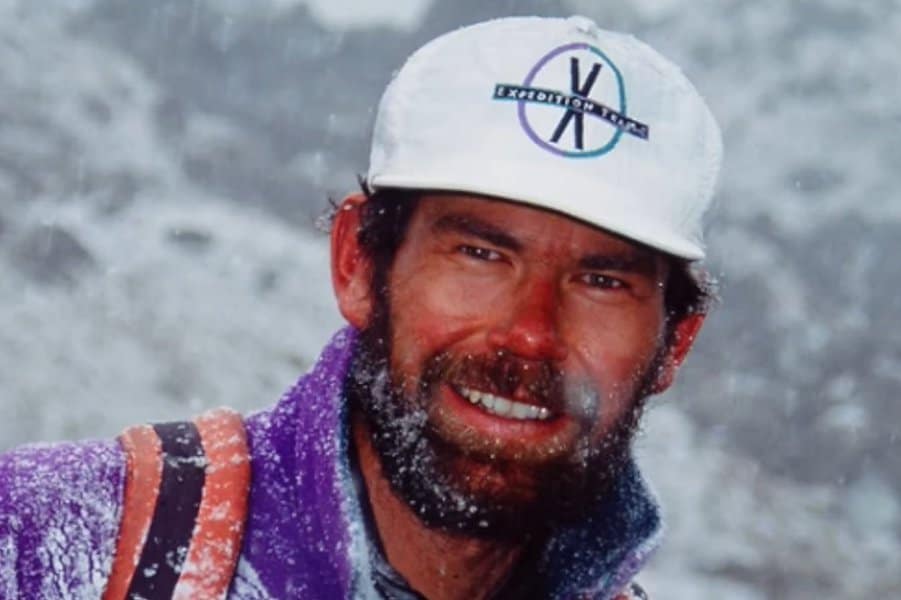
Rob Hall
When his client Doug Hansen was struggling on the descent on the night of May 10, Hall refused to leave him. They were at around 8,700 meters, in deteriorating conditions with oxygen running low. Hansen died sometime in the hours that followed. Hall was left alone, unable to descend, in temperatures that, with windchill, approached minus 100 degrees Celsius.
He remained in radio contact with Base Camp and, through a relay, was connected to his wife Jan Arnold, a physician who was seven months pregnant with their first child in New Zealand. They spoke several times through the night. Hall asked her not to worry too much. He told her he loved her. He said he hoped she would have a beautiful baby. Their conversation was later reported in detail around the world and eventually reprinted in Jon Krakauer’s book, a decision that caused anguish for Arnold.
Rescue was attempted but impossible in those conditions. Rob Hall died on the mountain on May 11, 1996. His daughter, Sarah Arnold-Hall, was born into a world without her father. The tragedy illustrates something that every Everest season reinforces: the mountain does not distinguish between the most capable person on the slope and the least experienced. When conditions turn, they turn for everyone.
How serious is the overcrowding problem on Everest today?
The overcrowding on Everest has become one of the central issues in global mountaineering discourse over the past decade. The core problem is structural. The vast majority of climbers attempt the summit in a narrow window of perhaps two to three weeks in May each spring, when jet stream winds lift sufficiently to make the upper mountain survivable. Within that window, the weather may offer only one or two genuinely good days at the very top.
When those windows arrive, every expedition on the mountain tries to move simultaneously. The result is lines of climbers queued at technical chokepoints, particularly the Hillary Step near the summit, standing still and burning through their oxygen supplies while waiting for the person ahead of them to move.
In 2019, photographs of a seemingly endless line of climbers near the summit ridge circulated around the world, and at least eleven deaths that season were linked to the delays and exhaustion caused by congestion in the Death Zone. Nepal’s Supreme Court endorsed permit limits in 2024, and new regulations now require that climbers demonstrate prior experience at altitudes above 6,500 meters before receiving an Everest permit.
Critics argue these measures are insufficient and difficult to enforce, noting that operators have found ways to list guides on permits who do not actually accompany climbers on the mountain. The tension is real and unresolved: tourism revenue from Everest is essential to Nepal’s economy, Sherpa livelihoods depend on the industry, and yet the mountain itself is increasingly strained by the volume of people moving across it each season.
What role do Sherpas play in Everest climbing, and are they fairly treated?
The Sherpa community, an ethnic group indigenous to the Solukhumbu region of northeastern Nepal, has been central to every successful Everest expedition since the mountain was first attempted. Sherpas possess physiological adaptations to high altitude developed over centuries of living above 3,500 meters, including more efficient oxygen use, higher hemoglobin concentrations, and cardiovascular systems that handle reduced oxygen better than those of most other people.
On Everest, Sherpas perform the most dangerous and physically demanding work: establishing the route through the Khumbu Icefall, fixing ropes across the Lhotse Face, carrying oxygen and supplies to high camps, and supporting clients on summit days. A single Sherpa will often make multiple rotations between camps while the clients they support make only one.
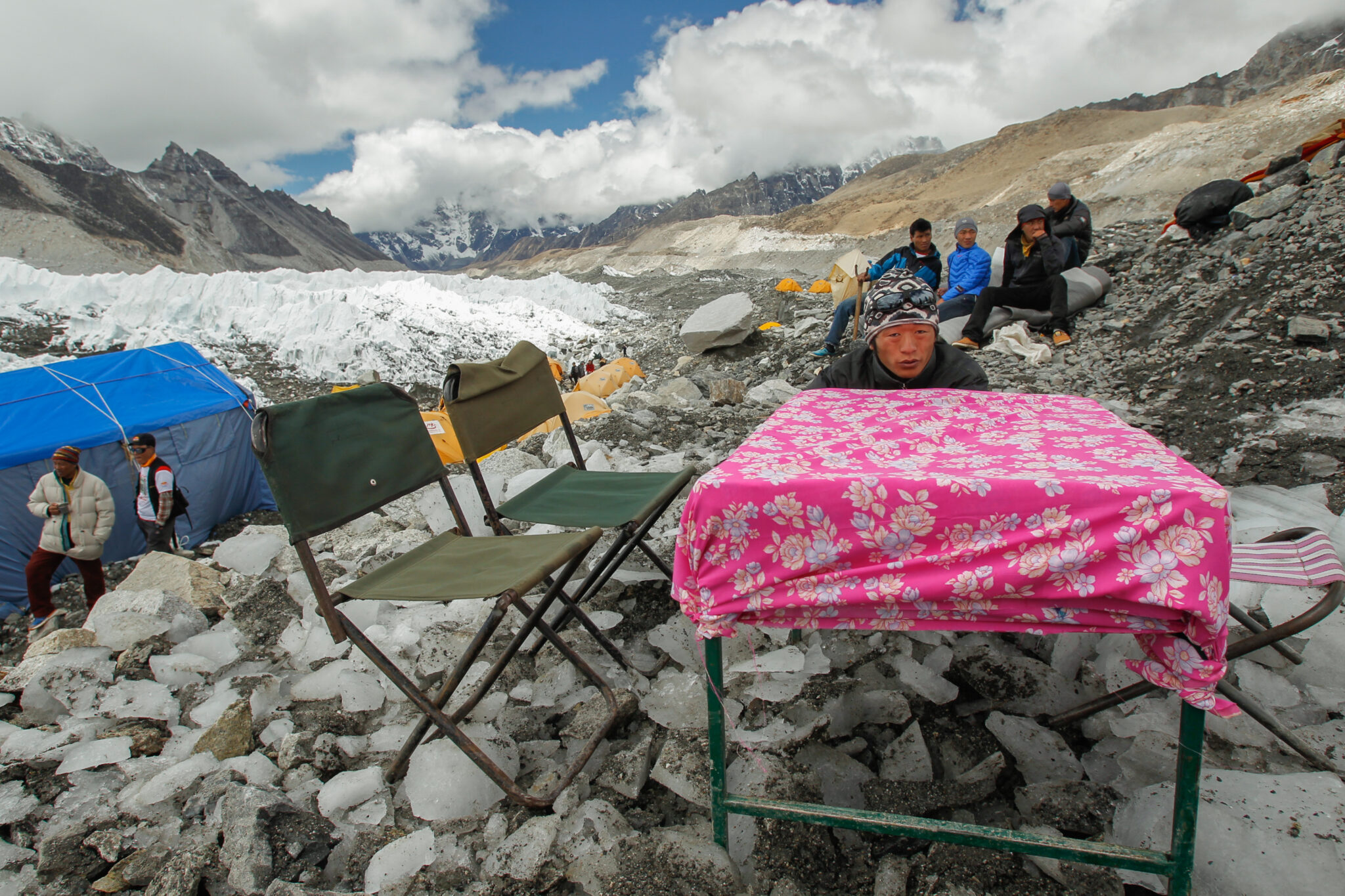
Sherpa guides setting camps and tents at the Everest Base Camp. Photo: Bikram Rai
The economic picture is complicated. For elite guides like Kami Rita Sherpa, a single Everest season can earn $10,000 or more, which is substantial in Nepal’s context. But many Sherpas earn far less, and the work carries enormous risk.
Sherpas account for roughly one-third of all deaths on Everest. The 2014 Khumbu Icefall disaster, in which 16 Sherpas died in a single serac collapse, led to a season-wide strike and forced a broader conversation about whether the compensation and risk distribution was fair. The broader Sherpa community has pushed for better pay, improved insurance, better safety protocols, and greater recognition of their role.
Legendary Italian mountaineer Reinhold Messner once observed that without Sherpas, the glory of the Himalayan mountains remains incomplete, a sentiment that most climbers privately acknowledge but that has historically taken a long time to translate into formal recognition.
What environmental damage has Everest sustained, and what is being done about it?
Everest has been called the world’s highest junkyard, a description that has circulated since the 1980s. Decades of expeditions have left behind oxygen bottles, tents, rope, food waste, human excrement, equipment and, most disturbingly, the bodies of climbers who died on the mountain and could not be recovered.
The mountain receives little natural help in cleaning itself. Temperatures above certain elevations prevent decomposition. Items dropped or abandoned at 7,000 meters in 1985 may still be sitting exactly where they landed. Nepal has run periodic clean-up campaigns, including a 2019 effort that removed around 10,000 kilograms of rubbish from the mountain. The government now requires climbing teams to bring back a minimum amount of waste per expedition.
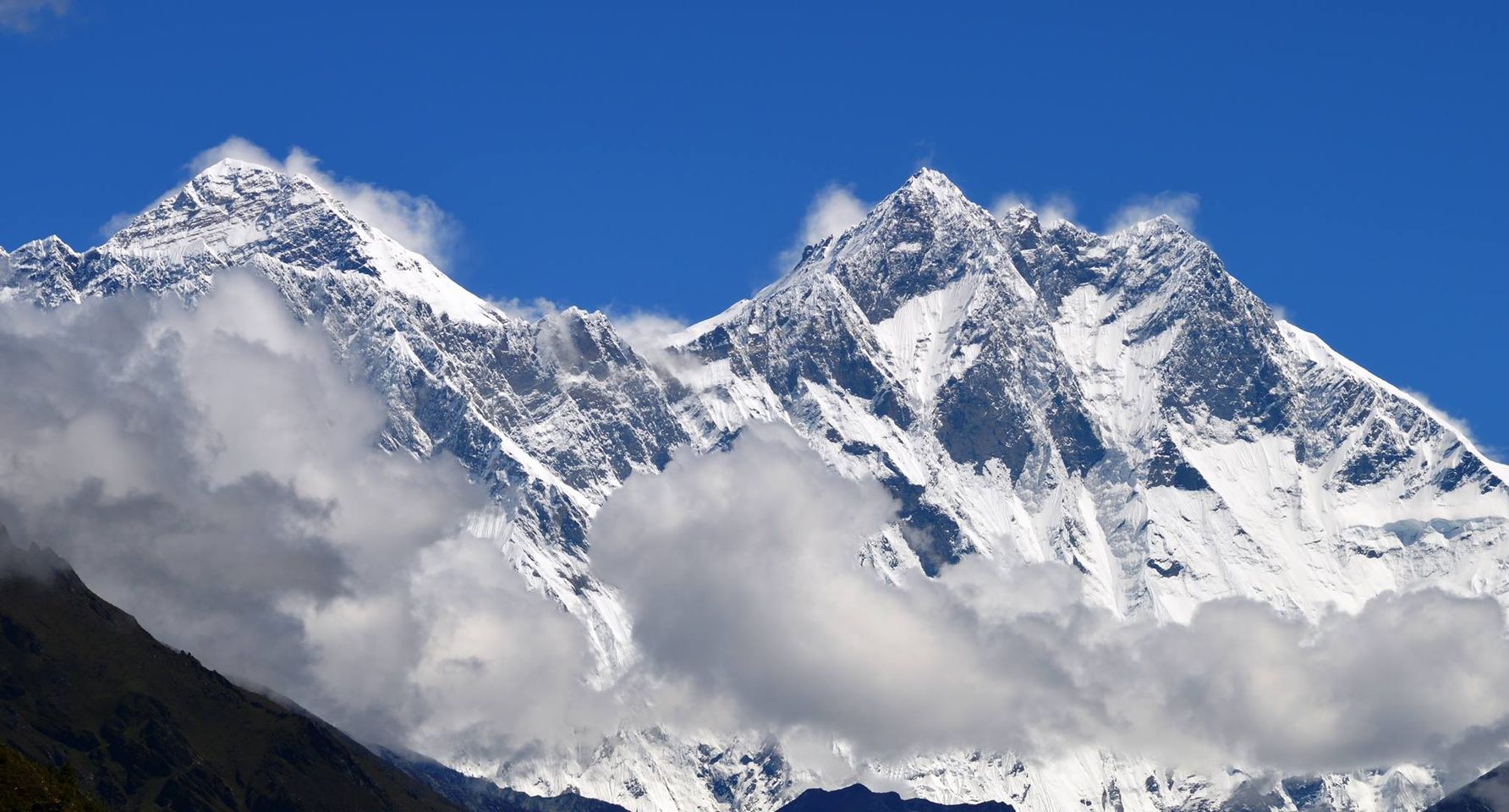
A view of Mt. Everest (Sagarmatha)/File photo
Climate change adds a dimension that goes beyond accumulated rubbish. The glaciers on Everest are retreating. The Khumbu Glacier, which climbers must cross at the start of any Nepal-side ascent, is thinning and shifting. Permafrost is melting, destabilizing ice structures and creating new hazards.
The massive unstable ice block that stalled the start of the 2026 spring season was cited by multiple experts as consistent with the patterns of glacial change accelerating across the Himalayas. Bodies that were frozen into the ice deep on the mountain are now reappearing at the surface as the ice retreats, a grim symptom of warming that local Sherpa communities find deeply disturbing.
Nepal raised the peak-season permit fee in 2024 partly with the stated aim of directing revenue toward conservation, though environmental advocates argue that money alone cannot substitute for meaningful limits on the number of people using the mountain.
Has anyone ever climbed Everest multiple times in a single season, and what other speed records exist?
The most remarkable within-season feat belongs to Babu Chiri Sherpa, who, in 1999, climbed from Everest Base Camp to the summit in under 17 hours, a speed record that redefined what was thought physically achievable on that route. He also spent 21 hours on the summit without supplemental oxygen, another record that has not been replicated.
Kami Rita Sherpa himself climbed Everest twice in a single season during 2023 and again during 2024, an exhausting feat that underscores how different the demands are for elite guides versus recreational climbers. For Kami Rita, Everest is not a once-in-a-lifetime bucket list experience but an annual workplace.
Kristin Harila of Norway completed all 14 eight-thousanders in under 92 days in 2023, a speed record for climbing all of the world’s highest peaks that shattered the previous mark. Nirmal Purja, a former Nepali Gurkha soldier with the British Special Forces, completed all 14 eight-thousanders in 189 days in 2019, a record that Harila then exceeded.
The fastest ascent of Everest from sea level, where a climber travels from the ocean to the summit without any altitude acclimatization, has also been attempted. These extreme speed efforts attract both admiration and serious criticism, with many mountaineers arguing that moving so fast through altitude acclimatization protocols creates unnecessary risk and encourages a reckless culture around Himalayan climbing.
What routes are used to climb Everest and how do they differ?
Everest can be climbed from two primary directions: from the Nepal side via the southeast ridge and from the Tibetan side via the northeast ridge. The Nepal southern route, pioneered by Hillary and Tenzing in 1953 and now known informally as the standard route, passes through the Khumbu Icefall, up the Western Cwm, across the Lhotse Face, to the South Col, and then up the southeast ridge to the summit.
It is used by the overwhelming majority of climbers because Nepal has more developed trekking infrastructure, and the route is considered technically more forgiving than the north. However, the Khumbu Icefall at the start of the Nepal route is one of the most dangerous places on the mountain, a constantly moving river of ice that periodically collapses without warning. The 2014 disaster that killed 16 Sherpas happened there.
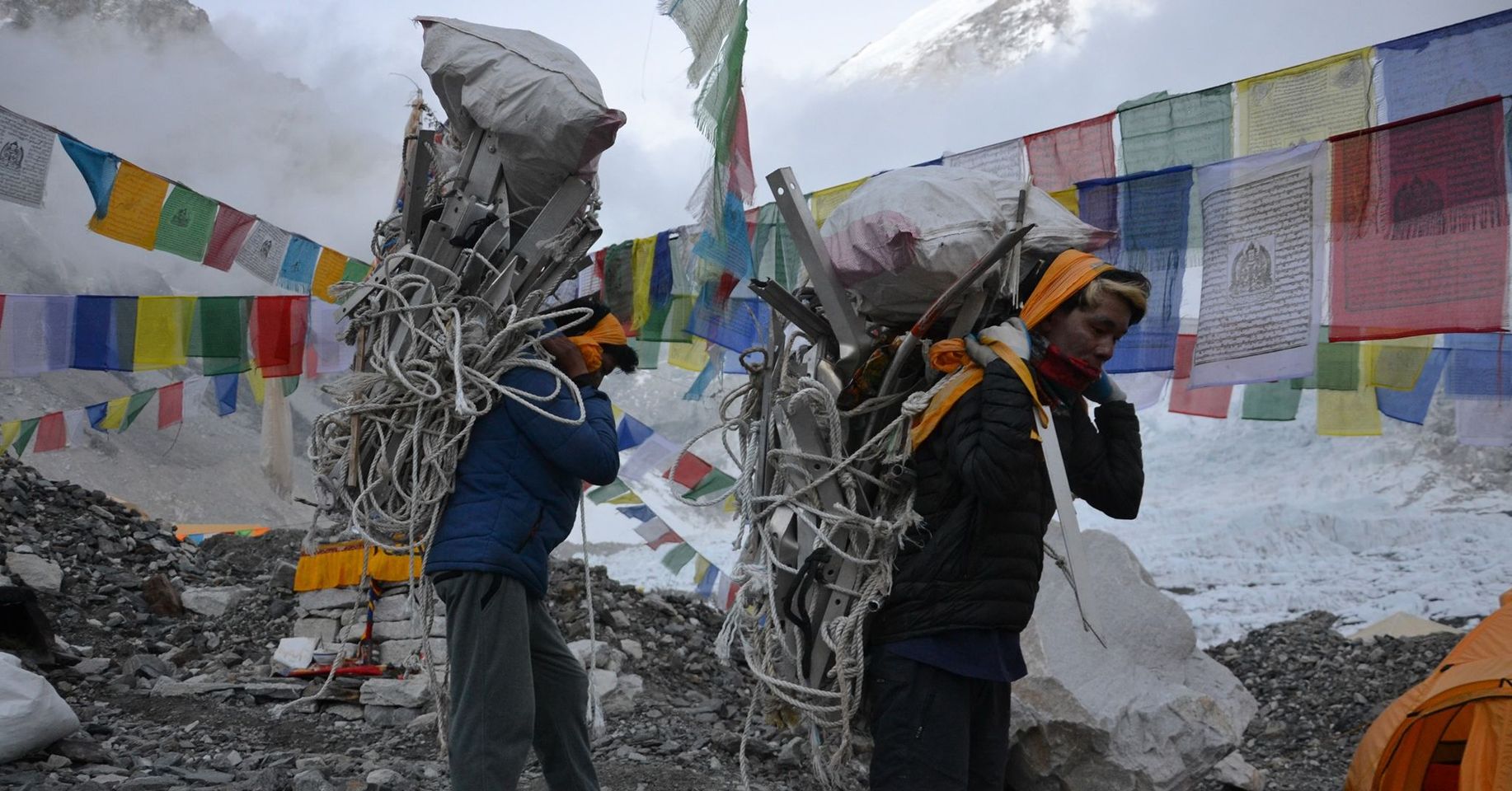
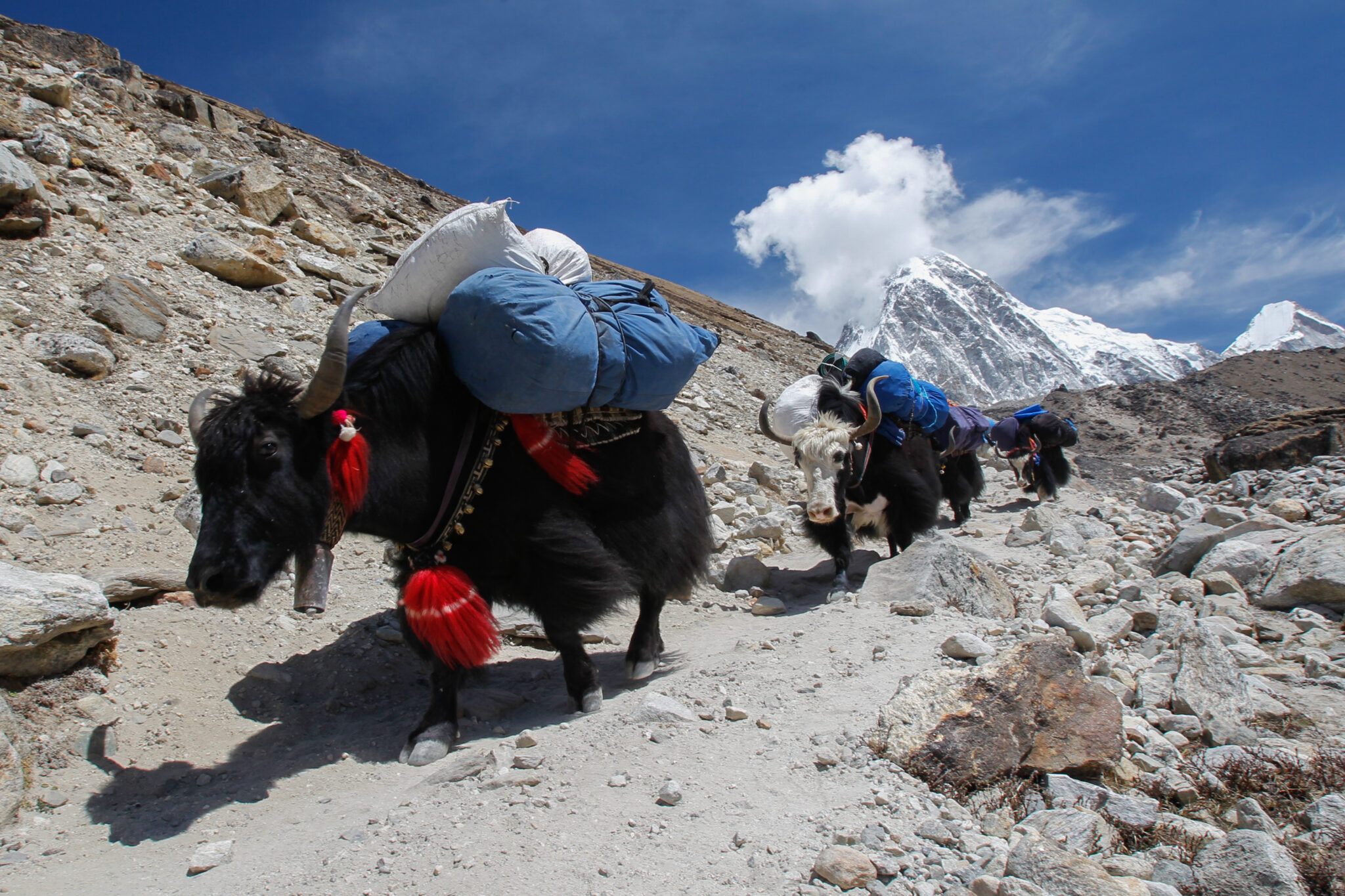
Porter transporting essential mountain gear for mountaineers in the Everest region
The north side route from Tibet, first climbed by a Chinese expedition in 1960, involves different challenges. The northeast ridge is longer and more exposed to wind, with several technically demanding sections, including the First and Second Steps, vertical rock faces at extreme altitude. It was the route that Mallory and Irvine attempted in 1924.
China periodically closes the north side to foreign climbers, which it did through most of the COVID period from 2020 through 2023, shifting virtually all commercial traffic to the Nepal side and intensifying the crowding problem there.
Beyond these two main routes, there are dozens of more technical lines on Everest’s faces, most of which have seen very few ascents and which attract the very best alpinists in the world precisely because they remain genuinely dangerous and uncommercialized.
What is the physical and mental preparation required to attempt Everest?
Attempting Everest seriously requires a preparation arc that typically spans several years, not months. The Nepal government now officially requires prior experience on mountains above 6,500 meters before it will issue an Everest permit, a regulation introduced to address the problem of inexperienced climbers endangering themselves and others.
Most credible expedition operators recommend that clients have previously summited peaks such as Mera Peak or Island Peak in Nepal, then moved up to a 7,000-meter peak, then an 8,000-meter mountain such as Cho Oyu or Manaslu, before attempting Everest. Each progressively higher mountain tests the body’s response to altitude in ways that cannot be replicated at lower elevations.
The physical training involves months of cardiovascular endurance work; heavy load carrying to simulate the demands of moving with oxygen equipment and packs at altitude; and technical mountaineering skills, including crampon technique, rope work, and self-arrest with an ice axe. The mental preparation is less discussed but equally important.
Climbers need to be prepared for extreme cold, severe discomfort, hallucinations in the Death Zone, the decision to turn back even after weeks of effort, and the psychological weight of watching others suffer or die near them.
A significant number of Everest attempts end not because the climber is physically incapable of going further but because they make the right decision to turn around when conditions or their own condition warrants it. The mountain is full of people who did not make that decision in time.
What is the Mallory mystery’s status today, and does it matter who climbed first?
The practical answer to the philosophical question is that it probably does not matter in any functional sense who climbed Everest first. Hillary and Tenzing’s 1953 ascent was confirmed; witnessed; documented; celebrated; and changed the world.
Even if Mallory and Irvine reached the summit in 1924, they did not return alive to confirm it, and the knowledge of their achievement, if it happened, died with them on the mountain. Mallory’s son put it most precisely: summiting only counts if you get back down. The cultural and historical impact of May 29, 1953, is not diminished by the mystery of June 8, 1924.
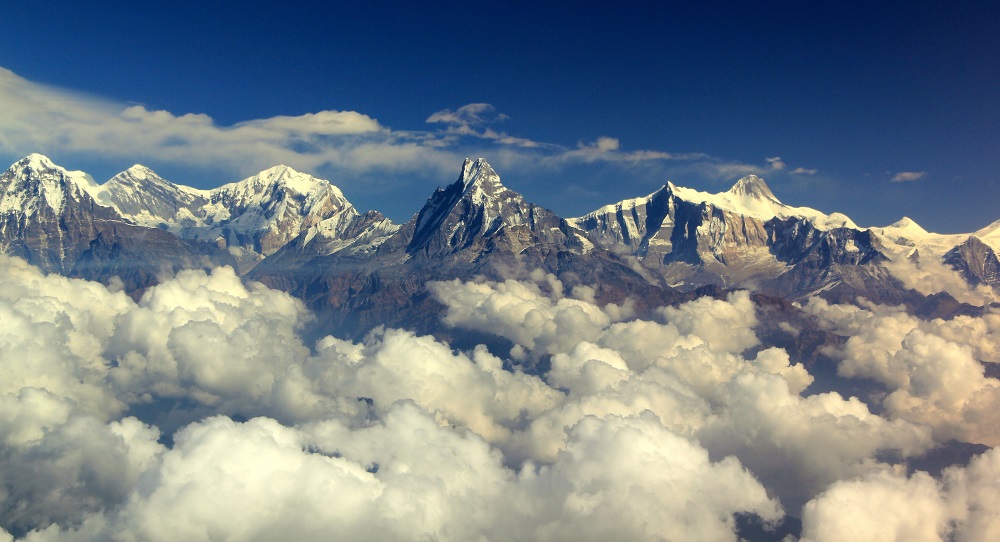
That said, the question continues to grip serious historians, mountaineers, and adventurers because the evidence is genuinely ambiguous. Noel Odell’s sighting of the two men moving strongly upward in the early afternoon raises the possibility that they were high enough and fast enough to have reached the top. But even Odell was uncertain about exactly where on the ridge he saw them.
The discovery of Mallory’s body in 1999 revealed that the photograph of his wife he always carried with him, which he had declared he would leave on the summit if he reached it, was not found on the body. Whether it blew away, was placed elsewhere, or was never taken to the top with him is unknown.
In 2024, partial remains believed to be Irvine’s were found further down the mountain than expected, which for some researchers actually makes a higher summit attempt less likely. The mystery will almost certainly never be definitively resolved.
What controversies have emerged around the ethics of Everest climbing in recent years?
Several ethical debates have intensified around Everest climbing that go well beyond the oxygen question. One concerns the treatment of bodies on the mountain. Approximately 200 bodies remain on Everest, many frozen into the ice at high altitudes where recovery is too dangerous to attempt.
Several have become grim landmarks known by informal nicknames, including “Green Boots,” an Indian climber who died in 1996 whose body in a rock cave near the northeast ridge was passed by thousands of climbers for years. The ethics of leaving human remains on the mountain, the difficulty and danger of recovering them, and the wishes of families are genuinely contested.
Another debate centers on the David Sharp case in 2006. Sharp was a British climber who was found alive but unresponsive near the Death Zone. A significant number of climbers and groups passed by him without mounting a serious rescue effort. He died. The incident prompted global discussion about the moral obligation climbers have to one another in extremis when the cost of helping might be their own life.
A third ongoing controversy involves operators who promise inexperienced clients that they can summit with enough money and a big enough support team, leading to situations where genuinely underqualified people end up on the upper mountain, creating danger for everyone around them.
Nepal’s 2024 regulations attempt to address this through experience requirements, but enforcement is widely seen as inconsistent. The question of whether Everest should have hard permit limits to protect both human safety and the mountain’s ecological integrity remains unresolved.
What does the future look like for Everest climbing, and what does the 2026 season tell us?
The 2026 Everest spring season is in many ways a microcosm of where the mountain stands. Nepal issued 492 climbing permits, the highest number on record. Two world records fell on the same morning. The season also recorded at least three deaths before the main summit windows opened, including the grandson of Ang Rita Sherpa, who himself holds the record for the most Everest summits without supplemental oxygen.
Climate change is reshaping the mountain’s physical landscape. A massive unstable ice block delayed the start of the season on the Khumbu Icefall route. Crowding warnings were issued even before the main summit push began.
The trajectory points toward more climbers, more records, and more pressure on an ecosystem and a safety system that is already strained. Some serious alpinists have argued for a complete moratorium on commercial Everest expeditions for several years to allow the mountain to recover, the fixed rope anchors to be reinstalled properly, and new regulations to be designed with genuine enforcement mechanisms.
Others argue this would devastate Sherpa communities and local economies that have built themselves around the mountain. What is clear is that Everest will not stop drawing people. The number of people who have stood on the summit is now well above 7,500. The number who have died trying is past 344.
Kami Rita Sherpa, the man who has been to the top more times than any other human being, may have just completed his last ascent. Lhakpa Sherpa, who lives in Connecticut between seasons and then climbs the highest mountain on Earth, has now done it eleven times.
The mountain that Mallory wanted to climb simply because it was there keeps generating stories that no novelist would dare invent.