Kathmandu
Saturday, July 18, 2026





From rice planting and shrinking farmland to migrant farmers and childhood nostalgia, this photo story captures the people, landscapes and memories that define Nepal's monsoon season.
CHITWAN: When the monsoon arrives, the mind becomes restless. The rain, the plains, and the village all coil up in the mind at once. Memories scatter across the fields. Since I started living in Chitwan, opportunities to reach home (Parbat) in the rice planting season come only occasionally. Therefore, to satisfy my longing for home during the monsoon season, I usually take my bicycle and wander around the easily accessible fields here.
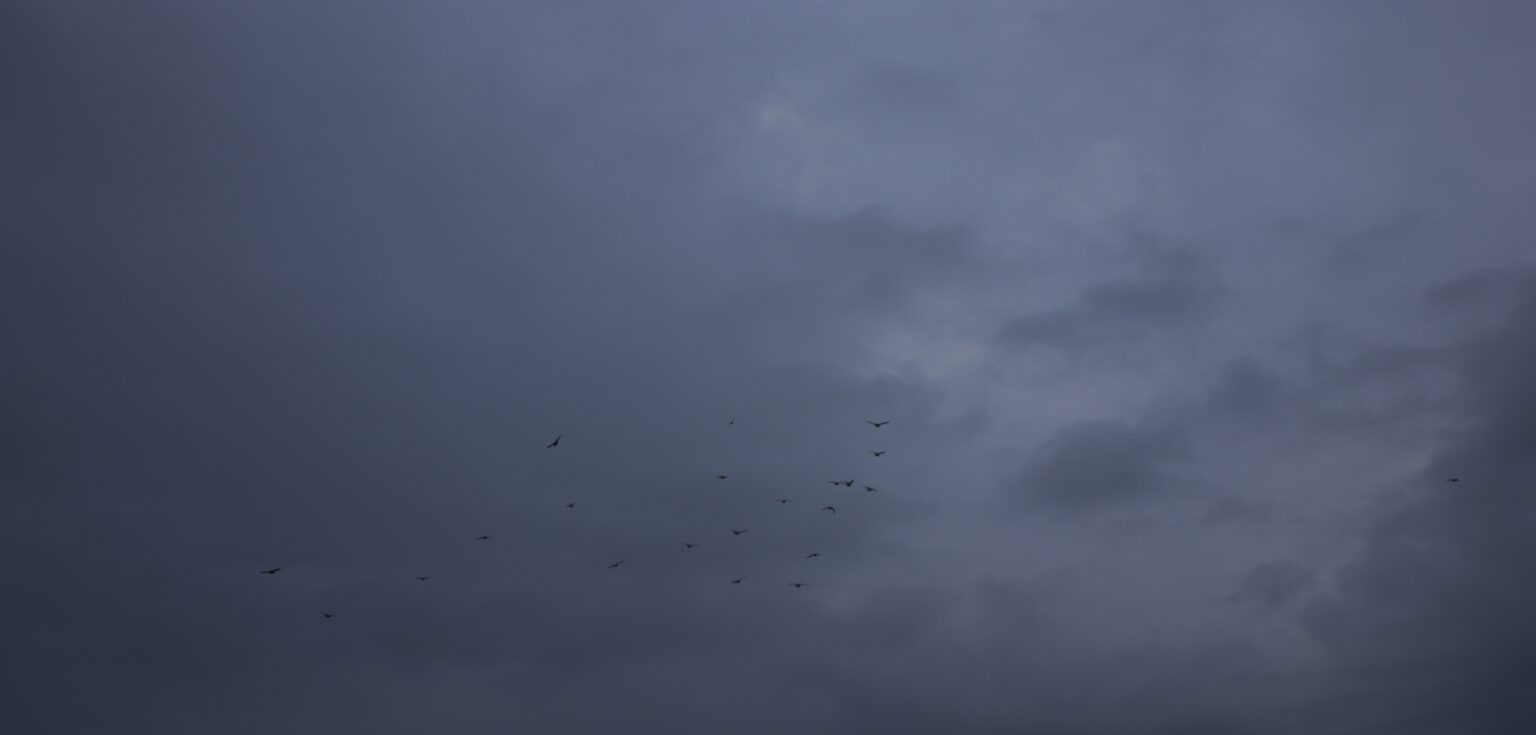
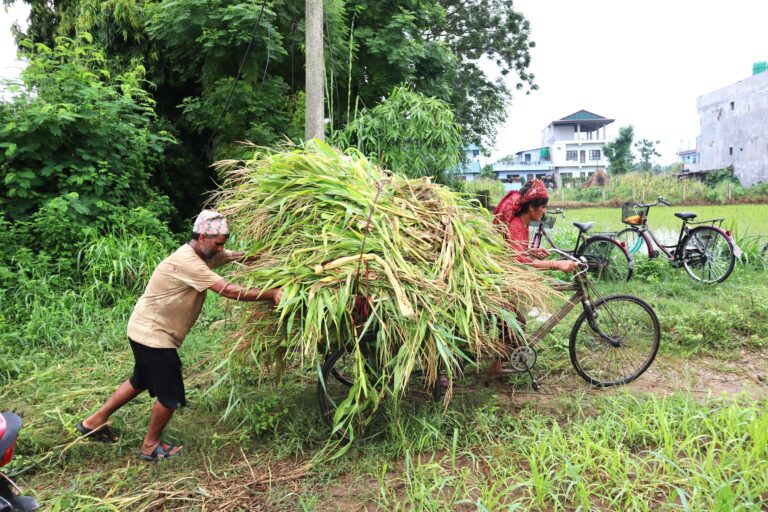
Last Saturday morning, I took out my bicycle and began wandering around, peering into the fields. Farmers were engrossed in their work—some harvesting maize, some smoothing out the corners, some building ridges, and others planting rice. Above, the sky was overcast with clouds.
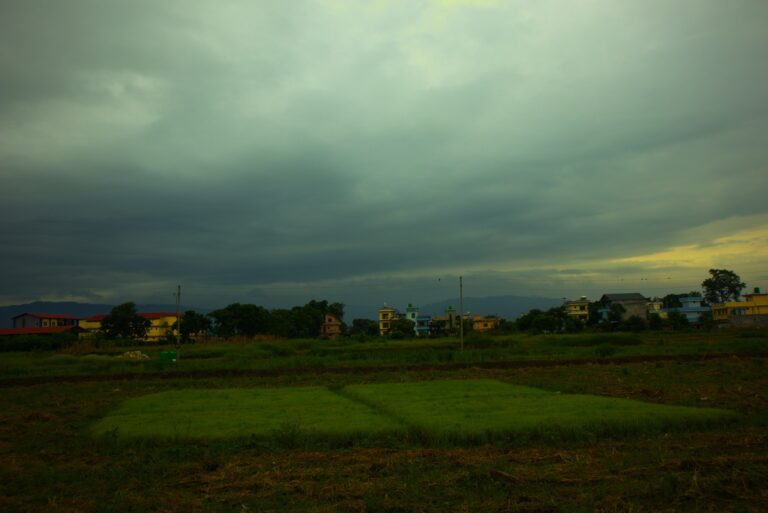
As new houses are built almost every day in the main market area here, cultivable land is shrinking. However, farming is still going on in the land where houses are yet to be built. Shifting my gaze away from the main road, I look toward the fields of Bharatpur-7. I meet Shambhu Tamang, who came to Bharatpur from Naubise Patipur in Dhading. The devastating earthquake of 2015 destroyed his house and dried up the natural water spring of his village.
He says, “After the earthquake, the water spring itself cracked and disappeared inside; after that, I came here looking for a means to survive.” These days, he is doing sharecropping on approximately 5,080 square meters of land for his livelihood. He has to hand over half of the harvest to the landowner.
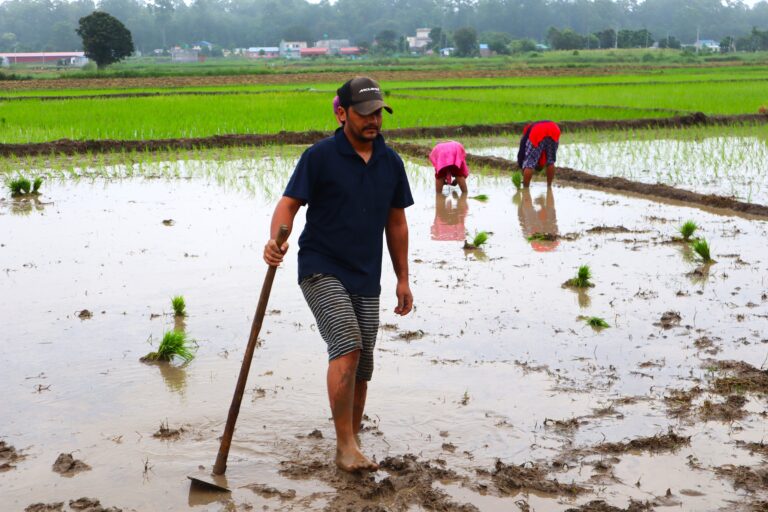
Shambhu has just finished storing the maize and is making arrangements to plant rice. He says, “It doesn’t rain on time, we have to look toward the sky. Sometimes we think the canal water will come, but then it dries up again.” However, Bharatpur received good rainfall during the past week. His complaint must have been addressed to some extent.
A farmer’s problems are never just one, are they? His entire existence rests on 5,080 square meters of land. Last time he had planted maize; after it ripened, he sold it at the mill, but he was frustrated due to not getting a fair price.
“When we sell maize, we get only Rs 30 per kilogram. It is expensive when we go to buy, and cheap when we go to sell,” he says. The problem of not getting more than 5–6 kilograms of subsidized chemical fertilizer when going to fetch it also remains alive and well.
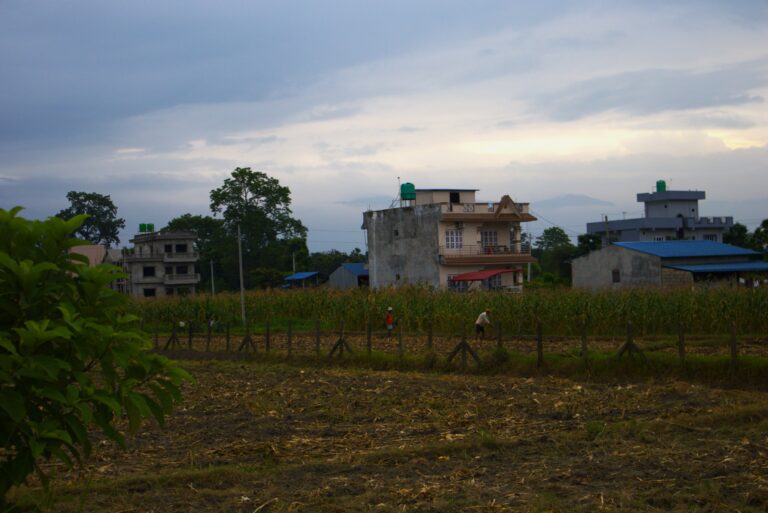 At that very moment, sister Sita Rana was pulling weeds from the edge of the field. She was in a hurry to finish the farm work early in the morning before going to work at a medicine factory in the afternoon. Her daily routine passes in balancing farming to supplement her job and food supply.
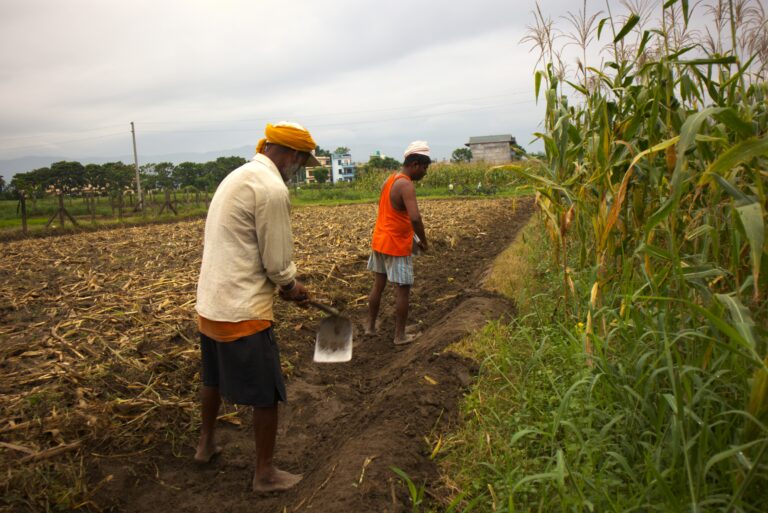
A little further away, two brothers were tightly building a ridge. Hailing from Sarlahi-Saptari, they reportedly come here to work for daily wages during the farming season.
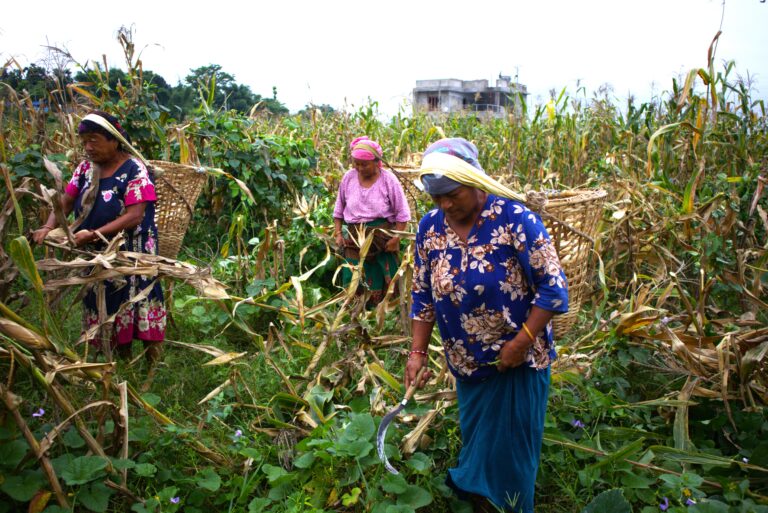
Beyond that, the Tamang sisters were busy storing maize. They were occupied with work, chatting in their own dialect. They were saying that they would start planting rice immediately after the maize work was finished.
When I said, “Let me take your photo,” they joked, “Oh, we are going to go viral!”
In my heart, I thought, you are the food providers who work so hard, if I don’t take your photos, whose photos should I take?
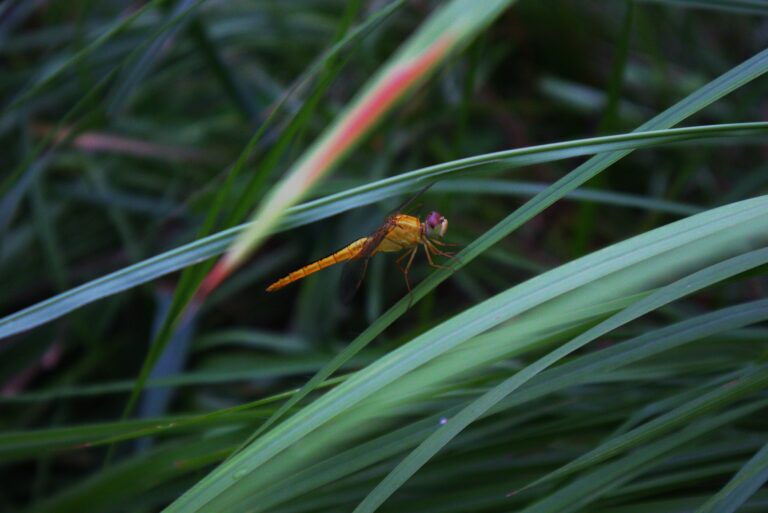
After a brief conversation, I became amused by a dragonfly. When we were little, as soon as the monsoon started, we used to run across the fields looking for dragonflies. If caught, we would tie a thread to its tail and fly it, feeling as if we were flying along with that insect. Now I feel remorse—how painful that moment must have been for that tiny creature! In that innocent fun of childhood, such a thought had never crossed my mind. Today, seeing the same insect through the camera after years, I returned to nostalgia.
This memory is no longer limited to nostalgia alone. Some time ago, I had read in the news that as the dragonfly population decreases, its direct impact has started appearing in agricultural production. The main diet of dragonflies consists of insects like gundhi bugs and stem borers, which harm rice, maize, and wheat. As the dragonfly population decreases, the number of these harmful insects increases, affecting crop production. That tiny insect, which we used to fly by tying a thread to its tail during childhood, turns out to be the silent protector of these fields.
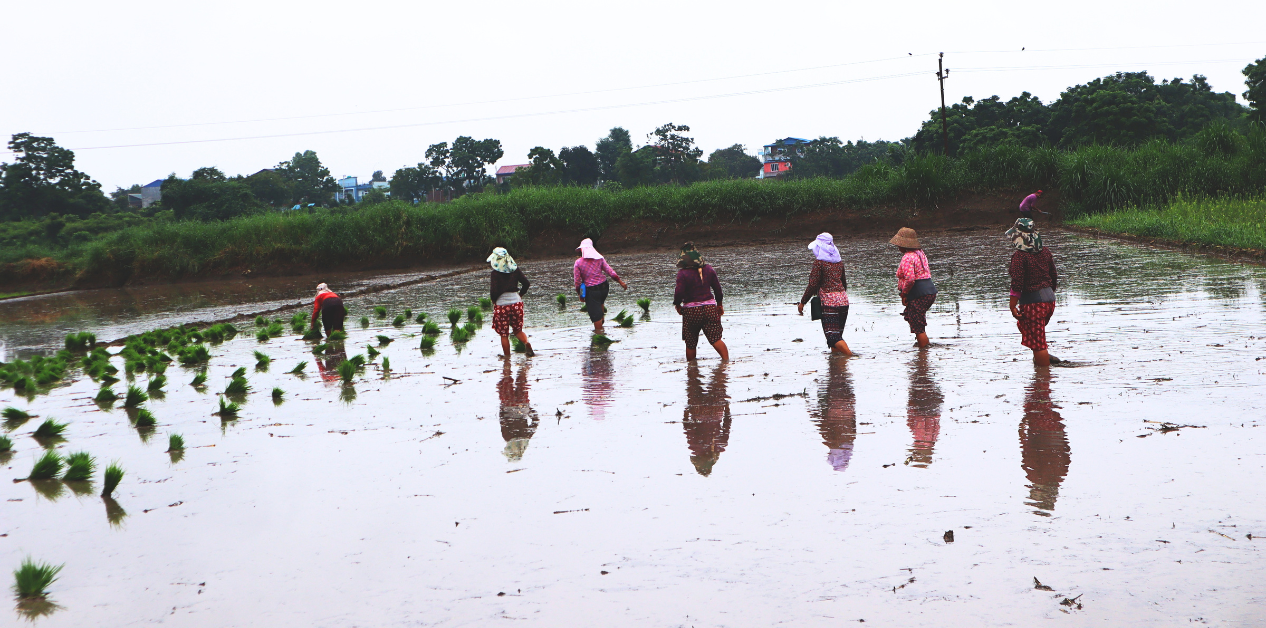
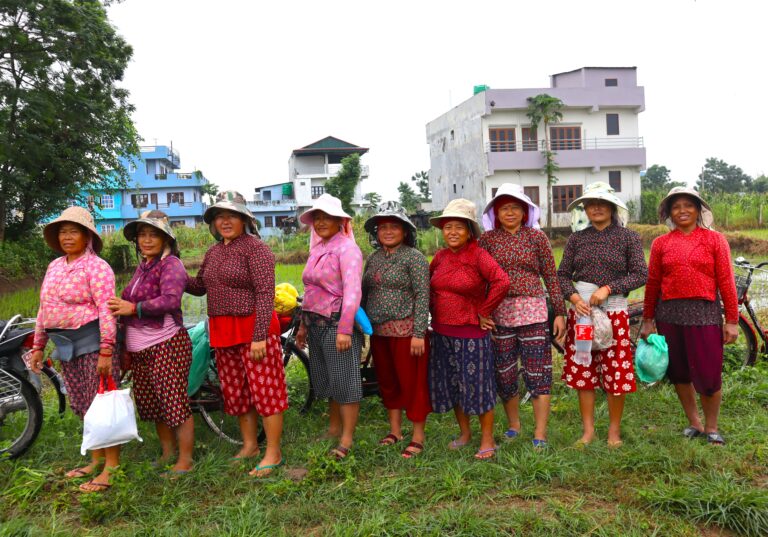
The next day, while pedaling my bicycle early in the morning near Bharatpur-8, Gauriganj, I saw a group of sisters riding bicycles. I quickly started following them. They were rice planters, a group that takes wages on an hourly basis.
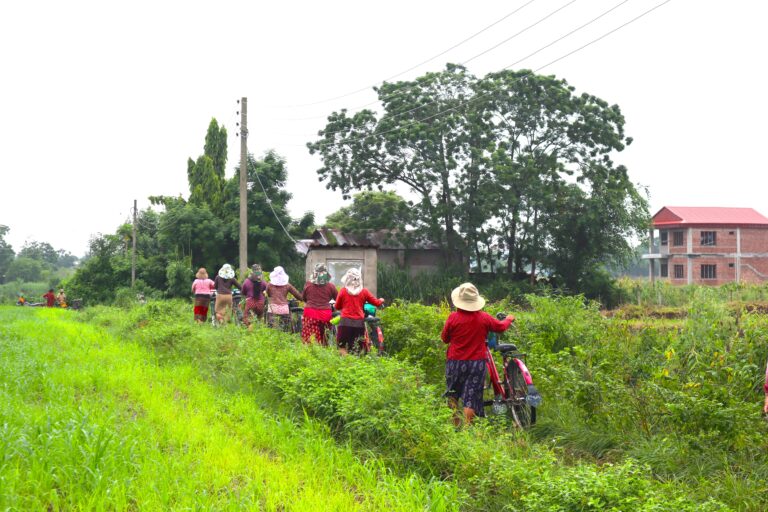
Reaching the field, I took a few pictures. By the time I was about to return, raindrops began to touch my face. Along with the body, the mind also felt blissful.
Making music my companion and turning the pedals to return to my own place, Piyush Mishra’s song was echoing in my ears:
O re manva sangam hai,
Baarish ki boondon ka bandhan hai…