Kathmandu
Monday, July 20, 2026






KATHMANDU: Health officials across multiple countries are urgently tracking passengers from the MV Hondius, a Dutch expedition ship that left Argentina in late March 2026.
By May 8, reports show roughly eight to nine people connected to the voyage have fallen ill, with three confirmed deaths and a mix of laboratory-verified and suspected infections. The strain involved is the Andes variant, which can occasionally pass between people through close, extended contact.
The ship carried about 147 passengers and crew from over 20 nations. Some travelers who left earlier at ports like St. Helena are also being watched because symptoms can take weeks to show up.
While this cluster has triggered international coordination and medical evacuations, global health bodies say the danger to the general population stays very low, as everyday spread is not typical for this virus.
What is hantavirus and what does it do inside the body?
Hantavirus is a group of viruses that live naturally in certain rodents like mice and rats without making the animals sick. Humans pick it up mainly through contact with the rodents’ urine, droppings, or saliva.

Once inside a person, it triggers a strong overreaction from the immune system that damages small blood vessels, causing them to leak fluid into surrounding tissues. This leads to two main types of serious illness.
In the Americas, it often results in hantavirus pulmonary syndrome, where the lungs fill with fluid, breathing becomes extremely difficult, and blood pressure crashes. In other parts of the world, it more frequently causes hemorrhagic fever with kidney problems, leading to issues with urine production and sometimes bleeding.
The whole process starts quietly after exposure and can worsen fast in bad cases, putting heavy stress on the heart and lungs or kidneys.
Doctors rely on hospital support like oxygen and fluids because there is no medicine that directly attacks the virus itself. Early hospital care gives the body time to fight back and recover.
How does someone catch hantavirus, and can it spread between people?
In nearly all situations, people get infected by breathing in tiny airborne bits of virus from rodent waste that gets stirred up during cleaning, sweeping, or working in dusty places where mice or rats have been. Touching contaminated surfaces and then the face, or very rarely a rodent bite, can also transmit it.
Most types of hantavirus do not jump easily from one human to another. The Andes strain in this cruise ship situation is different because it has shown the ability for limited person-to-person spread, usually only with prolonged close contact like caring for a sick family member.
Investigators think the initial exposure on the Hondius probably happened on land in southern South America before or right after boarding, with possible later close-contact cases among passengers.
Even so, it does not spread casually in the air like flu or COVID, which is why health teams focus on isolating sick individuals and tracing their direct contacts rather than worrying about widespread community outbreaks. Good rodent control and careful cleaning habits stop most infections before they start.
What are the typical symptoms and how rapidly can it get worse?
Early on, the illness feels a lot like the flu or many other common fevers: sudden high temperature, bad headaches, heavy muscle aches, extreme tiredness, and sometimes stomach problems such as nausea or loose stools. These signs usually appear anywhere from one to eight weeks after contact with the virus.
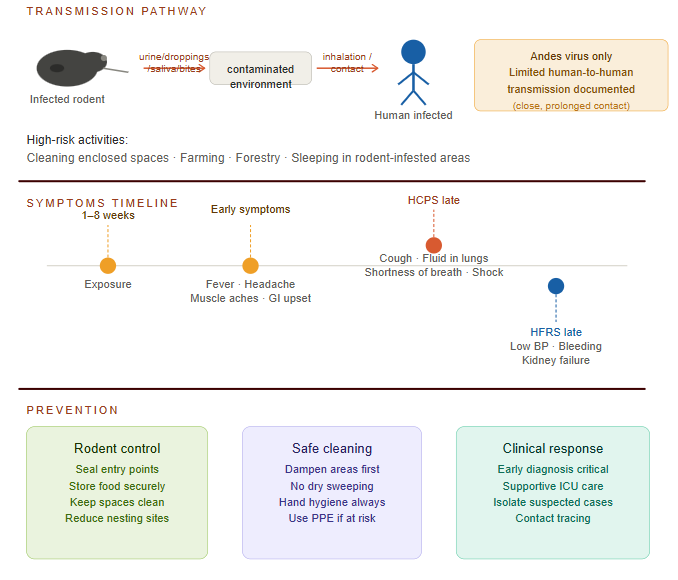
In serious pulmonary cases, things can change quickly after a few days, with coughing, growing shortness of breath, and fluid pouring into the lungs, leading to low oxygen levels and weak blood pressure within hours to a couple of days.
Kidney versions bring lower back pain and trouble producing urine. In the current ship cluster, some patients went from mild complaints to critical condition quite fast, which is why rapid medical checks matter.
Because the start looks so ordinary, doctors need travel history or possible rodent exposure clues to suspect it over dengue or other local diseases. Getting to a hospital early for breathing help or other support can dramatically change the outcome.
Is hantavirus more deadly than COVID-19?
Case by case, hantavirus, especially the pulmonary form linked to strains like Andes, tends to have a higher death rate, often 30 to 40 percent or more in severe outbreaks even with good hospital care. COVID-19 infected vastly more people worldwide, so total deaths were much higher, but its per-person fatality dropped over time with treatments and population immunity.
Hantavirus strikes harder and faster in the worst cases by flooding lungs or shutting down kidneys, but it rarely produces huge numbers of infections because it does not spread easily person to person. The cruise ship event shows how dangerous it can be in a closed group, yet outside such settings the overall threat stays contained.
No simple pill or shot exists for it like we developed for COVID, so prevention and fast supportive treatment in intensive care are the main tools doctors have. Health experts keep stressing it does not behave like a virus that could circle the globe easily.
What is the latest on the cruise ship outbreak and hantavirus worldwide?
The MV Hondius situation is the main focus right now in early May 2026. The ship left Ushuaia, Argentina, for an Antarctic and Atlantic trip. Three passengers have died, with several more confirmed or suspected infections involving the Andes strain.
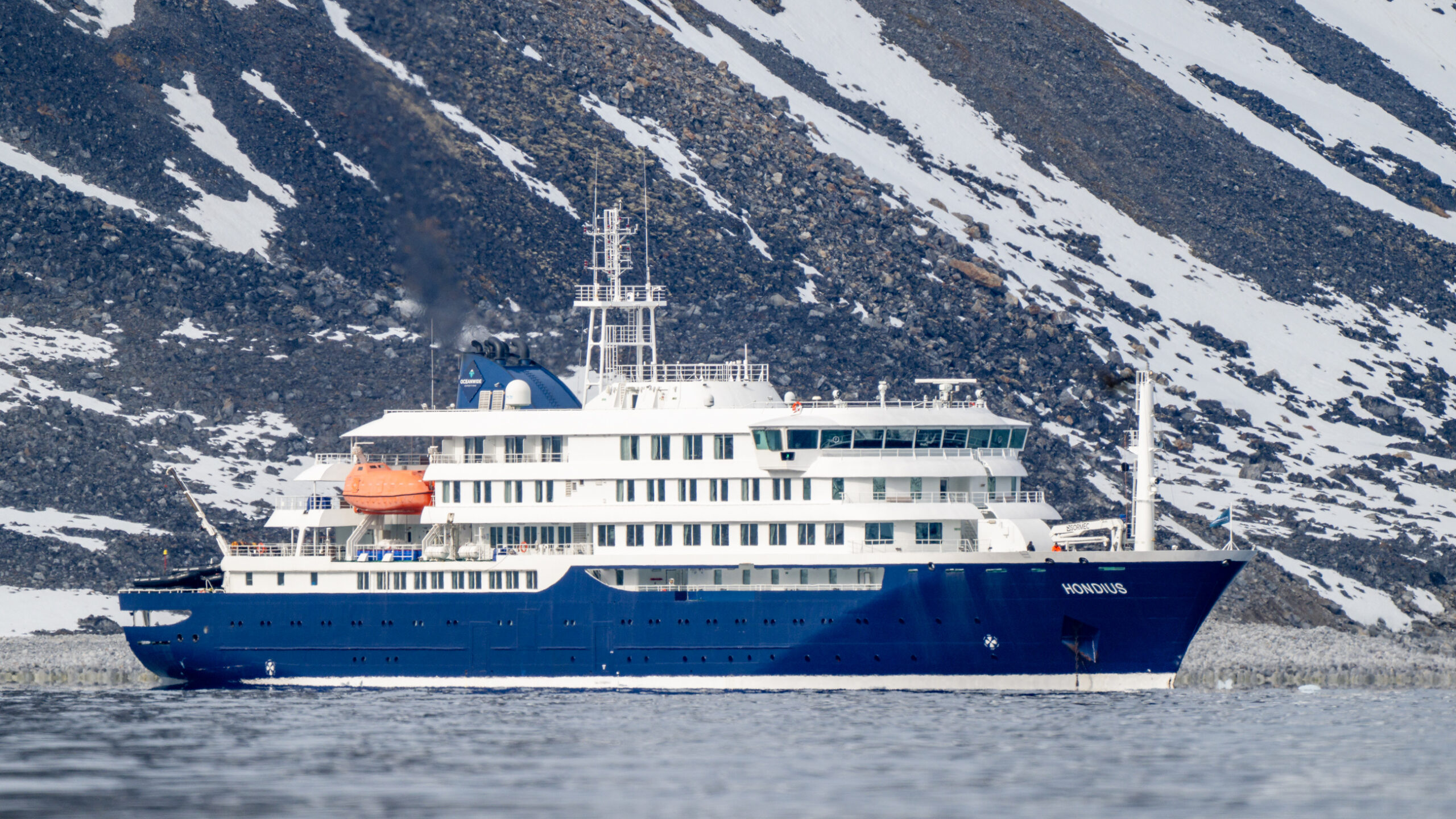
Dutch vessel MV Hondius cruise ship. File photo: Wikimedia
Some ill people have been flown for treatment in South Africa, the Netherlands, and other European hospitals, while the vessel continues toward the Canary Islands with precautions in place. Officials are following up with dozens who left the ship earlier because new cases could still emerge within the long incubation window.
Globally, hantavirus appears in small numbers most years, with higher activity in parts of the Americas and Asia where rodent populations boom. The World Health Organization says this cluster is serious for those involved but the risk beyond the travel group is low, and no signs of wider spread into communities have appeared. Testing and contact monitoring continue.
Does Nepal face real risks from hantavirus?
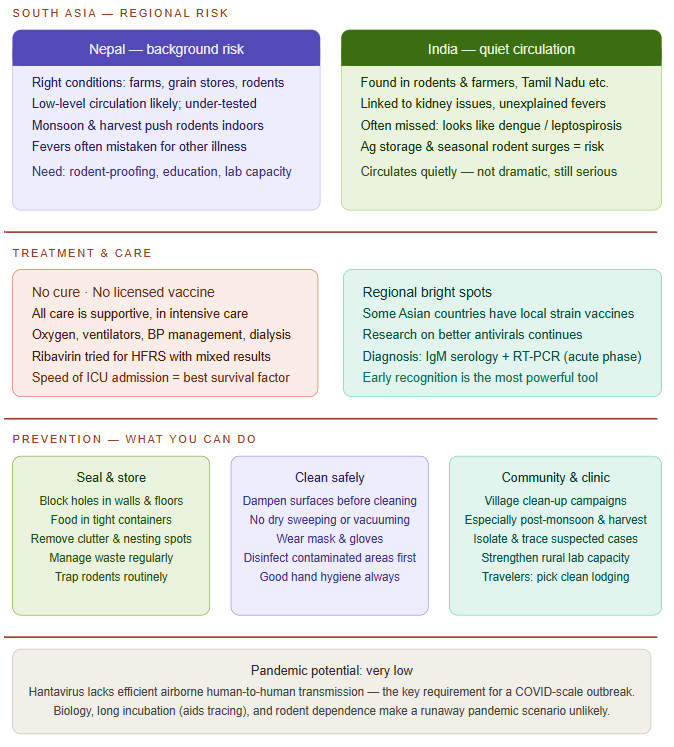
Nepal has the right conditions for occasional infections because rodents live around homes, grain stores, and farms across its varied landscapes. While big confirmed outbreaks are not commonly recorded, the virus or similar ones likely exist at low levels, and past scattered reports plus traveler cases point to possible circulation.
Many serious fevers in rural areas go without specific testing, and hantavirus signs can easily be mistaken for other common illnesses there. Monsoon seasons, harvest time, and poor storage practices can push rodents closer to people. No link exists to the current cruise outbreak, but returning travelers from affected zones add a small extra factor to watch.
Better rodent-proofing in villages, education on safe cleaning, and stronger lab testing would help Nepal stay ahead of any quiet risks. It is not currently seeing active problems, but staying prepared makes sense given the geography and lifestyle factors.
How does hantavirus stand in India at present?
India sees hantavirus at a background level through studies that find it in rodents and occasional human infections, particularly among farmers, warehouse staff, and communities that handle rodents regularly. Cases have turned up in places like Tamil Nadu and other regions, sometimes connected to kidney issues or unexplained fevers.
Numbers stay modest and are probably missed often because symptoms look like leptospirosis, dengue, or scrub typhus. Agricultural storage, rural living conditions, and seasonal rodent surges keep a low-level risk alive.
The ongoing ship event has not led to reported imported cases in India so far, but health teams remain alert for travelers. Practical rodent control in homes and workplaces offers the best everyday protection. It circulates quietly rather than causing dramatic waves, yet its serious nature means doctors and authorities keep an eye on it.
What kind of treatment exists, and are vaccines available?
There is no specific antiviral medicine that knocks out hantavirus directly, and no widely usable vaccine covers the main dangerous strains. All care focuses on supporting the patient in a hospital, often in intensive care, with oxygen, breathing machines if lungs fail, medicines to steady blood pressure, and dialysis when kidneys stop working properly.
Starting this support quickly gives people the best chance to pull through. Some older antiviral drugs like ribavirin have been tried for certain kidney versions with mixed success, but they are not standard for lung cases. A few Asian countries use vaccines against local strains with decent results in those areas.
For the cruise patients, advanced hospital treatment is being provided wherever they are evacuated. The real key is stopping infection in the first place through rodent avoidance and using protective steps during cleanup. Research on better options keeps moving forward.
What can ordinary people and communities do to stay safe?
The smartest defense is keeping rodents away from living and working spaces. Seal holes in walls and floors, keep food in tight containers, and remove piles of clutter that give mice hiding spots.
If you must clean a possibly infested shed or room, wear a good mask and gloves, spray surfaces with disinfectant first to keep dust down, and avoid dry sweeping or vacuuming that could send particles into the air. Trap rodents regularly and manage waste well.
Villages and towns benefit from cleaner surroundings and campaigns, especially after heavy rains or during harvest when rodents move indoors. Travelers should pick clean places to stay and watch for droppings.
These habits work powerfully because the virus needs rodent contact to reach humans. Consistent, simple efforts around homes and farms cut the chances almost to zero for most people.
Could this virus turn into something as big as a pandemic like COVID?
The nature of hantavirus makes a massive global outbreak on the scale of COVID very unlikely. It mostly stays linked to specific rodent populations and does not pass easily between humans in most forms. Even the Andes strain, which can spread in limited close-contact situations, has never caused ongoing community chains that spiral out of control.
The long time before symptoms appear actually helps health teams trace and isolate people effectively, as we are seeing with the ship response. Changes in climate or cities might bring more rodent encounters and scattered cases, but the biology simply does not support fast, widespread airborne human transmission. International cooperation, better diagnostics, and rodent monitoring provide strong safety nets.
This cruise incident is a serious but contained reminder that animal viruses can surprise us in travel settings. It does not point to a future uncontrollable pandemic when basic precautions and quick public health action stay in place.