Kathmandu
Thursday, July 23, 2026





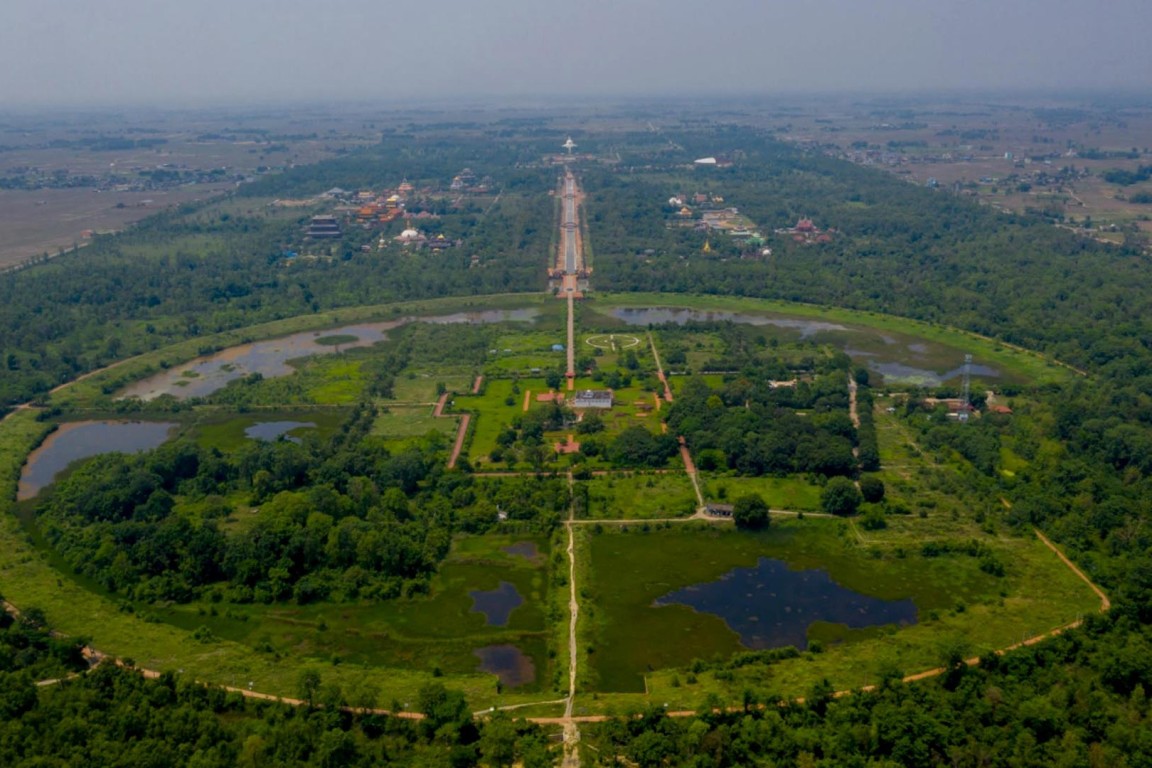
BHAIRAHAWA: An agreement has been signed for the construction of the Buddhist Circuit with the objective of developing the Greater Lumbini Area into an international religious, cultural, and tourism destination.
Under the project, which is set to be run with the financial assistance of the World Bank, a development partnership agreement was recently signed with four local levels of this region to conduct programs for expanding tourism infrastructure, promoting local employment, and managing destinations.
The project implementation agreement was signed between the Department of Urban Development and Building Construction and the Kapilasvastu, Lumbini Cultural, Ramgram, and Devdaha municipalities. The agreement was signed by the Director General of the Department, Rabindra Bohara, and the mayors and representatives of the respective municipalities.
The World Bank has already decided to provide a loan assistance worth approximately 85 million US dollars for tourism development and the expansion of local economic activities in the Greater Lumbini Area. Under the five-year project, an investment worth around RS 460 million will be made in each municipality.
According to Ashish Kumar Yadav, an engineer at Lumbini Sanskritik Municipality, around Rs 90 million will be provided to each municipality as the first installment under the project at the very beginning of the upcoming fiscal year.
The primary objective of the project is to preserve historical and religious sites related to Lord Buddha, construct tourism infrastructure, and create income-generating opportunities by connecting local communities with tourism.
The project plans to extend the length of stay of tourists, market local products, and expand tourism-related services.
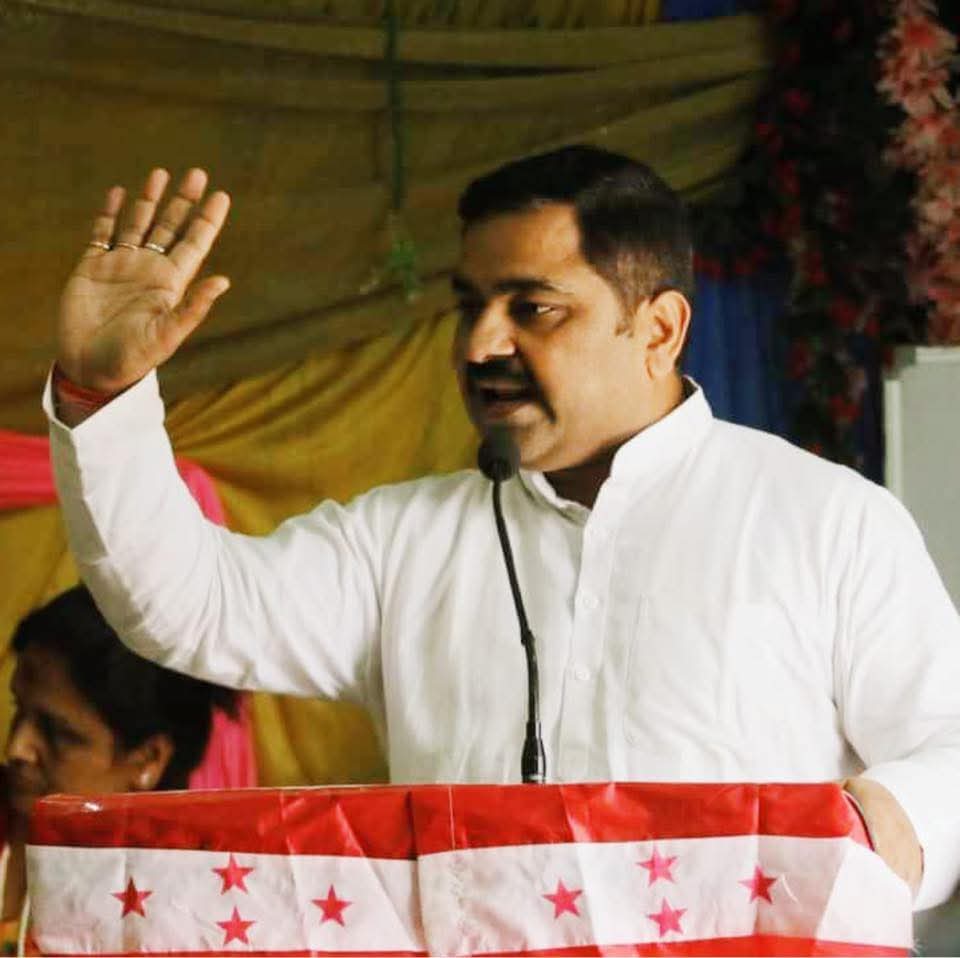
Sudip Paudel, the Mayor of Kapilvastu Municipality, expressed his confidence that the preservation and promotion of historical sites linked to Buddha’s life will help attract international tourists.
Under the project, heritage-friendly footpaths, resting places, public toilets, digital information boards, signages, drinking water, sanitation, and drainage management structures will be constructed. Additionally, a program to create employment opportunities by training local youth as tour guides has also been included.
Works related to destination development and tourism management will be coordinated by the Ministry of Culture, Tourism and Civil Aviation, the Lumbini Development Trust, and the Nepal Tourism Board, while the Department of Urban Development and Building Construction will take charge of building the physical infrastructure.
Kalpana Harijan, the Acting Mayor of Lumbini Sanstrik Municipality, stated that the project will make a significant contribution toward increasing the length of stay of tourists in the Lumbini region and stimulating the local economy.
Tourism entrepreneurs have also expressed confidence that if the project is effectively implemented, it will add a new dimension to the tourism development of Buddha’s birthplace, Lumbini, and its surrounding areas.
Entrepreneurs state that although Lumbini is currently a major tourist destination in the country, the length of stay of tourists remains short, making the expansion of infrastructure and services necessary to increase it.