Kathmandu
Monday, June 29, 2026





Once little more than a muddy swamp, Milijuli Lake now attracts rhinos, marsh crocodiles and migratory birds, showcasing the power of community-led ecological restoration in Chitwan.
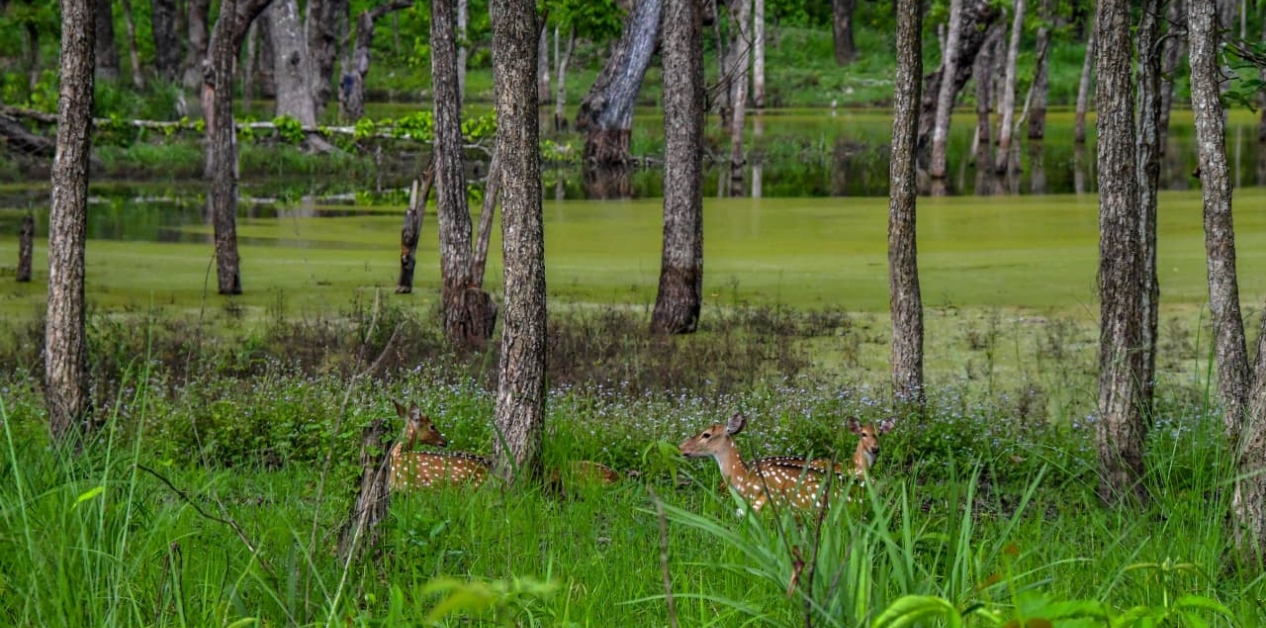
CHITWAN: Locals in Chitwan are spearheading a remarkable transformation in wetland conservation. Moving beyond passive awareness, consumers of the Milijuli Buffer Zone Community Forest in Ratnanagar Municipality-9 have turned a heavily degraded swamp into a flourishing ecosystem. By constructing natural bio-dams in an area once filled only with mud and sludge, they have successfully revived a massive wetland habitat, giving birth to a new lake that spans over two hectares near the historic Kumal Lake.
The site, locally remembered as Kanchhighol (Kanchhi swamp), was transformed by building a 2.5-meter-high biological dam to trap and retain water.
While small wetlands are locally termed Ghol, this newly restored oasis has been proudly named Milijuli Lake. To build the dam, which maintains an average water depth of 1.5 meters, the community exclusively used sustainable, locally sourced materials including stone, soil, and bamboo.
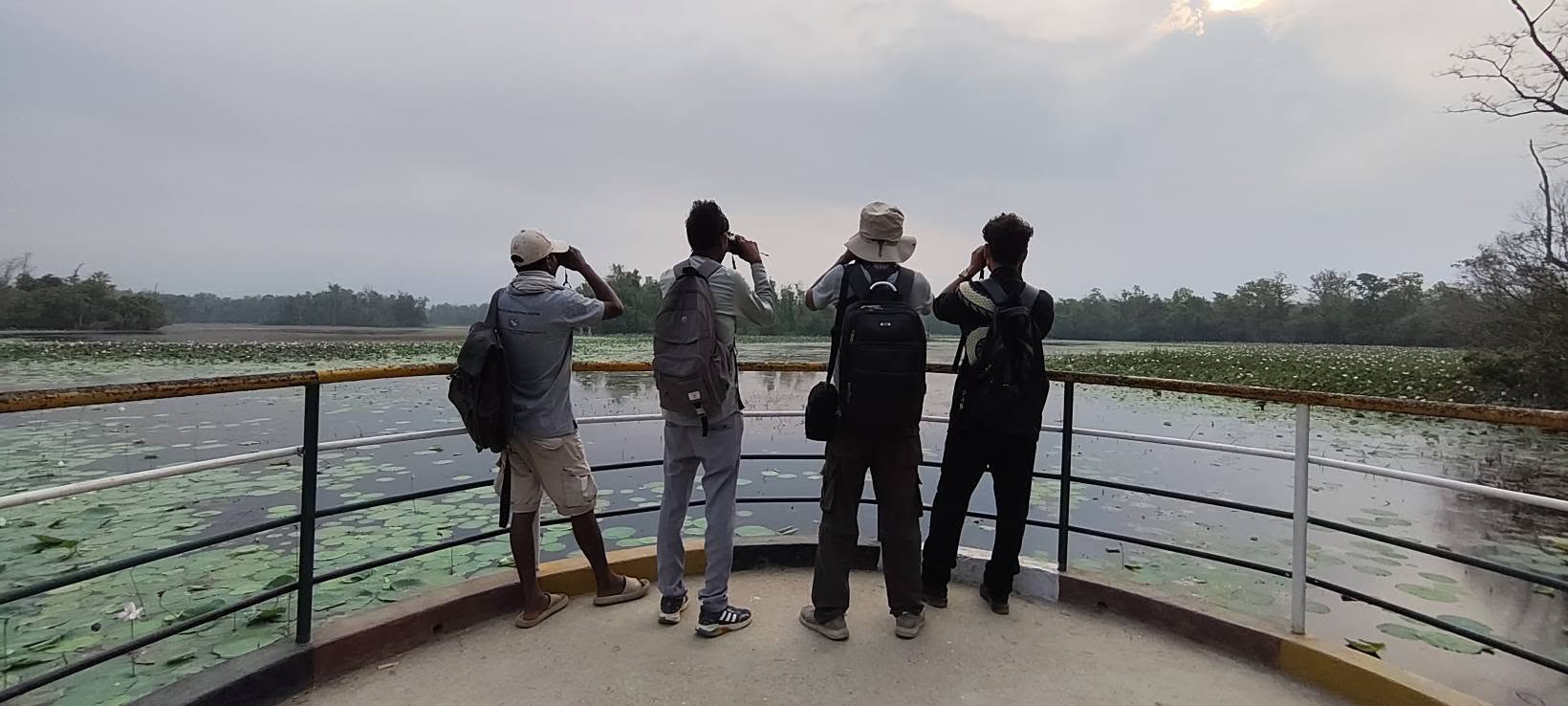
Thanks to the fact that the lake now retains water throughout all twelve months of the year, it has rapidly evolved into a vital sanctuary for greater one-horned rhinoceroses, marsh crocodiles, native wetland birds, and migratory waterfowl. This sudden influx of wildlife has triggered a welcome surge in ecotourism.
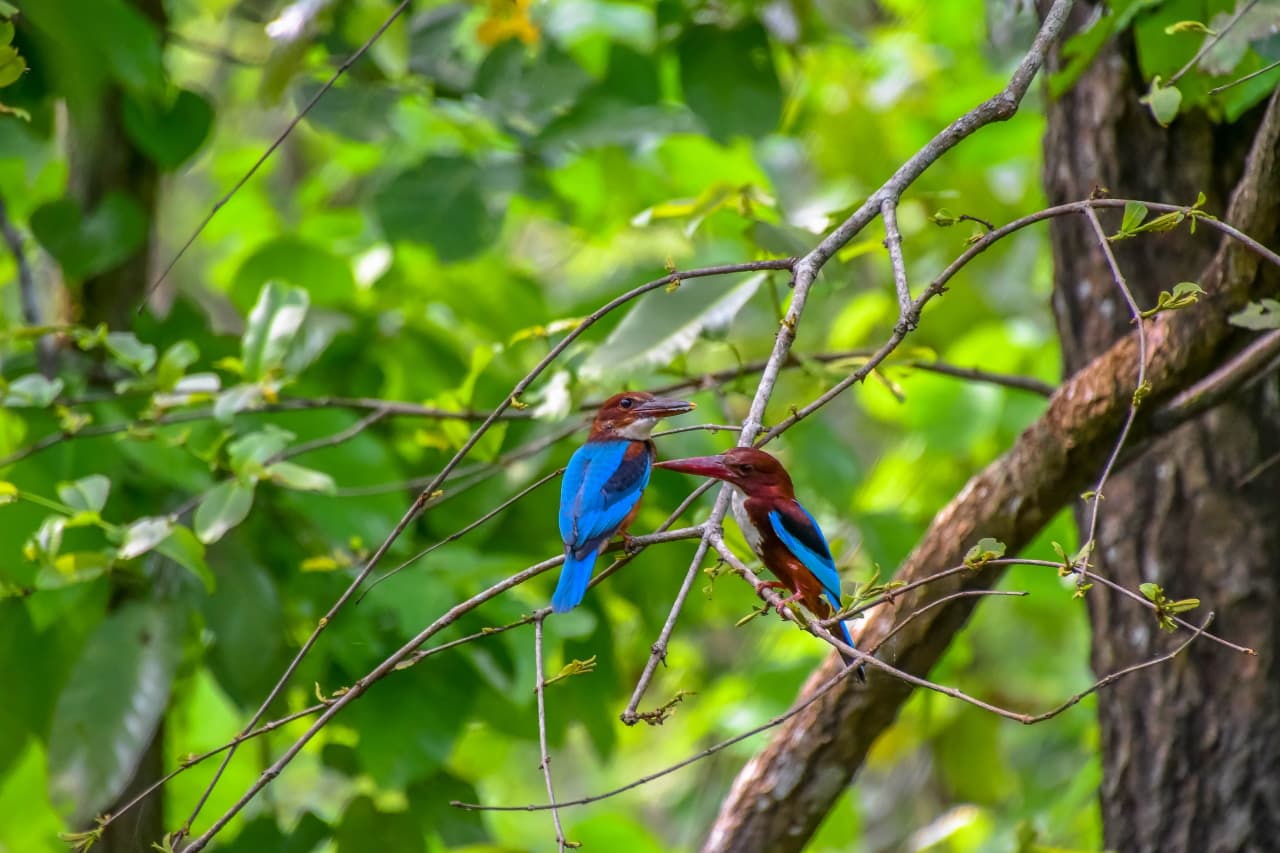
Birds around Milijuli Lake. Photo: Karun Dewan
“We began this project simply hoping to harvest water and give the old swamp a second lease on life,” shares Megh Nath Paudel, chairperson of the community forest. “But since the lake filled up, rhinos visit constantly to drink, and we regularly spot marsh crocodiles and rare migratory birds. It has completely changed the ecotourism potential of our area.”
Located within Chitwan’s critical Khageri watershed, the lake’s restoration was driven by a partnership between the local Community Forest Users Committee and the World Wildlife Fund (WWF) Nepal under its ‘Triple Benefit Program’ (TBP). Out of the total project cost of Rs 857,000, WWF Nepal’s TBP funded Rs 722,000, while the local community raised the remaining balance themselves.
WWF Nepal provided comprehensive technical and structural guidance for the design, management, and long-term protection of the lake. The intensive physical labor took place over a single month, running from mid-April to mid-May 2024. Fed by subsequent monsoon rains, the lake expanded beautifully, and Paudel notes that wildlife sightings have become a daily occurrence over the past year and a half.
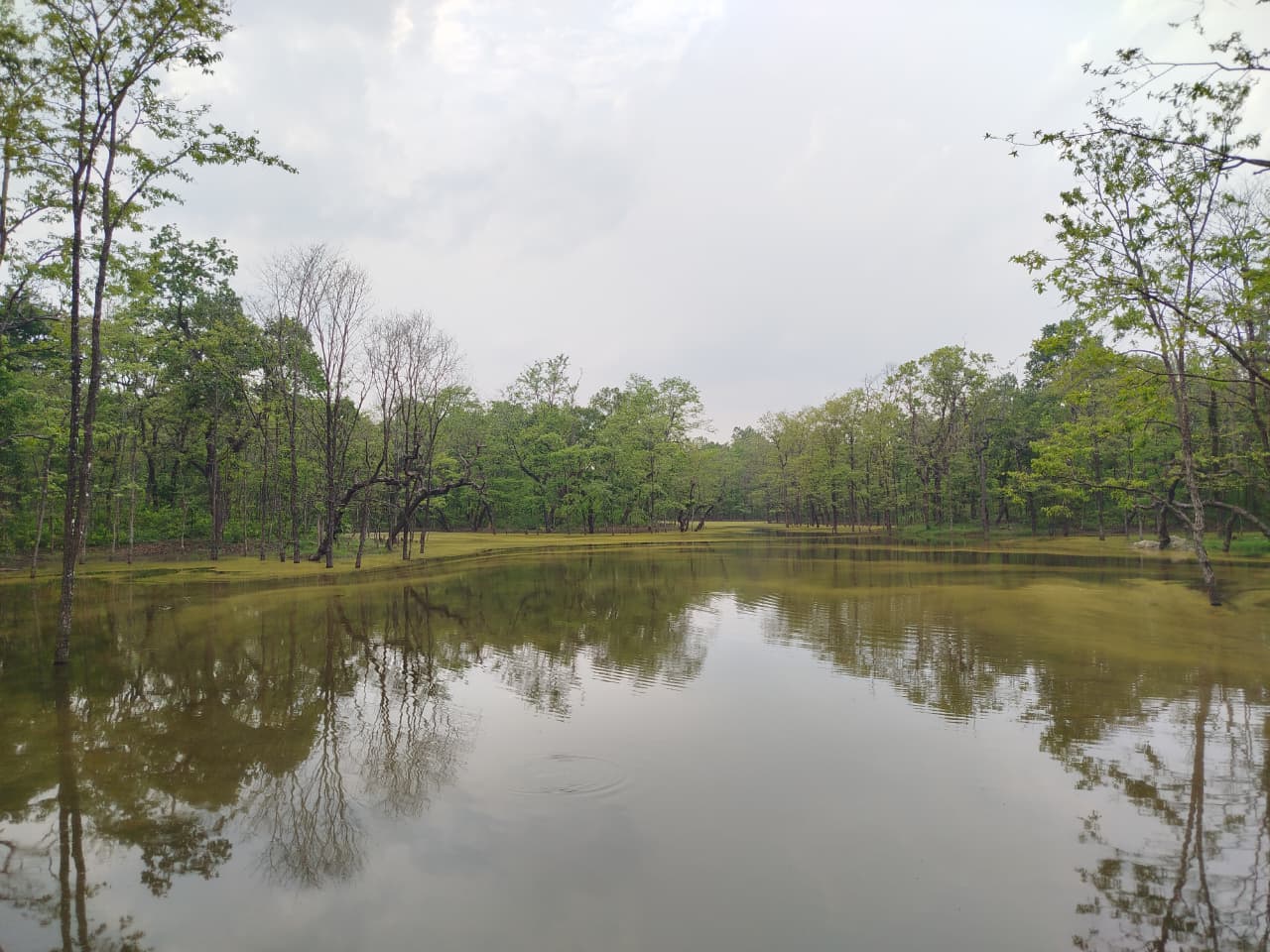
Milijuli Lake. Photo: Bidya Rai
The aesthetic transformation of the area is equally striking. Tucked deep inside the forest, the lake is shaded by a dense canopy of towering Sal trees. To prevent the water from being choked by aggressive alien weeds like water hyacinth, community members organize regular clean-up drives, extending their restoration maintenance to the nearby Kumal Lake as well.
To sustainably accommodate the rising number of nature enthusiasts, the community has constructed a rustic, three-story wooden viewing tower near Kumal Lake, built entirely from fallen timber collected inside the forest.
Globally, wetlands like lakes, ponds, marshes, and floodplains are recognized as absolute powerhouses of biodiversity. Studies show that despite covering only about nine percent of the Earth’s surface (and roughly five percent of Nepal), wetlands provide an essential home to nearly 40 percent of all plant and animal species on the planet.
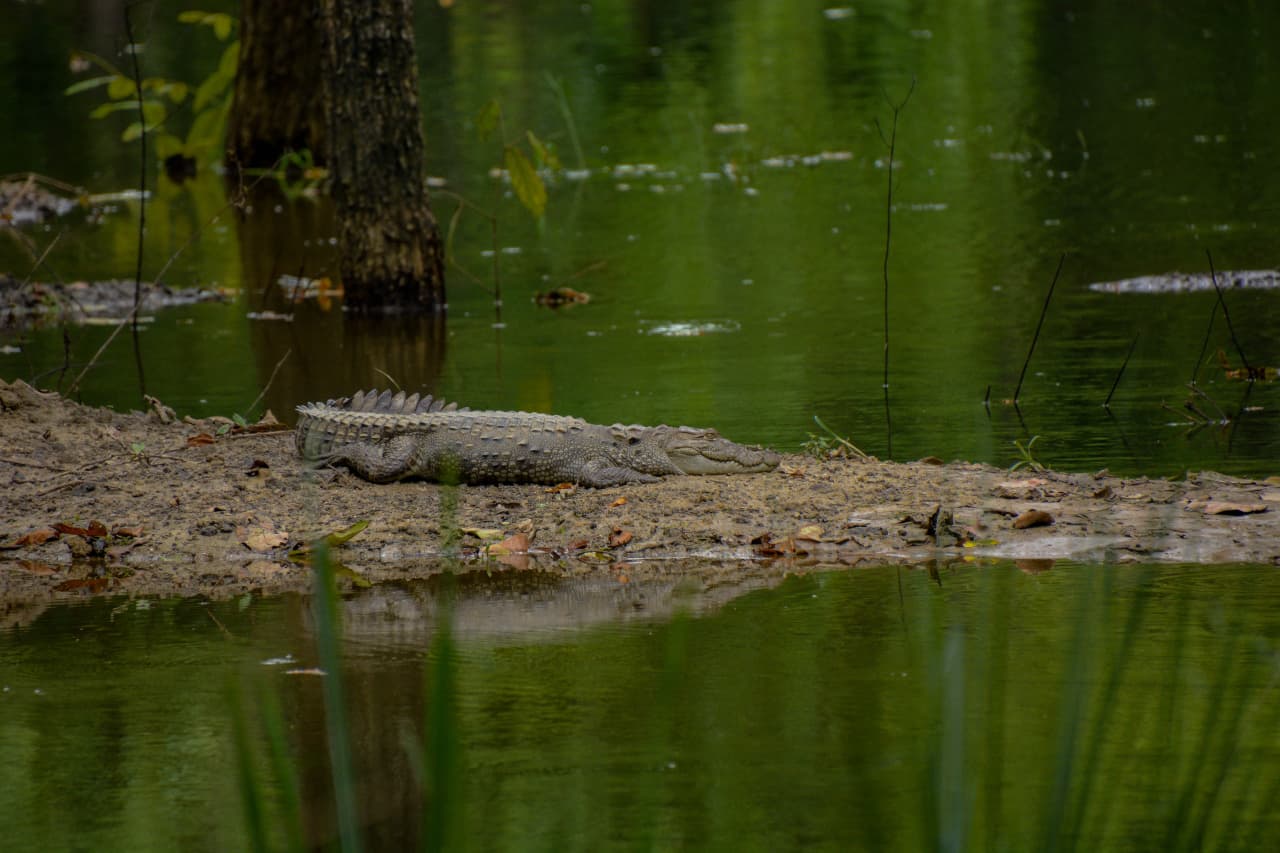
Gharial (Gavialis gangeticus) Crocodile. Photo: Karun Dewan
Despite their immense value, Nepal’s wetlands have faced severe degradation over recent decades. A toxic combination of climate change, prolonged droughts, agricultural runoff, waste dumping, resource over-exploitation, and unchecked invasive weeds has pushed these ecosystems to the brink.
A sobering 2015 report published by Chitwan National Park, titled ‘Status of Wetlands and Mugger Crocodiles in and around Chitwan National Park’, warned of a fragile future. The study revealed that wetlands were rapidly drying up, silting over, or turning into dry grasslands.
Of the 58 critical wetlands mapped and surveyed during that study, a staggering 53 were found to be struggling. Only 5 were rated in ‘excellent’ condition, while 20 were good, 19 were fair, and 14 were classified as poor. Furthermore, 17 of these areas had lost over half of their open water surface.
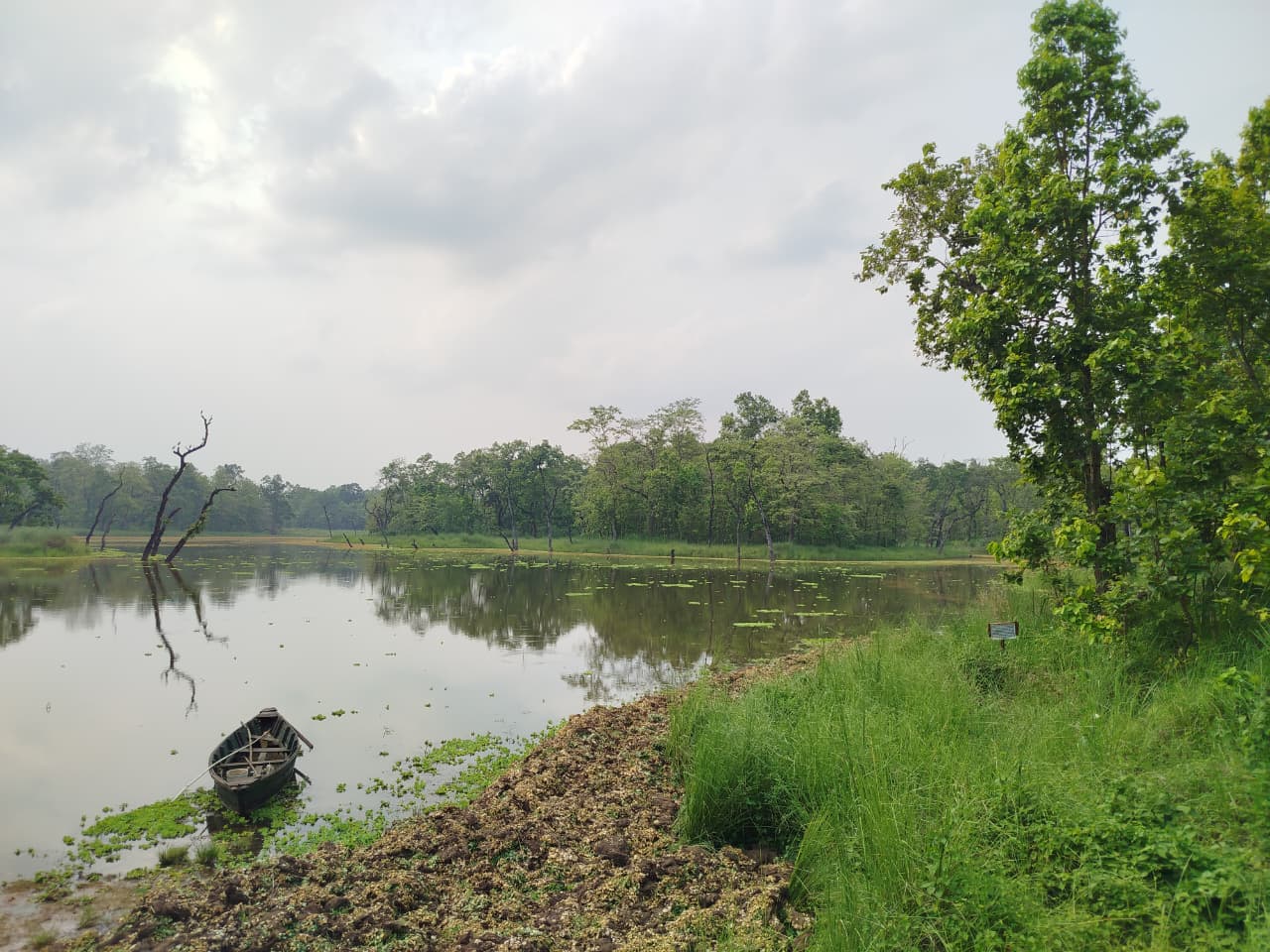
Kumal Lake. Photo: Bidya Rai
Recognizing the urgency, recent years have seen a massive push toward collaborative climate action involving the government, conservation bodies, and indigenous communities. WWF Nepal has been at the forefront, utilizing Nature-based Solutions (NbS) to empower locals living around the Khageri watershed in Chitwan and the Gindri watershed in Nawalpur.
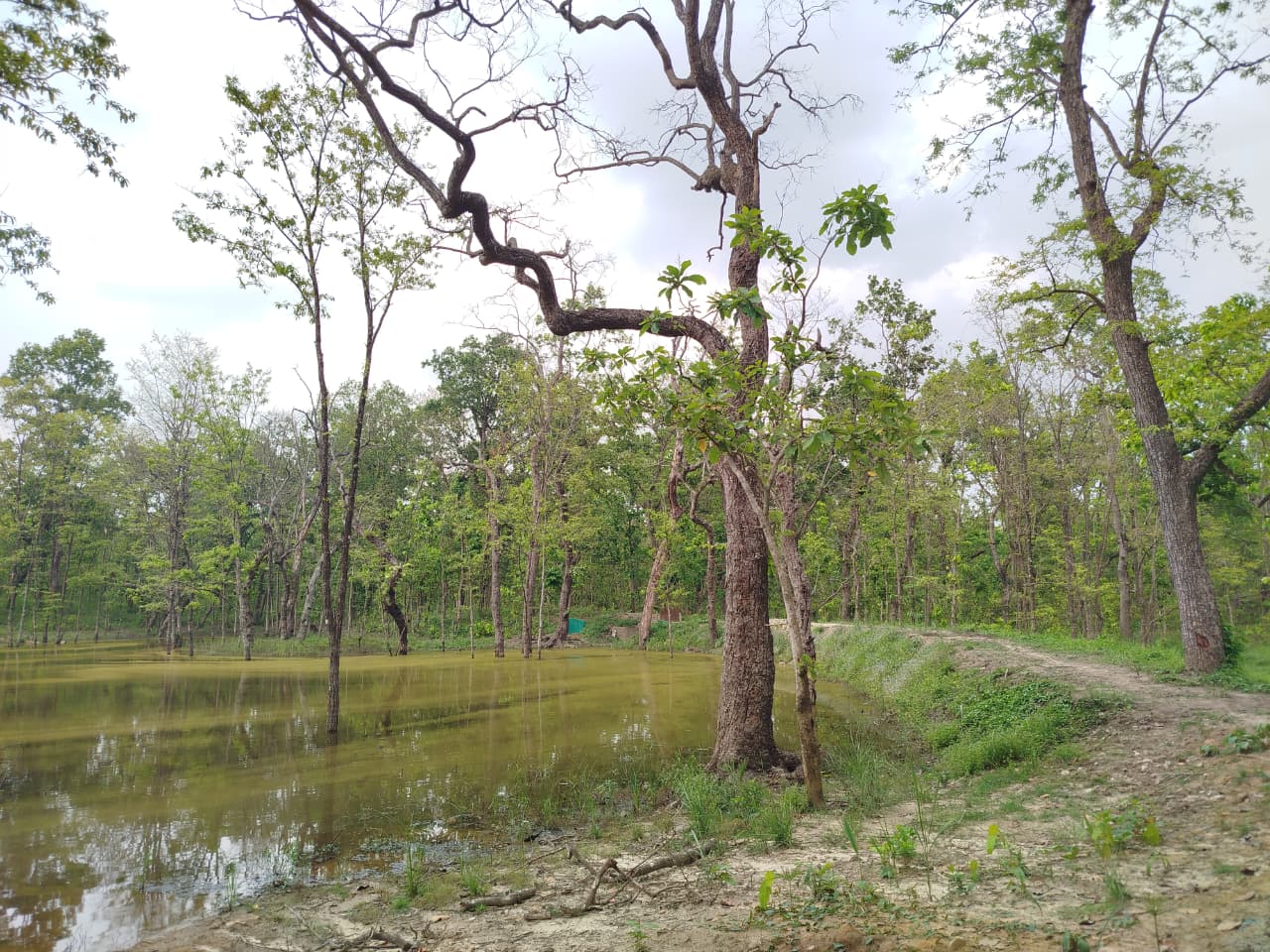
Dam of Milijuli Lake. Photo: Bidya Rai
According to Karun Dewan, Program Officer of Freshwater Programs at WWF Nepal, this collaborative model has successfully restored and secured eight vital ponds and lakes across these two critical watersheds between 2024 and 2025.
With over 11 percent of Nepal’s population relying directly on wetlands for their daily survival—fishing, livestock grazing, crop irrigation, and wild plant harvesting—the success of Milijuli Lake offers a powerful blueprint for how community-led ecological restoration can safeguard both wildlife and human livelihoods.