Kathmandu
Tuesday, July 28, 2026





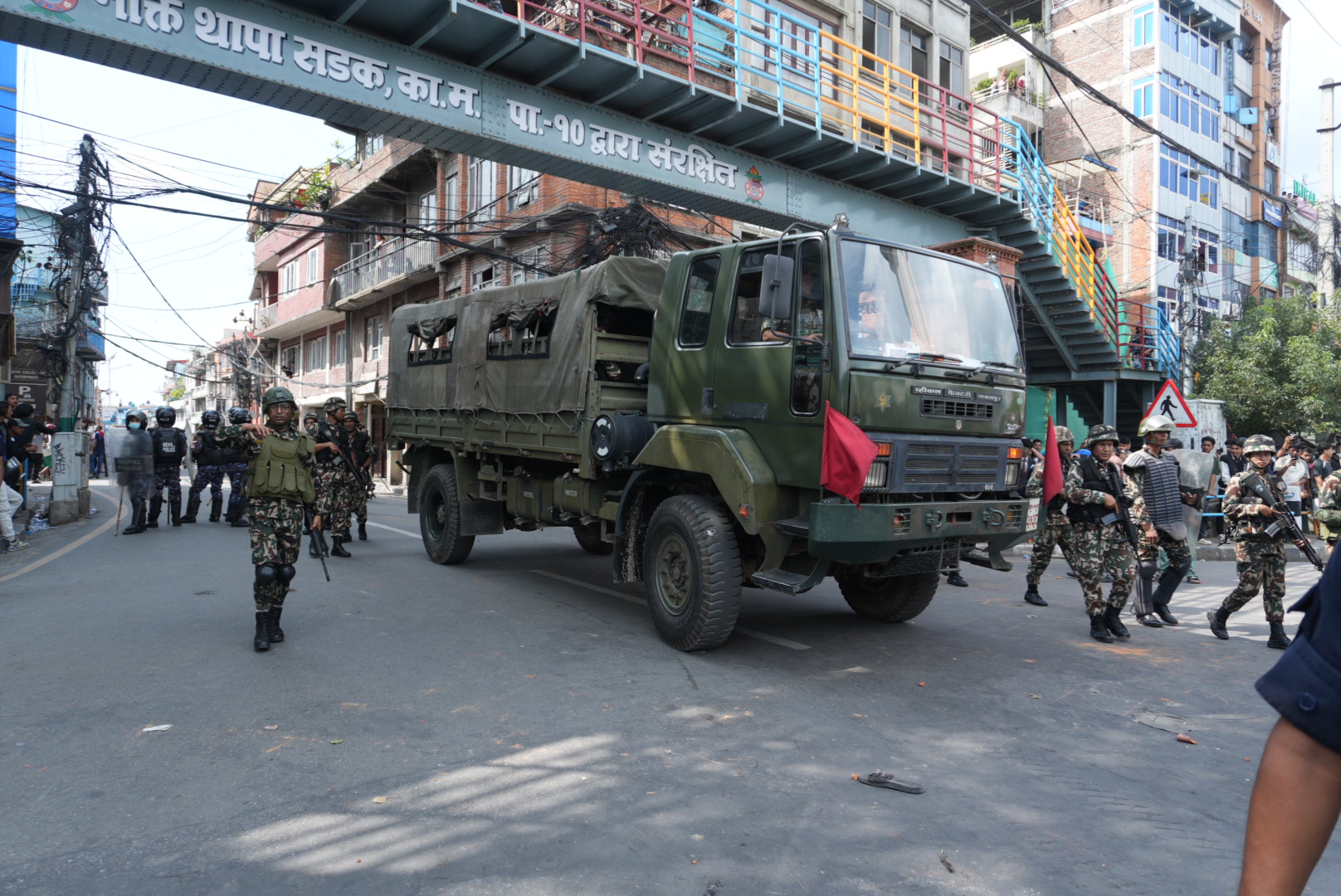
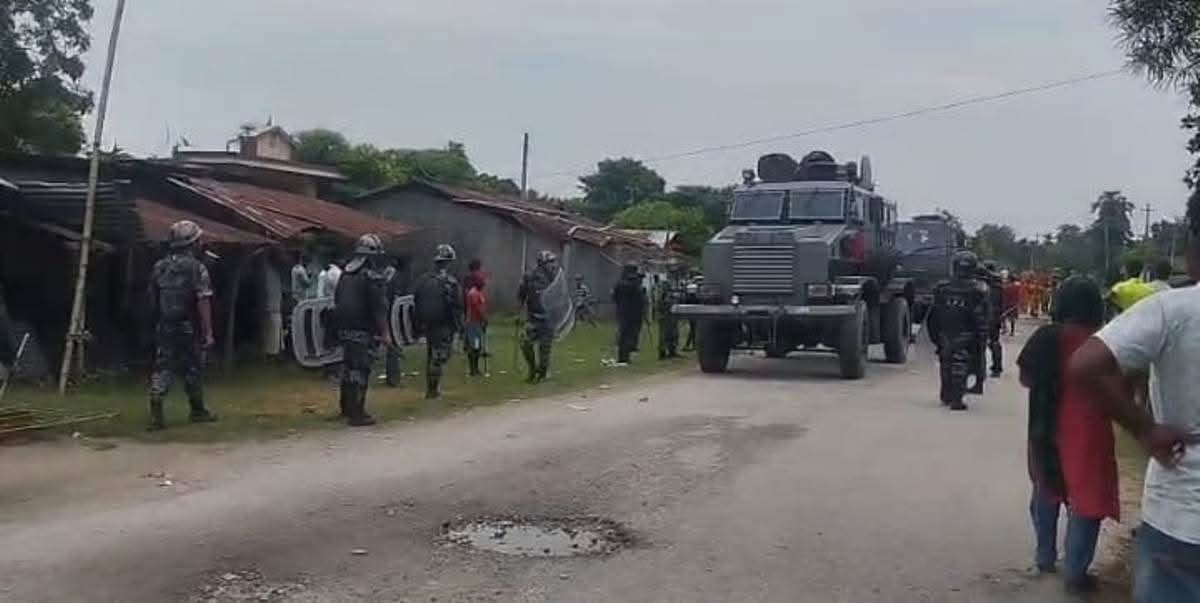
KATHMANDU: The Gauri Bahadur Karki-led investigative commission formed to investigate the killings and damages during the Gen Z movement on September 8 and 9, 2025 has raised serious questions regarding the role of the Nepali Army during the violent clashes that gripped the capital Kathmandu and across the nation on September 8 and 9 (Bhadau 23-24). Despite having clear information regarding the escalating sensitivity of the situation, the commission concluded that the military failed to deploy effectively when requested by the local administration.
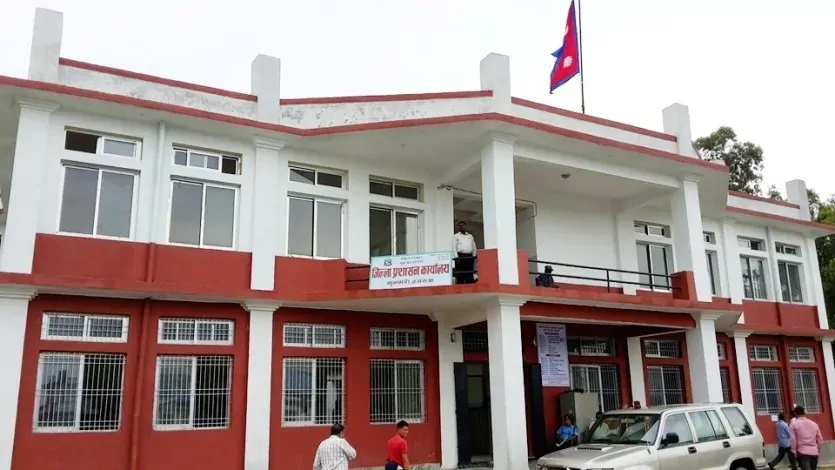
On September 8, the District Security Committee of Kathmandu had formulated a three-tier security plan based on its assessment of the protests. While the situation remained manageable in the early hours, signs that the unrest was spiraling out of control emerged by midday, prompting the Chief District Officer (CDO) to formally request military assistance.
According to page 665 of the commission’s report, the Nepali Army’s lack of responsiveness was a critical factor in the ensuing tragedy. The report notes that because a representative of the Nepali Army sits on the District Security Committee, the military was present in the CDO’s office from early morning and was fully aware of the deteriorating security environment.
“Despite the Nepali Army representative being aware of the developing situation that day, the assistance requested by the local administration was not received in a timely manner,” the report states. “Consequently, the crowd could not be controlled, leading to the use of [lethal] force that resulted in multiple deaths and hundreds of injuries.”
Under the Local Administration Act, 2028, there is a clear legal provision allowing for the mobilization of the Nepali Army if the police are unable to contain severe unrest. The commission found that this mandatory legal provision was not effectively translated into action.
The report concludes that the failure to mobilize the military in a timely fashion led to a breakdown in crowd management, eventually resulting in the excessive use of force and significantly higher human and physical casualties. This findings place the military leadership under further scrutiny for their perceived hesitation during the peak of the crisis.