Kathmandu
Tuesday, July 21, 2026





Internal rifts emerge within the NHRC over whether to hold high-ranking military officials explicitly responsible for security failures during the two-day protests

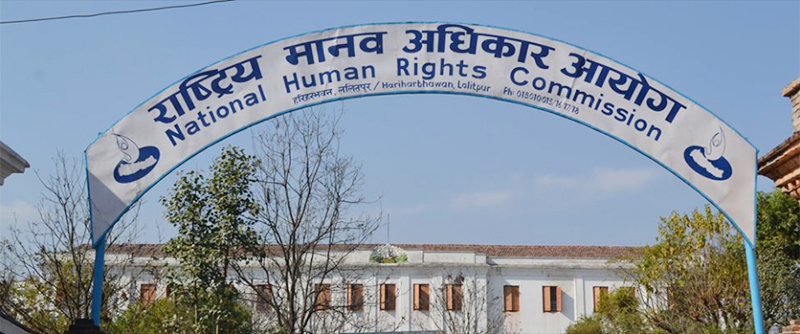
KATHMANDU: Two months have passed since the National Human Rights Commission (NHRC) prepared a report by studying the human rights violations, humanitarian, and physical damages that occurred during the Gen Z protests on September 8 and 9, 2025. The 1,000-page report, prepared over approximately six months by a five-member investigation team led by commission member Lily Thapa, was submitted to the commission’s chairman, Top Bahadur Magar, on March 20, 2026.
However, the report has not been made public yet. The Commission is facing criticism for keeping the completed report hidden. A member of the Commission, however, states that the delay in making it public is due to an internal process of modifying some matters in the report. He says that modifications are being made after the office-bearers, including the Commission’s Chairman, did not completely agree with the section questioning the role of the Army, among others, in the report that recommended action against high-ranking officials.
In the Commission’s report, it is written that the Army failed to fulfill its responsibility during the Gen Z protests. Within the report, there was a discussion among the commission’s office-bearers regarding whether the chief of the Army could be held responsible or not. Since the National Human Rights Commission is a constitutionally autonomous body, the commission’s stance is that the report should not be brought out naming individuals in a way that weakens democracy.
The member of the commission states that it took time to make the report public after differing opinions arose among the office-bearers regarding the role the Army should have played. “How can we make the report public by questioning that the Army did not work?” he says. “When looking through the lens of human rights, we cannot even say that the Army should have come out onto the streets.”
He states that preparations are underway to finalize and make the report public by looking at the controversial matters from a human rights angle. He claims that the commission will make the report public within the next week.
During the study of the report, the commission’s office-bearers raised questions, stating that the statement of Sushila Karki, who led the government after the Gen Z protest, was not taken. During the Gen Z protests, a video was released on social media in which Karki (before becoming prime minister) and Om Prakash Aryal (before becoming home minister) raised questions as to why the Army allowed the then Prime Minister KP Sharma Oli and ministers to flee. “The question has arisen as to why the commission’s study team did not take the statements of the then Prime Minister Karki and the home minister regarding that matter,” says the commission member.
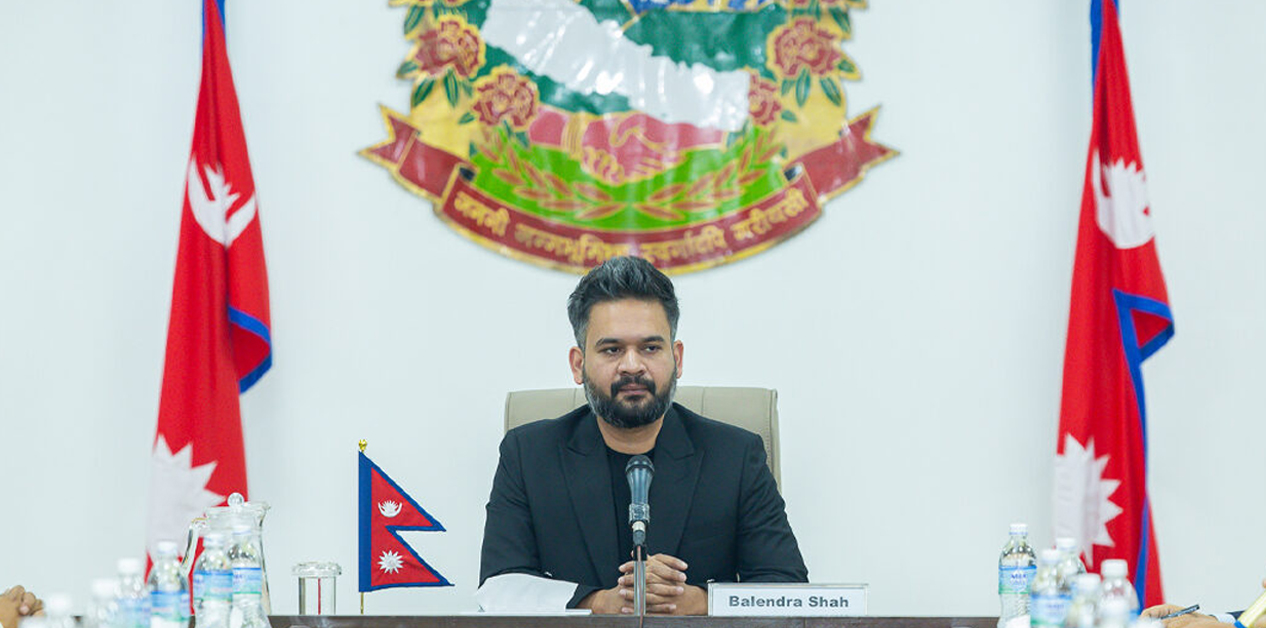
The Commission has held individuals who played direct or indirect roles in the humanitarian and physical damages that occurred on September 8 and 9, 2025, responsible for human rights violations. The Commission had taken the statements of the then mayor of Kathmandu Metropolitan City, Balendra Shah (Balen), and the president of the non-governmental organization Hami Nepal, Sudan Gurung, among others.
The spokesperson of the commission, Tikaram Pokharel, states that preparations are underway to make the report public soon. “The Chairman and members of the Commission are studying the report submitted by the investigation team,” he says. “It cannot be specified by stating that it will be made public on this exact day, but it will be made public within one week.”
The Commission’s team had started the investigation into the incidents that occurred during the Gen Z protests right from September 9, 2025.
The Inquiry Commission, led by former Judge Gauri Bahadur Karki and formed by the government to investigate the incidents during the Gen Z protests and find out the facts, had explicitly named individuals and stated to file cases for criminal offenses. However, recommendations have not been made by specifying names in the National Human Rights Commission’s report. The Karki-led commission, formed on September 21, 2025, specified the then Prime Minister Oli and the then Home Minister Ramesh Lekhak, among others, as responsible for human rights violations in the report prepared after about six months of study.
The report pointed out the then members of the National Security Council as culprits, as human rights violators, for the humanitarian loss that occurred on September 8, 2025.
In the Karki Commission’s report, which mentioned only the incident of September 8, 2025, it was suggested to form a separate commission to study the incident of September 9, 2025. There was criticism that the Karki Commission gave immunity to the culprits of the September 9, 2025, incidents by focusing only on the incident of September 8, 2025. On the second day of the Gen Z protests, arson and looting were carried out at the Parliament Building, Singha Durbar, the Supreme Court, private properties, businesses, and private residences.
There are 63 recommendations in the National Human Rights Commission’s report. It is not clear how much difference will appear when it is made public after being modified now. It is said that the report pointed out the then members of the National Security Council as culprits, as human rights violators, for the humanitarian loss that occurred on September 8, 2025. In the Security Council, where the Prime Minister is the Chairman, there is a provision that the Minister for Defense, Minister for Home Affairs, Minister for Foreign Affairs, Minister for Finance, Chief Secretary, and the Chief of Army Staff are members. According to this, during the Gen Z protest, the chairman of the Security Council was Oli, while the members were the then Minister for Defense Manbir Rai, Minister for Home Affairs Lekhak, Minister for Foreign Affairs Arzu Rana Deuba, Minister for Finance Bishnu Poudel, Chief Secretary Ek Narayan Aryal, and Chief of Army Staff Ashok Raj Sigdel.
The Commission’s report mentions that the movement flared up and serious violations of human rights occurred because the members of the Security Council failed to correctly evaluate the situation at that time, both before the movement started and after it had already occurred.
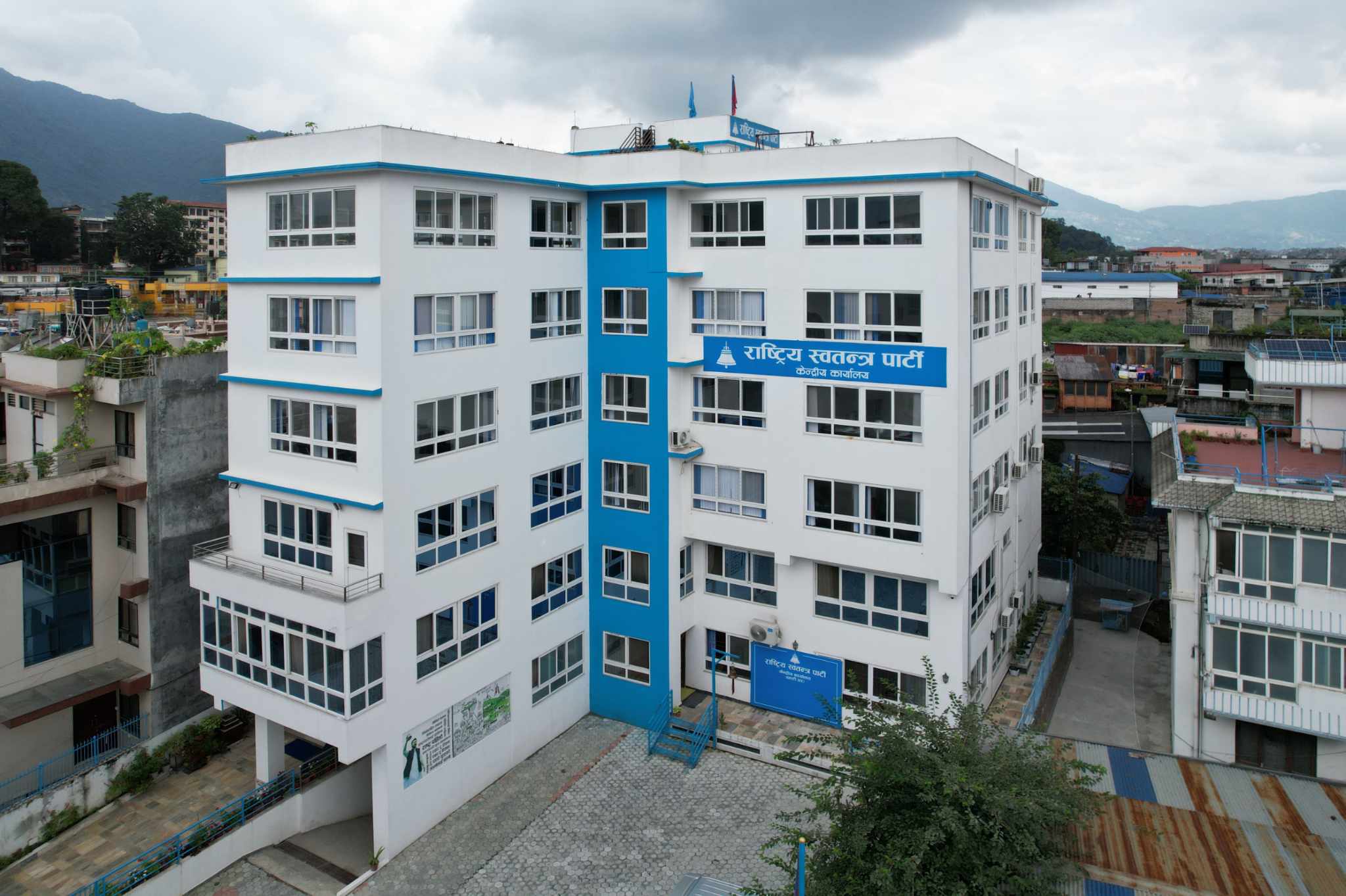
The Karki Commission had submitted its report to the government led by Sushila Karki on March 8, 2026. However, the government has not officially made the report public until now. After the government led by Balen of the Rastriya Swatantra Party was formed on March 27, 2026, the decision to implement the Karki Commission’s report was made in its very first decision. Right on the next day, March 28, 2026, former Prime Minister Oli and former Home Minister Lekhak were arrested. While both individuals were being kept by extending their remand for investigation, the Supreme Court ordered them to be released from custody 12 days later.
In the 100 agendas regarding governance reform issued by the first cabinet meeting of the Shah-led government on March 27, 2026, it was mentioned that a committee would be formed within one week to investigate the facts of the September 9, 2025, incident. However, the committee has not been formed yet.