Kathmandu
Saturday, July 4, 2026





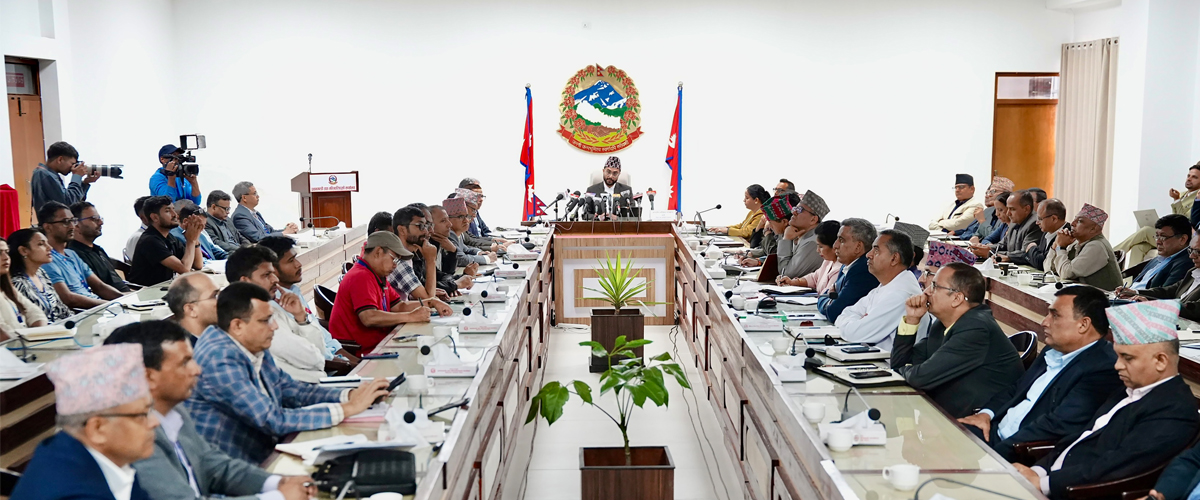
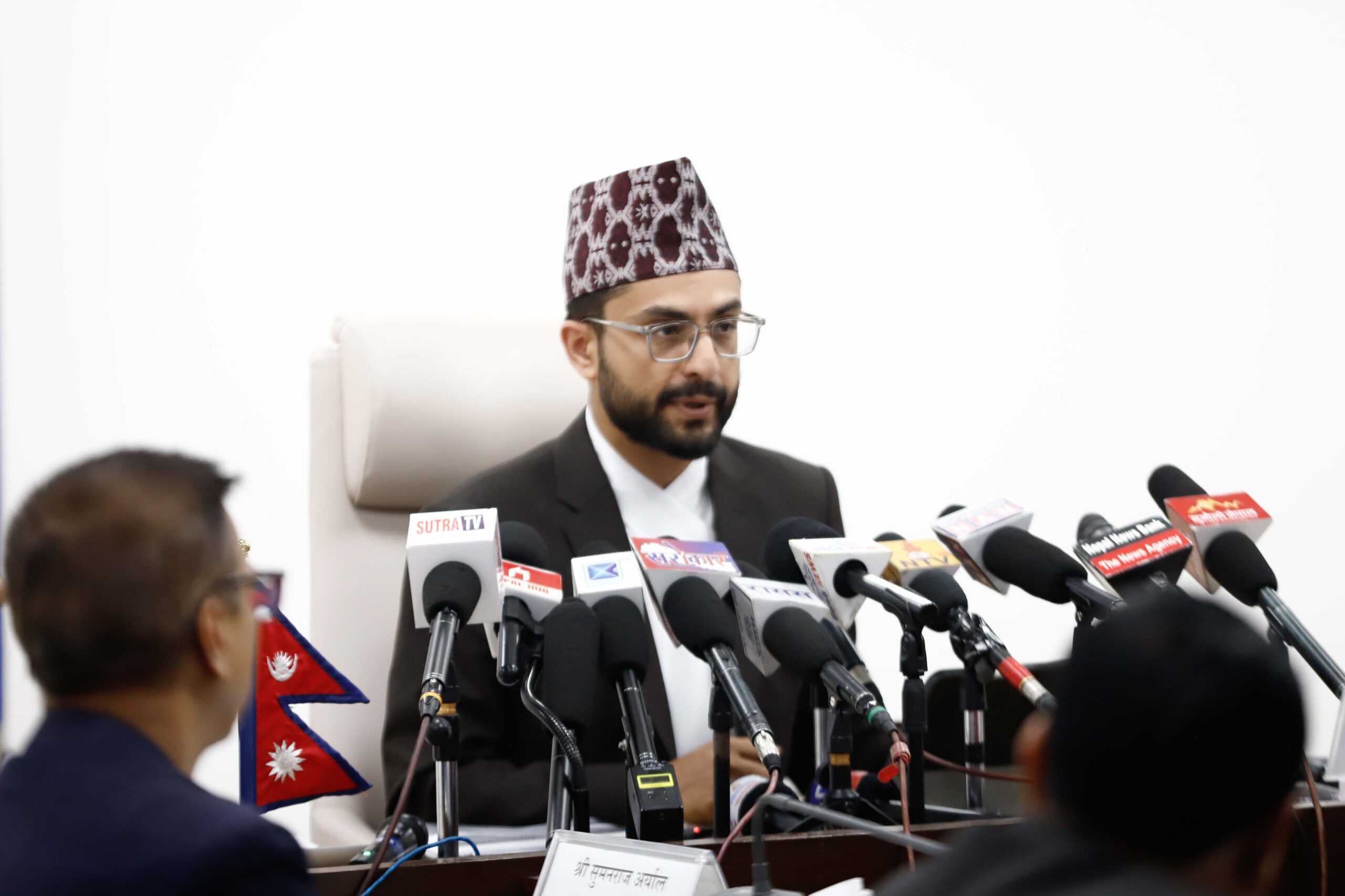
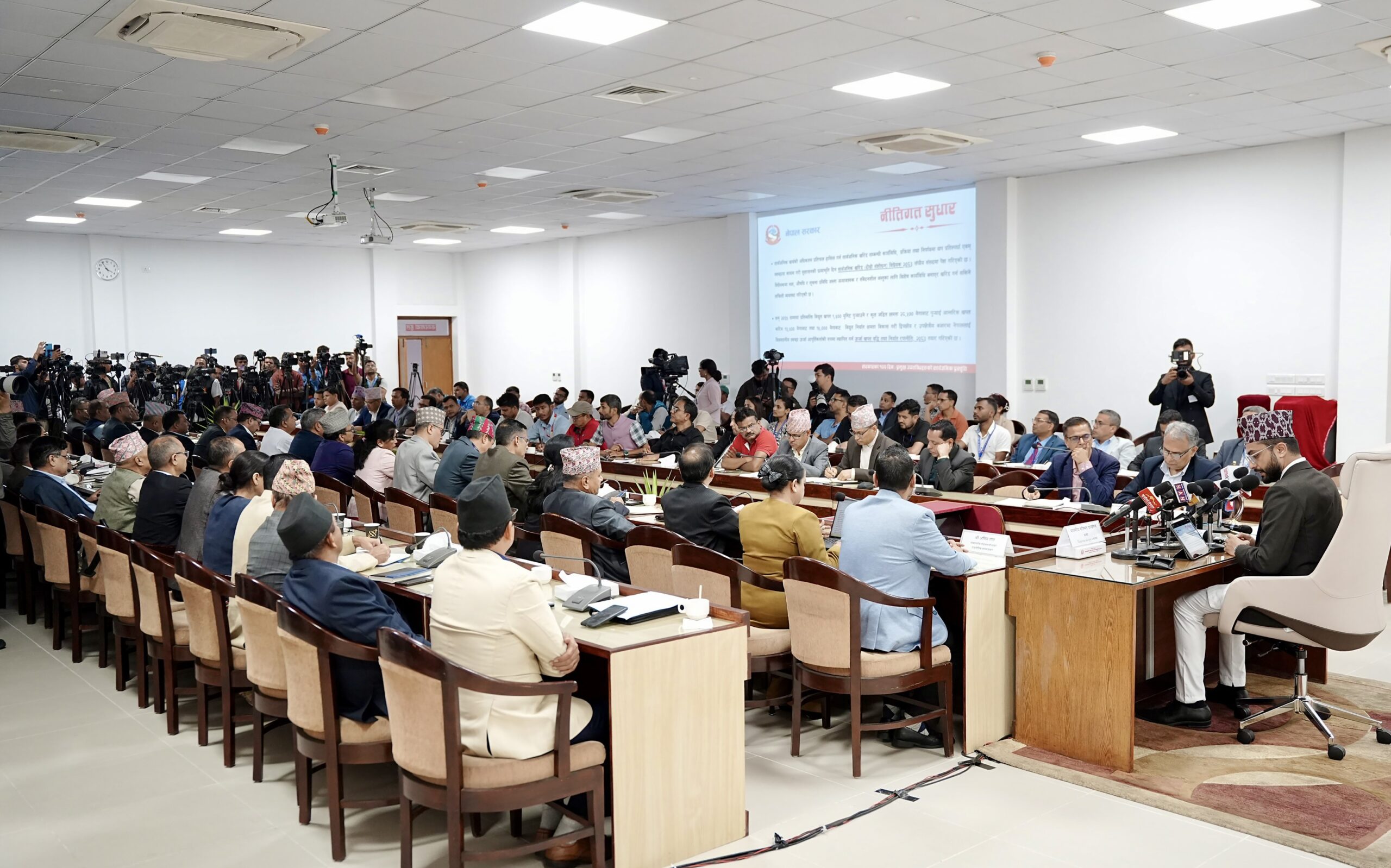
KATHMANDU: Nepal’s newly formed government under Prime Minister Balendra Shah (Balen Shah) of the Rastriya Swatantra Party has released a comprehensive 100-point agenda for governance reforms following its first Cabinet meeting.
The agenda focuses on administrative restructuring, anti-corruption drives, digital service delivery, justice for Gen Z protest victims, and depoliticizing bureaucracy.
Key immediate decisions include forming a high-level inquiry committee within one week for the September 9, 2025 incidents and an empowered asset investigation committee within 15 days to probe illicit wealth of leaders and officials since 1990.
It also plans to reduce federal ministries, modernize postal services for doorstep document delivery, and enforce time-bound, faceless governance to rebuild public trust.
Who is Balendra Shah and why did his government announce the 100-point agenda so quickly?
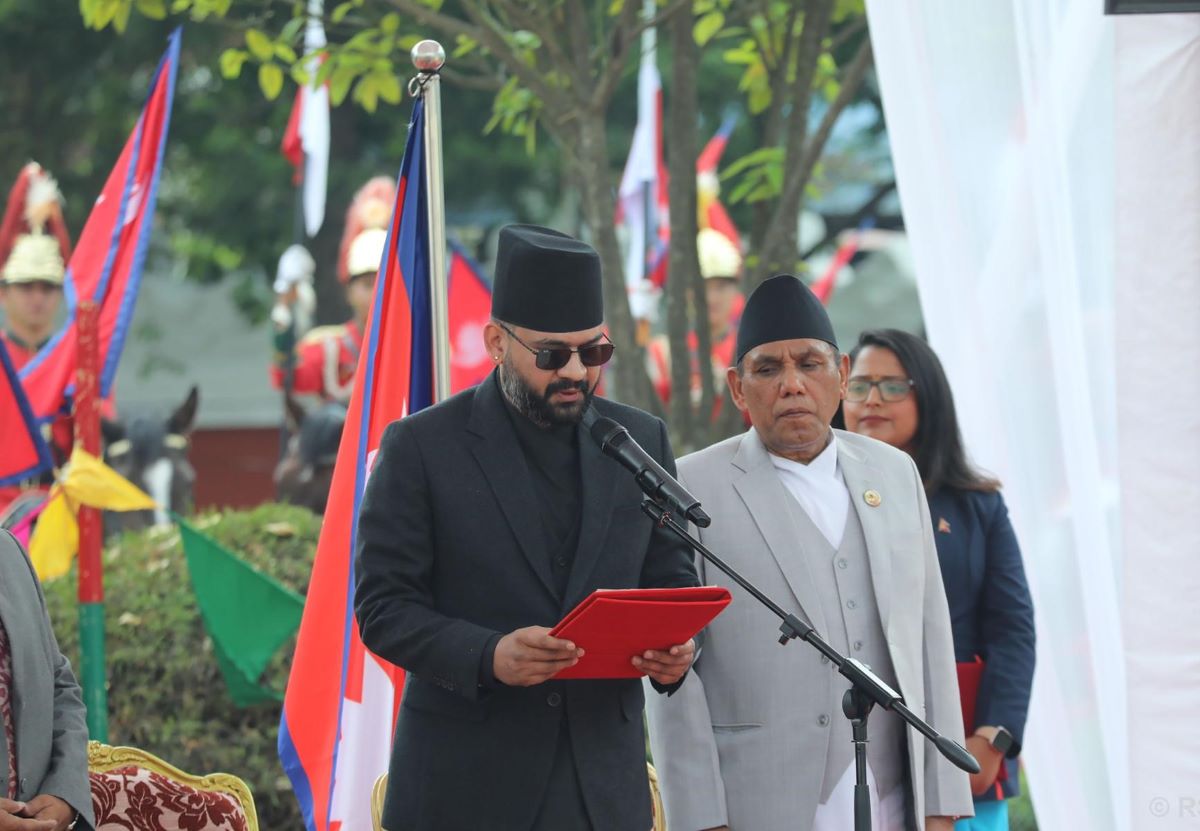
Balendra Shah, popularly known as Balen, is a young leader from the Rastriya Swatantra Party who became Prime Minister after a strong electoral mandate driven by youth frustration with traditional politics.
The agenda was announced immediately after the first Cabinet meeting to signal decisive action and fulfill campaign promises. It demonstrates the government’s commitment to “delivery-based governance” in the initial 100 days, focusing on transparency and quick wins to maintain public momentum from the Gen Z movement.
What does the agenda say about reducing the number of federal ministries?
The 100-point agenda includes drastic administrative restructuring by reducing federal ministries from around 22 to 17 or even 16 through mergers.
This aims to cut public expenditure, eliminate duplication, speed up decision-making, and improve coordination. By streamlining the bureaucracy, the government hopes to make governance leaner and more efficient while reallocating resources to priority sectors like service delivery and development.
How will the government investigate the September 9, 2025 incidents?
The agenda commits to forming a high-level inquiry committee within one week to uncover the full truth of the violent events on September 9 last year, which involved widespread destruction, arson, and casualties beyond the initial protest crackdown.
The committee will analyze evidence, identify responsible parties from all sides, and recommend legal actions. This addresses criticisms that previous probes focused only on state actions, aiming for comprehensive justice and national healing.
What is the role of the empowered asset investigation committee?
A powerful asset investigation committee will be established within 15 days under the Prime Minister’s Office.
It will probe illicit wealth of political leaders and high-ranking officials, starting with the period from 2006-2026 and later covering earlier years since 1990.
Equipped with legal and financial experts, it will verify assets, recommend prosecutions, and help recover public resources, sending a strong message against corruption.
How does the agenda plan to improve public service delivery?
The reforms emphasize full digitization to create faceless, time-bound services free from middlemen.
Key initiatives include modernizing postal services into a “Government Courier Service” for doorstep delivery of passports, citizenship certificates, and driving licenses within 100 days.
This will reduce physical visits to offices and introduce strict deadlines for approvals, making government more citizen-friendly and efficient.
Will the government ban political activities in the civil service?
Yes, the agenda includes measures to depoliticize the bureaucracy by barring civil servants from political party membership and abolishing partisan trade unions in government offices.
This aims to end political interference, promote merit-based appointments, and ensure neutral, professional administration focused on public service rather than party loyalty.
What reforms are proposed in education and health sectors?
The 100-point agenda covers education reforms such as scrapping certain internal exams up to Grade 5 and introducing alternative assessments, alongside simplifying citizenship processes.
In health, it pushes for nationwide digital health systems and expanded access for poorer citizens. These steps aim to improve quality, equity, and efficiency in essential public services.
How will the government ensure women’s participation and inclusion?
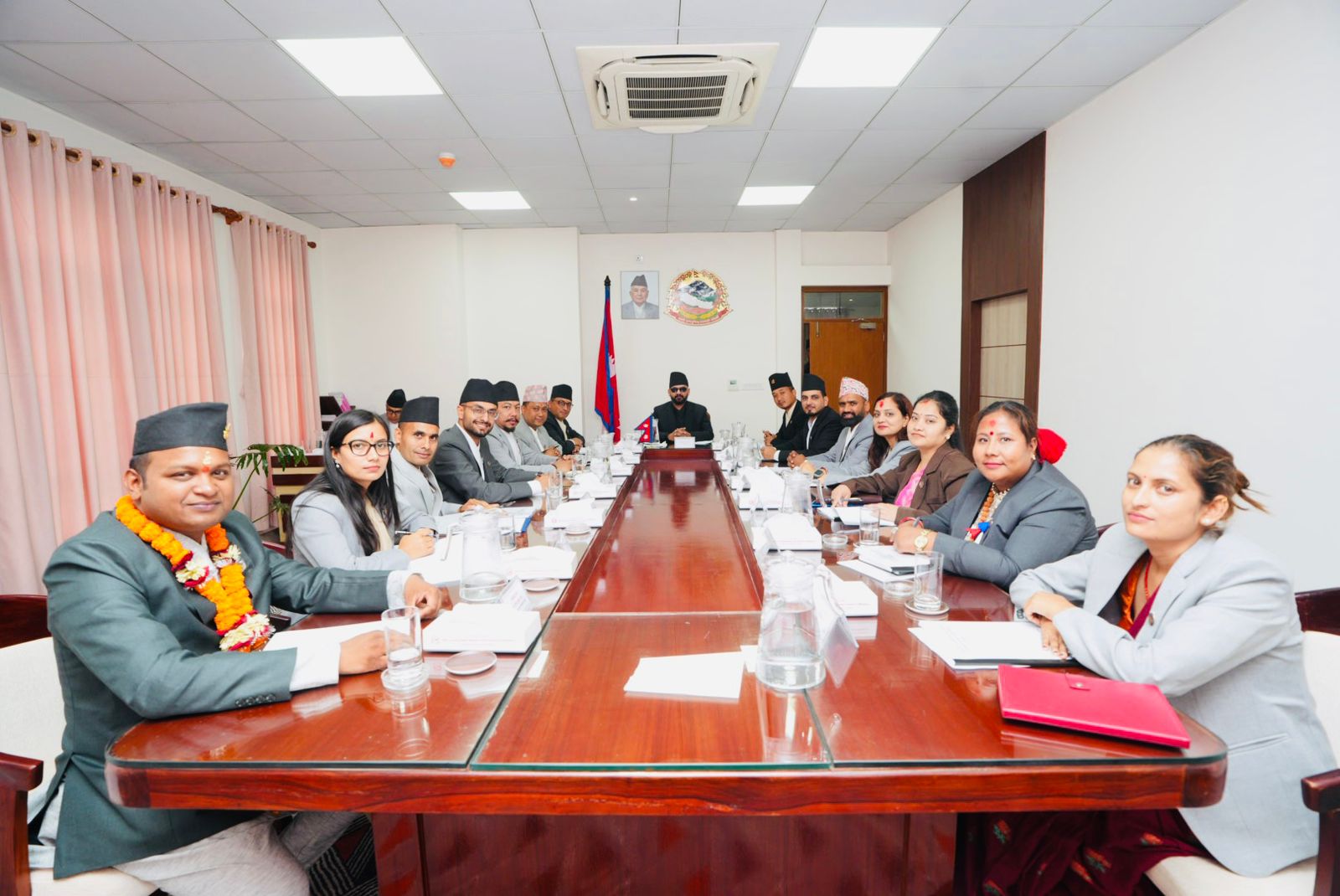
The new Cabinet has achieved the constitutional one-third women’s representation for the first time. The broader agenda promotes inclusive governance with merit-based yet representative appointments.
Additional measures may include targeted programs for marginalized groups, reflecting the youthful leadership’s focus on breaking traditional exclusionary practices in Nepali politics.
What is “Delivery-Based Governance” in the agenda?
Delivery-Based Governance is a core framework in the 100-point agenda to make administration result-oriented, measurable, and accountable.
Each ministry must prepare action plans with clear deadlines, responsible officers, and performance indicators for priority tasks.
It synthesizes election promises into a “National Commitment” for tangible public benefits within set timelines.
Will the government implement the previous Gen Z inquiry commission report?
Yes, the first Cabinet meeting decided to immediately implement the Gauri Bahadur Karki commission report on the Gen Z protests.
A two-track approach will handle civilian and security aspects, with recommendations for legal action against those responsible for violence or negligence.
This fulfills a key public demand for accountability following the unrest.
How does the agenda address corruption and impunity?
Through zero-tolerance policies, the asset probe committee, digital transparency tools, and depoliticization of services, the agenda targets systemic corruption.
It includes reopening high-profile cases, strengthening anti-graft mechanisms, and creating a digital asset registry.
The goal is to improve Nepal’s global corruption ranking and restore public faith in institutions.
What role will technology play in the reforms?
Technology is central, with plans for full e-governance, 24-hour grievance systems like an enhanced “Hello Sarkar,” citizen service centers, and digital platforms for all major services.
This will minimize human discretion, reduce delays and bribery, and enable real-time monitoring of government performance.
Are there plans for constitutional or electoral reforms?
The agenda mentions preparing a discussion paper on constitutional amendment proposals within three months.
It also aligns with earlier Gen Z demands for electoral system reforms and broader institutional changes to prevent political instability and promote accountable democracy.
How will the government support victims of the Gen Z movement?
Beyond investigations, the agenda includes tributes to martyrs, rehabilitation packages for injured protesters, and justice measures.
It honors the youth-led movement that toppled the previous government by committing to address root causes like corruption and poor governance that sparked the protests.
What are the main challenges in implementing the 100-point agenda?
Challenges include bureaucratic resistance, resource constraints for digitization (especially in rural areas), potential legal pushback from powerful figures under investigation, and sustaining political will beyond the initial 100 days.
Success will depend on public oversight, inter-ministry coordination, and pragmatic execution amid Nepal’s history of unfulfilled reform promises.
How does this agenda reflect a generational shift in Nepali politics?
Led by young leaders mostly under 40, the agenda embodies Gen Z aspirations for clean, efficient, and tech-driven governance.
It moves away from traditional coalition compromises toward merit, transparency, and direct public service, marking a break from decades of entrenched party politics and patronage systems.