Kathmandu
Friday, July 24, 2026





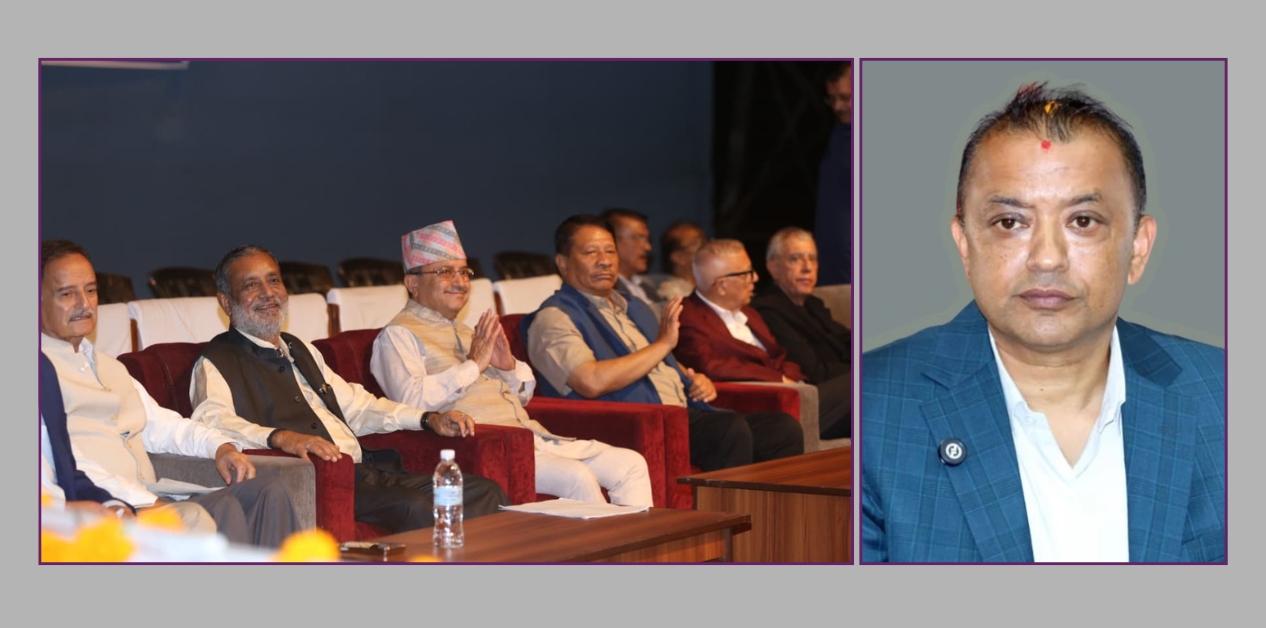
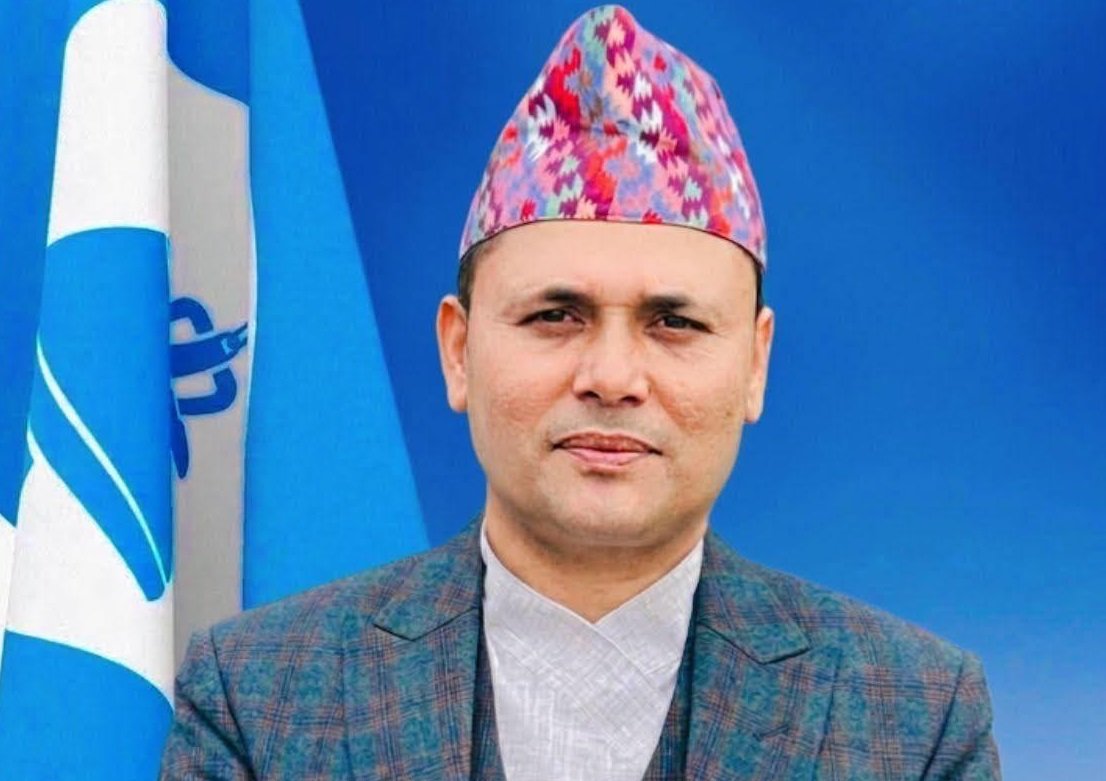
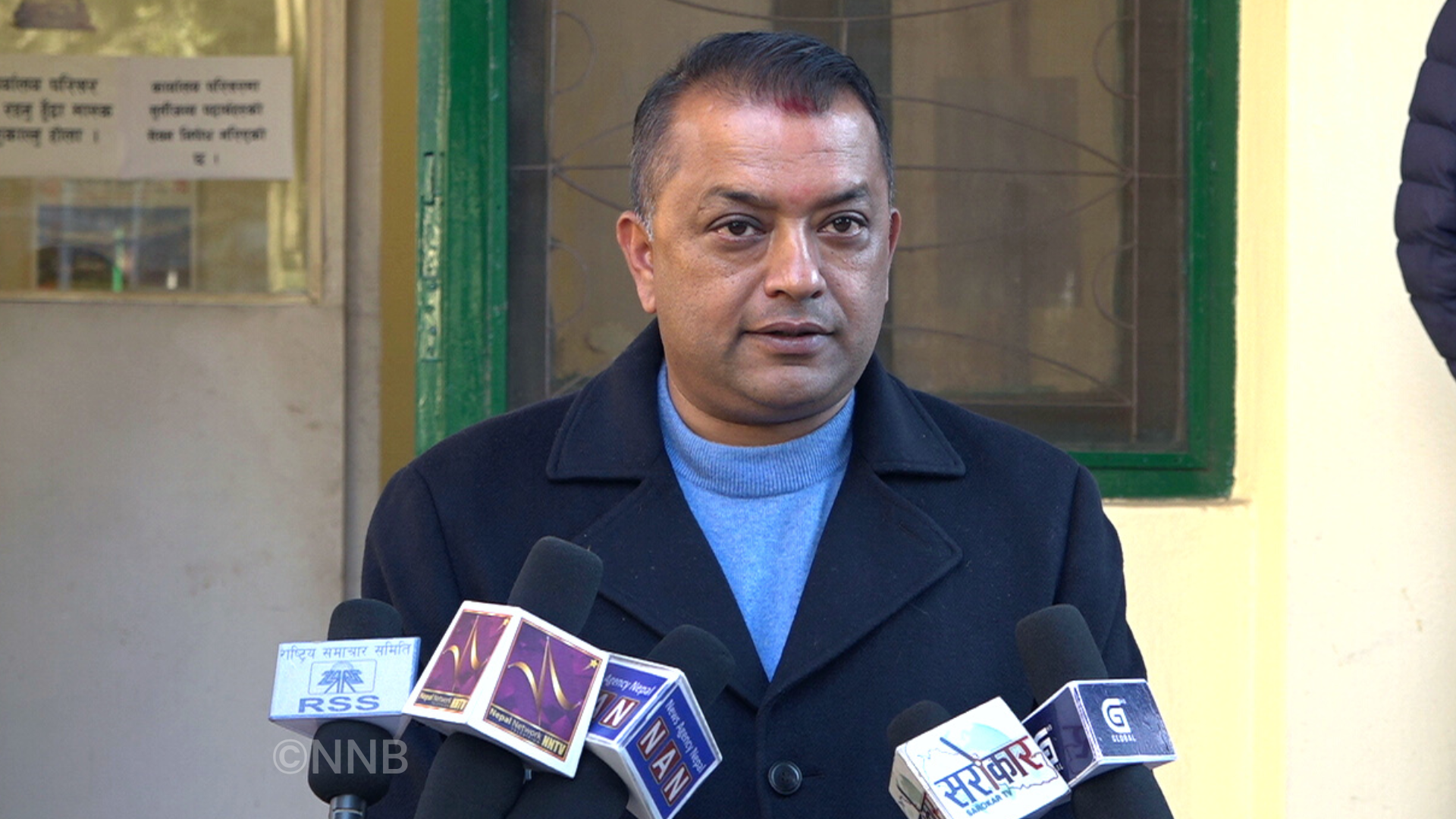
KATHMANDU: Dialogue has resumed between the establishment and non-establishment factions within the Nepali Congress. While previous talks were facilitated through General Secretary Gururaj Ghimire, Party President Gagan Thapa has personally stepped in to lead negotiations this time. Thapa took the initiative after a faction led by former President Sher Bahadur Deuba and centrist leader Shekhar Koirala began preparations for a national gathering.
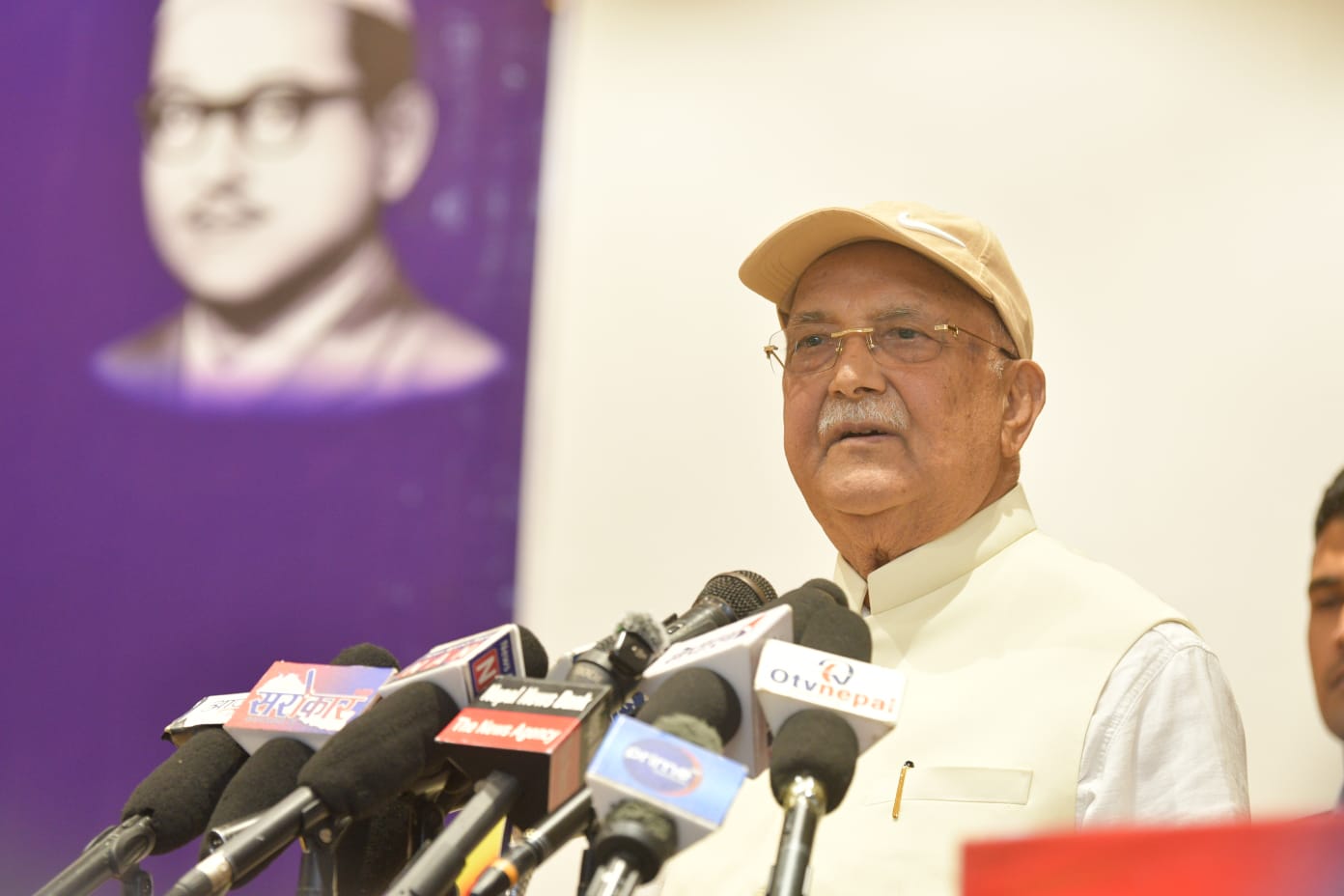
On July 22, during a program organized by the Deuba and Koirala factions at the Nepal Academy in Kamaladi, Kathmandu, on the occasion of the 44th Memorial Day of founding leader BP Koirala, plans were announced to hold a national gathering on August 14. Concluding that a consensus with the establishment side was unlikely, both factions prepared to chart a new direction through the national gathering. Following a pressure tactic by non-establishment leaders indicating they might even form a new party, President Thapa met with leader Koirala on Thursday morning.
According to General Secretary Ghimire, the first phase of talks has concluded, and discussions with leaders from the Deuba faction will follow. “The talks will continue for two to four days. I am confident that the Congress will unite,” Ghimire said.
Ghimire noted that senior leaders at the Nepal Academy gathering, including former Acting President Purna Bahadur Khadka, Koirala, and Krishna Prasad Sitaula, emphasized party unity. “Even though some suggested splitting the party or forming a new one, senior leaders stressed unity,” he said. “Circumstances caused leaders to stand divided; now it is time to unite.”
While Ghimire did not reveal specific details of the conversation between Thapa and Koirala, he maintained that the talks were moving toward a resolution. “The first phase concluded with an agreement to hold further discussions. Despite external rhetoric, both factions share the intent to come together,” he added.
Koirala’s secretariat has not issued an official statement regarding the meeting. During the Nepal Academy event, Koirala had remarked that the chances of party unity were dwindling, adding that if the party split, President Thapa would be held responsible. Senior leaders advised Thapa to engage in open dialogue and preserve party unity.
Membership update suspended
Following the initiation of talks between the establishment and non-establishment factions, the party has placed its membership update process back on a “wait-and-watch” status. Signals indicate that the party will hold off on making a final decision on membership updates, keeping open the possibility of a consensus. The update process was halted on July 22, the day of the 44th BP Memorial Day.
The membership update, renewal, and new distribution drive—which began on May 16—had its deadline extended multiple times before being set for July 19. After taking no decision on July 19, the party formally announced the closure of the update process on July 22, though detailed records have not been released publicly.
The Membership Management Committee, coordinated by General Secretary Pradeep Poudel, stated that statistics regarding updates, renewals, and new distributions since May 16 would be released on Friday. Speaking at a BP Memorial Day event at the City Hall on July 23, Acting Chief Secretary Krishna Prasad Dulal confirmed the upcoming release: “Due to engagements yesterday, the details could not be published; we will release them by this afternoon.”
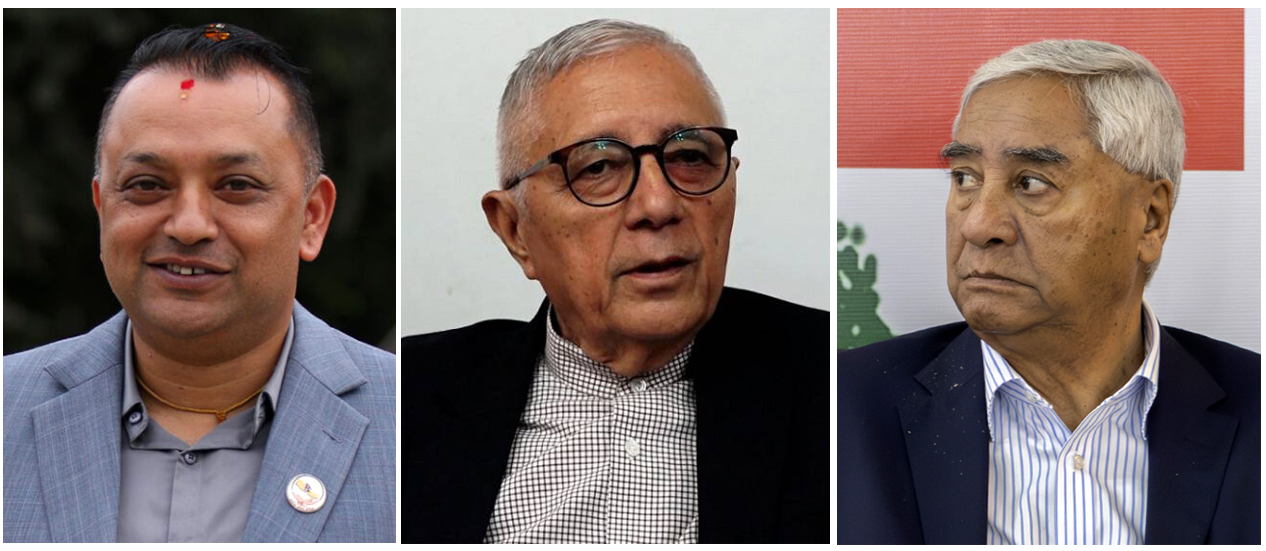
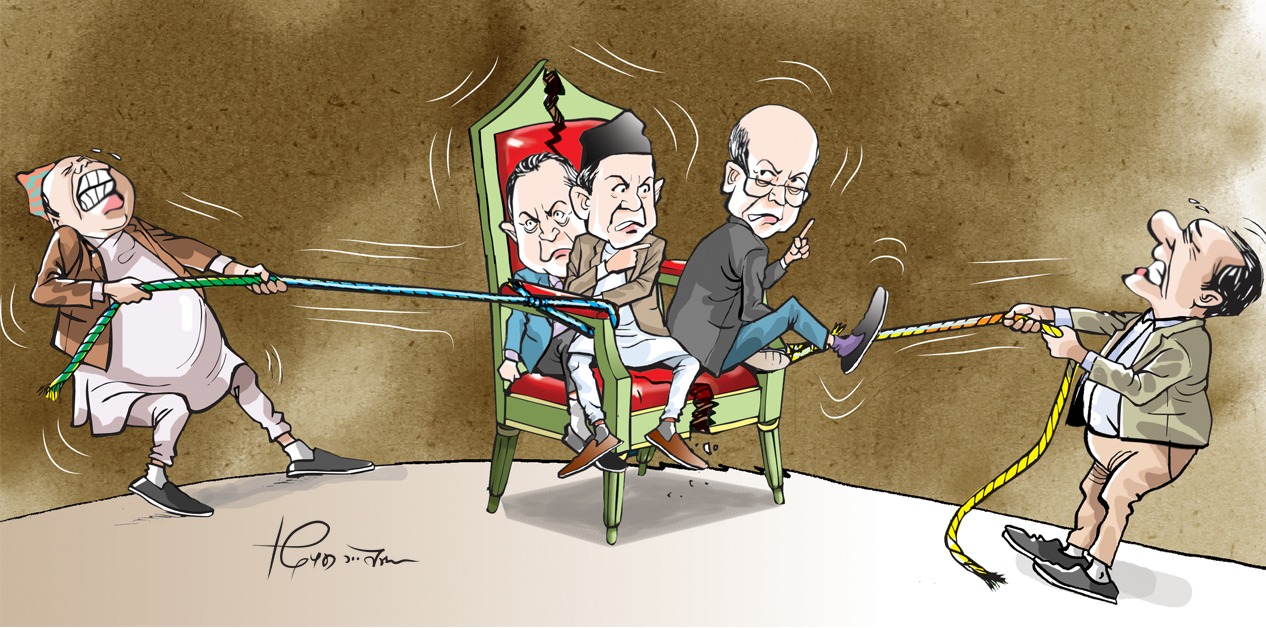
Nepali Congress leaders Gagan Thapa, Shekhar Koirala, and Sher Bahadur Deuba.
The Deuba-Koirala faction, which opposes making the membership update a mandatory condition for convention participation, has refrained from participating in the update drive. In response, the establishment side is adopting a strategy to leave the door open for leaders wishing to complete their updates. The Central Working Committee meeting scheduled for July 26–31 will determine how to address the non-participating faction. General Secretary Paudel stated, “The Central Committee will decide on a final deadline—one or two months prior to the general convention—for existing members wishing to update their status.”
A special general convention held on January 11, 2026, had elected a new working committee under the leadership of Gagan Thapa. The special convention dissolved the executive committee led by Sher Bahadur Deuba, which was elected during the 14th General Convention, and adopted a new party constitution. The updated statute stipulates that party members must update their membership at least once prior to the regular general convention; failure to do so results in automatic disqualification from convention proceedings.
General Convention schedule affected
The timeline for holding the 15th Regular General Convention in October has been disrupted due to the membership update dispute. Under the action plan approved after the special convention, the update process—originally scheduled for April—was delayed until a legal dispute over party authenticity was settled by the Supreme Court. Non-participation by the Deuba-Koirala faction further delayed the process. Consequently, the roadmap aimed at completing the general convention by October remains stalled, pushing back schedules from the ward level to the central convention.
Earlier, a Central Working Committee meeting on March 26, 2026, had decided to conduct the 15th Regular General Convention from October 2 to 5, 2026. The decision mandated starting active membership updates, renewals, and new distributions by mid-April. However, the process commenced only a month after the Supreme Court ruled on the party’s authenticity.
The schedule to distribute and update active memberships across all 6,743 wards—originally planned for April 14 to May 14—was delayed and only commenced on May 16. Although the central leadership set a June 29 deadline to investigate and finalize membership details, the update process stretched until July 22.
Similarly, the timeline to submit the finalized list of updated active members to the Central Election Committee by mid-July 2026 was disrupted. According to the original schedule, ward committee conventions were set to begin on August 18 to elect regional representatives, followed by rural municipal and municipal conventions on August 23. The party had also adopted a policy to conduct provincial assembly, regional, and single-constituency district conventions on September 2.
Following the court’s verdict on party authenticity, President Thapa initiated talks with the Deuba and Koirala factions. However, after both sides presented separate conditions, active dialogue stalled. On May 11, Thapa nominated 19 individuals from the Deuba and Koirala camps to the Central Working Committee without prior consultation. Irked by the unilateral nominations, the Deuba-Koirala faction boycotted the membership update drive initiated on May 16, causing progressive delays in the convention schedule.
Both non-establishment groups share similar demands: renewals completed after the 14th General Convention should be treated as valid updates, updates should not be mandatory, committees elected from the 14th and special conventions should be adjusted, and respectable representation should be granted in the Election, Discipline, and Active Membership Management committees. While showing flexibility on these demands, the Deuba-Koirala faction has put forward a new demand for a political mechanism to ensure a fair convention. Meanwhile, the establishment side rejected the proposal to merge committees elected from the 14th and special conventions. Joint General Secretary Prakash Rasaili stated, “Such a proposal cannot be accepted under the constitution. Any agreement must remain within the framework of the party statute.”
Deuba faction moves court again
Despite the Supreme Court’s earlier ruling on the party’s authenticity, the faction led by former President Sher Bahadur Deuba has returned to court. On Thursday (July 23), former Acting President Purna Bahadur Khadka filed a review petition at the Supreme Court challenging the order. The court has registered the petition and initiated the review process.
Former Vice President Bimalendra Nidhi stated that the review petition was filed following the release of the full text of the judgment. On April 17, a division bench of Justices Saranga Subedi and Nrip Dhwaj Niroula upheld the Election Commission’s January 16 decision validating the executive committee elected by the special general convention. “Since judicial review remains an available remedy, we approached the court as permitted under the law,” Nidhi said.
With the Deuba faction seeking judicial review, the general convention schedule is expected to face further delays pending the court’s final ruling. Joint General Secretary Rasaili noted, “They have moved the court, and we await its interpretation. The Central Committee meeting from July 26 to 31 will assess convention preparations and make further decisions regarding the membership update dispute.”
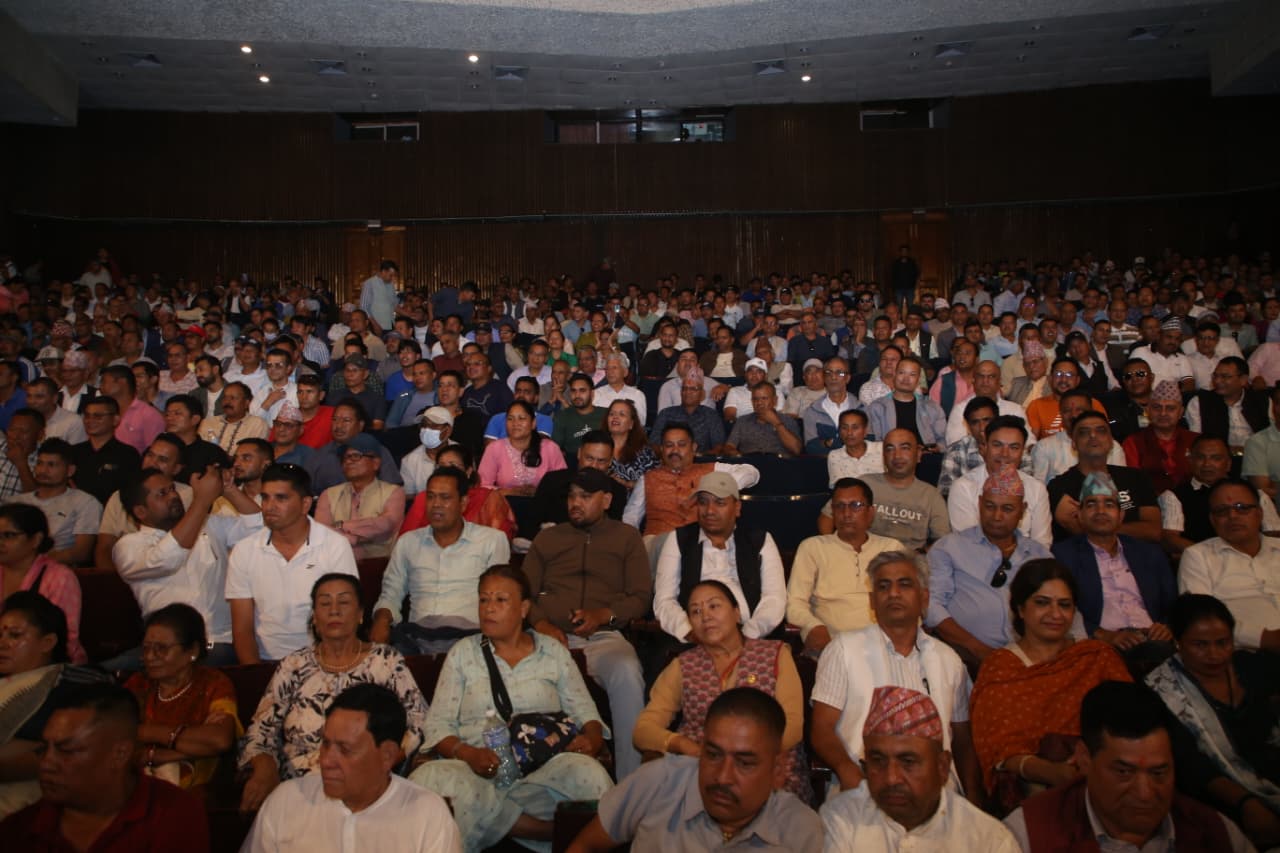
Participants at a memorial assembly organized by the non-establishment faction of the Congress on the occasion of BP Memorial Day.
Generally, the judiciary avoids intervening in the internal affairs of political parties. While internal party disputes are typically resolved by the Election Commission, the Deuba faction turned to the Supreme Court after exhausting legal remedies against the commission’s decision. The Deuba camp has publicly challenged the Supreme Court’s interpretation, with leader Krishna Prasad Sitaula criticizing both the judgment and the bench during the Nepal Academy event.
The Supreme Court previously clarified that under the party constitution, calling a special general convention becomes mandatory when requested by 40 percent of general convention delegates. The court held that if party leadership fails to act, General Secretaries initiating the process does not violate the statute. As the central office operates under the General Secretaries, the court ruled that calling a special convention fell within their constitutional authority.
The court further affirmed that validating the updated details of officials elected at the special convention was a legal obligation of the Election Commission. It noted that because the party constitution lacks provisions for electing new delegates specifically for a special convention, the continuation of existing general convention delegates was natural and lawful.
Additionally, the court ruled that signature withdrawals attempted after the conclusion of the special convention do not retroactively affect its legitimacy, noting that such grievances should have been raised during the convention itself. The Supreme Court concluded that given the failure to hold a regular convention on time, the demand by delegates for a special convention and the subsequent election of new leadership constituted a valid constitutional process, thereby upholding the Election Commission’s decision.