Kathmandu
Sunday, July 26, 2026





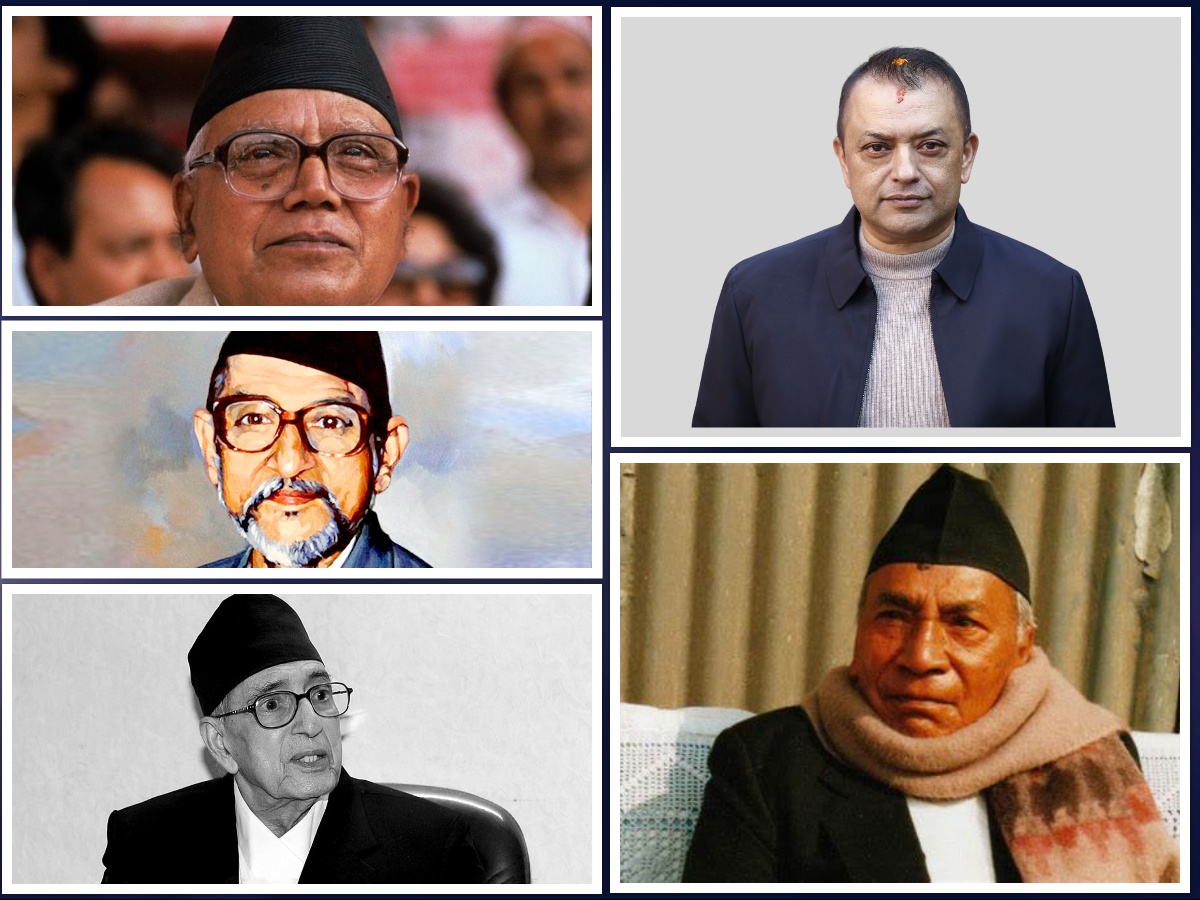
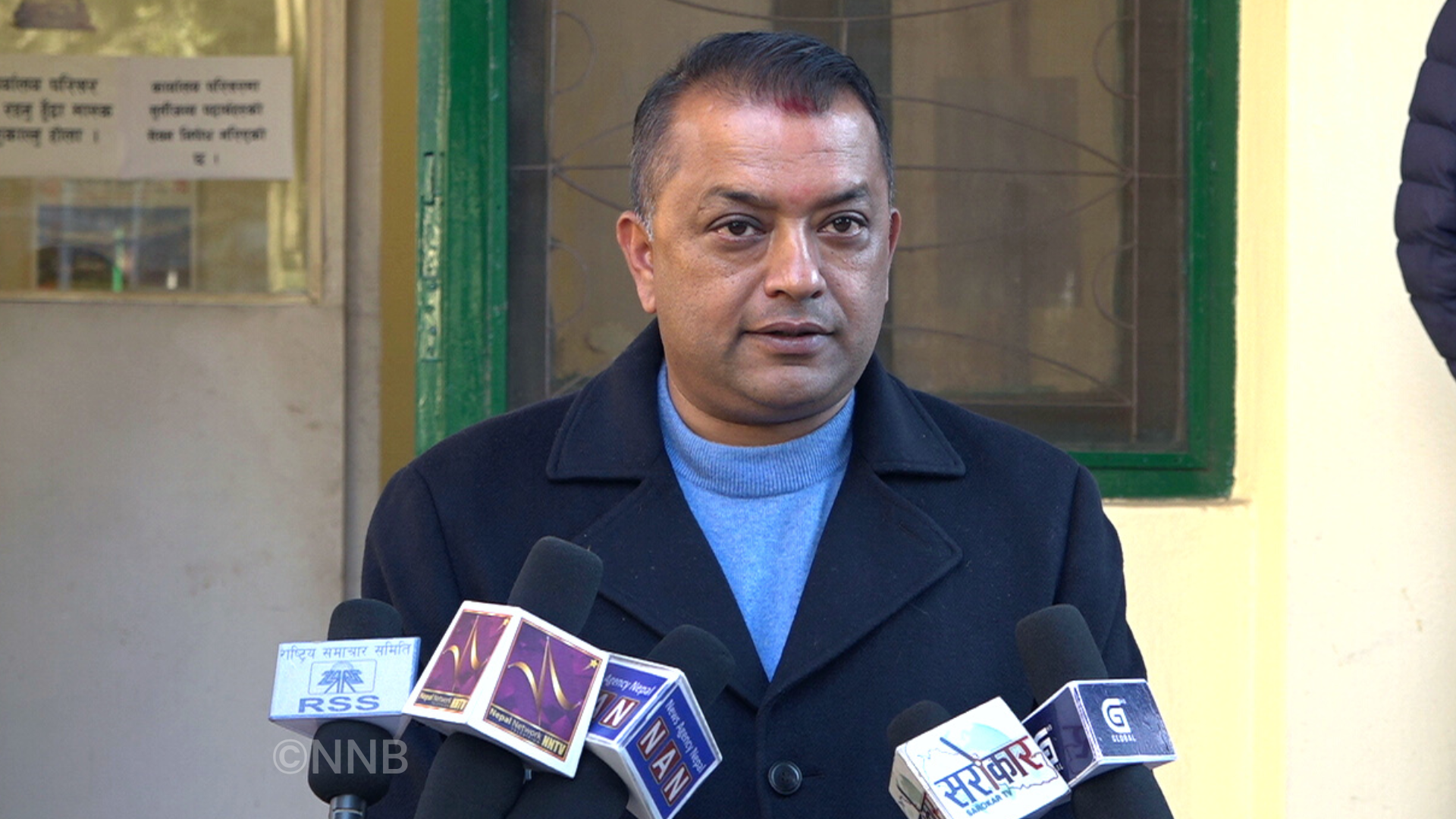
KATHMANDU: In a landmark development on April 17, 2026, the Supreme Court has granted legitimacy to Gagan Thapa as President of the Nepali Congress.
This follows the Election Commission’s earlier recognition of the Thapa-led committee elected through a special general convention in January 2026.
The ruling strengthens the reformist faction amid an intense internal power struggle with the Sher Bahadur Deuba group, which had challenged the move in court.
It marks a pivotal shift in the party’s long history of leadership transitions and factional rivalries.
This Nepal News timeline delves into the legacy, conflicts, and controversies of the grand old party of Nepal.
January 25–26, 1947: Nepali National Congress formed and inaugurated in Bhawanipur, Kolkata, India; Tanka Prasad Acharya (imprisoned) elected President, B.P. Koirala Acting President.
February 2–3, 1948: Second General Convention held in Banaras, India; B.P. Koirala elected Party President.
August 4, 1948: Nepal Democratic Congress founded in Calcutta by Subarna Shamsher Rana and others (precursor to merger).
March 1–3, 1949: Third General Convention held in Darbhanga, India; Matrika Prasad Koirala elected President.
April 8–9, 1950: Fourth General Convention held in Kolkata; Matrika Prasad Koirala reelected President.
April 9–10, 1950: Nepali Congress officially formed via merger of Nepali National Congress and Nepal Democratic Congress in Calcutta; Matrika Prasad Koirala becomes President and calls for armed struggle against Rana regime.
September 26–27, 1950: Bairgania Conference adopts armed revolution strategy to overthrow Rana regime.
November 6, 1950: Armed revolution begins; King Tribhuvan goes into exile in India; Indian and Burmese socialists provide support.
November 11, 1950: Armed forces attack Birgunj; liberation campaign spreads to eastern hills and Palpa.
February 18, 1951: Rana regime falls; Rana-Nepali Congress coalition government formed on parity basis (Mohan Shumsher Prime Minister, B.P. Koirala Home Minister); enacts Interim Constitution 1951, establishes Supreme Court and Public Service Commission, initiates Birta abolition.
November 16, 1951: Matrika Prasad Koirala (NC President) nominated first commoner Prime Minister by the King.
May 23–26, 1952: Fifth General Convention held in Janakpur; B.P. Koirala elected Party President.

July 25, 1952: Matrika Prasad Koirala expelled from party for violating principles and undermining 1951 Constitution.
August 14, 1952: Matrika Prasad Koirala cabinet ends; power shifts toward monarchy.
April 1953: Matrika Prasad Koirala forms Rastriya Praja Party (first major split from Nepali Congress).
January 23–27, 1956: Sixth General Convention held in Birgunj; adopts democratic socialism and decentralization policy; Subarna Shamsher elected President.
September 1956: Rastriya Praja Party (Matrika faction) reunites with Nepali Congress.
May 23–24, 1957: Special General Convention held in Biratnagar; B.P. Koirala elected President.
December 7, 1957: Nepali Congress launches Civil Disobedience Movement (with other parties) demanding elected government per Interim Constitution.
May 15, 1958: Joins multiparty caretaker government under Subarna Shamsher to prepare for elections.
February 18–April 3, 1959: First nationwide parliamentary elections held; Nepali Congress wins twothirds majority (74 of 109 seats).
May 27, 1959: First elected government formed; B.P. Koirala sworn in as Prime Minister; launches land/agrarian reforms, administrative/judicial reforms, National Planning Board, industrialization, education/health programs.
May 7–13, 1960: Seventh General Convention held in Kathmandu; B.P. Koirala reelected President.
December 15, 1960: King Mahendra’s coup dissolves elected government and parliament; bans parties, suspends civil liberties, imposes Panchayat system; B.P. Koirala and leaders arrested/exiled.
1960–1968: B.P. Koirala imprisoned without trial for eight years (mostly at Sundarijal); suffers from throat cancer while in detention.
January 5, 1961: King Mahendra formally proclaims partyless Panchayat system.
March 1961 : B.P. Koirala transferred to specially secured Sundarijal prison; begins long solitary confinement.
1961–1962: Nepali Congress launches armed raids from Indian bases to restore democracy (ends with Indo-China war).
December 16, 1962: New Panchayat Constitution promulgated, centralizing power under the King.
October 30, 1968: B.P. Koirala released from prison (facilitated by then-Prime Minister Surya Bahadur Thapa) and enters self-exile in Banaras, India.
1968–December 1976: B.P. Koirala lives in self-exile in Banaras, India (eight years), continuing underground resistance and political writing against Panchayat system.
December 30, 1976: BP Koirala’s National Reconciliation Policy was initiated when he returned to Nepal from eight years of exile in India. He returned with colleagues like Ganesh Man Singh to promote unity against foreign interference, despite facing potential death penalty charges.
May 2, 1980: Nepali Congress supports multiparty system in national referendum (Panchayat wins amid rigging claims).
May 9, 1981: Boycotts first direct Rastriya Panchayat elections.
July 21, 1982: B.P. Koirala dies; massive public funeral galvanizes antiPanchayat sentiment.
1985: Launches nationwide civil disobedience campaign for multiparty democracy restoration.
1986: Boycotts Rastriya Panchayat elections again.
January–April 1990: Organizes mass rallies with communists, sparking Jana Andolan I prodemocracy movement.
April 8, 1990: King Birendra lifts party ban after Jana Andolan I; interim government formed.
April 19, 1990: Krishna Prasad Bhattarai appointed Prime Minister of interim coalition government.
May 12, 1991: General elections; Nepali Congress wins majority (110 of 205 seats).
May 26, 1991: Girija Prasad Koirala sworn in as Prime Minister (first post-1990 term); forms majority government.
February 19–21, 1992: Eighth General Convention held in Jhapa; Krishna Prasad Bhattarai elected President.
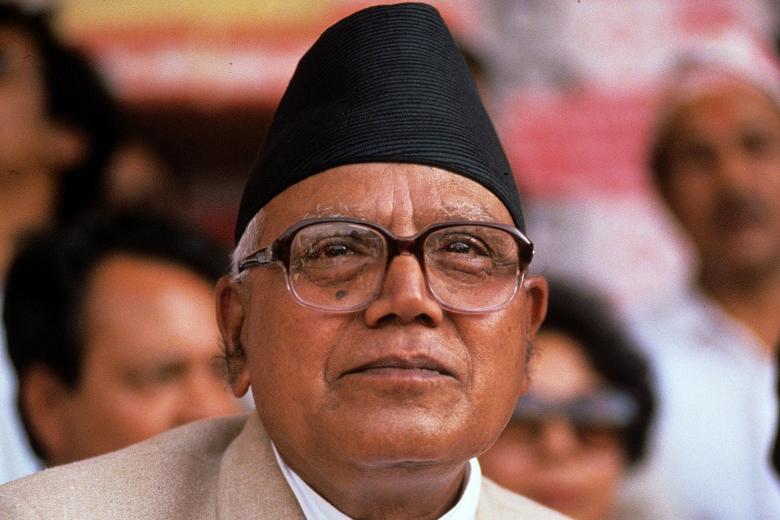
November 30, 1994: Girija Prasad Koirala government falls; midterm elections called.
September 12, 1995: Sher Bahadur Deuba becomes Prime Minister (first term, coalition government).
May 8–12, 1996: Ninth General Convention held in Kathmandu; Girija Prasad Koirala confirmed as President.
March 12, 1997: Deuba’s first government collapses.
April 15, 1998: Girija Prasad Koirala becomes Prime Minister (second term).
December 23, 1998: Girija Prasad Koirala government reformed/continued.
May 31, 1999: Krishna Prasad Bhattarai sworn in as Prime Minister (second term) after 1999 elections (NC wins 111 seats).
March 16, 2000: Krishna Prasad Bhattarai resigns as Prime Minister.
March 20, 2000: Girija Prasad Koirala becomes Prime Minister (fourth term).
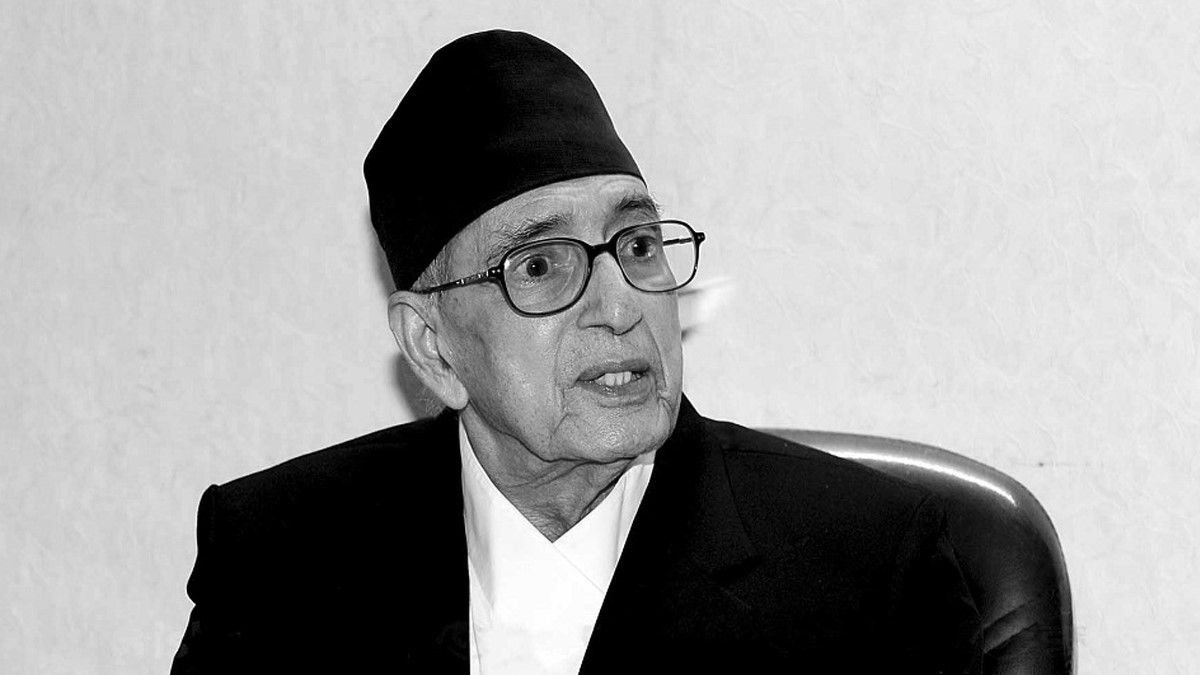
January 19–23, 2001: Tenth General Convention held in Pokhara.
July 19, 2001: Girija Prasad Koirala resigns; Sher Bahadur Deuba elected party leader and Prime Minister (second term).
May 22, 2002: Disciplinary committee expels Sher Bahadur Deuba for emergency extension violation; Deuba faction forms Nepali Congress (Democratic) (second major split).
June 2002: Deuba supporters hold rival convention and expel Girija Prasad Koirala.
October 4, 2002: King Gyanendra dissolves House; Deuba’s second term ends.
August 17–20, 2005: Eleventh General Convention held in Kathmandu.
2005: Forms Seven Party Alliance (SPA) and signs 12point Delhi understanding with Maoists for constituent assembly and antimonarchy movement.
April 24, 2006: King reinstates parliament after Jana Andolan II; Girija Prasad Koirala forms government.
November 21, 2006: Comprehensive Peace Accord signed with Maoists, ending civil war.
September 24, 2007: Nepali Congress (Democratic) reunites with Nepali Congress; Girija Prasad Koirala remains President.
2007: Mahantha Thakur and others split to form Terai Madhesh Loktantrik Party (Madhesh related split).
April 10, 2008: First Constituent Assembly elections; NC wins 110 of 575 seats (second place).
September 17–21, 2010: Twelfth General Convention held in Kathmandu; Sushil Koirala elected President.
November 2013: Second Constituent Assembly elections; NC largest party (196 seats), forms coalition.
February 11, 2014: Sushil Koirala sworn in as Prime Minister (coalition).
September 20, 2015: New Constitution promulgated under Sushil Koirala’s leadership.
October 10, 2015: Sushil Koirala resigns as Prime Minister.
March 3–6, 2016: Thirteenth General Convention held in Kathmandu; Sher Bahadur Deuba elected President.
June 7, 2017: Sher Bahadur Deuba becomes Prime Minister (fourth term, coalition).
November 26 and December 7, 2017: General elections were conducted in two phases, with the Nepali Congress defeated by the UML–Maoist alliance.
February 15, 2018: Deuba’s fourth term ends.
July 13, 2021: Sher Bahadur Deuba sworn in as Prime Minister (fifth term).
December 13–15, 2021: Fourteenth General Convention held in Kathmandu; Sher Bahadur Deuba reelected President.
November 20, 2022: General elections were held, with the Nepali Congress emerging as the single largest party through its alliance with the Maoists.
December 26, 2022: Deuba’s fifth term ends after elections.
September 9, 2025: Then Nepali Congress President Sher Bahadur Deuba and his wife, Foreign Minister Arzu Rana Deuba, were assaulted at their Budhanilkantha residence; the house was set on fire, property was looted, and they were rescued by the army.
December 30, 2025: Ward level conventions begin for 15th General Convention preparations.
January 2, 2026: Leadership crisis erupts; General Secretaries Gagan Thapa and Bishwa Prakash Sharma unilaterally call special general convention.
January 10–12, 2026: Scheduled 15th General Convention (Deuba faction); parallel processes trigger internal dispute.
January 11–12, 2026: Special General Convention held by reformist faction (General Secretaries Thapa-Sharma duo); Gagan Thapa elected party president.
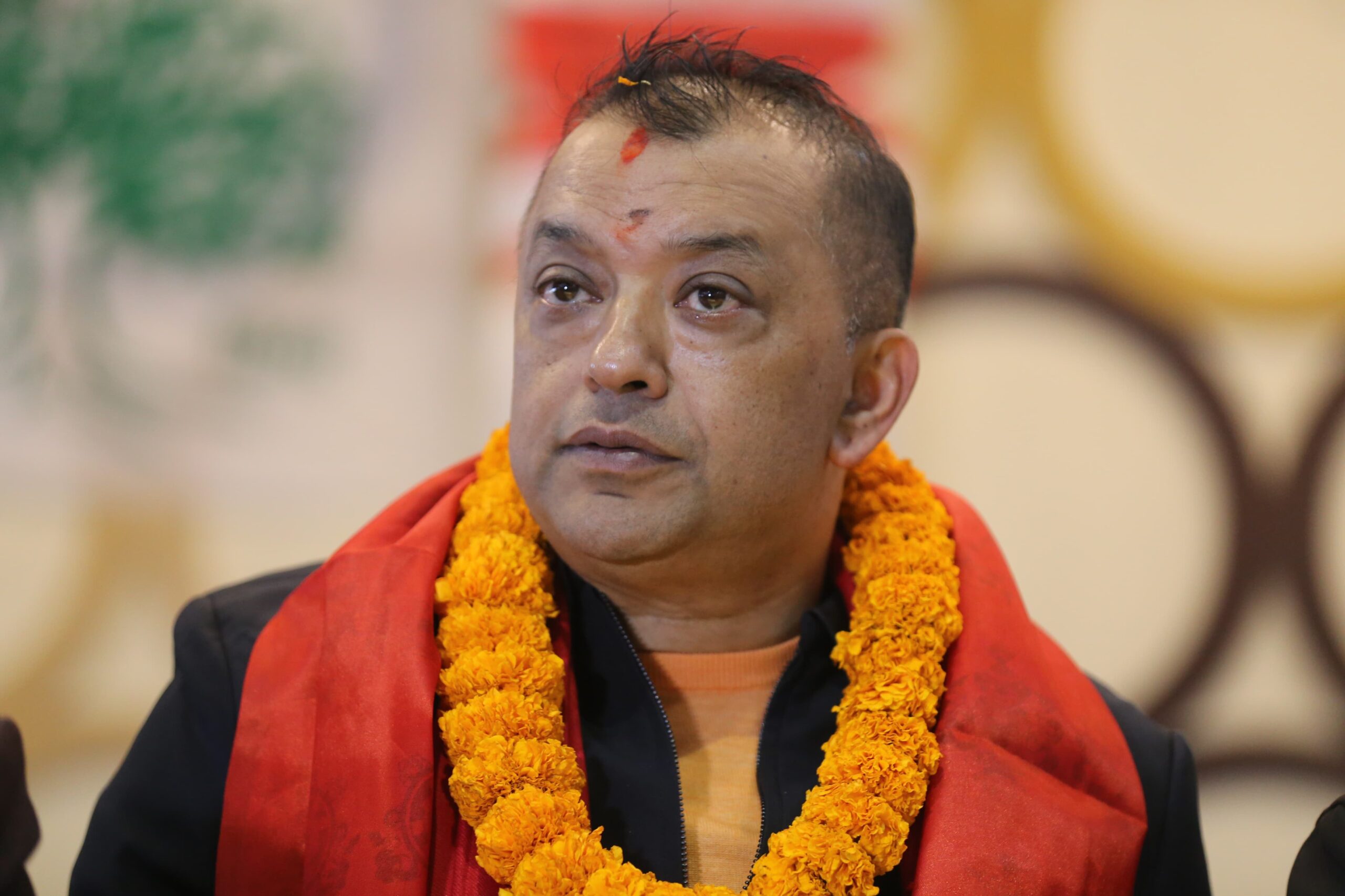
January 14, 2026: Central Working Committee (Deuba faction) expels Thapa, Sharma, and Farmullah Mansoor for five years; third major split in party history officially occurs.
January 15, 2026: Nepali Congress formally splits for third time (after 1953 and 2002); both factions claim legitimacy.
January 16, 2026: Election Commission recognizes Gagan Thapa faction as legitimate Nepali Congress; Deuba faction rejects decision.
January 17–20, 2026: Supreme Court petitions filed by Deuba and Shekhar Koirala factions on party legitimacy; SC summons both sides, declines interim order against Thapa faction.
March 5, 2026: Early general elections held; Nepali Congress suffers worst ever defeat (38 seats, 19.1% proportional vote); Gagan Thapa loses his seat.
March 22, 2026: Internal analysis blames pre-election convention dispute for electoral loss.
March 24, 2026: Central Committee meeting (Thapa faction) proposes new 15th General Convention dates.
March 25–26, 2026: Thapa led faction announces detailed roadmap for 15th General Convention (ward/municipal/provincial phases); active membership campaign intensified amid split.
March 26, 2026: Election Commission and Supreme Court hearings continue on factional legitimacy dispute.
April 13–17, 2026: Supreme Court hearings on leadership and party symbol dispute; parallel claims persist; disciplinary committee seeks explanations from acting leaders; party remains divided with both factions operating separately.
April 15, 2026: The Central Disciplinary Committee of the Nepali Congress sought clarification from then Vice President Purna Bahadur Khadka accusing him of engaging in activities against the party’s statute.
April 17, 2026: The Supreme Court grants legitimacy to Gagan Thapa as NC President. The verdict may trigger a split into the grand old party.