Kathmandu
Saturday, July 25, 2026





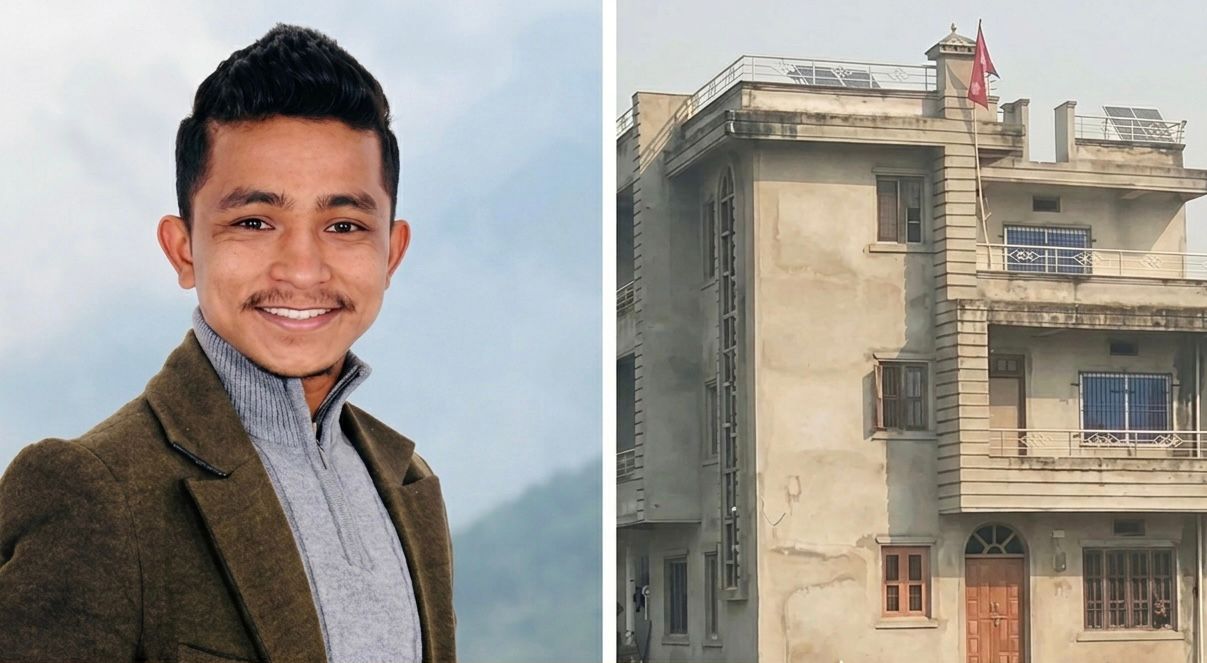
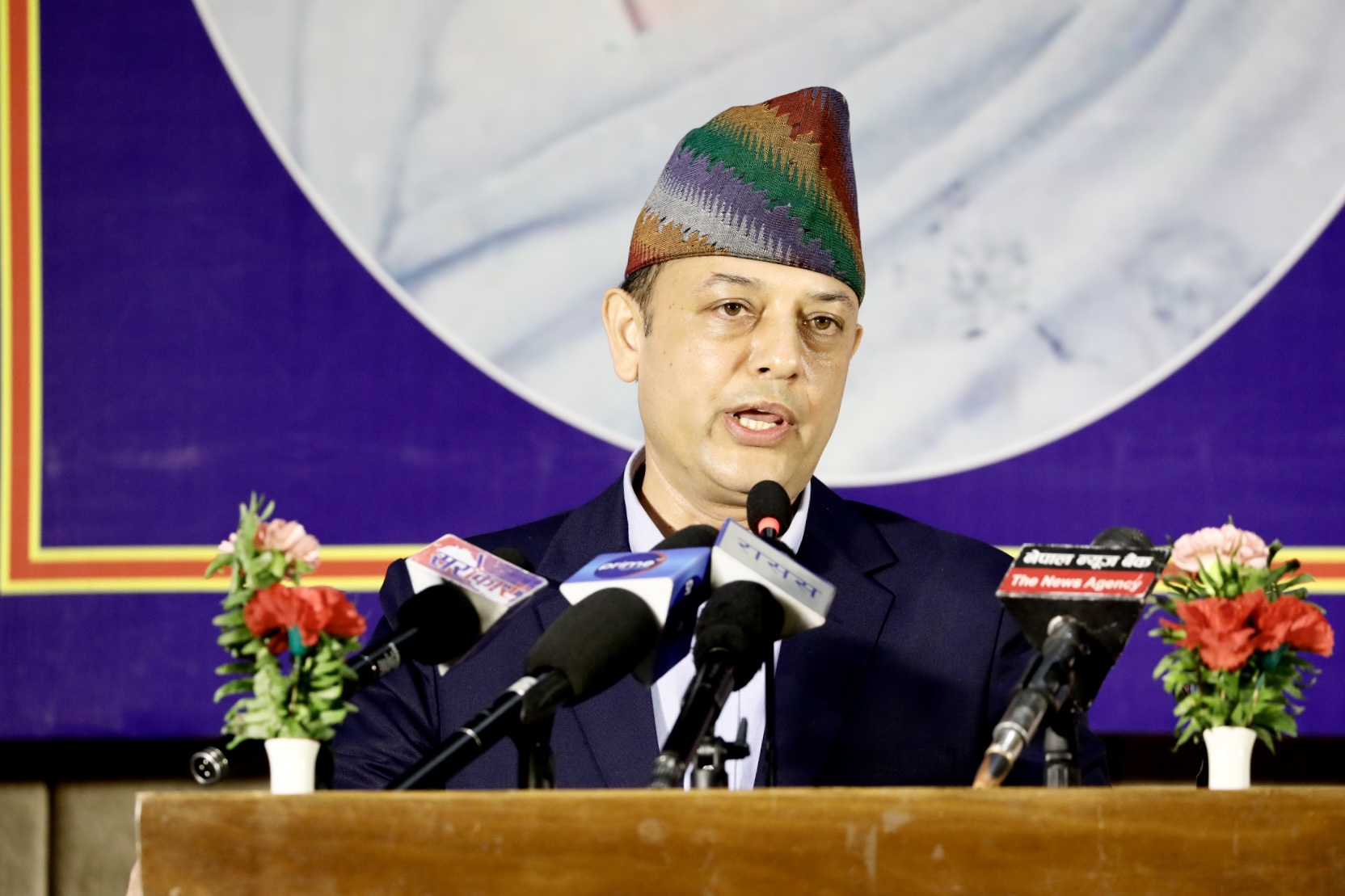
KATHMANDU: Krishnaprasad (K.P.) Khanal, who rose from a sanitation campaigner to a house of representative from Kailali-2 representing the Rastriya Swatantra Party, has come under public scrutiny after reports surfaced that his family is constructing a house on public land in Kailali.
During his election campaign, Khanal repeatedly introduced himself as the “son of a landless family,” claiming he understood the struggles of squatters and citizens without land ownership certificates better than traditional politicians.
“If there is a truly landless candidate contesting this election, it is K.P. Khanal,” he had declared at an election rally in Lamki. “For years, people sought votes promising land ownership certificates. Now a candidate who himself has never received a land certificate is standing before you. He is the son of a landless family and understands this pain.”
Khanal had campaigned heavily on the issue of landless settlers, arguing that only someone who had personally experienced the problem could genuinely represent their concerns in Parliament.
However, controversy erupted after it emerged that Khanal’s family is building a three-storey house- reportedly without approved building permits-on public land near the bus park area of Lamkichuha Municipality-1 in Kailali.
Local representatives say the under-construction house stands on unregistered public land, commonly referred to as ailani land. According to ward officials, nearly 60 percent of families in the area live on such land without formal ownership documents.
Harka Pun, Khanal’s personal secretary, defended the family, saying the land was purchased legally from previous occupants and that no additional public land had been encroached upon.
He said Khanal’s parents bought the property using their own income and are still working in India to repay debts related to the purchase and construction of the house.
According to Khanal’s aides, the family has already registered the land under the category of “unmanaged settlers” and has begun the process of obtaining legal ownership certificates through Nepal’s Land Problem Resolution Commission.
The controversy has reignited debate in Kailali over the politics of landlessness, a long-standing and deeply sensitive issue in the district. According to commission data, more than 140,000 families in Kailali have applied for land ownership certificates, with a significant portion categorized as unmanaged settlers.
The episode has also triggered broader criticism over politicians who build political careers championing the cause of landless communities, only to later become entangled in controversies linked to the same issue.

![Young doctors protest alleged labor exploitation in health institutions [Photo Feature]](https://english.nepalnews.com/wp-content/uploads/2026/07/Doctor-Protest-Maitighar-4.jpeg)