Kathmandu
Monday, July 27, 2026






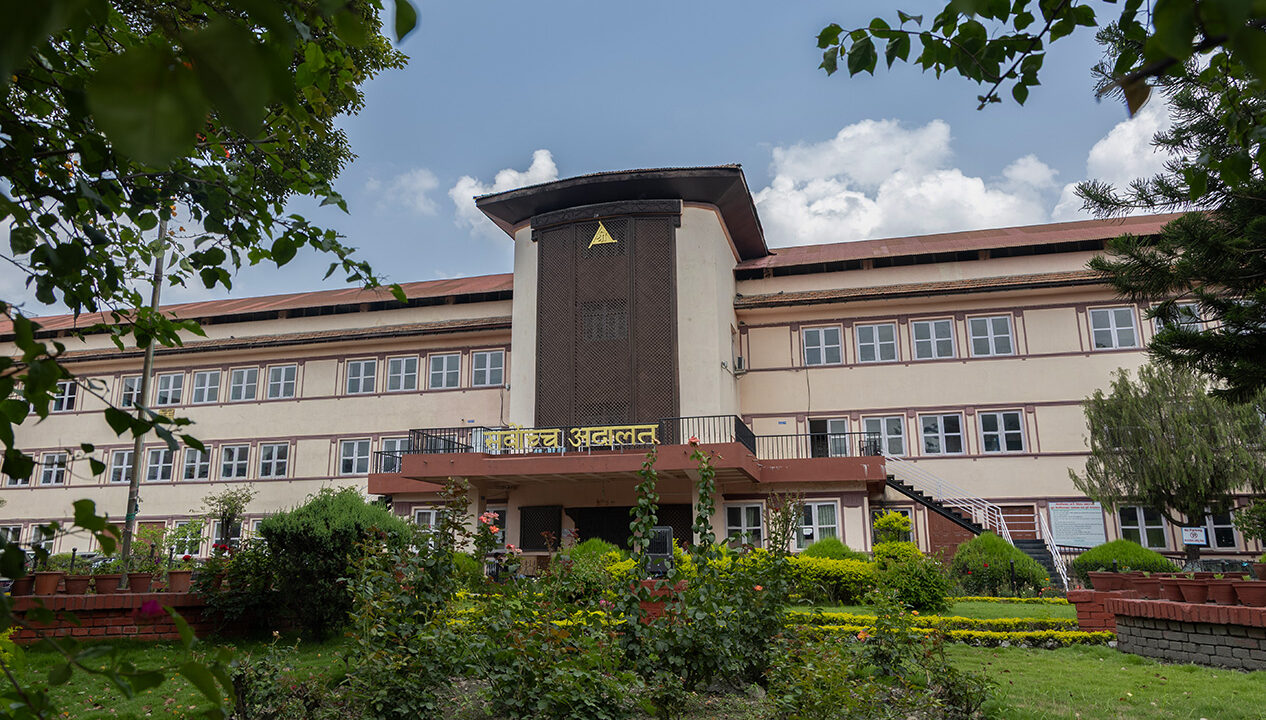
KATHMANDU: The Supreme Court has refused to extend the remand of former Prime Minister KP Sharma Oli and former Home Minister Ramesh Lekhak, who are in judicial custody, under invstigation for their allged roles in the killings of September 8 during the Gen Z protests last year. Issuing a mandamus, the apex court has ordered the authorities to release them from custody when their current remand expires, while allowing the investigation to continue.
A joint bench of Justices Binod Sharma and Sunil Kumar Pokharel effectively prohibited any further extension of their judicial custody which was extended for five days only yesterday (April 5). The court directed authorities to complete necessary investigations and release both Oli and Lekhak by April 9 when their current remand expires.
Oli and Lekhak were arrested on March 28 just a day after a new government was formed under Balendra Shah. Police had detained them citing implementation of the findings from an investigative commission report. Their judicial custody has already been extended three times. The court has prohibited any further extension of their judicial custody.
Earlier, habeas corpus petitions were filed by Oli’s wife Radhika Shakya and Lekhak’s wife Yashodha Lekhak, arguing that the arrests were unlawful. The petitioners claimed that detaining them directly based on the commission’s recommendations, without due legal process, violated the law.
The court has trashed the habeas corpus petitions but issued a mandamus not to extend their judicial custody any further.
The investigation commission, led by former judge Gauri Bahadur Karki, had been formed to probe human and material damage caused during the “Gen Z movement” protests on Sep 8 and 9. Although the report was submitted to the government led by former Chief Justice Sushila Karki, it has not been officially made public.
Despite this, authorities proceeded with the arrests based on the commission’s findings.
Earlier, the Supreme Court had also ordered the police to present reasons for the arrests and submit original documents, including the commission’s report and related investigation files.