Kathmandu
Sunday, June 28, 2026





As the Balendra Shah government bypasses the house to issue sweeping dismissals, legal experts warn that the legislature is being reduced to a mere formality.

KATHMANDU: The current government, led by Balendra Shah, has initiated the process of dismissing political appointments made by previous governments through ordinances. Among the six ordinances issued by President Ram Chandra Paudel as of Saturday, the ‘Special Provisions Regarding the Removal of Public Officials Ordinance, 2026’ is being viewed as highly significant. Under this provision, 1,594 officials appointed to various public bodies are set to be dismissed en masse.
With the issuance of the ordinance, a legal debate has begun regarding whether retroactive laws can be created to dismiss those appointed under old laws. Bijaya Prasad Mishra, President of the Nepal Bar Association, states that an interpretation is necessary on whether officials selected through open competition for fixed terms can be dismissed all at once. “Those already appointed cannot be ousted by bringing a new law now. Those appointed previously should not have to retire according to a new law while their tenure is still active,” he says, arguing that laws should not be regressive. “A case may be filed in court. Then the Supreme Court will interpret it.”
Public officials are appointed with specified tenures. Previously, after a government change, they were dismissed after seeking clarifications. Now, an ordinance has arrived through ‘emergency’ law in such a way that their tenures will no longer exist. “Even if the law is repealed, their service benefits will not be cut. However, the position will not remain,” says senior advocate Chandra Kanta Gyawali, known as an expert in constitutional law. “If the ordinance is passed by Parliament within 60 days, it becomes a permanent law.” He notes that since the path to court remains open for many officials removed via ordinance, it will be a matter of legal interpretation.
The Council of Ministers has sent eight ordinances to the President so far. Among them, by Saturday, the President has issued the ‘Special Provisions Regarding the Removal of Public Officials Ordinance, 2026’ along with the ‘Ordinance to Amend Some Nepal Acts Related to Health Science Academies, 2026’ and the ‘Ordinance to Amend Some Nepal Acts Related to Universities, 2026.’ The ‘Money Laundering Prevention (Third Amendment) Ordinance, 2026,’ ‘Public Procurement (Second Amendment) Ordinance, 2026,’ and ‘Cooperatives (First Amendment) Ordinance, 2026’ had already been issued earlier.
Ritesh Kumar Shakya, spokesperson for the Office of the President, stated that the ‘Ordinance Regarding the Amendment of Some Nepal Acts’ and the ‘Ordinance to Amend the Functions, Duties, and Powers of the Constitutional Council Act, 2009’ are still under study and yet to be issued. The ‘Some Nepal Acts Amendment Act’ includes provisions for the bulk amendment of various acts including forest, land, civil service, and education. Spokesperson Shakya informed that the ‘Constitutional Council First Amendment Ordinance’ was sent back to the Council of Ministers on Sunday for reconsideration of its content.
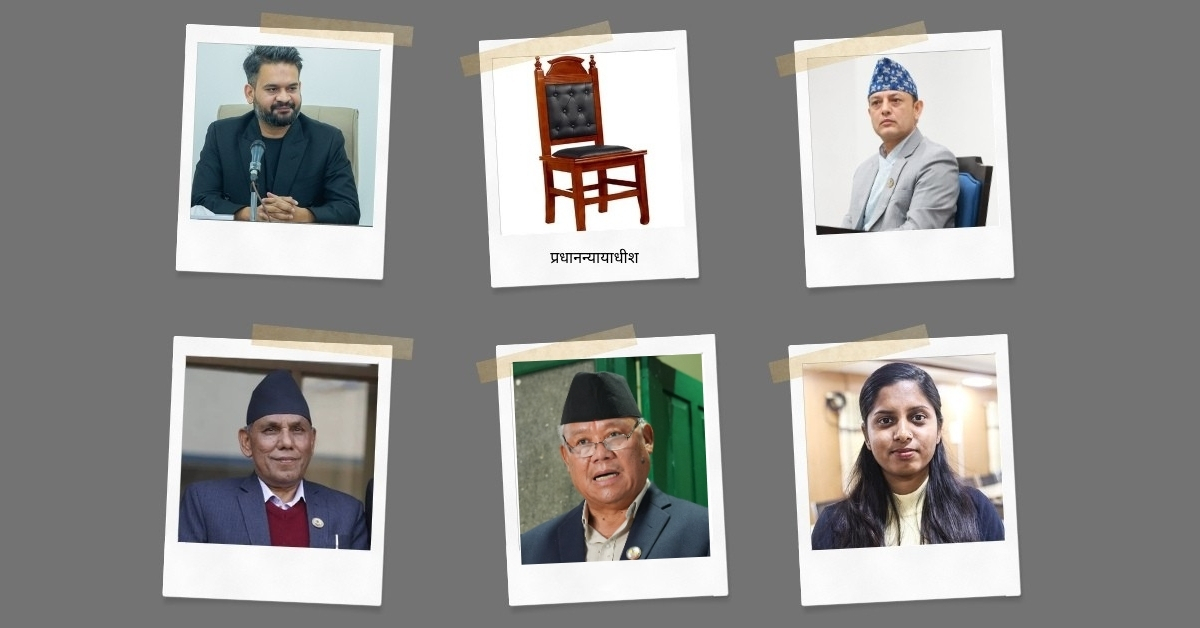
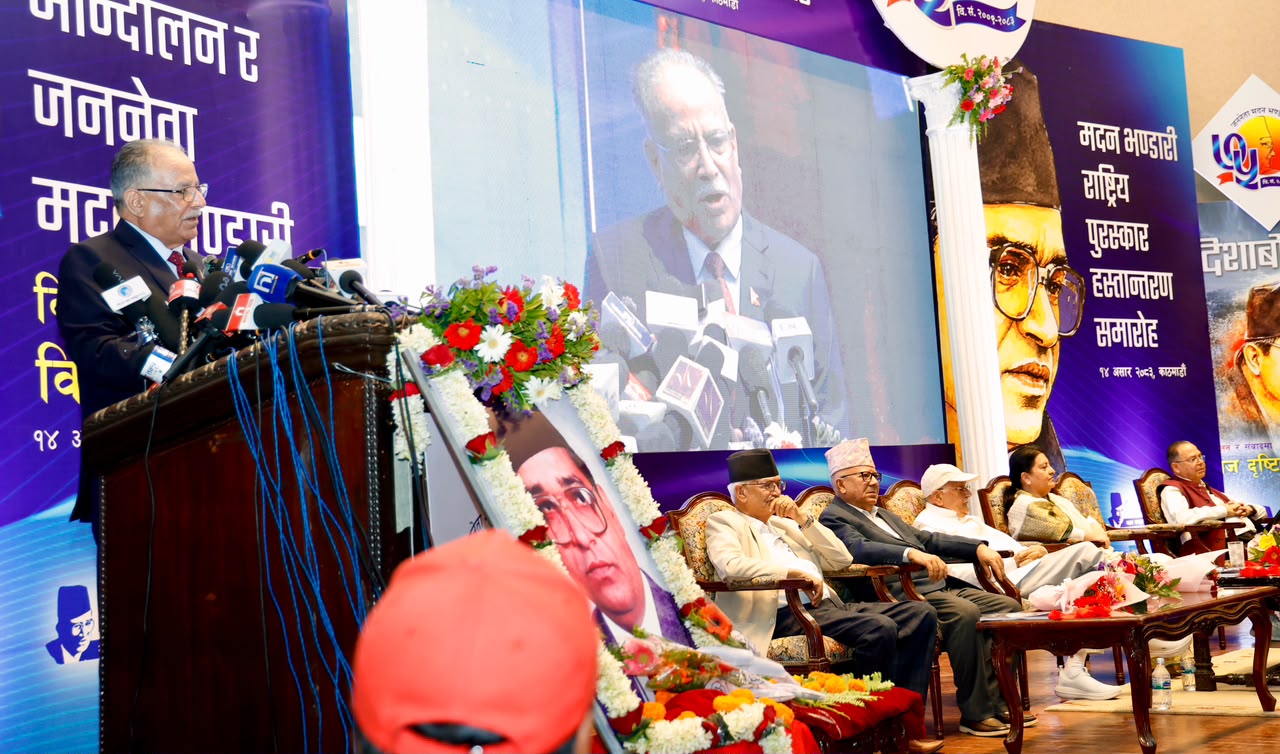
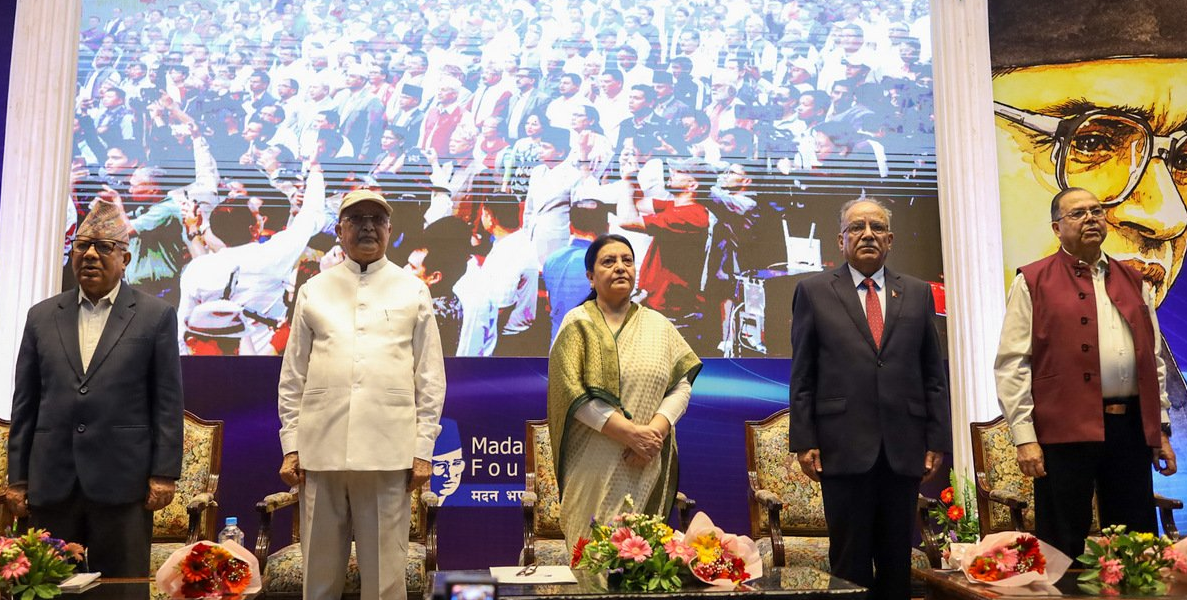
Officials of the Constitutional Council.
Article 114 of the Constitution provides that ‘if at any time, except when both Houses of the Federal Parliament are in session, the President is satisfied that circumstances exist which render it necessary to take immediate action, he or she may, on the recommendation of the Council of Ministers, promulgate an Ordinance.’ It is mentioned in the said article that such an ordinance shall have the same force and effect as an Act.
However, such an ordinance must be presented before both Houses of the Federal Parliament after they meet. There is a constitutional provision that it will automatically become inactive if rejected by both Houses or if it is not passed within 60 days of the commencement of the session.
The ordinance that put the President in a dilemma
The ordinance regarding the Constitutional Council sent by the Council of Ministers has put President Paudel in a difficult position. Previously, the President had returned the same ordinance which was passed and sent by the Federal Parliament. Since the same bill has been sent back as an ordinance, it appears to be problematic for him. Due to past practices, he is under obligation to issue the ordinance if the Council of Ministers decides and sends it to the President again.
There is a legal provision that the Constitutional Council, chaired by the Prime Minister, consists of six members and its decisions must be unanimous. The ordinance provides that a meeting can be held if four members are present and a decision can be made by three members. The ordinance also includes a provision that parliamentary hearings must be mandatory when making appointments to constitutional bodies. President Paudel had previously returned the ordinance suggesting the creation of a law requiring a decision by four members, i.e., a majority.
After the current government sent the ordinance to the President again, legal practitioners suggested during discussions to return the ordinance once more for reconsideration. Accordingly, spokesperson Shakya said that the ‘Constitutional Council First Amendment Ordinance’ was sent back on Sunday for reconsideration regarding the content. Now, if the Council of Ministers sends it again without reconsideration, he will have no option but to issue the ordinance.
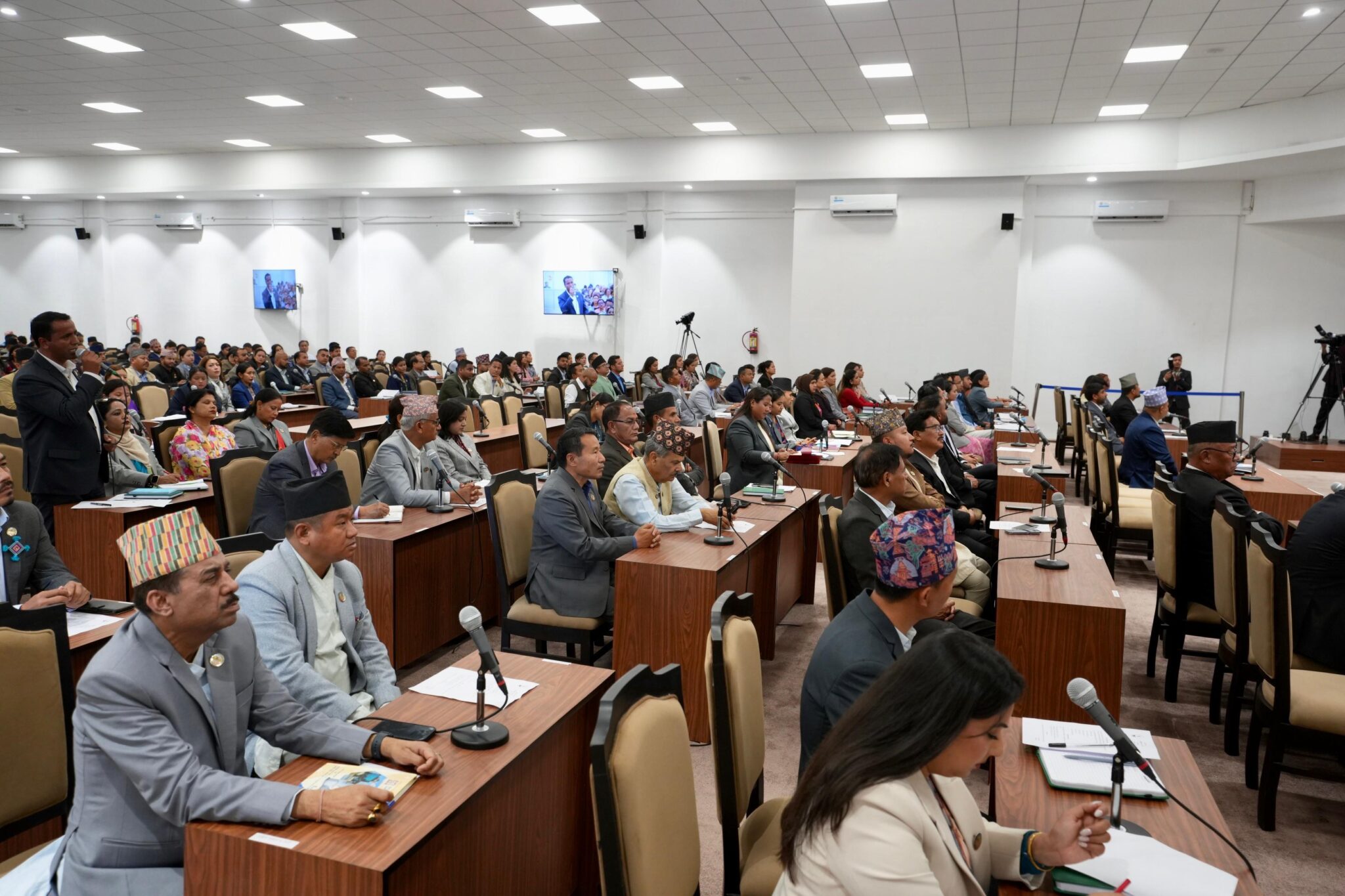
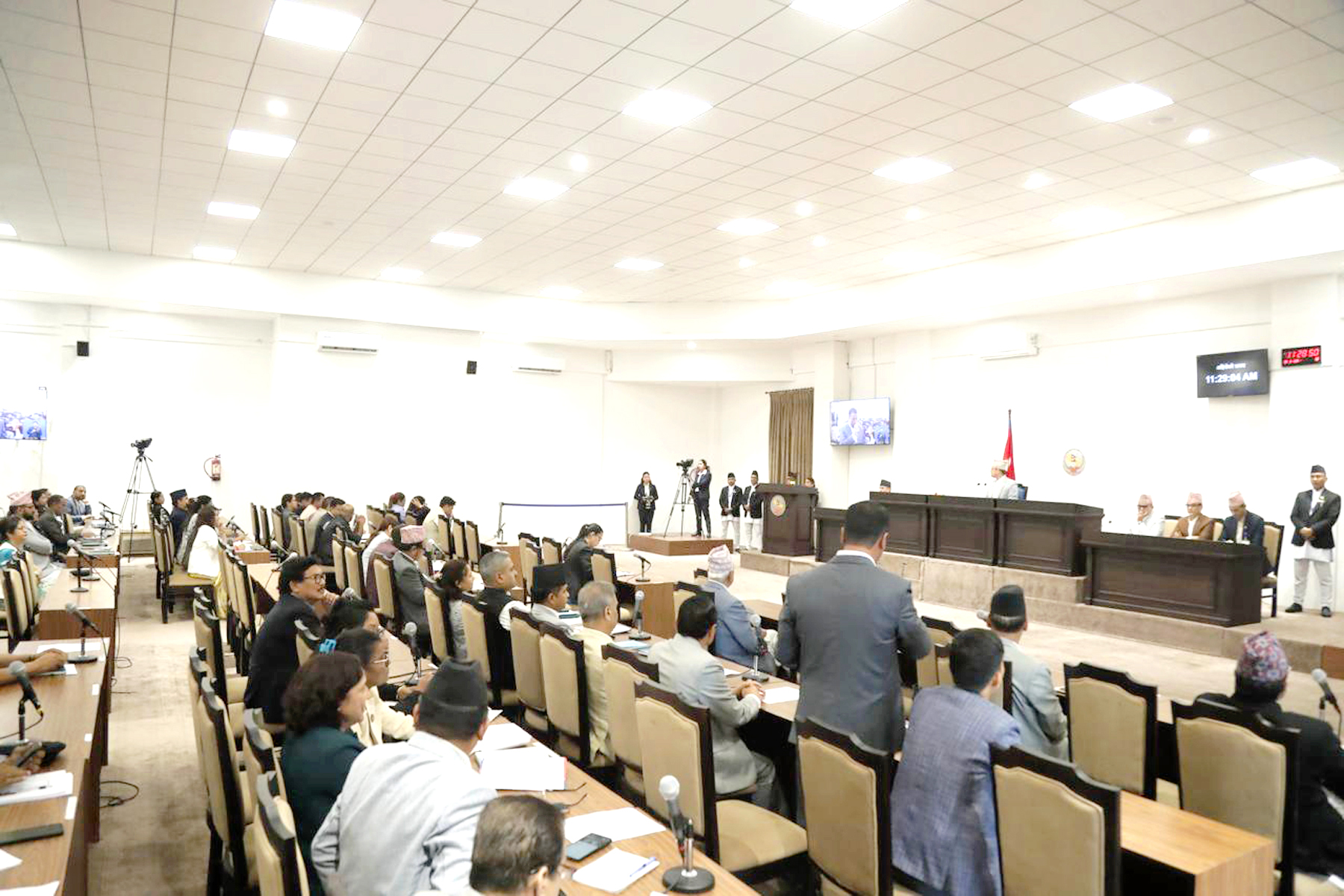
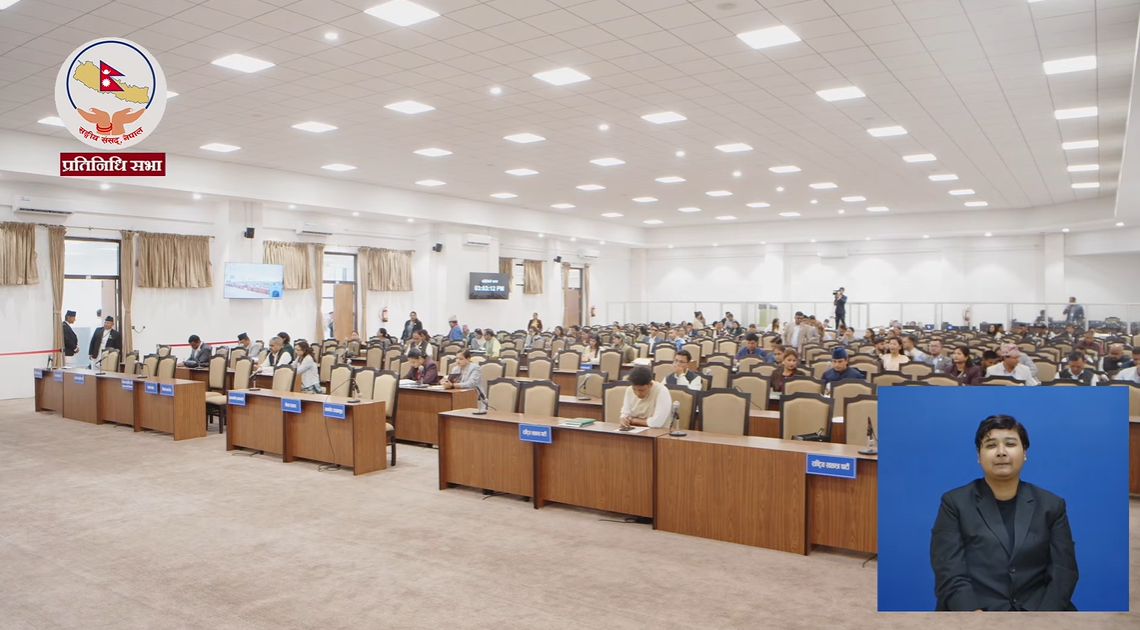
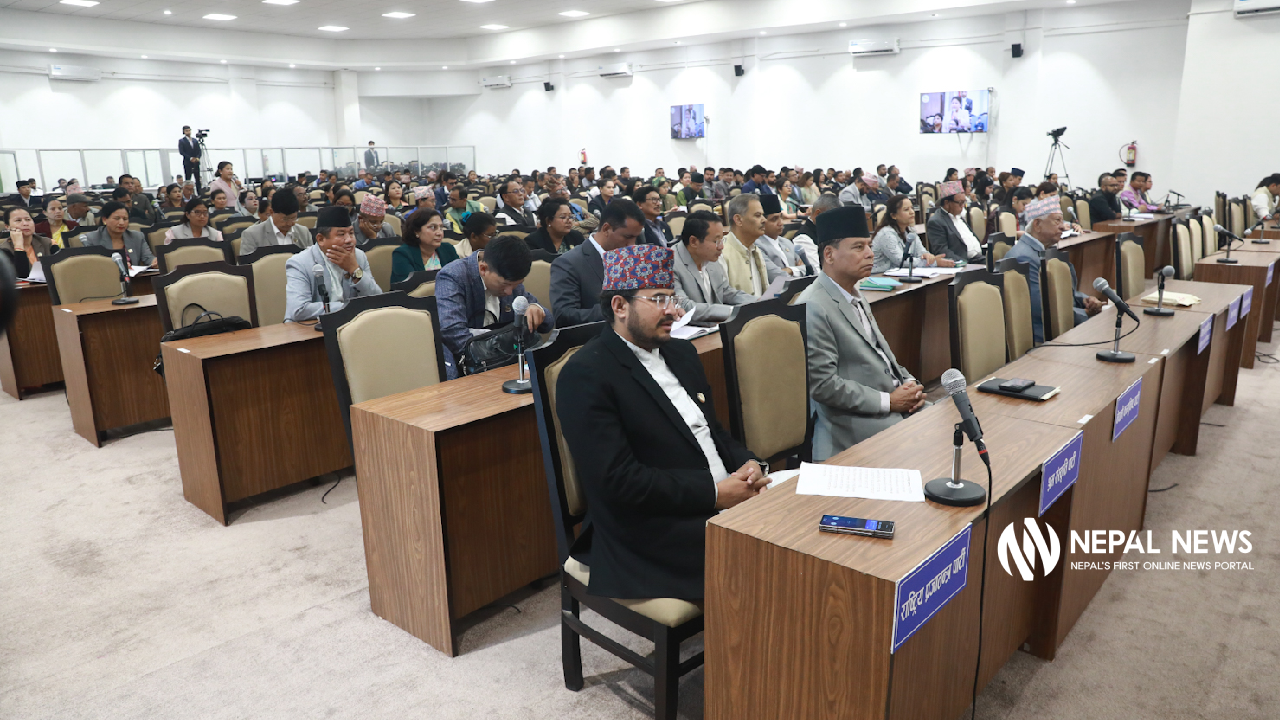
Parliament meeting. Photo: Nepal Photo Library
On July 9, 2025, the President had sent back a bill on this same subject to Parliament which had been passed by the previous Parliament and sent for authentication. Earlier, when the government led by Sushila Karki sent the same ordinance, he did not issue it. This time too, he has sent it back to the Council of Ministers with a request for reconsideration.
Before this, he discussed with legal practitioners whether to approve the ordinance he had blocked earlier and whether it was constitutional. Bar President Mishra was also a participant in that discussion. His understanding is that the provision for the Constitutional Council was kept to allow room for ‘national consensus.’ “That is why it was kept unanimous,” he says. “In doing so, it hindered every Prime Minister after things moved toward power-sharing. It seems they are trying to amend it because they want to mold it according to the Prime Minister’s wish.”
Although it appears the President is in a difficult spot regarding the issuance of this ordinance, Bar President Mishra says there is no alternative but to issue it. However, he says there is a danger of establishing a wrong tradition where laws should be made with discussion in Parliament so that all citizens know, but instead are being made this way. “Working through an ordinance first and then taking it to Parliament for approval is a wrong tradition. There is a risk of making Parliament a rubber stamp rather than a place for law-making,” he says. “While ordinances should be temporary and an exception, they are becoming the main route. The main route of making laws with discussion in Parliament is becoming the exception.” Therefore, he says he suggested the President send it back to the Council of Ministers once for reconsideration.
Senior Advocate Gyawali says that since the President does not have to take the credit or blame for the ordinance, there is no option but to issue it. He argues that since the executive and legislature take responsibility for the ordinance, the President will not face any difficulty. “The reason why the ordinance was brought will be shown by the results later. It would have been better if the government had gone through the parliamentary route,” says Senior Advocate Gyawali. “The government should have brought the ordinance by justifying its necessity with reasons. The ordinance must be presented in Parliament; one cannot bypass Parliament.”
Senior Advocate Mishra does not consider it right for a government with nearly a two-thirds majority to move forward via the ordinance route. “The government seems to have an ‘allergy’ toward the Parliament where it has its own majority. The government seems to be trying to move forward by keeping the two-thirds Parliament as a deity in a niche,” says President Mishra. “A case may be filed regarding this matter; the Supreme Court may provide an interpretation.”
Government spokesperson Sasmit Pokharel has already stated that the ordinance had to be brought to complete the 100-point agenda related to governance reform decided by the Council of Ministers on March 27, 2026, on time.