Kathmandu
Sunday, July 5, 2026





A day-by-day look at the promises, policy decisions, political flashpoints, diplomatic challenges and controversies that shaped Prime Minister Balendra "Balen" Shah's first 100 days in power.
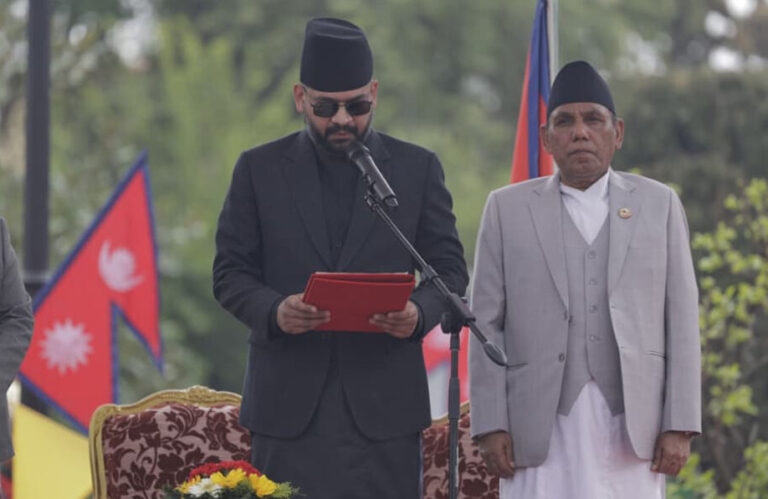
KATHMANDU: Prime Minister Balendra “Balen” Shah reached the 100-day mark on July 4, completing one of the most eventful opening stretches of any recent Nepali administration. After assuming office on March 27 with promises of clean governance, rapid decision-making and a break from conventional politics, the government moved quickly to launch anti-corruption investigations, restructure state institutions and implement an ambitious 100-point governance agenda.
Its early months, however, were equally defined by controversy—from the arrests of senior political figures and sweeping administrative overhauls to parliamentary confrontations, diplomatic friction, press-freedom concerns and questions over investor confidence. Together, these events produced a premiership that projected speed and disruption while provoking intense political and public debate. The following timeline traces the key developments that shaped the Shah government’s first 100 days in office.
March 27: Balendra “Balen” Shah is sworn in as prime minister at 36, becoming Nepal’s youngest ever head of government; a lean 14-member cabinet takes oath alongside him, and the cabinet’s first meeting that evening decides to implement the Gauri Bahadur Karki-led inquiry commission’s report on the September 2025 Gen Z crackdown and unveiled an ambitious 100-point agenda for governance reform while the Prime Minister’s Office begins forming Shah’s core secretariat under chief advisor Kumar Byanjankar.
March 28: Nepal Police arrest former prime minister KP Sharma Oli and former home minister Ramesh Lekhak using an urgent-warrant provision without prior court approval; Home Minister Sudhan Gurung announces the arrests publicly, calling it “the beginning of justice,” and the Kathmandu District Court approves a five-day judicial remand for both men.

Former PM Oli being escorted by security personnel after his arrest on March 28. Photo courtesy: Nepal Photo Library
March 29: Oli is transferred to Tribhuvan University Teaching Hospital on health grounds, where police continue recording his statement as part of the custodial investigation.
March 30: CPN (UML) holds street protest programmes in Kathmandu against the arrests of Oli and Lekhak, calling the action politically motivated.
March 31: The Prime Minister’s Office formally discloses a 25-member secretariat, with only four designated advisors including political advisor Asim Shah and ICT advisor Bibek Mishra.
April 1: The cabinet pledges to form a separate panel to investigate the destruction of state buildings on September 9, 2025, distinct from the commission that examined the September 8 crackdown.
April 2: Prominent businessman Deepak Bhatta of Infinity Holdings is arrested.
April 3: The Nepali Congress and Nepali Communist Party demand a fair and impartial investigation into the Oli-Lekhak case, distancing themselves from UML’s charge of political vendetta.
April 4: Foreign Minister Shisir Khanal says the government’s foreign policy will rest on non-alignment, sovereignty, territorial integrity and mutual respect.
April 5: Shanker Group figure Sulav Agrawal is arrested in the money-laundering probe.
April 6: The Department of Money Laundering Investigation begins formally reviewing financial transactions linked to money laundering probe.
April 7: Kathmandu’s legal community continues to debate whether due process was followed in the Oli-Lekhak arrests.
April 8: PM Shah holds his first meeting with resident foreign diplomats, on the thirteenth day of his government, expressing readiness to strengthen ties based on mutual cooperation.
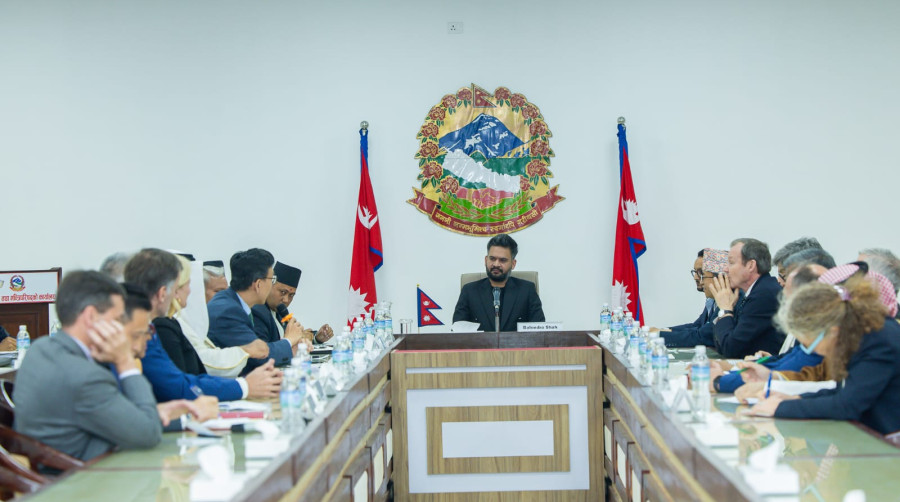
Prime Minister Balen Shah held a courtesy meeting with 17 Kathmandu-based ambassadors at Singha Durbar on April 8. File Photo
April 9: The Supreme Court orders the release of Oli and Lekhak on bail after a habeas corpus petition filed by their wives; Minister Deepak Kumar Sah is removed from the cabinet over a disciplinary breach, and CPN (UML) calls the earlier arrests a political vendetta.
April 10: The cabinet holds a regular meeting to review ministry-wise progress on the newly announced 100-point governance agenda.
April 11: The government continues preparing its position on further legal proceedings against Oli and Lekhak following their release on bail.
April 12: The Home Ministry begins preparatory survey work in Bagmati riverbank settlers areas ahead of a planned eviction drive.
April 13: Privately operated newspapers across Nepal mounted a symbolic nationwide strike accusing the government of undermining press freedom by requiring all official advertisements and public notices to be placed exclusively in state-owned media.
April 14: Prime Minister Balendra Shah (Balen) conveyed his best wishes for peace, prosperity, and happiness to Nepalis at home and abroad. In a message shared via social media, he quoted a Sanskrit verse wishing for the well-being and health of all living beings.
April 15: The Department of Customs finalises implementation guidelines ahead of stricter enforcement on Indian goods due later in the month.
April 16: The government continues internal consultations on the planned ordinance to annul political appointments across state bodies.
April 17: The Ministry of Home Affairs coordinates with local governments on the planned informal settlers verification process.
April 18: Civil society groups voice early concern over the government’s planned informal settlers eviction, ahead of the cabinet’s formal decision.
April 19: The government begins strict enforcement of customs duty on Indian goods worth more than Rs 100 crossing the border.
April 20: The government begins compiling early data on the customs revenue impact after the new enforcement takes effect.
April 21: Nepal Police and the Armed Police Force finalise deployment plans for the announced squatter eviction operation.
April 22: Home Minister Sudhan Gurung steps aside amid allegations over his family’s landholdings, pending investigation.
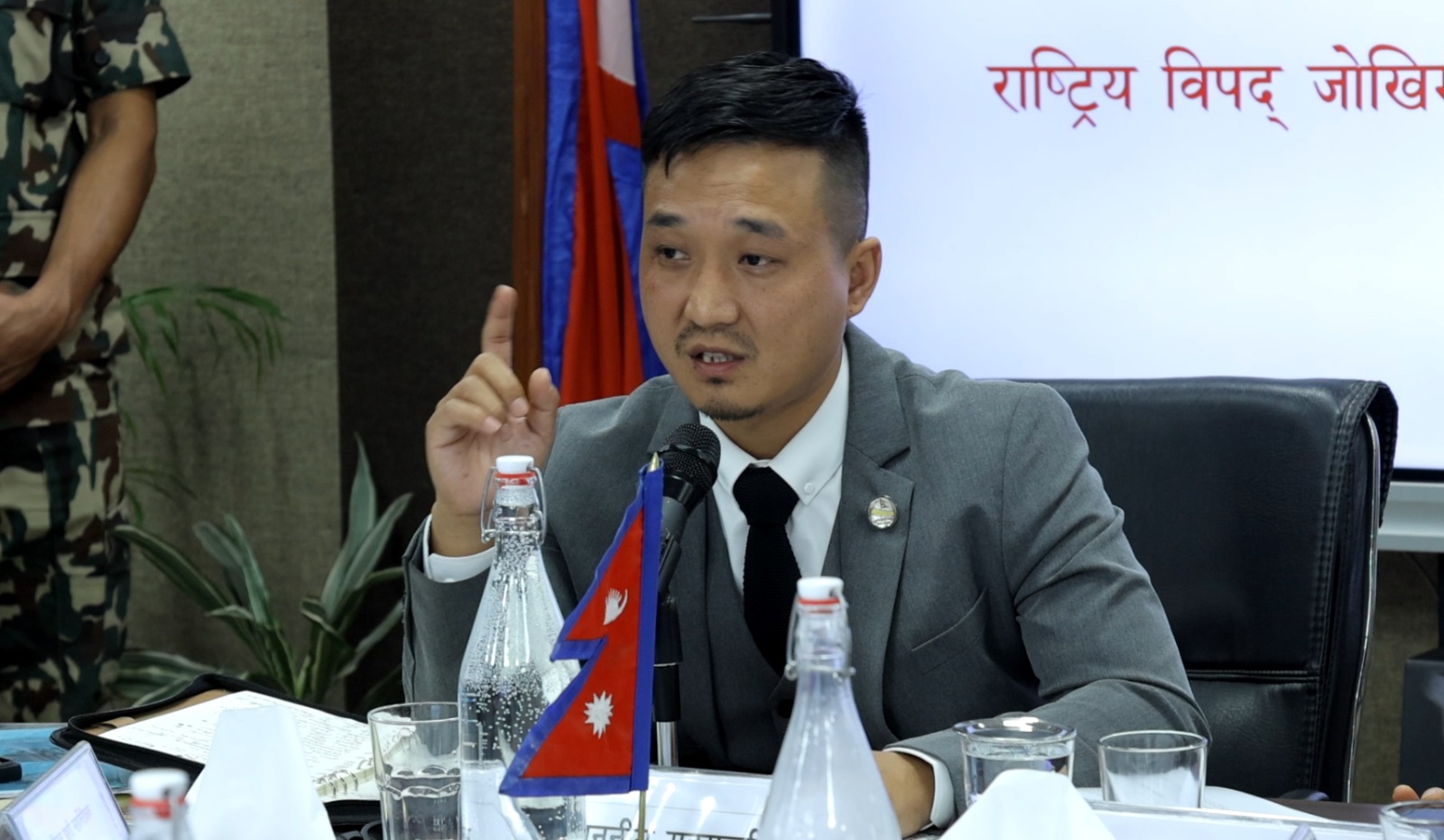
Home Minister Sudhan Gurung. File photo
April 23: The cabinet approves the first phase of settlement clearance in Thapathali, Manohara, Sinamangal and Gairigaun, and industrialist Shekhar Golchha, former FNCCI president, is arrested over alleged share-price manipulation linked to the Bhatta case.
April 24: Reports detail a Securities Board of Nepal probe naming five other individuals as accused alongside Golchha.
April 25: Security forces begin mass eviction and demolition of squatter settlements along the Bagmati riverbank.
April 26: Human rights organizations continue pressing the government for a clear resettlement roadmap following the eviction’s first phase.
April 27: Prime Minister Shah turns 36, having taken office as the world’s youngest serving state leader.
April 28: The Supreme Court orders authorities to produce Golchha before the court within 24 hours, while Amnesty International, Human Rights Watch, the International Commission of Jurists and UN special rapporteurs raise concern over the lack of a resettlement plan for evicted squatters.
April 29: The Money Laundering Investigation Department continues questioning Bhatta and Agrawal in custody.
April 30: The cabinet reviews the government’s first month of implementation on the 100-point governance agenda at a routine meeting.
May 1: Scrutiny continues of the government’s decision to dissolve party-affiliated civil service trade unions.
May 2: An ordinance annuls more than 1,200 political appointments across bodies including Tribhuvan University, Nepal Electricity Authority, Nepal Airlines and the transitional justice commissions; US Special Envoy Sergio Gor concludes his Nepal visit, calling it “highly productive.”
May 3: Preparatory work continues within the Prime Minister’s Office on the ordinance annulling political appointments.
May 4: Ministries begin identifying appointees affected by the annulment of political appointments.
May 5: The government bars party-affiliated trade unions for civil servants through ordinance, dissolving 12 unions, and Shekhar Golchha is re-arrested hours after a Supreme Court bail order, in a separate case.
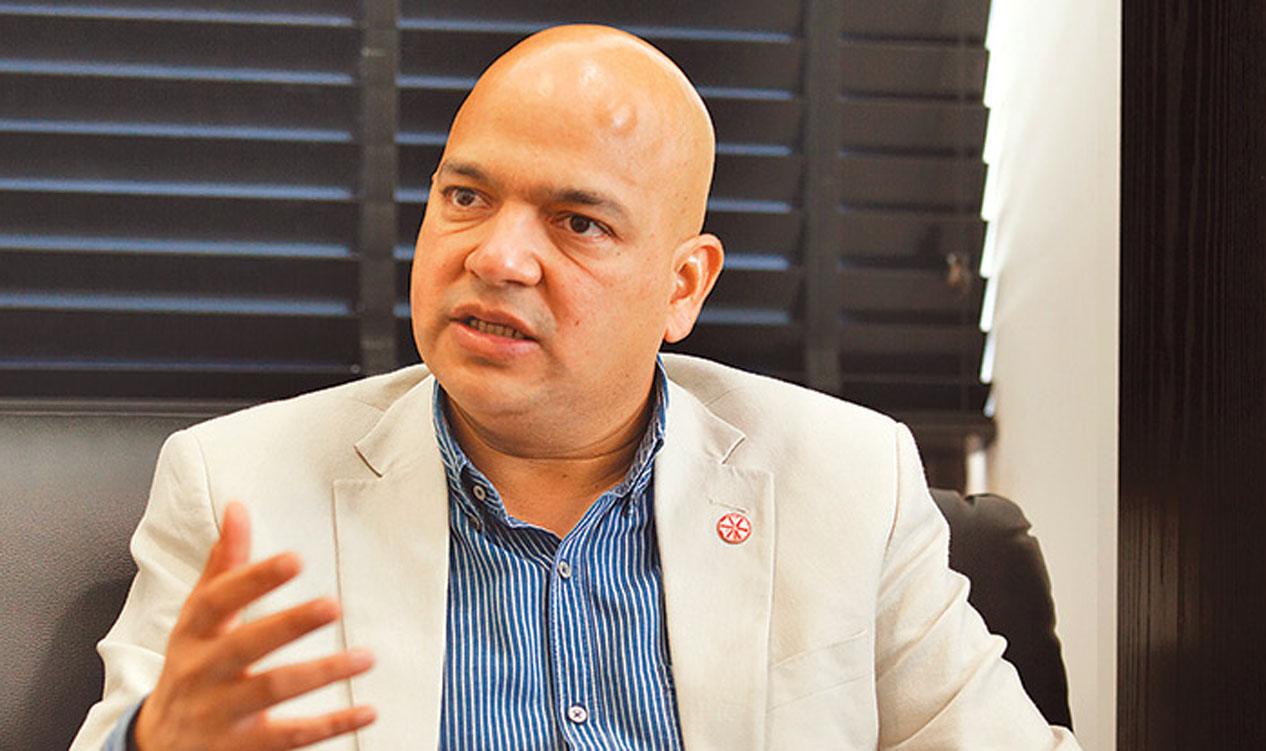
Businessman Shekhar Golchha. File photo
May 6: Senior bureaucrats begin resigning rather than accept transfers to remote district postings under the reshuffle drive.
May 7: Civil servants facing transfer notices seek clarity from the Ministry of Federal Affairs and General Administration.
May 8: The government continues coordination with India over rescheduling Foreign Secretary Vikram Misri’s Kathmandu visit.
May 9: Indian Foreign Secretary Vikram Misri’s Kathmandu visit, originally set for May 11, is postponed after he cannot secure a meeting with PM Shah, and two more individuals are arrested in the widening Nepal Investment Mega Bank asset-auction case.
May 10: Activists continue to protest the government’s clearance of informal settlements along roadsides and riverbanks.
May 11: The date originally set for Misri’s Kathmandu visit passes without a rescheduled itinerary being announced. President Ram Chandra Poudel presents the government’s policy and programme to Parliament; PM Shah leaves midway through the address.
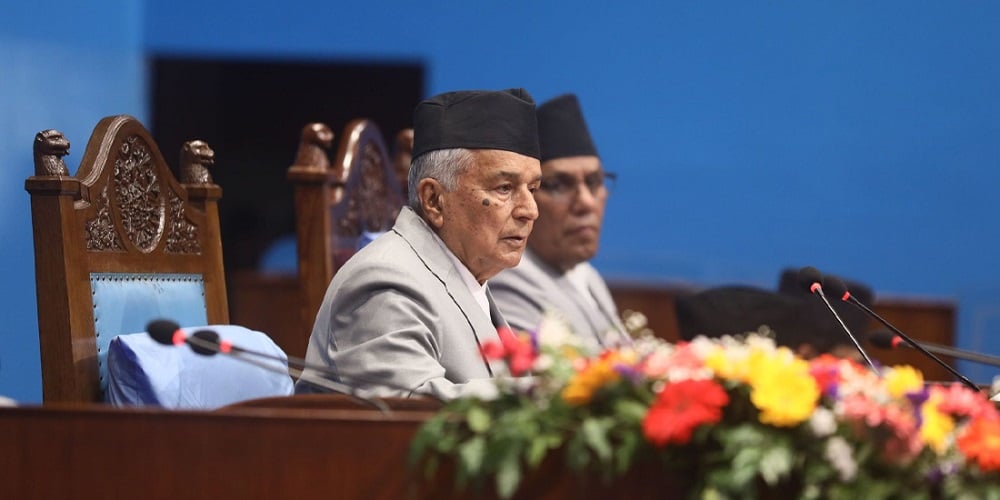
President Ram Chandra Paudel presents the government’s annual policy and programs for the upcoming fiscal year 2026/27. File photo
May 12: Nepal Investment Mega Bank CEO Jyoti Prakash Pandey is arrested over the disputed auction of Smart Telecom’s seized assets.
May 13: The government confirms Finance Minister Wagle, not PM Shah, will respond to lawmakers on the policy and programme, triggering opposition protests, as RSP Chief Whip Kabindra Burlakoti argues parliamentary rules do not require the PM’s personal attendance.
May 14: The government caps federal ministries at 18, down from 22, and begins drafting a new Civil Service Act with a retirement age of 55, while Nepal Rastra Bank and the Bankers’ Association object to Pandey’s arrest.
May 15: Former bureaucrats and senior officials publicly question the logic behind the ministry restructuring.
May 16: RSP lawmakers defend the ministry consolidation as consistent with the party’s election manifesto.
May 17: The government begins drafting detailed provisions of the proposed Civil Service Act’s retirement-age clause.
May 18: Nepal Investment Mega Bank’s board continues internal discussions on CEO Pandey’s status following his arrest.
May 19: Opposition parties coordinate a joint strategy ahead of continued protests over the PM’s parliamentary absence.
May 20: Shram Sanskriti Party chair Harka Sampang and House Speaker Dol Prasad Aryal clash over continuing protests demanding the PM’s presence.
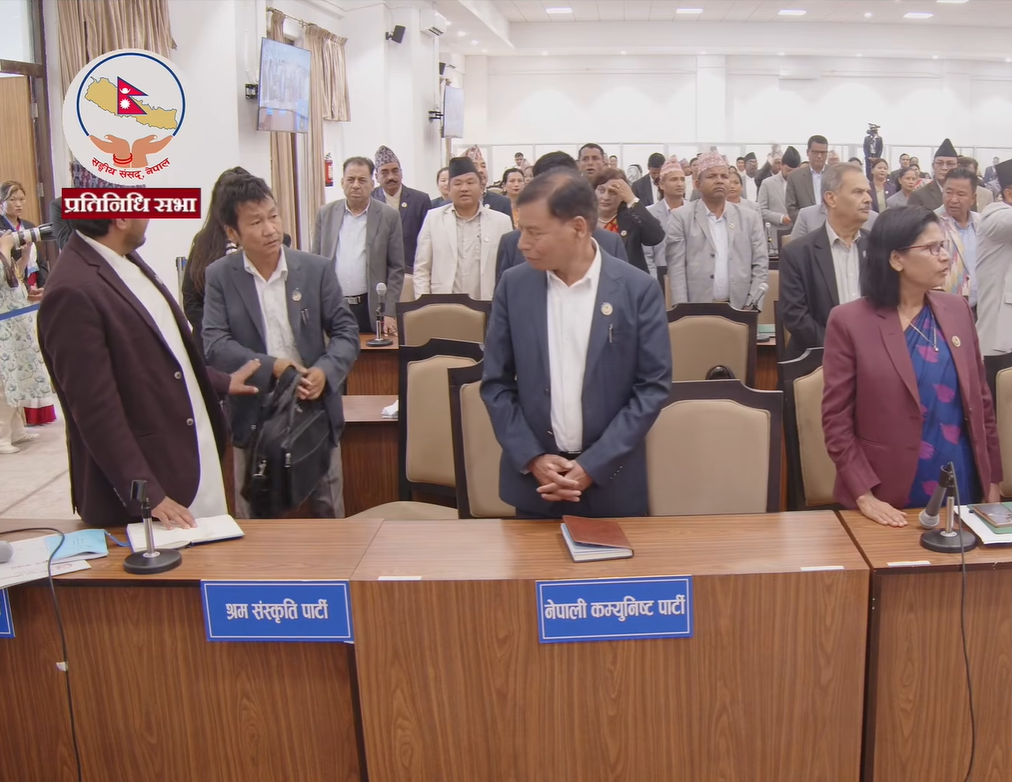
Harka Sampang, Chair of Shram Sanskriti Party, walking out from Parliament on May 13 protesting PM Balen’s continued absence in HoR. File photo
May 21: Opposition parties picket the well of the House, demanding PM Shah’s resignation over his continued parliamentary absence.
May 22: House proceedings remain tense as opposition benches continue pressing for the Prime Minister’s attendance.
May 23: Reports first surface that RSP chair Rabi Lamichhane may travel to India the following week.
May 24: The Ministry of Foreign Affairs continues fielding questions over the Lipulekh trade route dispute between India and China.
May 25: A widely discussed newspaper column defends Shah’s absence from Parliament as the trade-off for “action on the ground,” while Gen Z campaigner Rakshya Bam says his conduct raises concerns about an “I am the state” mentality.
May 26: RSP confirms chairman Rabi Lamichhane will travel to New Delhi from June 1 to 5 at the invitation of India’s ruling BJP.
May 27: RSP’s central committee finalises its first general convention for June 21 to 23 in Chitwan, coinciding with the party’s foundation day.
May 28: RSP finalises logistical arrangements for its first general convention in Chitwan.
May 29: Finance Minister Wagle presents the national budget for FY 2026-27 at a joint sitting of Parliament, overhauling electric-vehicle taxation to a value-based system.
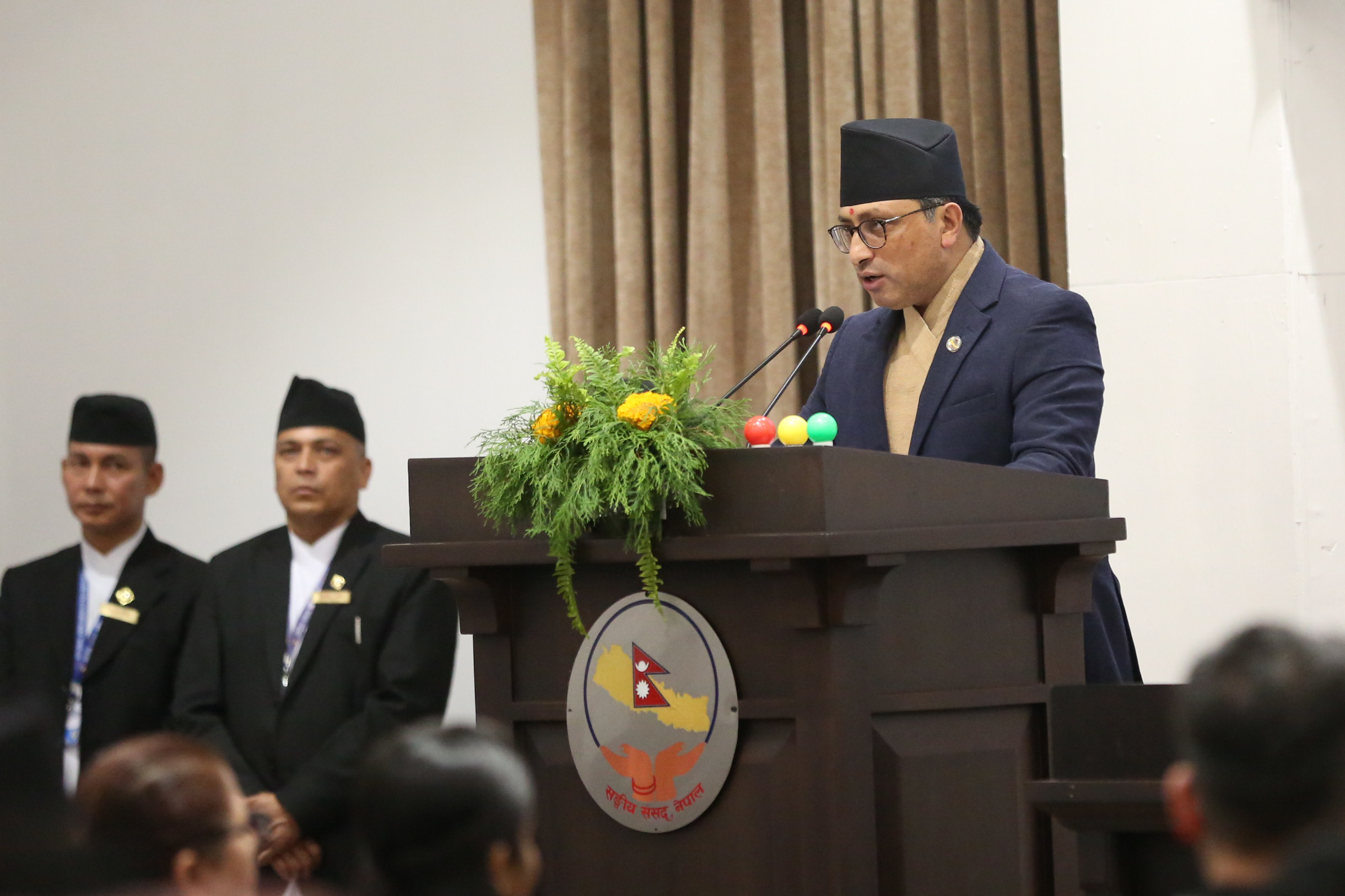
Finance Minister Swarnim Wagle presents upcoming fiscal year 2026/27 budget in the joint session of the federal parliament on May 29, 2026. File photo
May 30: Preparations intensify in Parliament ahead of the Prime Minister’s first scheduled question and answer session.
May 31: In his first parliamentary Q&A session, PM Shah says Nepal has also “encroached” on Indian land, and suggests the UK be involved in the border dispute.
June 1: Both houses of Parliament are disrupted as opposition lawmakers demand an apology, evidence, and removal of the PM’s remarks from the record; the Foreign Ministry issues a clarification, and Rabi Lamichhane arrives in New Delhi for his five-day visit.
June 2: Lamichhane meets Indian Home Minister Amit Shah and External Affairs Minister S Jaishankar in New Delhi, and India’s Ministry of External Affairs rejects third-party mediation on the boundary dispute.
June 3: Lamichhane holds an hour-long meeting with Indian Prime Minister Narendra Modi, who says he has already invited PM Shah to Delhi.
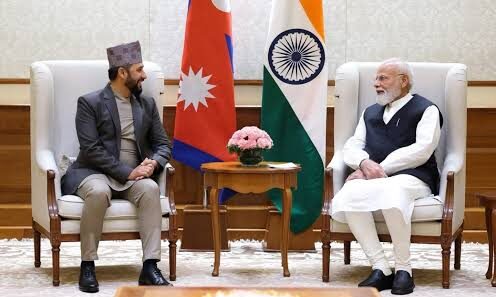
Rabi Lamichhane met Indian Prime Minister Narendra Modi in New Delhi on June 3 during his five-day India visit. File photo
June 4: Lamichhane addresses the Nepali diaspora at Lajpat Bhawan Auditorium in New Delhi.
June 5: The Armed Police Force seizes 776 electric vehicles imported through Korala and Rasuwagadhi amid suspicion that pre-budget tax changes were leaked. Foreign Minister Shisir Khanal leaves for 3-day India visit.
June 6: Opposition lawmakers continue questioning the Prime Minister over his May 31 border remarks in subsequent House sessions.
June 7: The Ministry of Foreign Affairs continues coordinating clarifications on the border remarks with Indian counterparts.
June 8: RSP leaders in Kathmandu continue preparations for the upcoming Chitwan convention.
June 9: Home Minister Sudhan Gurung resumes office after the asset probe clears him, and immediately warns media organisations against “defamatory” reporting.
June 10: Finance Minister Wagle tells the House Finance Committee that allegations of a budget leak linked to the EV imports are baseless.
June 11: Wagle appears before the Public Accounts Committee and challenges critics to produce evidence of revenue-leakage wrongdoing.
June 12: A Kathmandu court hands down a prison sentence in a case tied to a 2023 newspaper report on army colonels, prompting press-freedom criticism.
June 13: Public discussion continues over the Armed Police Force’s seizure of 776 electric vehicles amid the tax-leak allegations.
June 14: Finance Ministry officials continue reviewing customs records tied to the seized electric vehicles.
June 15: The CIAA detains Department of Passports Director General Tirtha Raj Aryal, IT Director Sunil Kumar KC, and Veridos’ Nepal representative in the e-passport procurement probe.
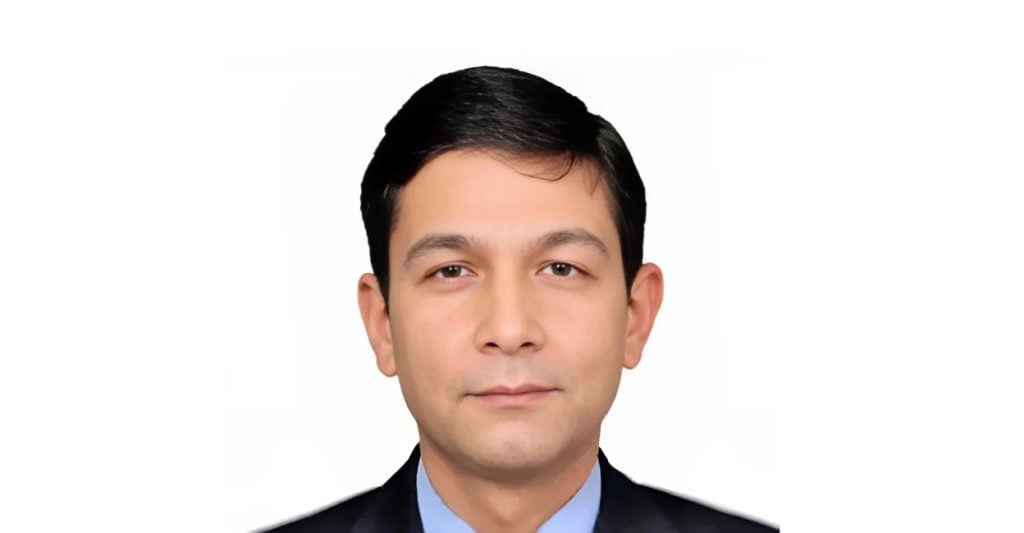
Tirtha Raj Aryal, Director General of the Department of Passports. File photo
June 16: PM Shah’s advisors reportedly summon CIAA commissioners to Singha Durbar for nine hours to press for a corruption case against the passport tender.
June 17: Foreign Minister Khanal meets Chinese counterpart Wang Yi in Beijing, who says “close neighbours are better than distant relatives.”
June 18: The CIAA continues its widening investigation into the e-passport procurement case, summoning additional witnesses.
June 19: The Kathmandu District Court orders the removal of 66 previously published articles from a news website, and the German ambassador is reportedly left waiting for hours at the Prime Minister’s Office amid the passport tender dispute.
June 20: RSP cadres and delegates begin arriving in Chitwan ahead of the first general convention’s opening.
June 21: RSP’s first general convention opens in Bharatpur, Chitwan, with PM Shah, Lamichhane and Nepali Congress president Gagan Thapa on the inaugural stage before roughly 4,500 delegates.
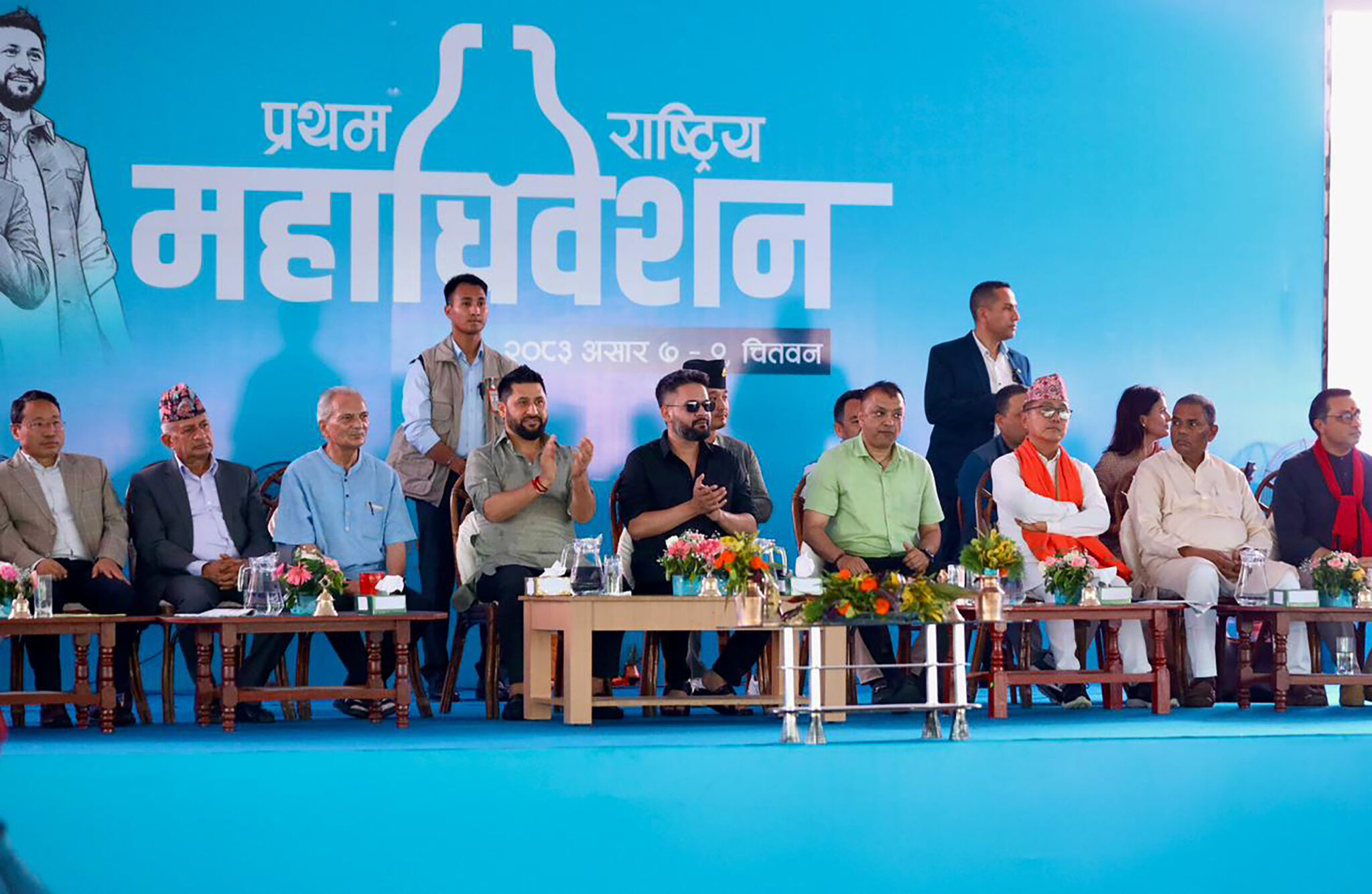
Leaders of various political parties attending the opening ceremony of the RSP’s First National Convention. Photo: Pradeep Raj Wanta/RSS
June 22: Former finance minister and CPN (UML) vice-chair Bishnu Paudel is arrested in money-laundering probe.
June 23: The CIAA formally files a Rs 10.13 billion corruption case against 18 defendants, including German firms Veridos and Muehlbauer, over the passport contract.
June 24: The government orders informal settlers in temporary holding centres to vacate by June 26.
June 25: Informal settlers in temporary holding centres seek clarity on permanent resettlement ahead of the looming eviction deadline.
June 26: RSP’s convention re-elects Rabi Lamichhane unopposed as chairperson, with Balen Shah as senior leader, Swarnim Wagle as vice-chair and Sobita Gautam elected in the women’s category, and the government extends the landless settlers eviction deadline by a week, to July 3.
June 27: RSP’s newly elected leadership begins organisational handover following the Chitwan convention.
June 28: The government continues preparing its formal 100-day performance report ahead of the July 4 presentation.
June 29: CPN (UML) begins drafting its own independent 100-day assessment of the government.
June 30: Ministries submit final data to the Prime Minister’s Office for inclusion in the 100-day governance report.
July 1: RSP’s newly elected central committee members and office-bearers formally take oath in Kathmandu.
July 2: Newly sworn-in RSP office-bearers begin coordinating with the government ahead of the 100-day milestone.
July 3: The Special Court extends Bishnu Paudel’s remand by six more days, and the extended deadline for displaced settlers to vacate temporary holding centres lapses, with many still without permanent housing.
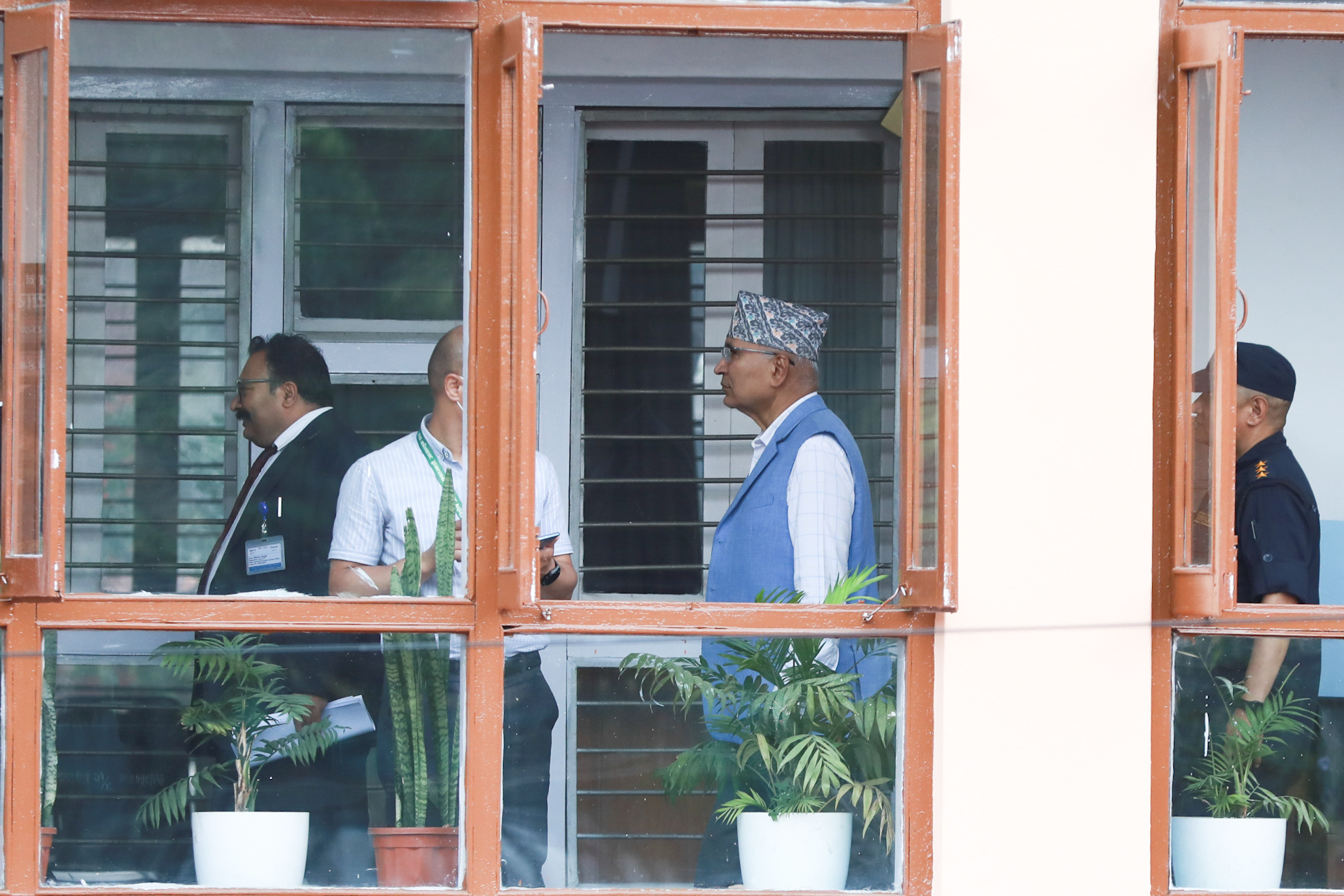
Former Finance Minister Bishnu Paudel being taken to the Special Court for hearing.
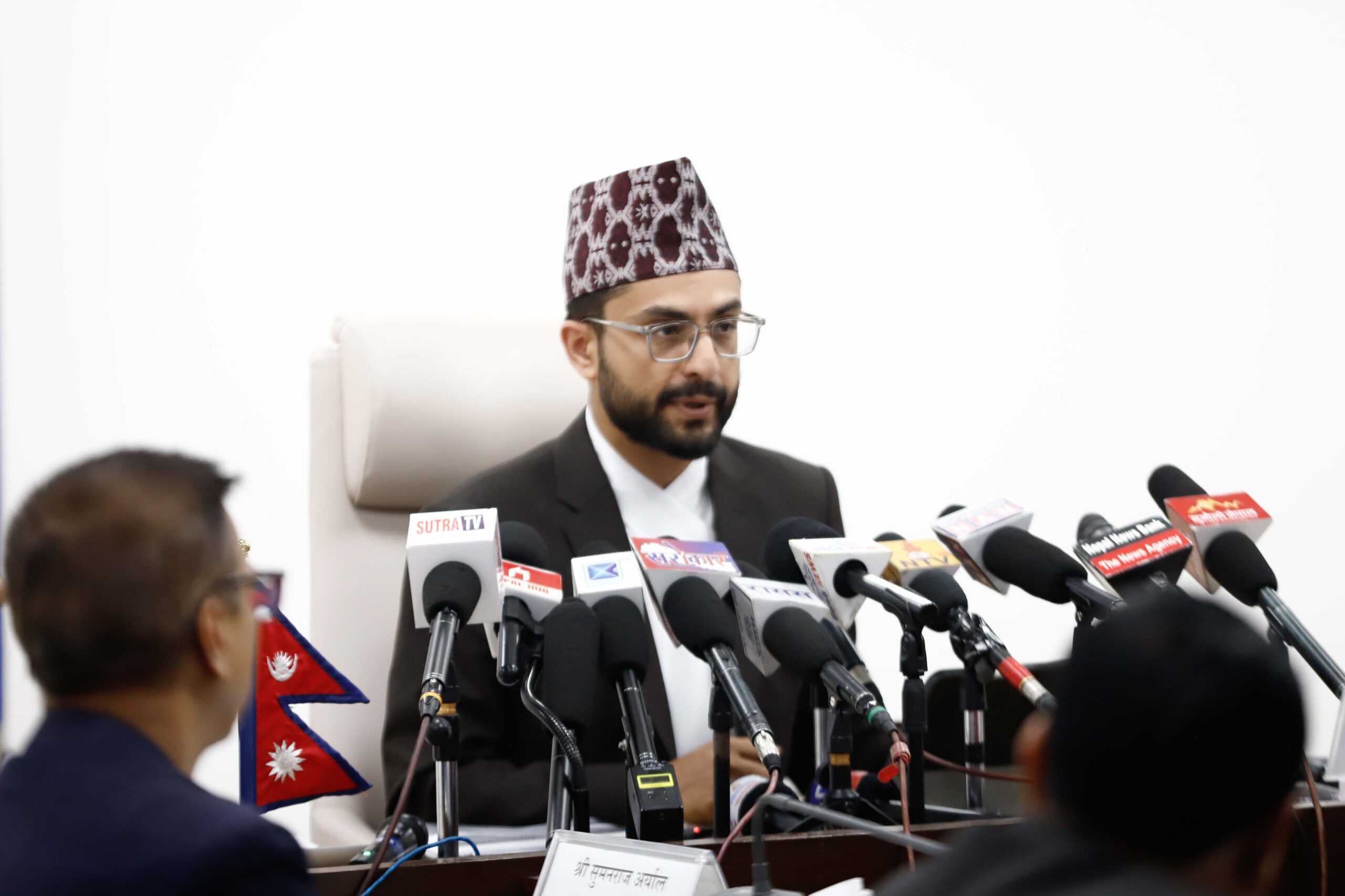
July 4: Government spokesperson Sasmit Pokharel unveils the 100-day report card at Singha Durbar, claiming 87.2 percent progress on the 100-point governance agenda, with a Property Investigation Commission, a National Integrity Policy, seven money-laundering cases, over 200,000 blocked gambling domains, ministries cut to 18, and continued Gen Z relief payments among the cited achievements; CPN (UML) releases its own review calling the government’s performance “weak, immature, and controversial”; RSP chair Rabi Lamichhane calls the 100 days “a good start” needing two to three years to show results; and independent assessments, including press-freedom concerns and questions over investor confidence, round out the government’s first hundred days in office.