Kathmandu
Wednesday, June 17, 2026





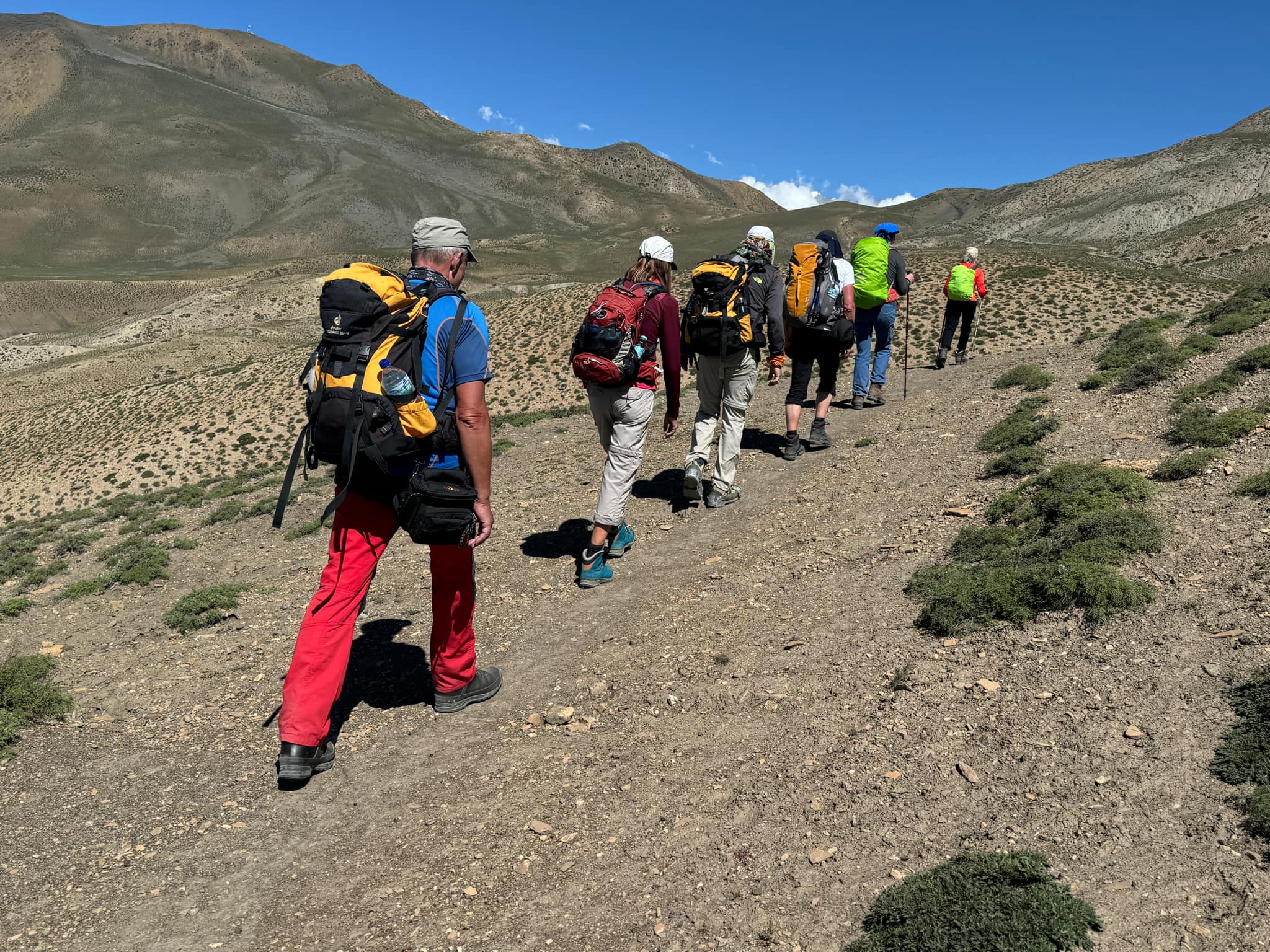
MUSTANG: The religious and tourist district Mustang has seen a rise in foreign tourist arrivals.
As reported by the National Trust for Nature Conservation, Annapurna Conservation Area Project (ACAP) Jomsom, there were 25,403 additional foreign tourists in 2025 compared to 2024.
Overall, tourist arrivals have increased by 18.71 percent from the previous year, totaling 161,122 foreign visitors from January to December 31, according to Rajesh Gupta, head of the ACAP Jomsom office.
In 2024, Mustang welcomed 135,719 foreign tourists. Among the visitors last year, 132,847 hailed from SAARC countries, while 28,275 were from other regions. In contrast, the previous year saw 109,549 foreign tourists from SAARC nations and 26,170 from elsewhere.
Gupta noted that there was an increase of 23,298 foreign tourists from SAARC countries and 2,105 from other nations in 2025 compared to 2024. This reflects a rise of 17.57 percent from SAARC countries and 7.44 percent from other regions. The number of both domestic and foreign tourists is on the rise in Mustang.
However, the anticipated growth in foreign tourist numbers was hindered by the Gen-Z movement’s impact on September 8 and 9, according to Gupta.
Initially, it was projected that foreign tourist numbers would increase by approximately 30 percent in 2025, but the expected rise did not materialize due to lower tourist numbers in September, October, and November.
Reports indicate that in September 2025, there were 3,638 fewer foreign tourists, 854 fewer in October, and 70 fewer in November compared to 2024. Chief Gupta mentioned that tourist numbers increased from January to August and continued to rise until the end of December.
The predominant group of visitors to this destination is comprised of Indians. According to ACAP chief Gupta, 82 percent of the tourists arriving here hail from SAARC nations, while 18 percent come from other regions. Notably, over 90 percent of the tourists from SAARC countries are Indians.