Kathmandu
Tuesday, July 14, 2026





Concerns grow as foreign earnings bring economic prosperity but harm family peace and social values
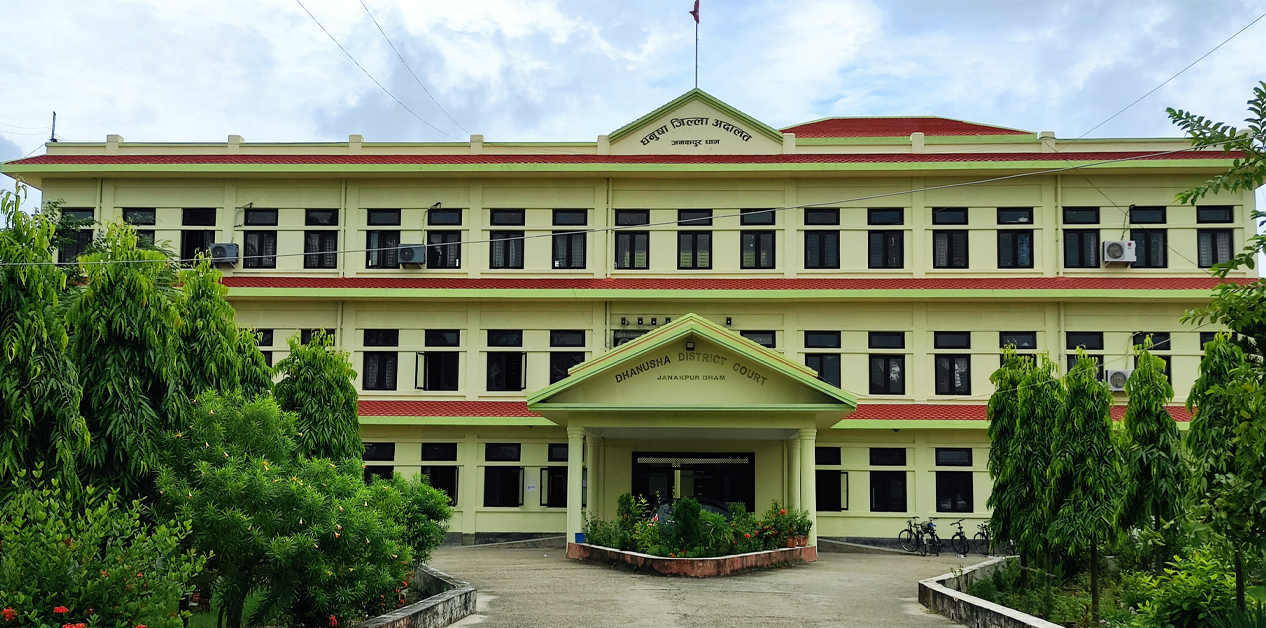
JANAKPURDHAM: While foreign employment has had a positive impact on the country’s economy and social life, it has also been found to be causing an increase in family disputes and even divorce cases. Such incidents are also occurring in Madhesh Province, which sends the largest number of youth to foreign employment in the entire country.
From all eight districts of this province, youth go to foreign employment, particularly to Gulf countries and Malaysia. Misappropriation of remitted money and extramarital affairs have been causing disputes and disintegration within families.
Among the districts of Madhesh Province, the most people go to foreign employment from Dhanusa. In 2018, 36-year-old Uday (name changed) from Aurahi Rural Municipality-5 in Dhanusa left his newly wed wife to go abroad for three years to earn money. He began regularly sending money to his wife. But back home, his wife grew close to a young man who was a nephew by relation, and the two eventually got married.
When Uday, abroad at the time, saw their couple photos and videos on social media, he was devastated. He had lost not only his wife but also his hard-earned savings. After returning, he filed a divorce case at the District Court Dhanusa.
Jogindar (name changed) of Sabaila Municipality-13 in Dhanusa had left his wife and two sons at home and gone to foreign employment in the hope of making life easier. When he returned home in September 2024 after working for several years, his wife had disappeared. According to him, his wife had fled with approximately Rs 4.5 million in cash along with five aana of gold and 10 tola of silver that he had sent home. He filed a divorce case at the District Court Dhanusa.
The cases of Uday and Jogindar are just representative examples. In Madhesh, many people go to court with divorce cases accompanied by allegations such as misappropriation of remittances, extramarital affairs, and wives’ inability to manage household affairs. Deepak Pokharel, registrar and under-secretary at the District Court Dhanusa, says divorce cases have increased in recent years compared to the past. “Such cases are now being registered at the court almost daily,” he says, “The rise in divorce incidents may be due to foreign employment and early marriage.”
Social worker and advocate Rekha Jha says foreign employment has become the cause behind most of the divorce cases currently occurring in Madhesh. She believes that prolonged separation between husband and wife leads to growing suspicion of each other, which social media use then escalates into outright conflict. “When a wife steps outside the house, unnecessary suspicion arises; when she likes or comments on others’ posts on social media, posts her own photos, or others like her photos, the husband questions and suspects her, and disputes grow into something major,” she says, “On the other side, disputes over the accounting of money sent to the wife, and some women falling under the negative influence of social media and getting close to other men, end up leading to divorce.”
She says social media issues have become the primary trigger for disputes between husbands and wives, gradually widening the gap in their relationship. She says conflicts and rifts in relationships grow when husbands demand their wives’ Facebook passwords, check who they have been talking to, and interrogate them with constant questions about what and why.
Rights activist Raju Paswan says the use of social media is not limited to just increasing conflict between couples. “Social media has certainly increased suspicion and tension in marital relationships, and now it can also be seen becoming a medium through which women experience violence and abuse,” he says.
According to the Supreme Court’s Annual Report 2023/24, divorce cases make up the largest number among the family cases filed at district courts in Madhesh Province. According to the report, the most divorce cases in this province were filed in Dhanusa district. A total of 424 cases were registered in Dhanusa, 413 in Bara, 404 in Parsa, 357 in Sarlahi, 330 in Rautahat, 318 in Mahottari, and 168 in Siraha.
Advocate Rajkumar Mahaseth says that in most cases, situations escalate to divorce through slander and violence against women, while in cases brought by men, demands for divorce arise due to misappropriation of property. “But when you look at the root of most cases, it is family conflict following foreign employment,” he says, “Foreign employment has brought economic prosperity to villages in Madhesh, but family happiness, peace, and social values are gradually disappearing.”
Suspicion, slander, and conflict
Due to the independent and improved lifestyle of women in rural villages enabled by foreign employment income, the traditional nature of disputes between daughters-in-law and in-laws has itself changed. When daughters-in-law call their husbands abroad to complain that their in-laws have mistreated or beaten them, and when disputes between mothers-in-law and daughters-in-law over the money sent by the son escalate family conflicts to another level, such incidents have also led to daughters-in-law being slandered, their husbands abroad being told about it, and sons being remarried.
A few years ago, a young man from Bigauna in Mahottari went to foreign employment shortly after getting married. Disputes began to arise at home between the daughter-in-law and her in-laws. The pregnant daughter-in-law, due to the disputes, went to her maternal home to live. But her in-laws told their son that “the daughter-in-law has run off with another man.” After the son returned, he was remarried.
Rights activist Bibha Thakur says that among the disputes created by foreign employment, false slander against women is the most common. “Even ordinary disputes keep escalating and ultimately end in divorce,” she says.
The National Human Rights Commission had published a preliminary study report in 2029 on ‘the social values faced by wives of men who have gone to foreign employment, the situation of women and children working in entertainment and hospitality services, and the risk of human trafficking.’ In the report, women from the Tarai Madhesh had spoken about the violence and abuse they faced when their husbands went to foreign employment.
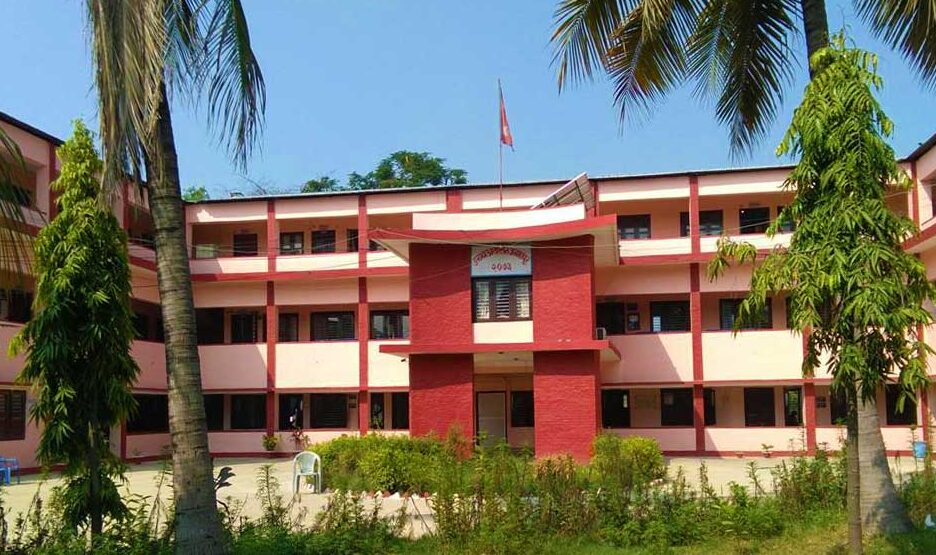
Janakpur High Court. Photo: Birendra Raman
In the commission’s report, a woman from Dhanusa said: “It has been 12 years since my husband started going to foreign employment. My son studies at a boarding school in Janakpur and because it is difficult to travel back and forth from home, he stays there as a boarder. I have to go to Janakpur occasionally to visit my son and withdraw the money my husband sends. When I go to Janakpur, a relative who is like a brother to me accompanies me as a companion. But now our relatives have slandered me by saying I have an immoral relationship with him.”
Women whose husbands are abroad face suspicion and slander no matter who they have an ordinary conversation with. Advocate Jha says, “It can be seen that women are first subjected to various suspicions, which then grow into disputes, bring bitterness to the relationship, and lead to divorce. In the case of some women, however, families break up due to actual relationships with other men.”
Subhadra Ale, who retired from the position of assistant sub-inspector at the Women’s Cell of the District Police Office Dhanusa and has been working on the rights of single women, shares her experience of some complaints between couples arriving based purely on suspicion, where she would counsel and reconcile them. “In some cases where there is only suspicion, reconciliation happens at the police office itself, but when the issue is sensitive and disputes have escalated greatly, it reaches the court,” she says.
According to the Economic Survey of Madhesh Province 2024/25, there is strong attraction among the youth of this province toward foreign employment. In fiscal year 2022/23, as many as 104,600 people from this province and in fiscal year 2023/24, as many as 100,143 people obtained new labor approvals.