Kathmandu
Tuesday, July 28, 2026






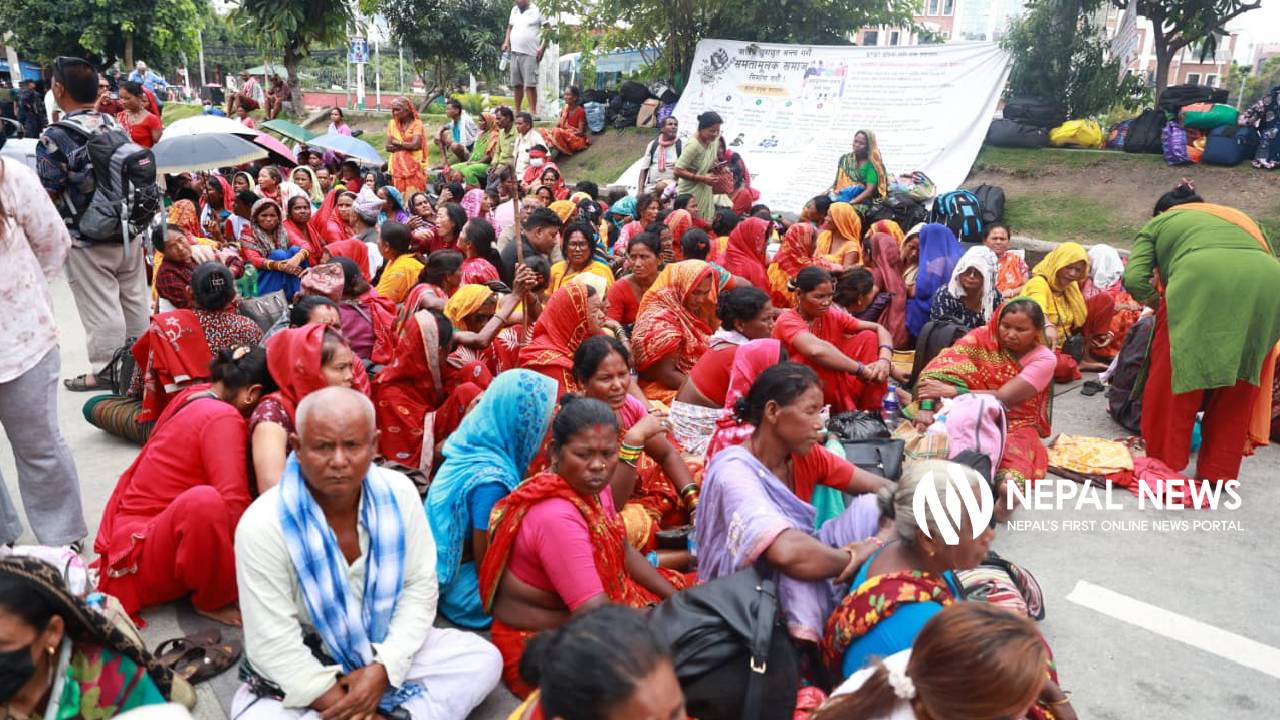
KATHMANDU: The high-level inquiry commission led by former judge Gauri Bahadur Karki, tasked with probing the September 08-09, 2025 “Gen-Z” unrest, appears to have exhausted its five-and-a-half-month tenure focusing almost exclusively on the events of September 08, 2025, leaving the massive destruction of September 09 largely unexamined.
The commission is facing intense criticism for a perceived lack of neutrality. Critics argue the report is heavily skewed toward analyzing the state’s use of force on the first day while remaining “superficial” regarding the organized violence that followed.
Nepal’s political landscape is sharply divided over the Gen-Z movement. The CPN-UML and the Deuba faction of the Nepali Congress believe the movement was infiltrated, labeling the second day of violence a “planned conspiracy.” Conversely, proponents of the movement view September 08 as state suppression and deny involvement in the subsequent destruction. Notably, the RSP, which supports the Gen-Z movement, recently approached a two-thirds majority in the last election.
The commission’s failure to deeply investigate the destruction of major state organs—including the arson attacks on Parliament, Singha Durbar, the Supreme Court, and the Prime Minister’s residence-has raised serious questions.
While the commission meticulously documented the deaths of 22 people on September 08, it provided little depth on September 09, despite the death toll rising to 54 that day. Of those 54, 20 died from security force fire, while the rest were killed during arson and rioting. Furthermore, three police officers were killed by protesters on the second day, which accounted for the bulk of the estimated 85 billion Nepali rupees in property damage.
The commission defended its narrow scope by citing “limited time, human resources, and budget,” stating it was impossible to conduct a microscopic analysis of the nationwide violence on September 09.
The report concludes that while the initial protests were driven by anger over corruption and the social media ban, “criminal elements and looters” later hijacked the movement. However, the report remains silent on the specific identities or affiliations of these criminal groups.
Senior Advocates alleged that the report lacks credibility due to Chairman Karki’s pre-existing biases. The commission admitted it has not collected enough evidence to recommend criminal prosecution for the September 09 incidents. Instead, it suggested that a government expert team should now take over, using CCTV footage and social media clips to identify perpetrators.
The commission noted it has included Base Transceiver Station (BTS) reports-records of mobile phones connected to local towers during the riots. While these reports prove physical presence at the scene, they do not inherently prove criminal involvement.