Kathmandu
Friday, July 17, 2026





Public disclosures reveal immense wealth among ministers, prompting fresh doubts about asset sources, tax compliance, and the promise of reform
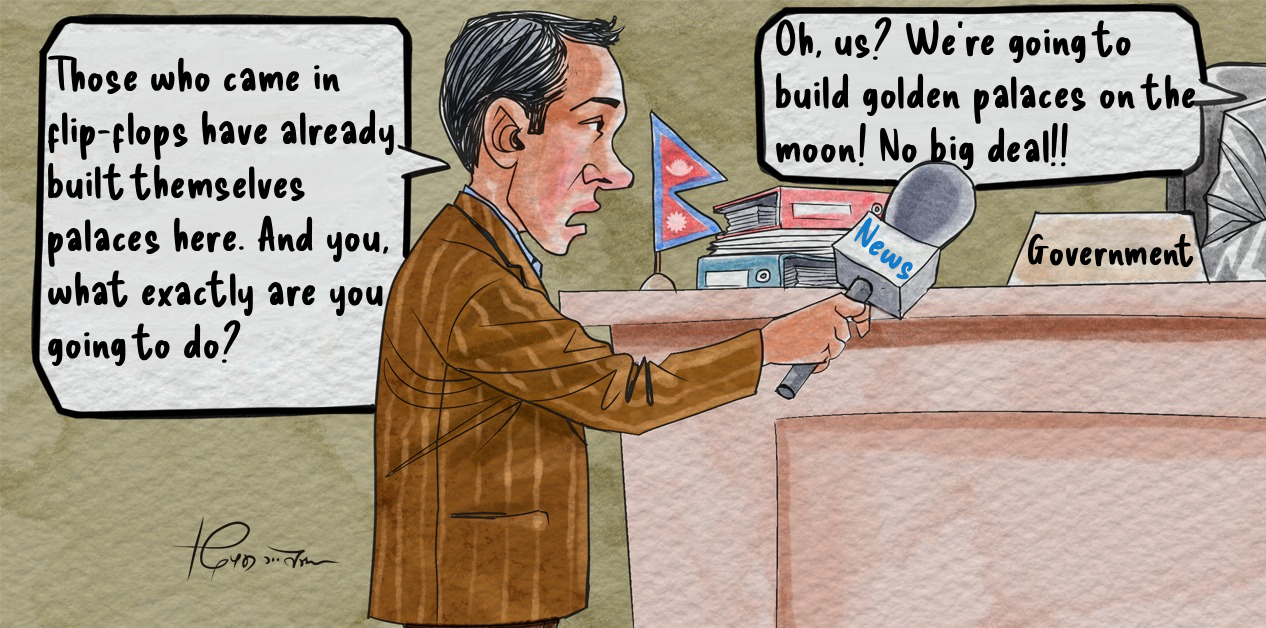
KATHMANDU: “Leaders who once came wearing slippers are now able to host their children’s and grandchildren’s weddings, bratabandha ceremonies, and feasts in five-star hotels like big businessmen. This is the result of an election lost by the people,” said Rabi Lamichhane, chairman of the Rastriya Swatantra Party (RSP), while addressing a gathering organized in Bhirkot Municipality of Syangja on 22 December 2023.
Such remarks about political leaders are not new. It has long been a subject of discussion and criticism in political and social circles that once individuals become involved in politics and reach positions of power, their lifestyles and economic status change overnight. Over the past three and a half decades since 1990, voices have also been raised demanding investigations into the assets of those who have held public office, alleging that they have amassed wealth illegally. Indeed, leaders who tirelessly claim that politics is a form of service and engage in no other profession are visibly living in luxurious mansions, driving expensive cars, and leading lavish lifestyles.
In the past, it was often seen that individuals who had little to nothing would enter politics and, through corruption and exploitation of state resources, become immensely wealthy. This gave rise to the perception that the main purpose of engaging in politics and attaining state power was not to serve the people, but to accumulate wealth. On the other hand, it was also interpreted that impoverished individuals enter politics primarily with the aim of building personal wealth.
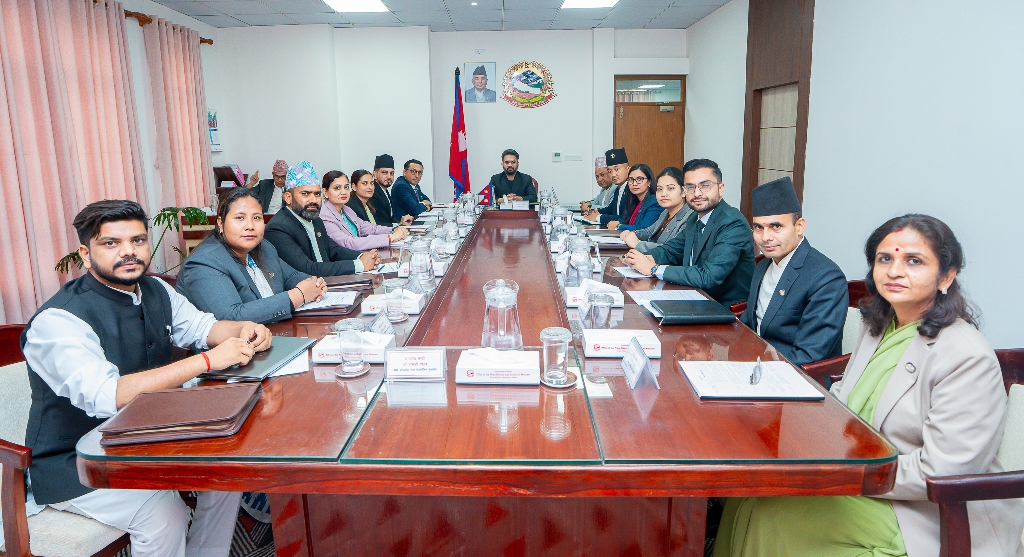
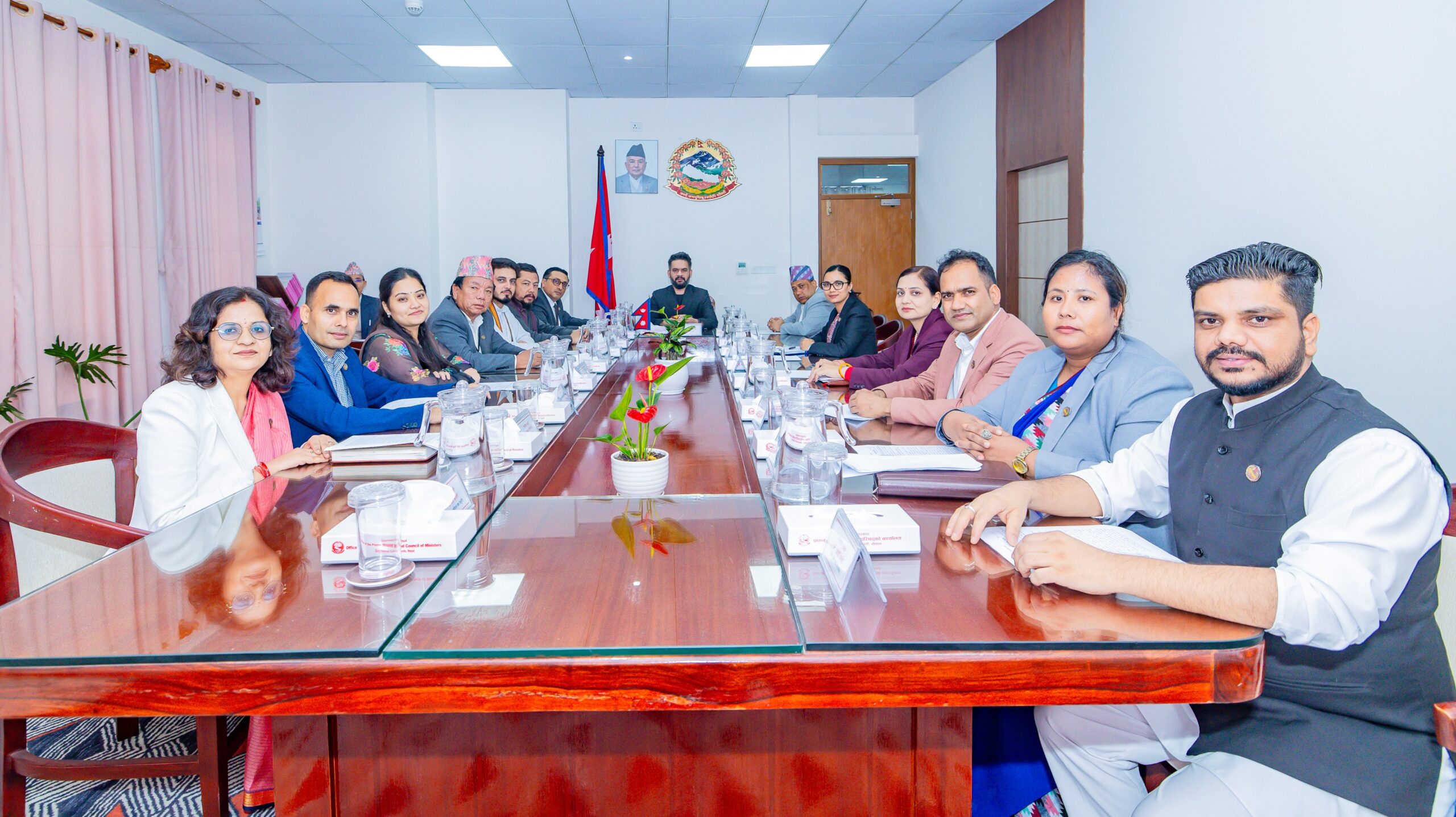
Council of Ministers meeting. Photo source: Prime Minister’s Secretariat.
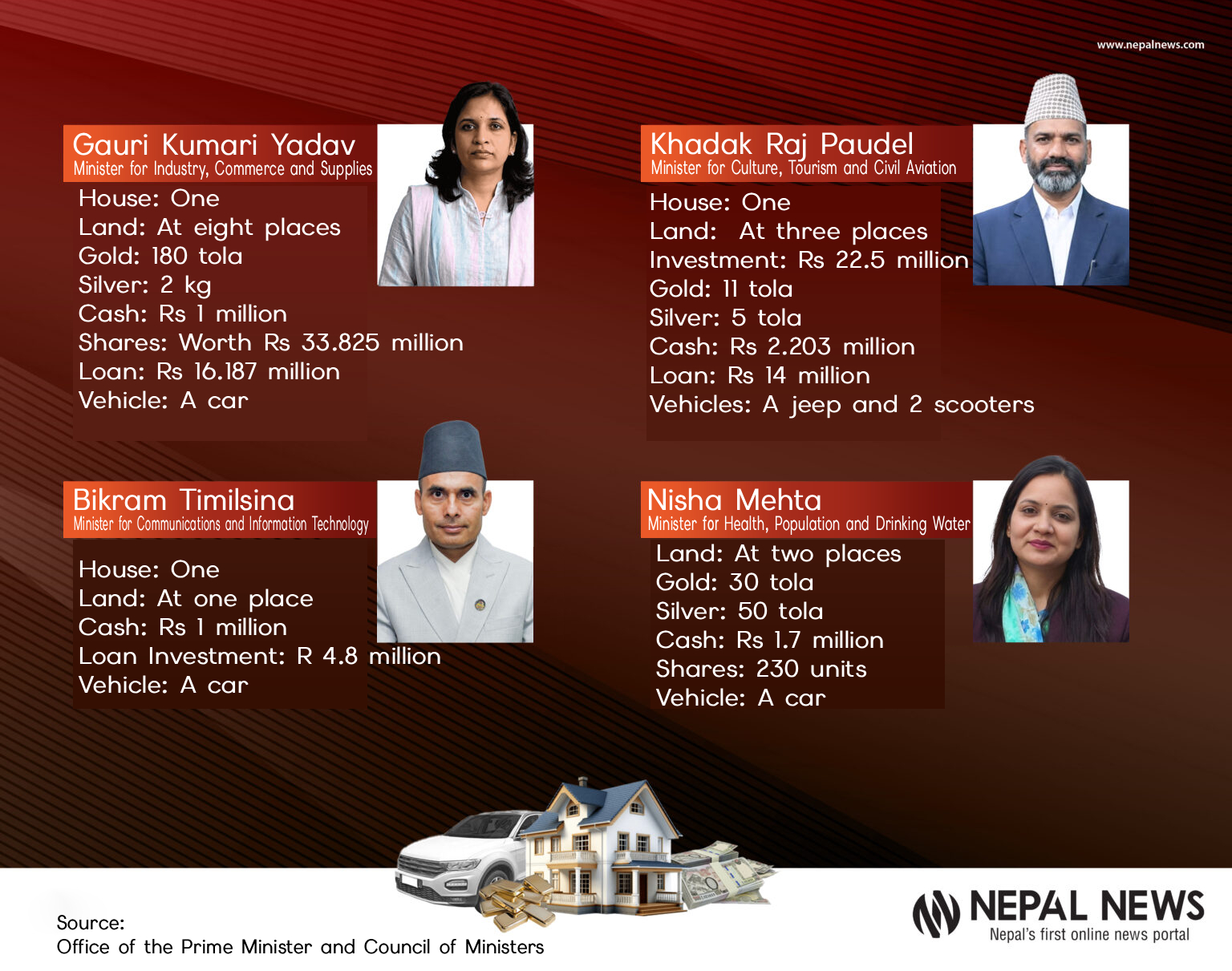
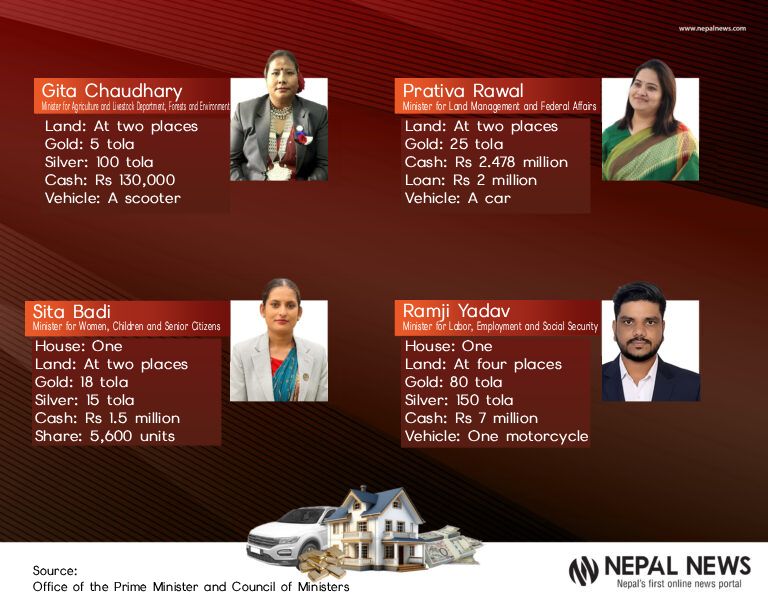
However, looking at the assets of the current Prime Minister and ministers, it appears that Nepali politics has now come under the control of the elite, i.e., wealthy individuals. The asset details made public on 12 April 2026 by Prime Minister Balendra Shah and the ministers surprised many. The disclosures of gold, silver, land, houses in multiple locations, and investments clearly indicated that wealthy individuals dominate the government. This stirred society, as reflected in reactions and commentary on social media, as well as memes depicting ministers adorned with gold. There was even sarcastic labeling of the government as a “golden era” and a “golden cabinet.”
There were both supportive and critical remarks regarding the ministers’ asset disclosures. On the one hand, questions were raised about the sources of such vast wealth and whether taxes had been properly paid. Concerns were expressed that a government composed of ministers holding piles of gold could not represent or understand the suffering of the poor and marginalized. Some also demanded investigations, pointing out that ministers at a relatively young age possessing such extraordinary wealth seemed unnatural. On the other hand, some praised the disclosures, stating that individuals who had not previously held public office had transparently presented wealth earned through their own abilities, talents, as well as family and ancestral property.
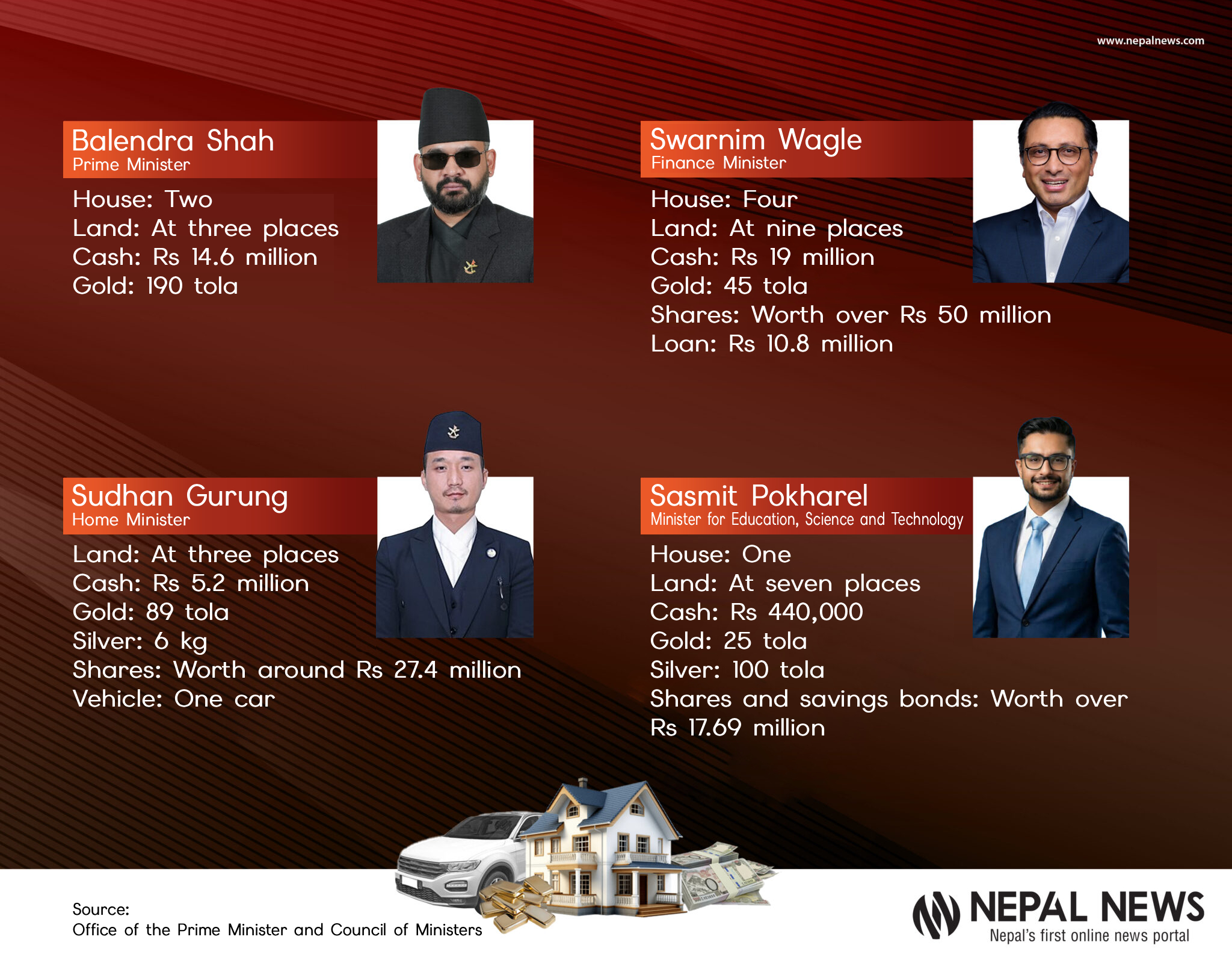
According to Section 50 of the Prevention of Corruption Act, 2002, individuals holding public office are required to submit details of assets, including sources, in their own and their family’s names to the concerned authority within 60 days. After the ministers submitted their details under this provision and they were made public, debates began amid discussions of a “yellow (golden) cabinet” about whether people enter politics to become wealthy or whether wealthy individuals are entering politics. Some argue that when wealthy individuals come into politics and governance, they are less likely to engage in corruption and self-interest. There is already a prevailing narrative in politics that leaders who have their own professions and good earnings do not exploit state resources.
Political analyst Bhaskar Gautam, however, says this narrative is completely wrong. “If it were true that wealthy individuals do not engage in corruption and irregularities, then the monarchy should not have been corrupt. There have been many politicians in Nepal from wealthy families; they should not have been corrupt,” he says. “Having wealth does not mean that leaders will dedicate themselves to serving the people. When wealthy individuals reach politics, they tend to work in the interest of their own class. Historically, that is what we have seen.”
Power in the hands of the wealthy
In the past, the dominant narrative was that representatives from poor and middle-class backgrounds would reach power and then become wealthy. Now, the entry of economically well-off individuals into politics has become visible. This indicates that the social base of power itself is changing. Based on public asset disclosures, most members of the young cabinet are millionaires. The ministers’ investment priorities appear to be gold and real estate, which are considered non-productive sectors.
Political analyst Hari Roka says that it is not surprising to see enormous wealth among members of the new government, as they belong to a class that already benefits from social structures. “There is no need to be surprised that the Prime Minister and ministers possess immense wealth. If they were not wealthy, they could not have challenged the old power structures or sidelined all parties in the election,” he says. “Some people are fortunate enough to be born in Nepal with a golden spoon. That class has now reached power.”
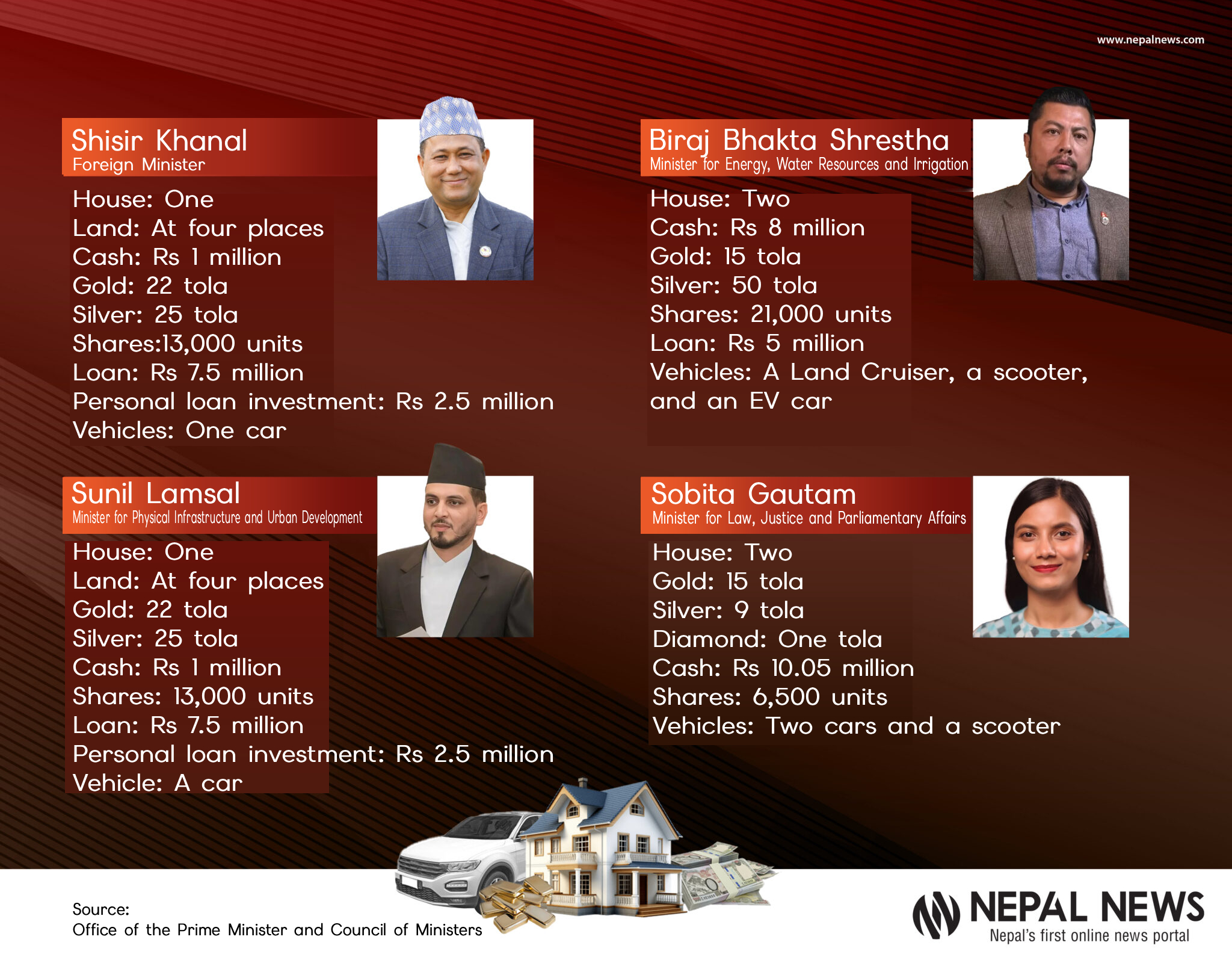
Roka states that as power shifts from leftist and liberal democratic forces to populist right-wing groups, those who reach power tend to be from the elite class. However, he also points out that considering the age of the individuals in the government and the positions they reportedly worked in, such levels of income seem unlikely. “So, one issue is the source of their wealth, and another is whether their assets are derived from taxable income,” he says.
In the House of Representatives election held on March 5, parties such as the Nepali Congress, CPN (UML), and former Maoist factions – including the Nepali Communist Party (NCP), which had been in power since 1990 – were pushed to the margins by the RSP, which was formed about four years ago. As the RSP won nearly two-thirds of the seats, traditional powers were left struggling for survival.
Most movements in Nepal have historically focused on changing political systems. Movements in 1950/51, 1990, and 2006 were aimed at political transformation. According to analyst Gautam, last year’s Gen Z movement, however, was centered on economic inequality. “This time, the movement focused more on economic inequality than on other forms of structural discrimination,” he says.
Gautam adds that, with few exceptions, power in Nepali politics has always remained in the hands of the wealthy and privileged. “A person whose life runs merely on subsistence or who owns very little property cannot really engage in politics,” he says. “From the Rana era onward, it has been those with access to knowledge and sufficient resources who have participated in politics and led rebellions against the existing system. The asset disclosures of current ministers also confirm this.”
Questions about sources
The basis for the formation of this government was the movement that took place on September 8 and 9 last year. Before the movement, trends like “nepo baby” and “nepo kids” were circulating on social media, raising questions about the lavish lifestyles of the children of wealthy leaders. However, the ministers of the government formed after the election that followed the movement themselves appeared to be wealthy. As a result, questions have arisen about the sources of the ministers’ assets and whether they fall within the tax net, even though the government was formed on the foundation of the Gen Z movement that demanded good governance.
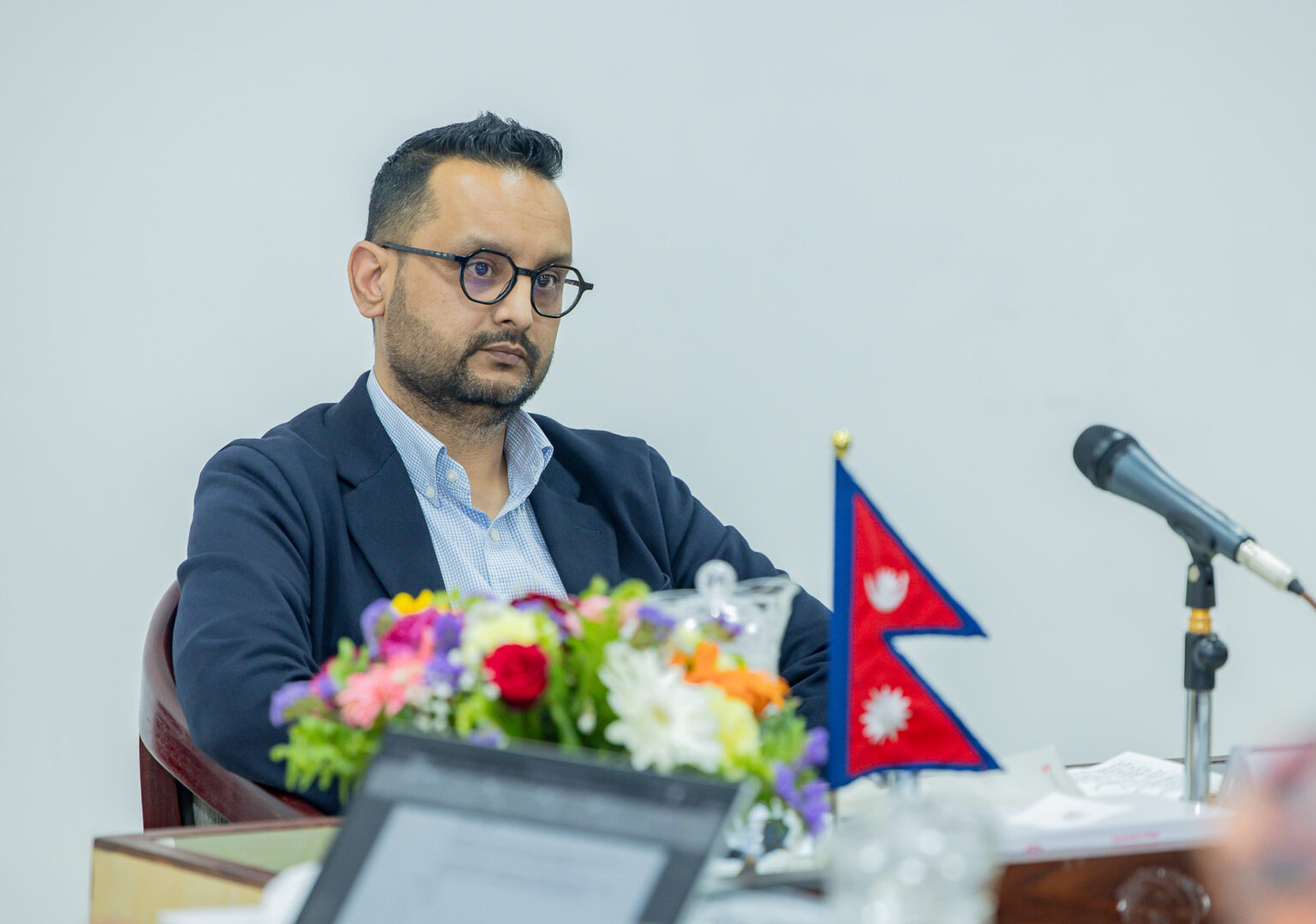
After questions about the sources of assets were raised on social media, the youngest member of the Council of Ministers, Minister for Education, Science and Technology, Sasmit Pokharel, defended himself via social media, stating that his assets were transparent. Being the son of a former executive director of Nepal Rastra Bank, he mentioned that houses and land were purchased through his father’s income, allowances, and benefits, and that he had included even his maternal family’s property in the disclosure.
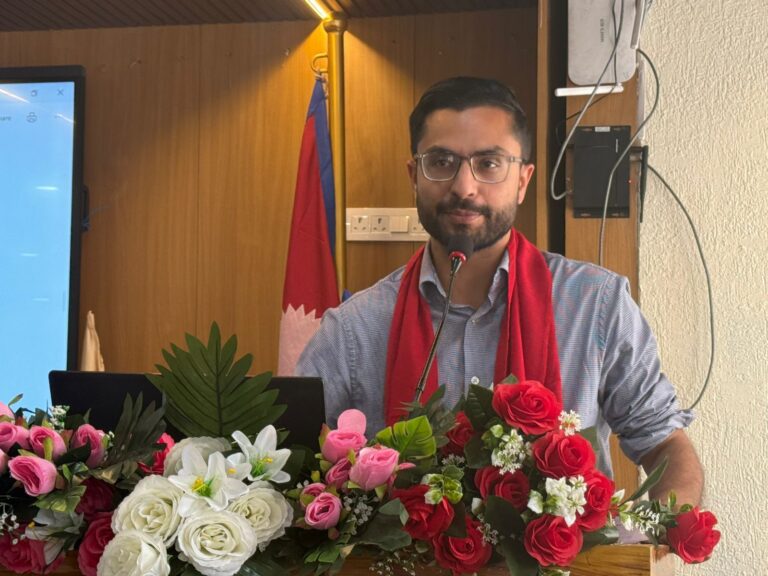
Education Minister Sasmit Pokharel. Photo: Minister’s Secretariat
On social media, Minister Pokharel wrote: “I have not only disclosed my personal assets, but also those of my father, mother, and even my maternal side. I have even mentioned my father’s vehicles. Technically, it would have been sufficient to show only my personal property, but I have practiced full transparency by making all details public. Because I have no fear, these assets are the result of my family’s honest hard work.”
According to former Finance Minister Rameshore Khanal, asset disclosures made public by ministers may not be entirely reliable. He wrote on Facebook that tax records are a more dependable basis for assessing actual financial status. Among the 100-point governance reform agendas issued by the government under Prime Minister Shah, there is also a provision to investigate the assets of individuals who have held public office and high-ranking officials since 1990. Some have argued that such investigations should begin with the current government itself.
The asset disclosures of the Prime Minister and ministers show land holdings exceeding legal ceilings. According to the Land Act, 1964 AD, a person or their family is allowed to own up to 10 bighas in the Inner Madhesh and Terai, 25 ropanis in the Kathmandu Valley, and 70 ropanis in hill regions outside the valley. Additionally, provisions allow for one extra bigha in the Terai and five extra ropanis in hill regions (including Kathmandu Valley) for residential purposes. However, Home Minister Sudhan Gurung owns a total of 250 ropanis of land across Dhankuta, Gorkha, and Chitwan. This has raised questions about what will happen regarding land exceeding the legal limits.
Following the publication of ministers’ asset details, Harka Raj Rai, chairman of the Shram Sanskriti Party and a Member of Parliament, demanded that the sources of assets also be made public. Not only Rai, but others from various sectors have also raised questions about the sources of wealth. Former president of Transparency International Nepal and senior advocate Shree Hari Aryal says that unless the sources of the disclosed assets are clear, they cannot be considered credible. “What has been disclosed now – do the ministers actually possess that much wealth? And if they do, has it come from the sources they claim? Until that is clarified, the asset disclosure has no real meaning,” he says. “I once handled a case of a minister who, while declaring assets, wrote that his wife had brought 100 tolas of gold as dowry. Who is going to verify whether that was actually given?”
Aryal comments that while it is appropriate to require asset disclosures to be submitted to relevant authorities, making them public is somewhat impulsive. “Ministers must submit their asset details to the government. If complaints are filed, those details should be cross-checked and investigated,” he says. “But making them public seems hasty. Public disclosure can put individuals at risk. In the name of transparency, it is not necessary to expose personal privacy.”
Investment priorities
On 25 May 2028, Swarnim Wagle posted on Facebook about the amount of gold held by members of the then Council of Ministers led by KP Sharma Oli, calling it a “golden cabinet.” After gold appeared prominently again in the asset disclosures of the Prime Minister and ministers in the new government that includes Wagle, that old post has gone viral on social media. Finance Minister Wagle’s asset details include houses and land in various locations, along with 45 tolas of gold. After the seven-year-old post went viral, it was deleted from his Facebook page.
Other ministers also possess significant amounts of gold. On average, ministers hold 49 tolas of gold. The highest amount is held by Prime Minister Shah – 190 tolas – in the name of his wife, Sabina Kafle. Similarly, Minister for Industry, Commerce and Supplies Gauri Kumari Yadav, holds 180 tolas of gold. Home Minister Gurung, who was active in volunteer work through the “Hami Nepal” organization before being elected as a Member of Parliament, has disclosed owning 89 tolas of gold. Meanwhile, Minister for Agriculture, Livestock, Forests and Environment, Gita Chaudhary holds the least, with five tolas. Altogether, ministers collectively hold 786 tolas of gold, which, based on the market price as of 15 April 2026, amounts to Rs 237.922 million.
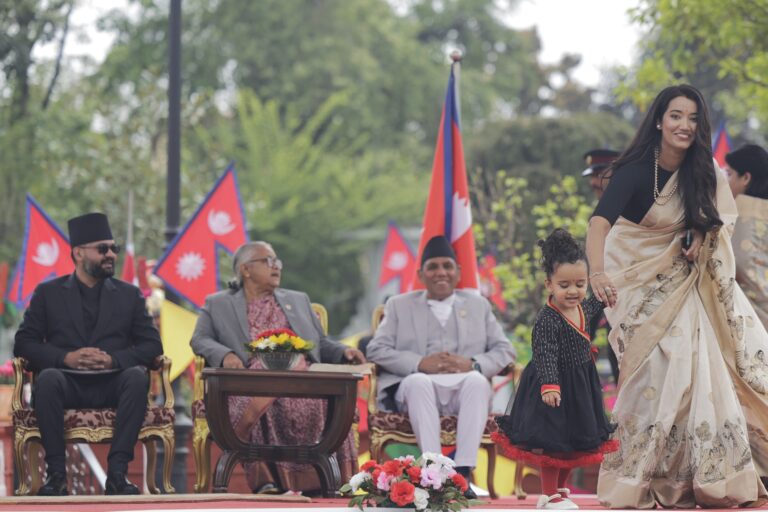
Balendra Shah and others after the oath-taking ceremony of the Prime Minister. Photo: Bikram Rai/Nepal News
Gold is considered one of the safest investment assets in the world. In Nepal, there is no fixed limit on how much gold an individual can own. Another priority investment sector in Nepal is real estate. Former Governor of Nepal Rastra Bank, Deependra Bahadur Kshetry, states that investment in gold reflects a tendency to prioritize individual gain over collective benefit. “People invest in gold with a focus on personal profit, and since the law does not restrict it, there is nothing inherently wrong with it,” he says.
Kshetry adds that whether ministers’ assets fall within the tax net is a matter of concern. “If those assets are within the tax net, that would be a positive thing. They have said they stand for good governance and honesty; hopefully there will be no issues when the time comes to show the sources of their wealth,” he says.
Analyst Roka says that investments in gold and real estate reveal the sectors ministers prioritize. “Investment in gold and real estate reflects the priority areas of ministers,” he says. “Given that they possess such vast wealth, they could have invested in industrialization and job creation instead.”