Kathmandu
Friday, June 26, 2026






KATHMANDU: Nepal News presents today’s snapshot of Nepal’s economic activities. Get quick updates on major market movements, policy shifts, and financial developments shaping the economy of Nepal. Here are the key economic highlights for today:
NRB Withdraws Rs 20 Billion to Manage Excess Liquidity
Nepal Rastra Bank (NRB) conducted a deposit collection auction on Wednesday to withdraw Rs 20 billion from the banking system for a 44-day period. This move addresses the persistent excess liquidity in banks and financial institutions, as loan demand remains low. Licensed Class A, B, and C financial institutions participated in the bidding process, which concluded at 3:00 PM. The minimum investment threshold was set at Rs 100 million. These deposit collection instruments can be used by banks as collateral for other financial transactions. The central bank has been withdrawing funds twice a week over the last three years to stabilize market liquidity levels.
NEPSE Slightly Dips as Turnover Falls Today
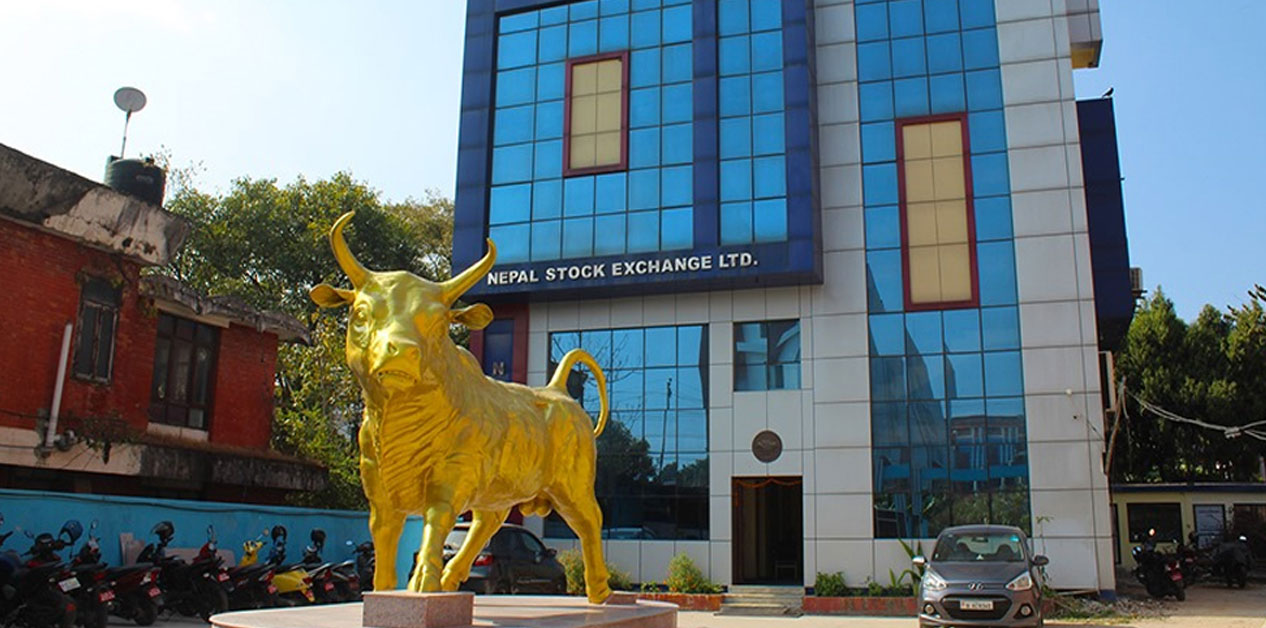
The Nepal Stock Exchange (NEPSE) fell by 1.64 points on Wednesday, the third trading day of the week, closing at 2,711.22. Turnover also declined to Rs 3.197 billion from Rs 3.439 billion on Tuesday. The sensitive index rose slightly by 0.80 points to 463.12, while most other indicators showed mixed movement across sectors. Out of 336 listed companies traded through over 47,000 transactions, 104 gained while 149 declined. Eight of 13 sectoral indices posted gains, led by mutual funds and microfinance, while development banks, hydropower, and manufacturing sectors led the losses.
Ministries Order Accelerated Project Execution and Prompt Price Adjustments
The Ministry of Physical Infrastructure and Transport and the Ministry of Urban Development issued directives on Tuesday to expedite construction projects and resolve implementation hurdles. Subordinate agencies were instructed to end delays and submit mandatory progress reports. Crucially, the ministries mandated the immediate implementation of price adjustment clauses as per contract documents to address rising costs. Project heads and directors will be held personally accountable if activities do not resume or if significant field progress is lacking. The directive aims to improve inter-agency coordination and ensure that development projects are completed within their stipulated timelines to avoid further stagnation in the construction sector.
Customs Deadlock Persists Over Mandatory MRP Labeling in Biratnagar
The clearance of commercial goods at the Biratnagar Customs Office has been halted for eight days due to a dispute over mandatory Maximum Retail Price (MRP) labeling. While the customs administration remains firm on the requirement, importers argue that the Consumer Protection Act, 2018, places the burden of labeling on the importer or producer, not the foreign exporter. Currently, only goods with pre-printed MRP, such as certain biscuits and snacks, are being released. Business leaders warn that the continued stoppage of cargo at the border and Kolkata port will lead to market shortages. Revenue collection has significantly dropped as traders adopt a “wait and see” approach regarding the enforcement.
Government Launches Online System for Foreign Vehicle Permits and Revenue
The Department of Customs under the Ministry of Finance launched an online system on Tuesday to facilitate the entry of foreign vehicles, primarily benefitting Indian and Bangladeshi tourists. Finance Minister Dr. Swarnim Waglé inaugurated the portal, which allows travelers to fill out vehicle details and pay required revenues digitally before reaching the border. Previously, tourists had to obtain physical temporary permits and visit customs offices for renewals or fines. Under the new Temporary Import Vehicle (TIV) module of the National Single Window, travelers receive a QR code via email after payment, which is scanned at the border for seamless entry. This digital shift aims to improve transparency and eliminate physical hassles at crossing points.
Dirghayu Shrestha Appointed Acting Managing Director of NEA
Dirghayu Shrestha has been appointed as the acting managing director of the Nepal Electricity Authority (NEA) on Wednesday. The appointment was made by the Minister for Energy, Water Resources, and Irrigation, Biraj Bhakta Shrestha. Prior to this role, Dirghayu Shrestha served as the Deputy Managing Director of the Distribution and Consumer Services Directorate. He replaces Hitendra Dev Shakya, who was automatically relieved of his duties following the implementation of the Special Provisions on Dismissal of Public Officials Ordinance, 2026. The leadership change comes as part of the government’s broader administrative restructuring initiated through recent legislative changes.
Local Banana Prices Surge as Indian Imports Decline in Baglung
Farmers in Baglung are witnessing a significant increase in the price and demand for local banana varieties following a decrease in Indian imports. Prices have jumped from Rs 70 per dozen to Rs 100 to Rs 120 at the farm gate, while retail prices in the Baglung market range from Rs 120 to Rs 180. Previously, the market saw an influx of 100 cartons of Indian bananas daily, costing roughly Rs 200,000. However, local farmers in Jaimini Municipality and Nayapul now report that traders travel directly to their orchards to purchase crops. Jaimini Municipality has even launched a promotional campaign to support commercial banana farming as an alternative to traditional cereal crops.
Government Allocates Rs 200 Million for Bhanu Literature Park in Tanahun
The Department of Urban Development and Building Construction has allocated Rs 200 million in the current fiscal year to develop Chudi Ramgha in Bhanu Municipality into a literary tourism hub. The Bhanu Literature Park master plan involves acquiring 435 ropanis of land with a total estimated budget of Rs 1 billion. Key features include a 54-foot-tall statue of Adikavi Bhanubhakta Acharya and a traditional circular building showcasing his life history. The project also plans for a literary village, botanical garden, and sculpture gallery. To date, approximately Rs 18 million has been spent on preliminary works and land management for the site.
Local Levels Authorized to Manage Land Registration and Ownership Transfers
The government has amended the Land Revenue Act, 1977, through a new ordinance, officially changing the name of “Land Revenue Office” to “Land Administration Office.” Under the revised Section 8(C), local municipalities are now legally empowered to establish their own land management branches to handle land registration, ownership transfers, and property restrictions or releases. If survey maps need updating, these local offices will coordinate with the Survey Office. Over 200 local units have expressed interest in providing these services. Additionally, the government now mandates that real estate transactions exceeding Rs 30 million must be conducted through licensed companies to eliminate middlemen.
Government Prepares to Revise EV Tax Policy Based on Value and Size
The government is planning to shift its Electric Vehicle (EV) tax policy from motor capacity (kilowatts) to a system based on vehicle value and physical size in the upcoming budget. This change follows a report from the Office of the Auditor General, which revealed a revenue loss of Rs 3.77 billion due to importers underreporting motor capacity. Currently, EVs between 50 and 100 kW face 15 percent customs and 10 percent excise, while those above 100 kW face 20 percent for both. The Ministry of Physical Infrastructure and Transport recommended the shift to eliminate technical complexities and tax evasion. The new policy aims to ensure 90 percent of vehicles are electric by 2035.
Food Quality Department Issues Warning Over Damaged Water Jars
The Department of Food Technology and Quality Control has issued a stern warning to processed drinking water producers and distributors against using old, dented, or opaque jars. The department noted that such containers pose severe health risks, particularly during the summer and rainy seasons when waterborne diseases are more prevalent. Suppliers have been directed to strictly adhere to hygiene standards and phase out leaking or substandard packaging. Failure to comply with these safety regulations will result in legal action under the Food Hygiene and Quality Act, 2024.
Mt. Everest Royalties Surpass Rs 1 Billion This Season
The Department of Tourism reported that royalty collections from Mt. Everest alone have exceeded Rs 1.01 billion for the current climbing season as of Tuesday. A total of 464 climbers from 47 groups have obtained permits for the world’s highest peak. Overall, the government has collected Rs 1.17 billion from 1,072 climbers across 29 different peaks. The revenue surge is attributed to a hike in royalty fees implemented during the last autumn season. Climbers from 79 countries are participating, with China (139) and the USA (132) leading the numbers.
Biratnagar Metropolis Faces Revenue Crisis as Major Entities Default on Taxes
Biratnagar Metropolitan City is struggling to collect internal revenue as large commercial and government entities refuse to pay institutional rent and property taxes. Despite a Supreme Court ruling on June 3, 2025, confirming local levels’ right to collect such taxes, the city has only collected Rs 370 million as of April 29, down from Rs 385 million last year. Major defaulters include Nepal Food Corporation with Rs 52.1 million and Nepal Electricity Authority with Rs 38.7 million. Consequently, the city’s annual revenue target was revised down from Rs 1.4 billion to Rs 1.1 billion.
Fuel Shock, Fertilizer Shortage, and Weak Monsoon Threaten Nepal’s Food Security
Rising global fuel prices driven by the West Asia conflict are pushing up transport and farm costs in Nepal, forcing food producers to raise prices. At the same time, a widening fertilizer shortage and supply disruptions risk cutting agricultural output, while forecasts of a weak monsoon add further pressure. Nepal’s heavy reliance on imported fuel, fertilizer, and seeds is amplifying the crisis, with inflation rising and production costs surging. Economists warn the real impact will emerge in the coming months as current stockpiles deplete, potentially triggering a broader food crisis, weakening purchasing power, and hitting low-income and remote populations the hardest.
Lumbini Development Trust Launches Electric Van Service for Tourists
The Lumbini Development Trust has introduced an electric van service to facilitate the movement of pilgrims and tourists within the Greater Lumbini Area. Visitors can now access historical and religious sites including Lumbini, Kapilvastu, Devdaha, and Ramgram, via eco-friendly transportation. Out of 14 vans received as a grant from the Asian Development Bank, 12 are currently operational. Initially, the service is being offered at a per-kilometer rate equivalent to local taxi fares, but without the standard Rs 60 to 70 flag-down or waiting charges. The move follows a March 2025 High Court order that cleared legal hurdles regarding the conversion of white government number plates to green tourist plates.
Infrastructure Deficit Hinders Tourism Potential in Jumla
Jumla, recognized as the origin of the Nepali language and Khas civilization, faces significant tourism challenges due to poor road networks, communication gaps, and a lack of basic facilities. While the Chandanath-Bhairavnath Temple has seen over 7,000 visitors since April, other sites remain neglected. Key attractions like the Gidi Daha Lake (at 3,400 meters), the Akashe Lake, and the Shankar Waterfall suffer from a lack of trekking trails and promotional efforts. Despite the construction of Nepal’s second-largest Buddhist stupa at a cost of Rs 290 million, local stakeholders emphasize that inadequate provincial and local investment continues to limit the district’s economic growth from tourism.
Pokhara Metropolitan City to Distribute 7,500 Kilograms of Subsidized Rice Seeds
Pokhara Metropolitan City is set to distribute 7,500 kilograms of rice seeds to local farmers at a 50 percent subsidy this year. Although farmers requested 21,000 kilograms, the Agriculture Development Division can only meet a portion of the demand. The city purchases seeds from local growers at Rs 200 per kilogram and sells them to farmers for Rs 100. The distribution includes 2,000 kilograms of Ram rice and 5,500 kilograms of the popular Pokhareli Jethobudho variety. To preserve local biodiversity, the city is also promoting traditional varieties like Anadi and Pahele through its organic resource conservation campaign across various wards.
Power Restored in Syangja After 65-Hour Blackout Caused by Lightning
Electricity services in Waling and Bhirkot municipalities of Syangja resumed on Wednesday after a 65-hour disruption triggered by lightning damage to a transformer. The outage, which began Sunday morning, affected approximately 13,000 consumers, including healthcare and essential services. Since repairing the Butwal Power Company transformer would take over three weeks, the Ministry of Energy, Water Resources, and Irrigation coordinated an emergency solution. A 3 MVA transformer was brought from the Nepal Electricity Authority’s Hetauda office and installed on a rental basis. This inter-agency coordination allowed for a rapid restoration of power while permanent repairs continue on the original equipment.
Industrial Production Commences at Simara Special Economic Zone
Industries within the Simara Special Economic Zone (SEZ) have officially begun production following the government’s implementation of the SEZ concept. While the authority oversees 833 bighas of land, 6 industries are currently operational within a 343-bigha area designated as Block A. These include Pashupati Ceramics, providing jobs to 450 people, Brilliant Shoe, Balaji Manufacturing, Nepal Agro Tools, ACM Vehicles, and Biokalpa Nepal. Total employment across active units has exceeded 700 individuals. Additionally, over 12 factories are under construction with investments ranging from Rs 20 million to Rs 2 billion. Lease rates are set at Rs 5 per square meter.
Court Extends Detention for Businessmen Bhatt and Agrawal in Money Laundering Probe
The Special Court on Wednesday granted permission to keep businessmen Deepak Bhatt and Sulav Agrawal in custody for an additional 12 days to facilitate ongoing money laundering investigations. The bench, comprising Judges Hemanta Rawal, Dilliratna Shrestha, and Bidur Koirala, approved the extension following a request from investigators. This marks the fifth remand extension for Bhatt and the sixth for Agrawal, both of whom remain under scrutiny for financial irregularities. The judicial decision ensures that authorities have more time to gather evidence and complete the necessary interrogations while the suspects remain in legal detention.
Anjan Shrestha Formally Assumes Presidency of FNCCI
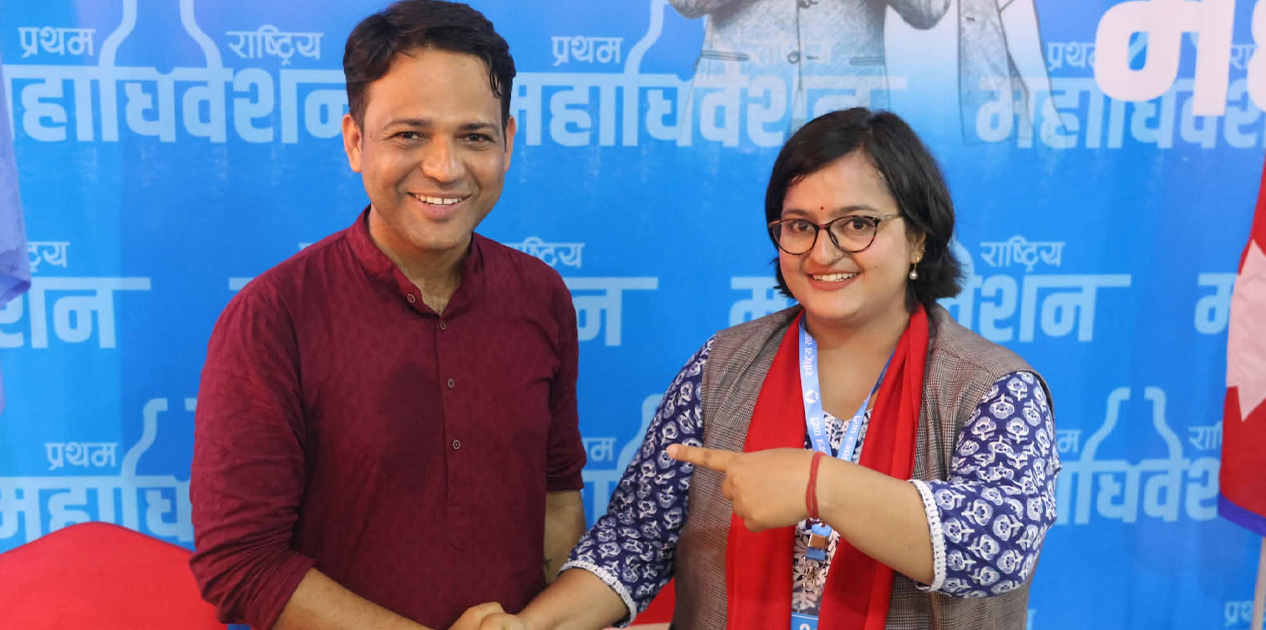
Anjan Shrestha was officially selected as the President of the Federation of Nepalese Chambers of Commerce and Industry (FNCCI) on Wednesday. Following the 60th Annual General Meeting and the completion of the vote count, Shrestha transitioned from senior vice president to president as per the federation’s statute. The election also saw Krishna Prasad Sharma and Dilsundar Shrestha elected as vice presidents for the district and municipal categories. Naresh Lal Shrestha was elected Vice President for the Commodity category, while Prabal Jung Pandey secured the Associate Vice President seat. This marks the final time a senior vice president automatically ascends to the presidency before the system reverts to direct elections.
Gold and Silver Prices Surge in the Market Today
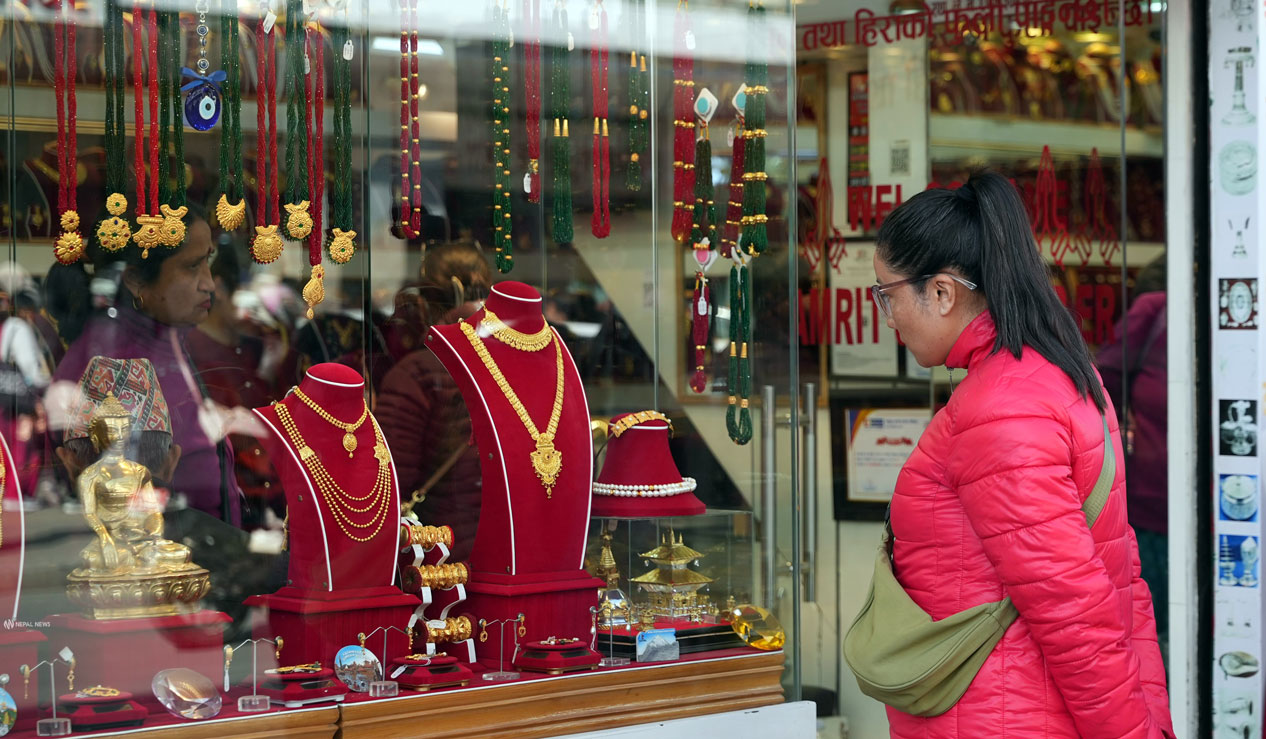
Gold prices in the Nepali market increased on Wednesday, according to the Federation of Nepal Gold and Silver Dealers’ Association. The federation stated that the price of gold rose by Rs 5,800 per tola (11.66 grams) on Wednesday, reaching Rs 296,800 per tola. On Tuesday, gold was traded at Rs 291,000 per tola for the same quantity. Similarly, the price of silver also increased compared to Tuesday. Silver, which was traded at Rs 4,880 per tola on Tuesday, rose to Rs 5,055 per tola on Wednesday.
IMF Warns of Global Inflation if Middle East Conflict Persists Through 2027
International Monetary Fund (IMF) Managing Director Kristalina Georgieva warned that if the ongoing conflict in the Middle East extends to 2027, global oil prices could soar to USD 125 per barrel. Under this “adverse scenario,” global economic growth is projected to slow to 2.5% by 2026, with inflation potentially rising to 5.4%. An even more severe “harsh scenario” could see growth drop to 2% and inflation hit 5.8%. The IMF noted that the initial “reference forecast” of 3.1% growth is becoming increasingly unlikely as prolonged regional instability continues to threaten global price stability.