Kathmandu
Tuesday, July 21, 2026





After 5,237 days, the bustling riverside community has been replaced by empty banks following a government crackdown, leaving displaced residents waiting for a future that remains uncertain.
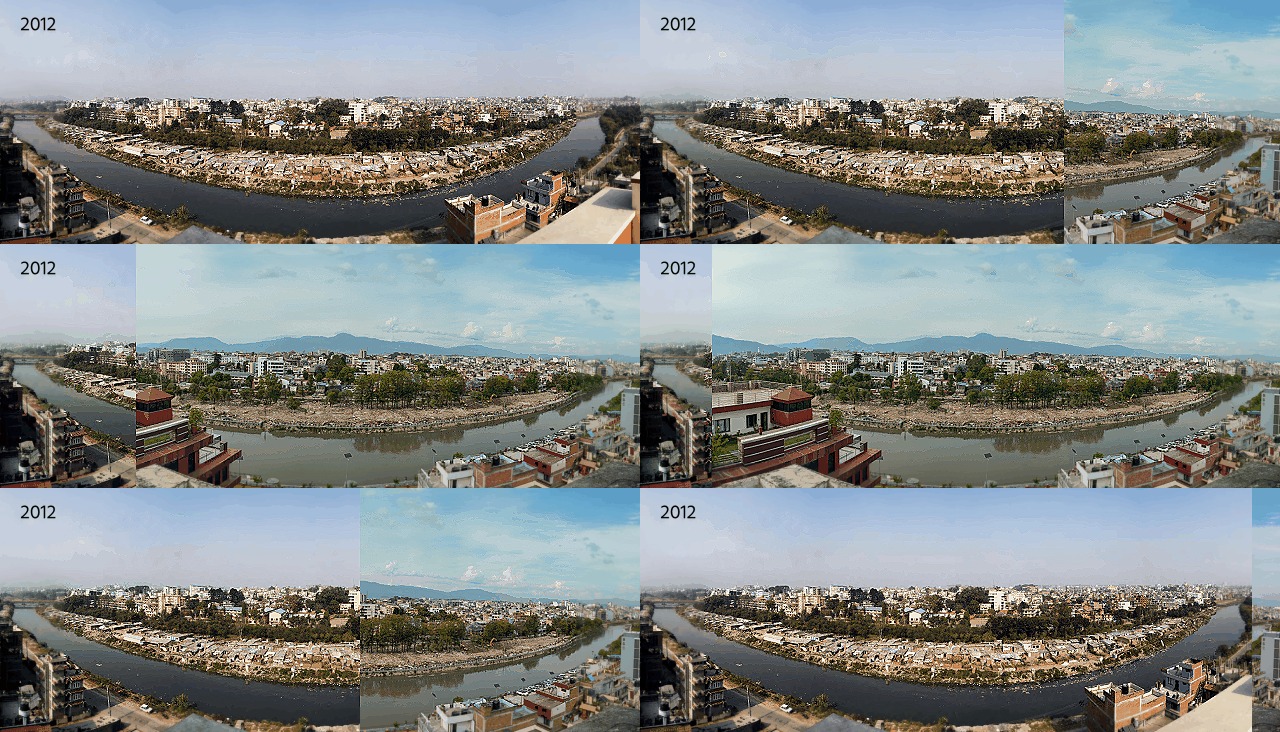
KATHMANDU: The settlement located on the banks of the Bagmati River in the Thapathali area was known as the Sukumbasi basti (landless settlement). Despite the dominance of low-roofed huts and shanties, the settlement was vibrant in its own rhythm. Because it was hidden by the city’s tall buildings and apartments, the internal view rarely caught the eyes of outsiders.
Curiosity about how the settlement would look from a height led to the capture of this first photo from the Rio Apartment located in Kupondole, Lalitpur. Taken on January 3, 2012, the photograph was published in Issue 586 of Nepali Times.
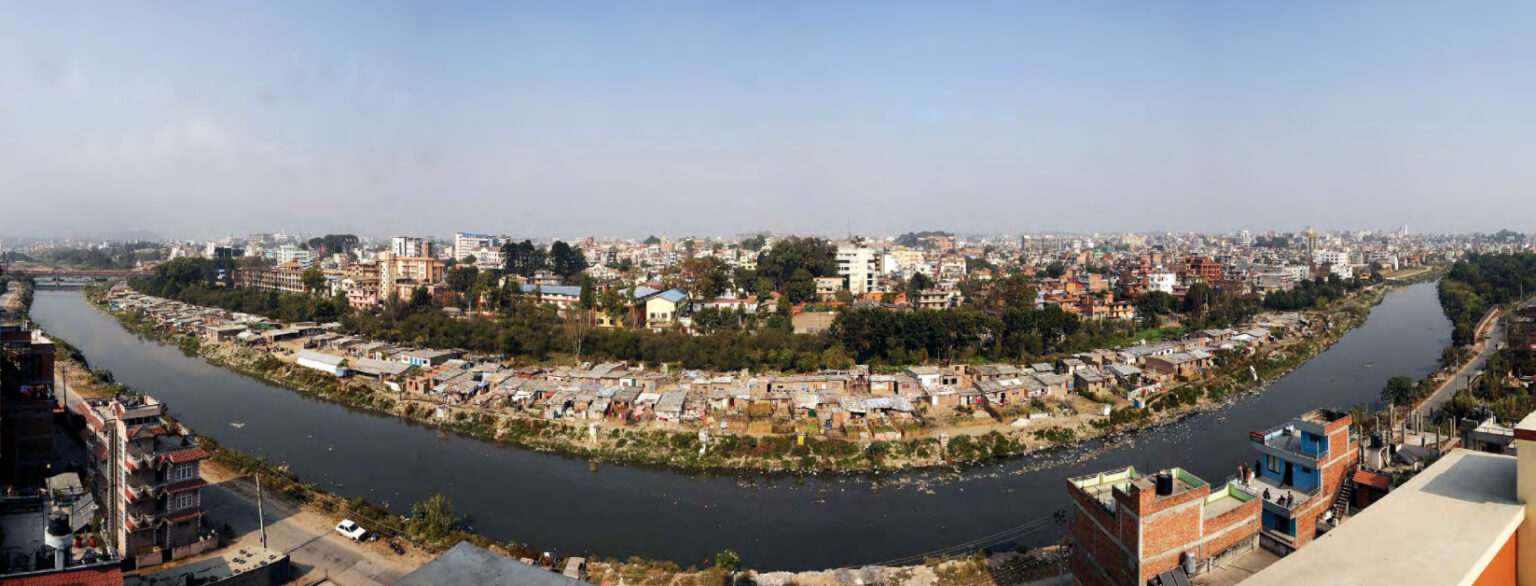
Photo taken on January 3, 2012.
Five thousand two hundred and thirty-seven days later—nearly fourteen and a half years—on May 5, 2026, when the second photograph was taken from the same apartment, it wasn’t just the view that had changed; epochal shifts had occurred in the country’s politics and circumstances.
Therefore, these two photographs are not merely visual records but witnesses to a transformed era.
Following the formation of the government under the leadership of Balendra Shah after the general elections on March 5, 2026, the campaign to vacate squatter settlements along the riverbanks gained momentum.
According to government data, 19 settlements in Kathmandu have been cleared so far.
As of May 4, 2,686 huts and shelters have been demolished using bulldozers, and 15,316 people have been relocated.
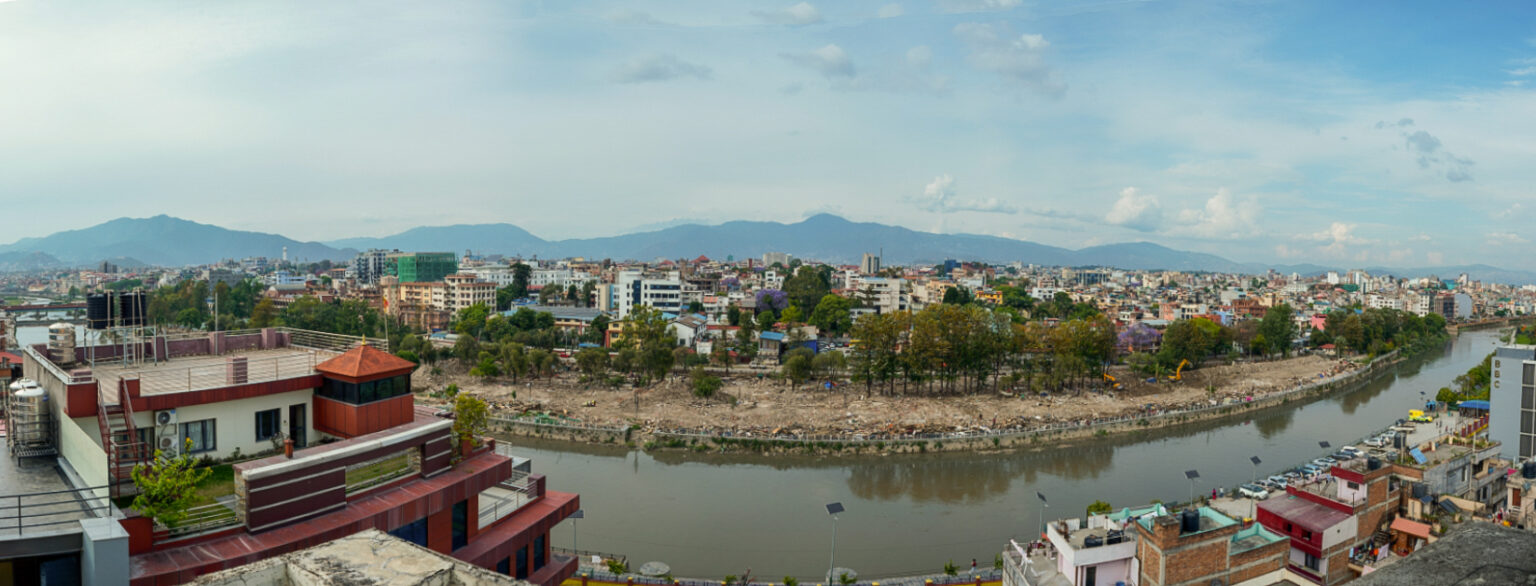
Photo taken on May 5, 2026.
While the government claims the settlements were cleared to protect the squatters from natural disasters, a blueprint for their long-term management remains unclear.
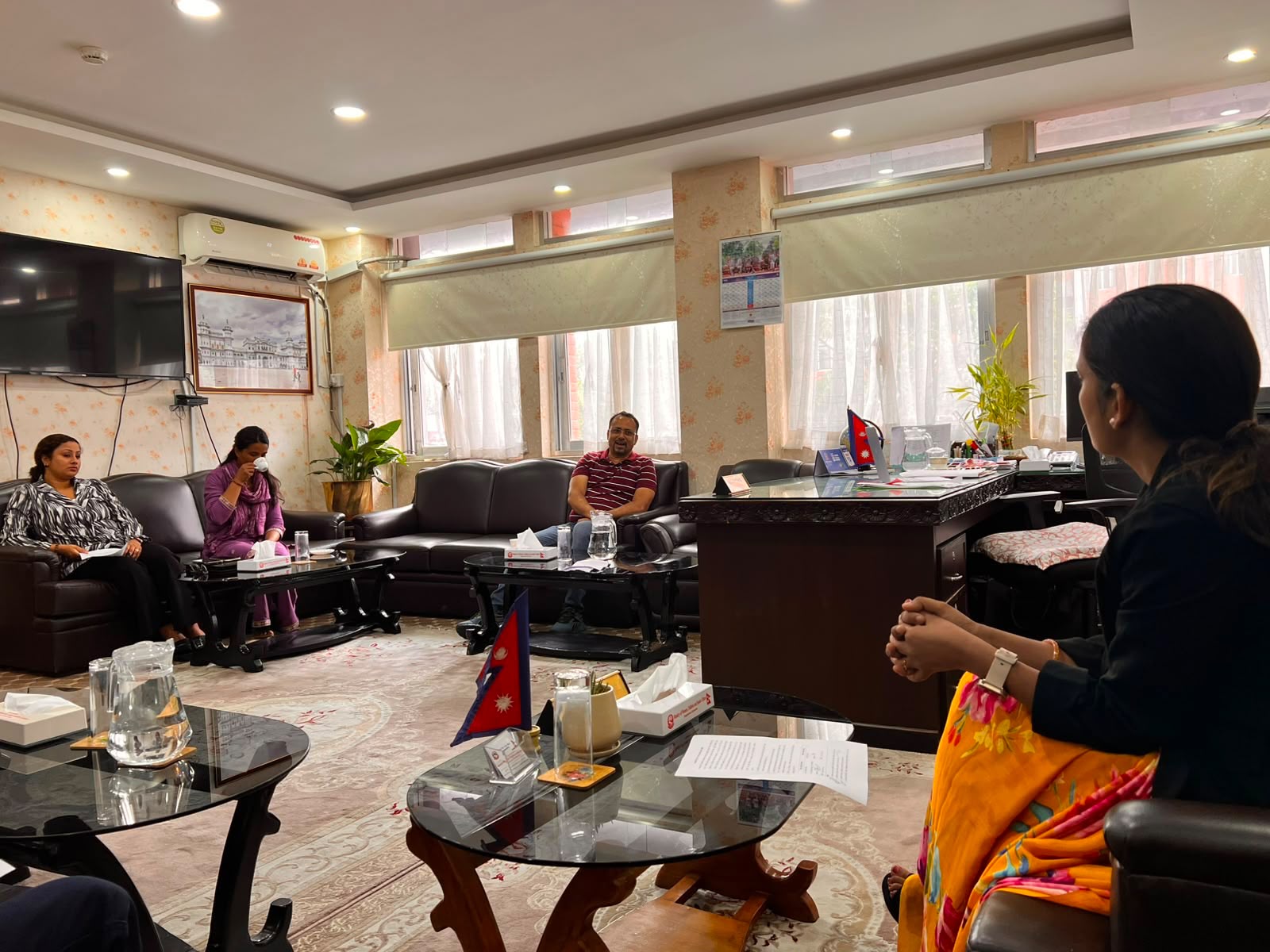
Among the landless citizens currently taking shelter in “holding centers” established by the government after the forced evictions, a fear has spread that they might be left stranded.
Although the settlement has been devastated, hope has not died in their hearts. They are now waiting for a “third photograph” that reflects their permanent management and a new life.