Kathmandu
Tuesday, July 21, 2026





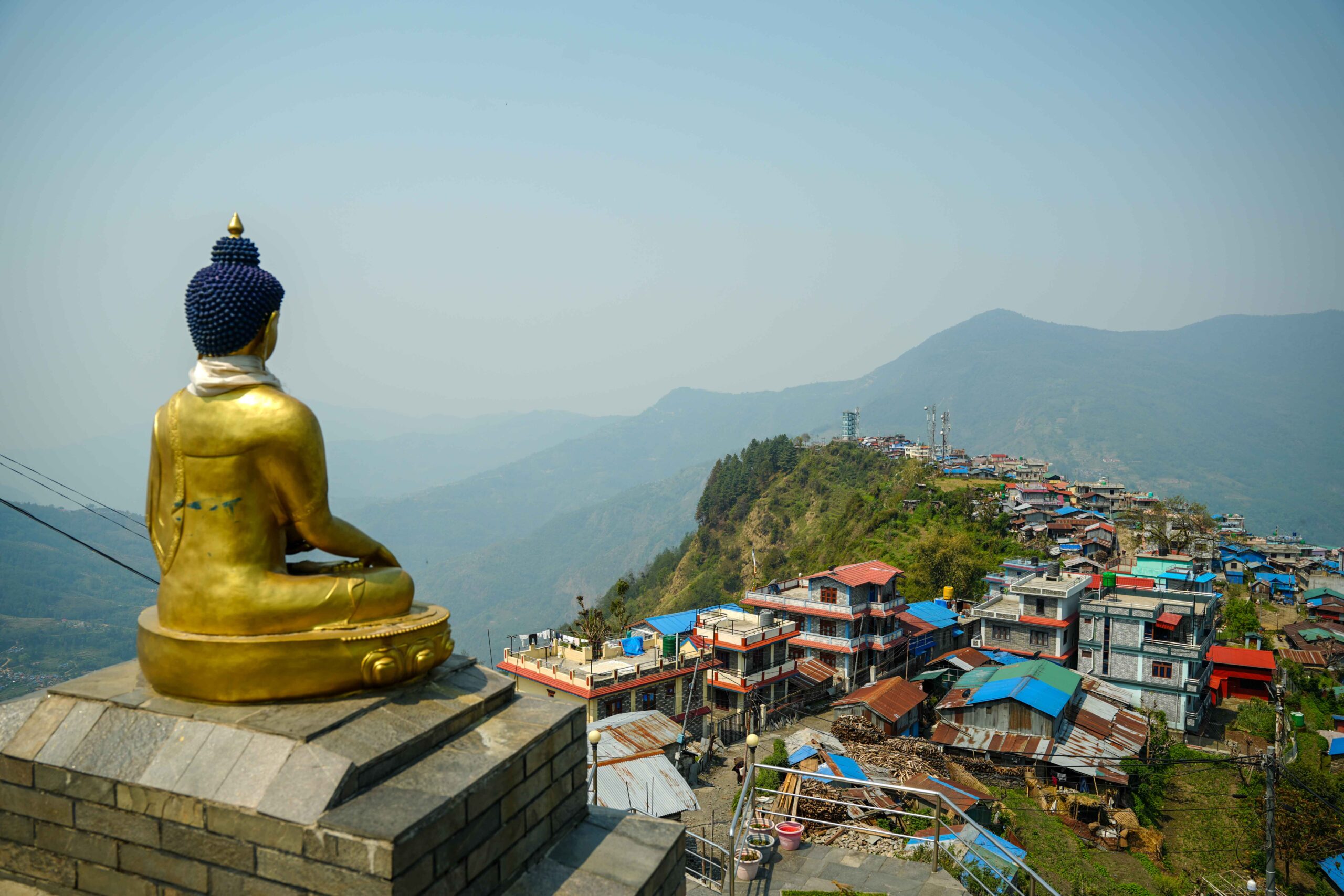
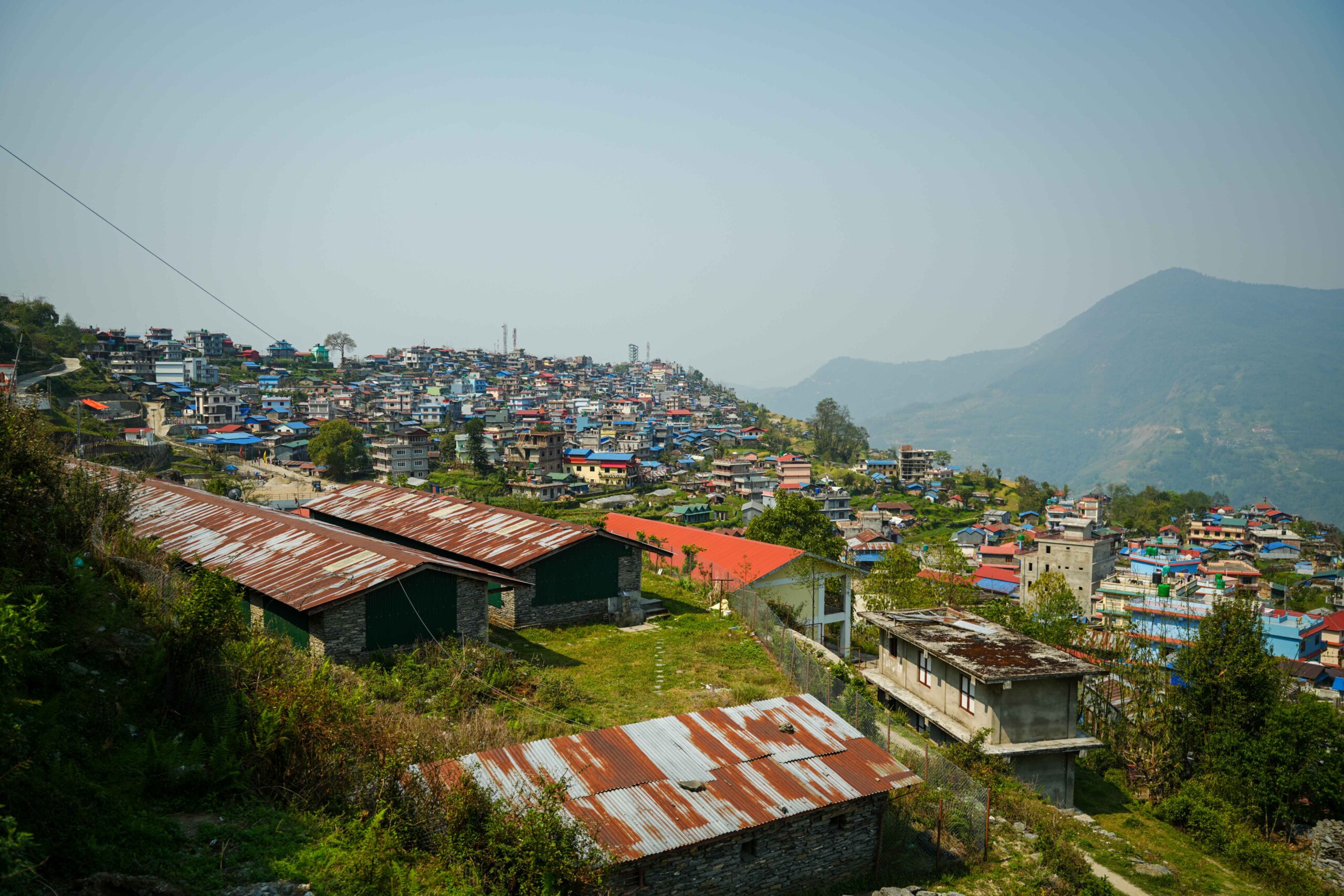
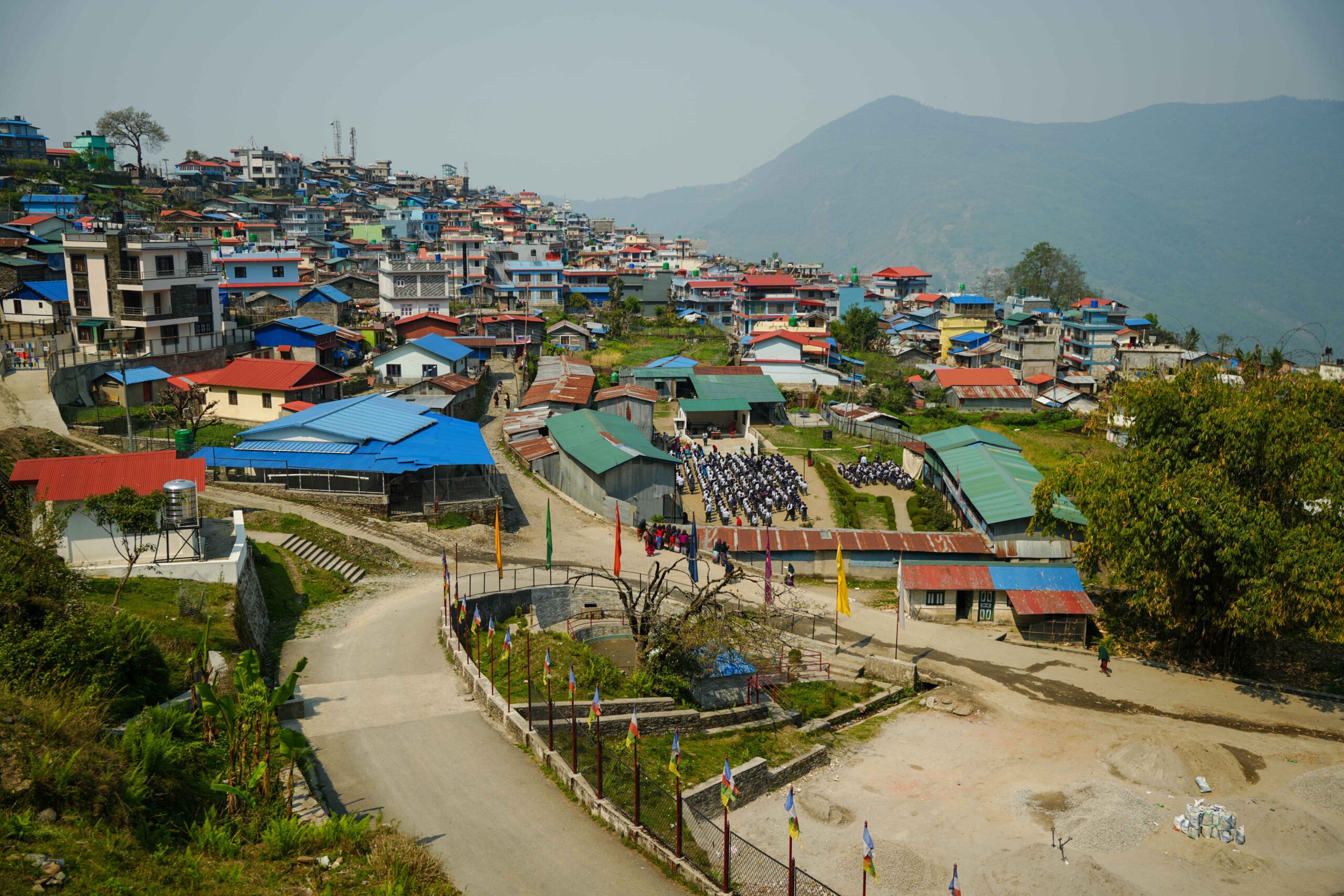
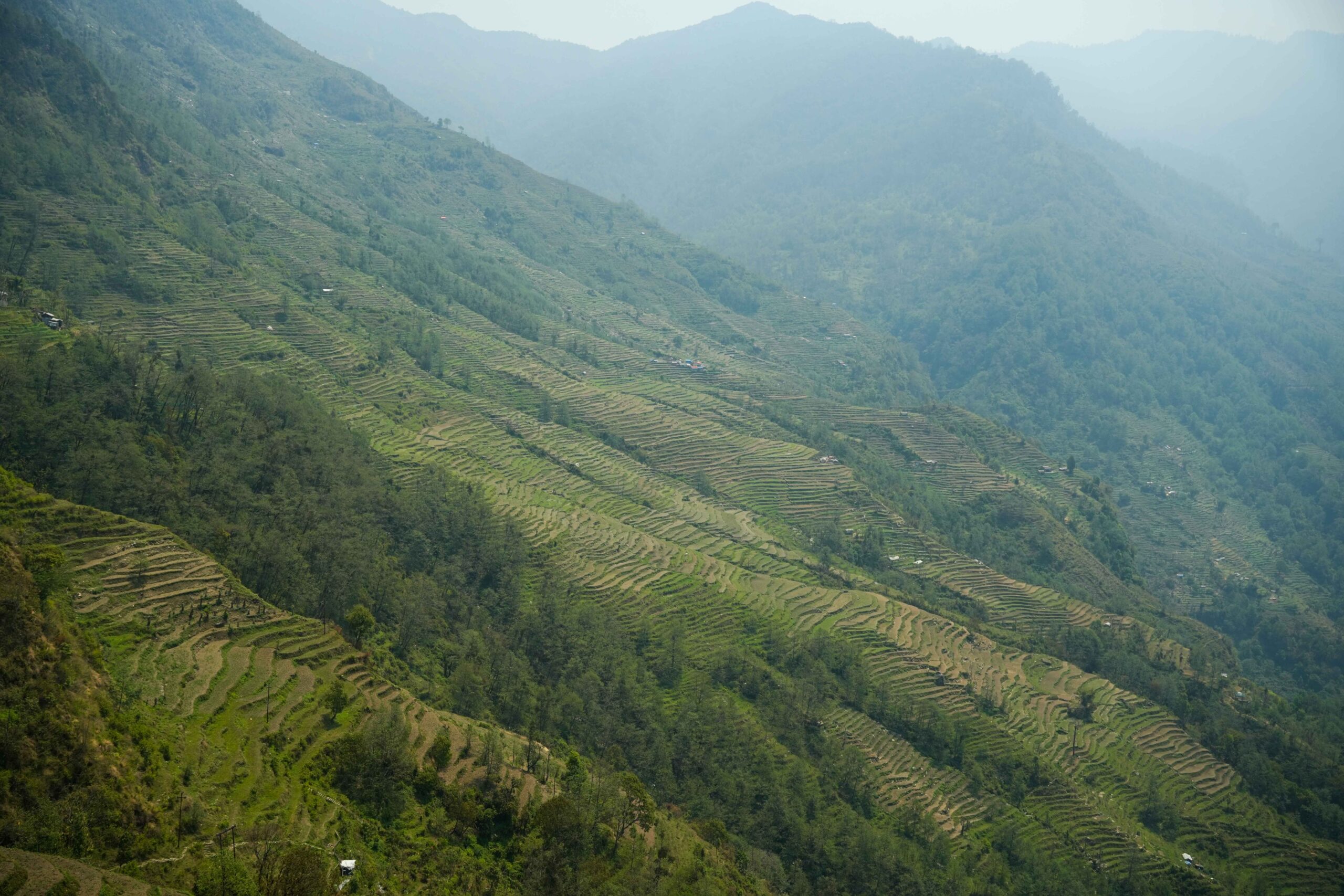
GORKHA: Barpak village, located in the northern part of Gorkha district, is a place rich in natural beauty, cultural diversity, and historical significance.
Situated at an altitude of around 1,900 meters above sea level, the village is especially known for its authentic Ghale and Gurung community culture, warm hospitality, and stunning Himalayan views.
In recent years, Barpak has been emerging as an attractive destination for both domestic and international tourists.
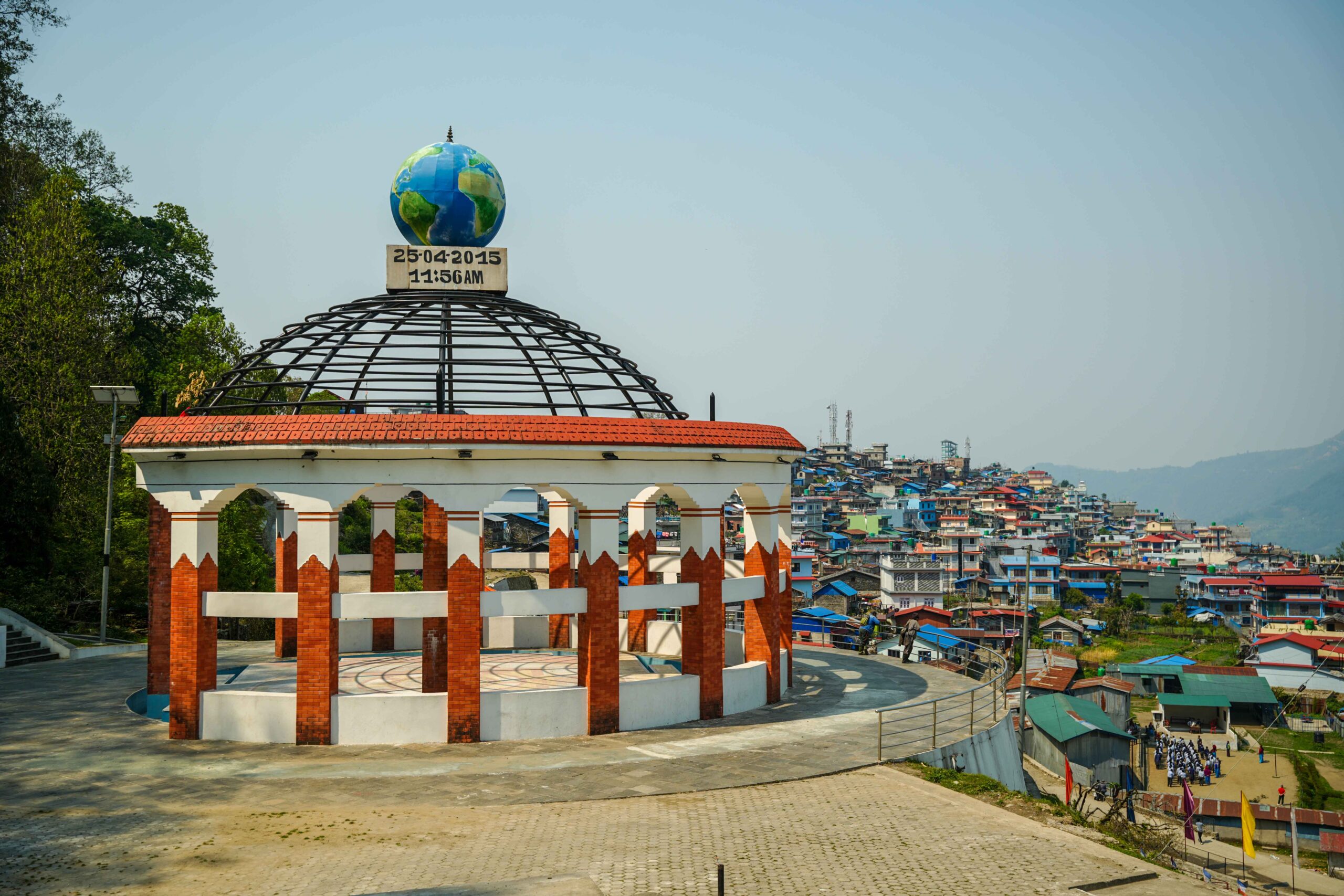
Many people also remember Barpak as the epicenter of the devastating 2015 earthquake. The 7.8 magnitude quake had its epicenter near this area, causing massive destruction in the village.
Hundreds of houses were completely destroyed, many lives were lost, and numerous families were displaced.
However, even after the disaster, the people of Barpak showed remarkable resilience and unity in rebuilding their village.
Today, modern and safer houses have been constructed, and infrastructure development has been progressing.
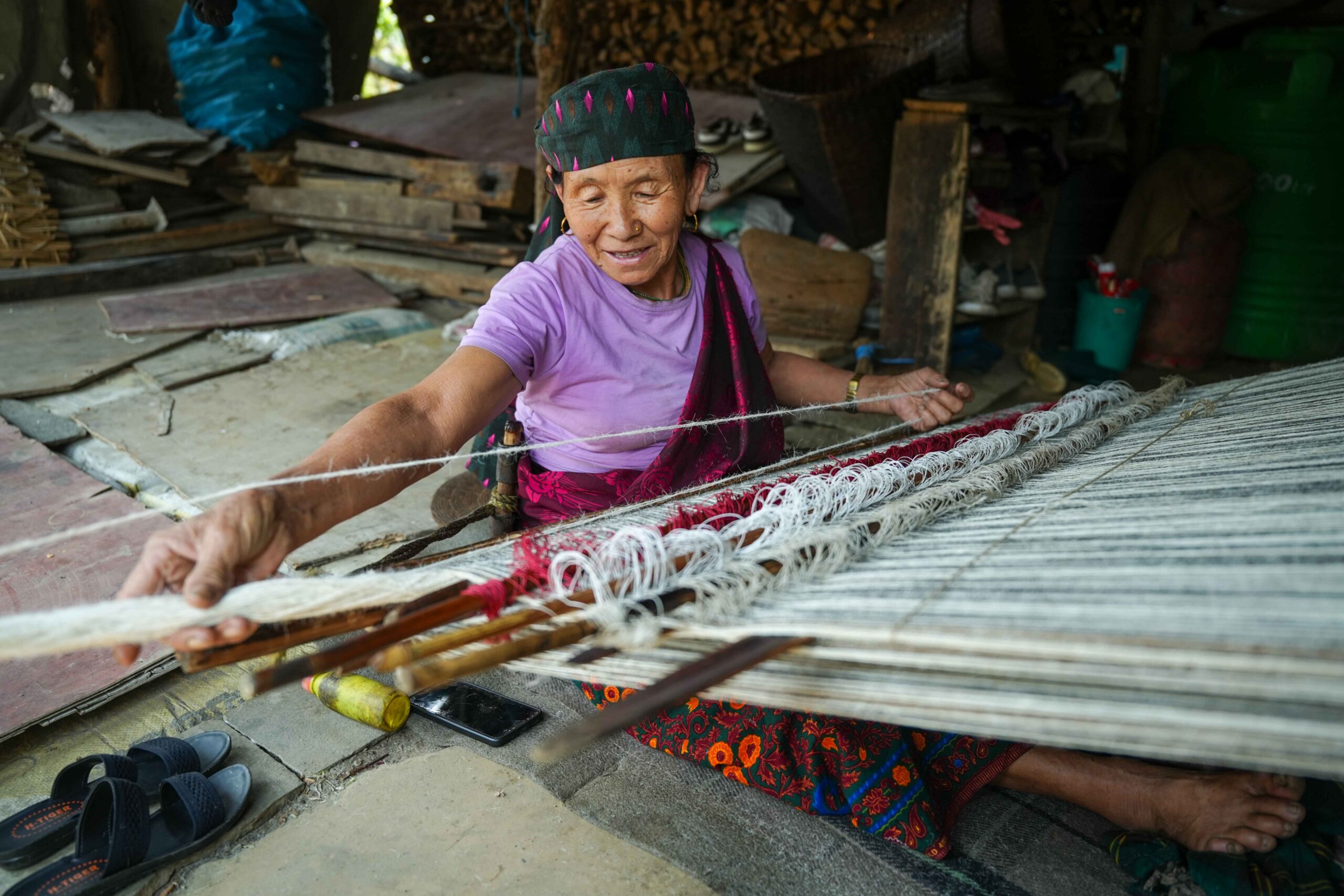
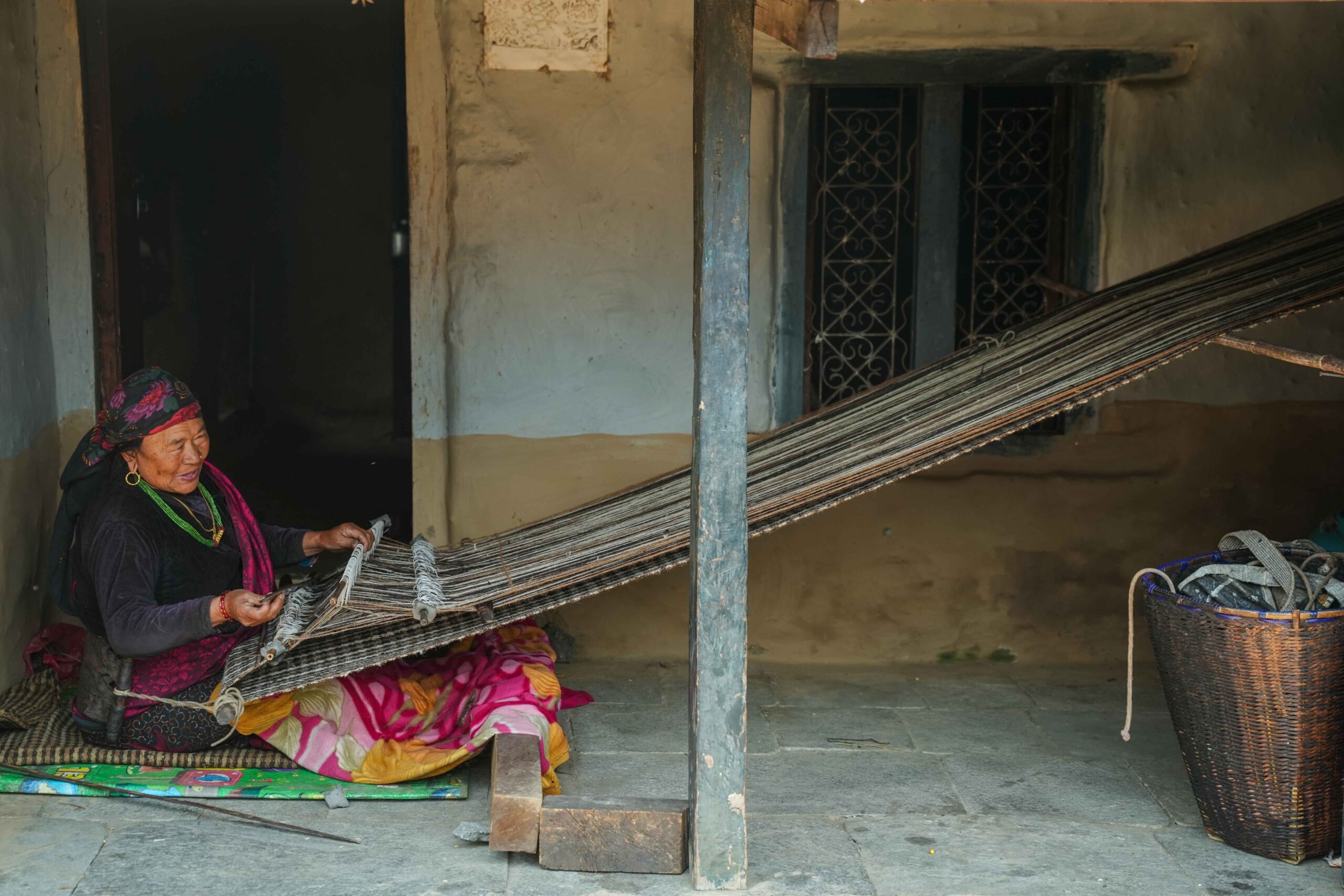
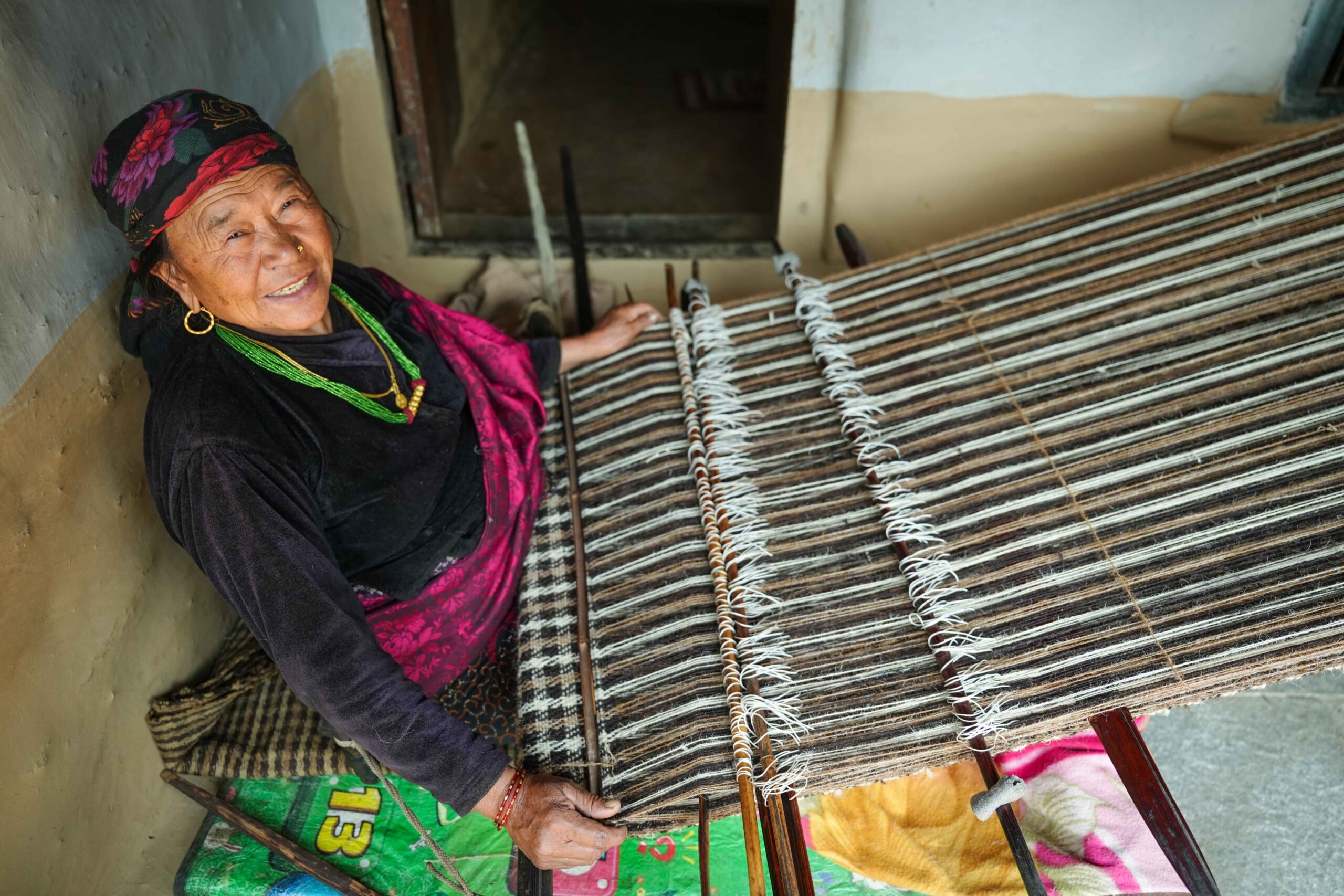
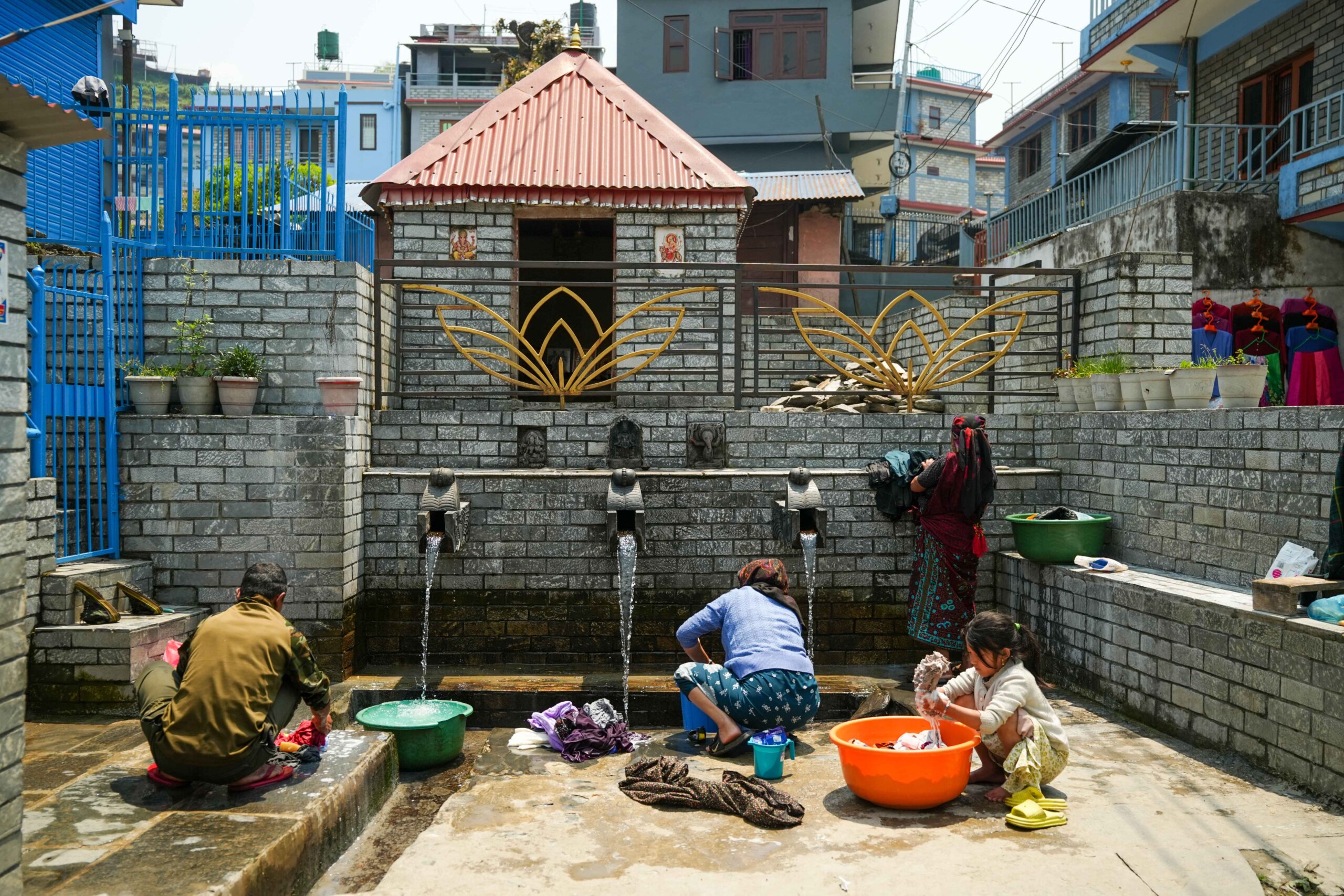
Another key feature of Barpak is its Ghale and Gurung cultural heritage. Traditional attire, local cuisine, and indigenous lifestyles attract visitors.
Cultural events and festivals keep the village vibrant throughout the year. Dances such as Ghatu, Sorathi, and Maruni are important cultural identities of the community.
The warm and respectful hospitality of locals makes visitors feel at home. Barpak is also highly scenic from a natural perspective.
From the village, one can enjoy breathtaking views of mountain ranges including Manaslu, Ganesh Himal, and Buddha Himal.
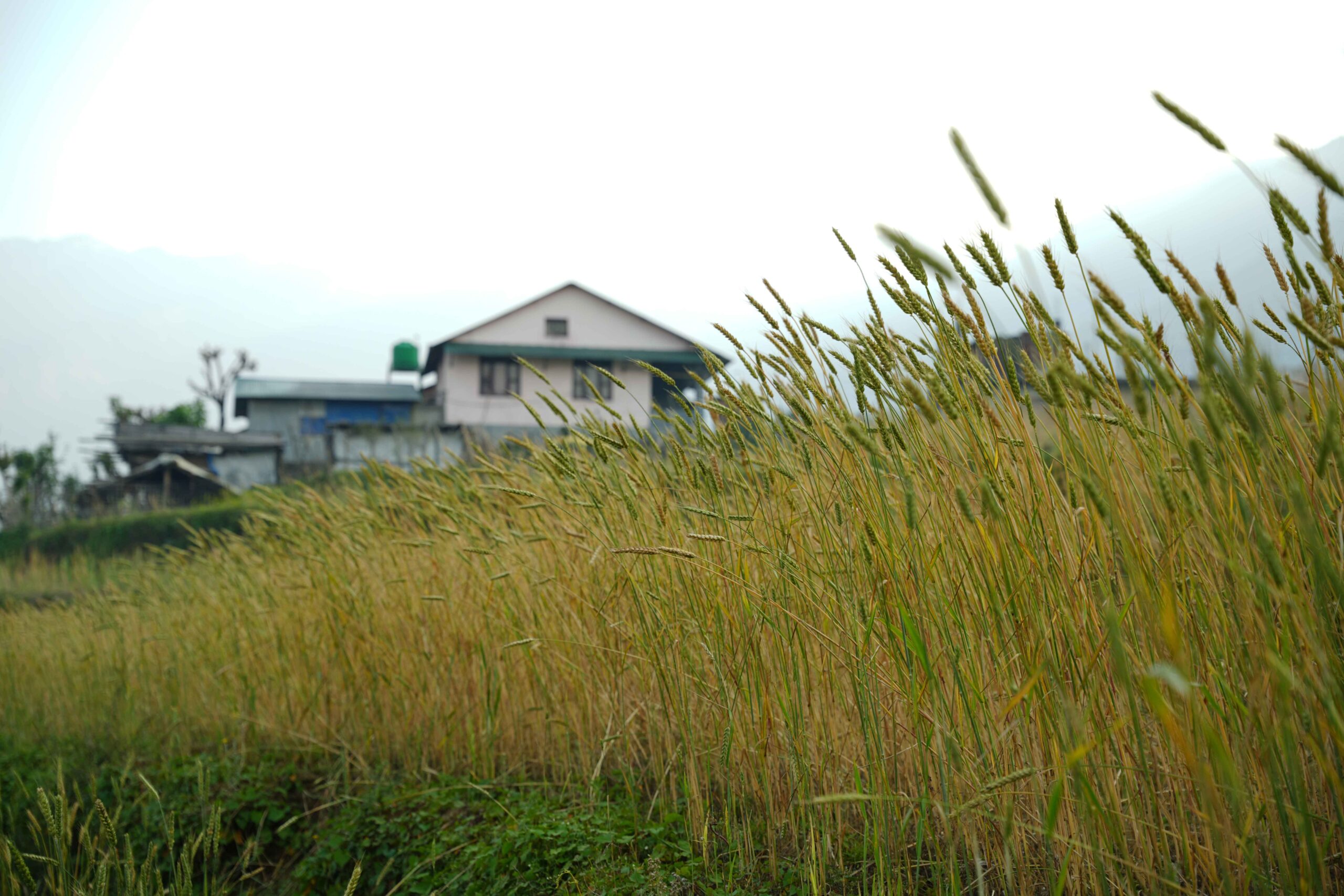
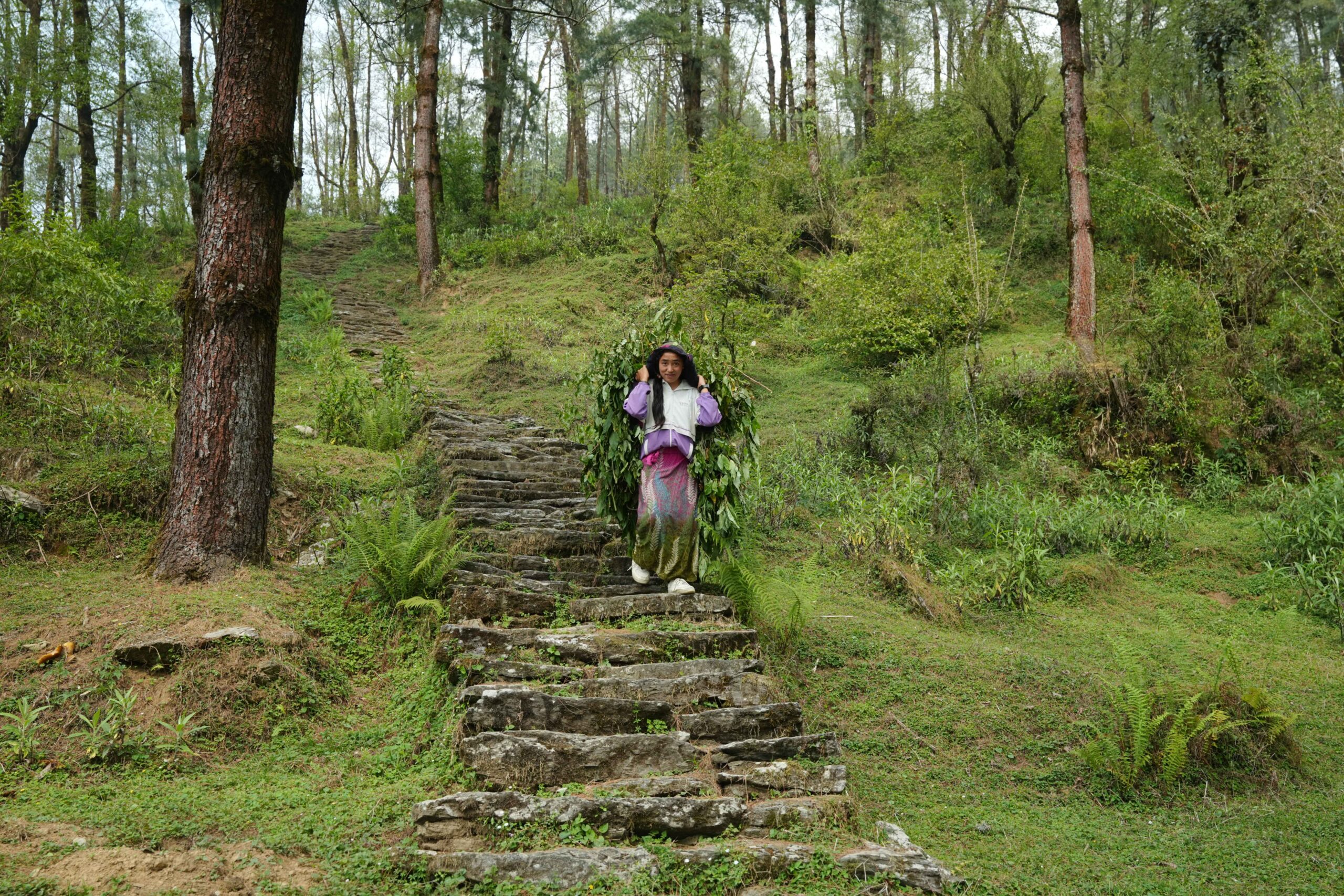
The golden sunrise over the snow-capped peaks leaves visitors mesmerized. Green hills, fresh air, and a peaceful environment make Barpak an ideal destination for those seeking relief from urban chaos.
In terms of trekking and rural tourism, Barpak holds strong potential. Routes from Barpak to Laprak and Gupsi Pakha, extending toward the Manaslu region, are becoming increasingly popular among trekkers.
With the expansion of homestay services, local residents have started benefiting economically from tourism.
The promotion of local products, handicrafts, and organic food has also positively impacted the village economy.
However, Barpak still faces some challenges. Although road access has improved, travel during the monsoon season remains difficult.
Basic services such as health, education, and communication still require further improvement. Despite high tourism potential, lack of sufficient promotion and long-term planning has limited expected benefits.
Blending natural beauty, historical memory, a resilient community, and living culture, Barpak today stands as a symbol of reconstruction and opportunity.
Rising from tragedy and rebuilding its identity, the village offers one of the best examples of rural tourism in Nepal.
Anyone visiting Barpak is likely to remember its peaceful environment, rich cultural essence, and Himalayan beauty for a long time.
Photos: Nepal Photo Library