Kathmandu
Tuesday, July 21, 2026





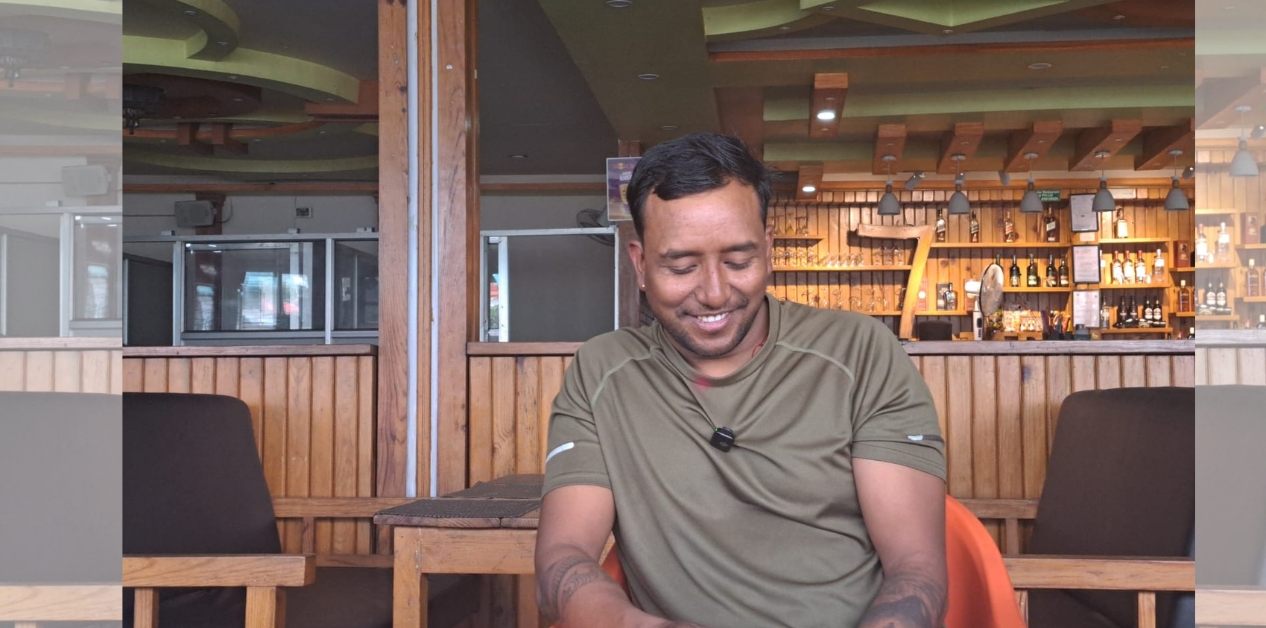
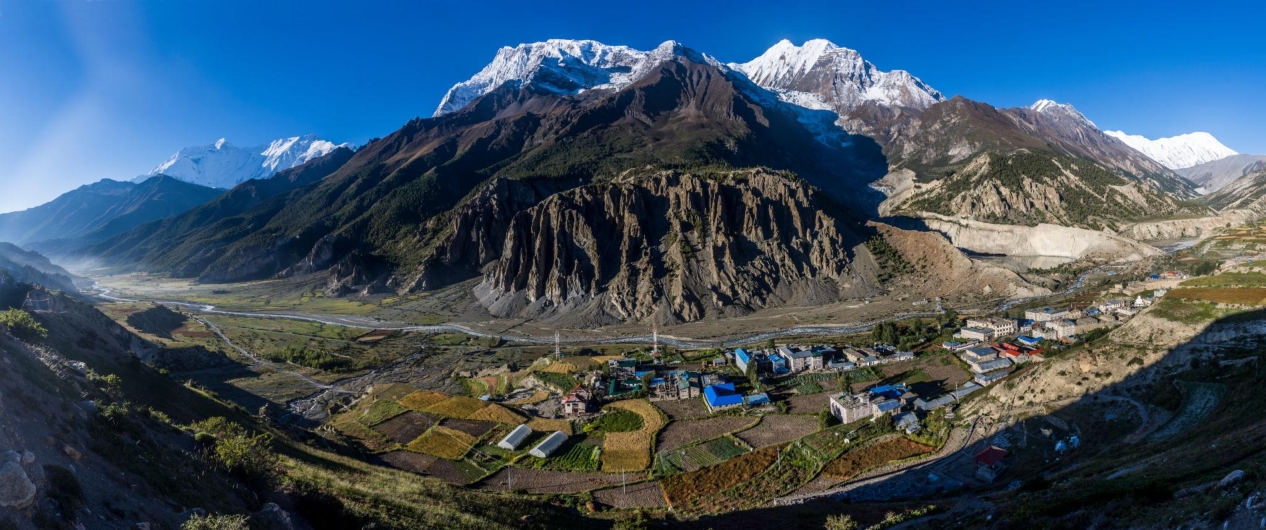
POKHARA: May 21, 2026. It was 12:16 midnight. A cold breeze, pitch darkness. Every single breath taken could be distinctly counted. As far as the eyes could reach, there were only snow-white mountains. As beautiful as the view was, it was equally terrifying. Both excitement and fear were bound to increase the heartbeat.
Experiencing such an exciting climbing adventure, Amrit Pariyar stepped onto the summit of Mt. Everest. Reaching the summit was not his only goal; his main objective was to give a message to the world against violence and rape.
Standing at an altitude of 8,848.86 meters, he recorded a video message: “And the world, I want to say – stop rape, stop violence. Keep daughters safe.” This was the last of the four messages he delivered during his journey to climb Mt. Everest.

Amrit, a resident of Tallakot, Pokhara-19, who has been living in America, had started his climbing journey in April by giving his first message from Tribhuvan International Airport.
In the first message, which was also posted on social media, he addressed the Government of Nepal, writing: “Silence, delay, and negligence in cases of sexual violence are no longer acceptable. Justice delayed is justice denied. And the whole world is watching this.”
Reaching the Mt. Everest Base Camp at 5,364 meters, he gave his second message: “Ignoring or hiding incidents of sexual violence delays justice or can kill justice itself. Silence does not guarantee safety. It further encourages violence.”
Amrit gave his third message from Lobuche Peak at 6,119 meters, stating that a system that fails to take action against the crime of sexual violence is incompetent.
Motivation to reach the height
Amrit used to be deeply disturbed by news reports regarding rape incidents. Meanwhile, his twin daughters were born. This made him even more responsible and sensitive. Therefore, he began to think more about an effective way to raise his voice against sexual violence. He transformed his desire to climb mountains into that very effective method.
“Listening to incidents of rape caused severe restlessness. After the babies were born, such news started causing even more restlessness,” Amrit says. “I used to think about how and from where a voice could be raised regarding this. Since I already had a desire to climb mountains, I saw the height of Everest as the most suitable option.”

Photo: Rina Thapa
The calculation that a message delivered by proving oneself through certain challenges could be more effective provided him the inspiration to climb. After two failed attempts, he finally overcame the challenge he had set for himself.
Successful only on the third attempt
Before climbing Mt. Everest, he practiced climbing two other mountains. For preparation, climbing mountains higher than eight thousand meters is considered good. Therefore, in the year 2022, he attempted to climb the 8,163-meter-high Mt. Manaslu. However, due to bad weather, he was forced to return from Camp Four.
In the year 2024, he decided to climb Amadablam, which is only 6,812 meters high but is considered relatively difficult. At that time, his health did not support him.
Amrit says, “Amadablam is a technical mountain. Thinking that climbing it would develop more climbing skills, I planned the climb. But after falling sick in Namche itself, I did not have the courage to go higher.”
Even though the attempts to climb two smaller mountains failed, he did not stop dreaming of Everest. He kept doing physical training even while in America. Ultimately, at his own expense, he scheduled his Everest journey in April 2026.
To make the journey meaningful, he planned messages against sexual violence. He finalized the messages after consulting with his close ones. Then, after taking leave from his family in America, he came to Nepal.

The third climbing attempt was not easy for Amrit either. After reaching Camp Four, he started experiencing difficulties. Therefore, he descended to Camp Two and rested for three days. By that time, all the companions who had gone with him had already completed the climb. Because of that, he was under mental pressure. On the other hand, there was also the worry that his dream of giving a message from the summit might not be fulfilled. Amrit mentions that family members provided a lot of encouragement at that time.
He says, “When I said I had descended, even mother felt bad. It was her wish to see her son succeed. My wife was also constantly encouraging me.”
When he climbed up for the second time, it became somewhat easier for him. On the strength of his own courage and his family’s encouragement, he determinedly climbed to the summit. Amrit believes that the power of his desire to bring the message to the summit at all costs was also mixed into this success.
“With the desire that the whole world should hear it, I felt like giving the message from the highest summit. Because this is not a problem of Nepal alone,” Amrit says, recalling the moment of reaching the summit. “At that time, speaking was difficult, but I spoke. I felt proud with the realization that I am delivering a message from the summit.”