Kathmandu
Wednesday, July 22, 2026





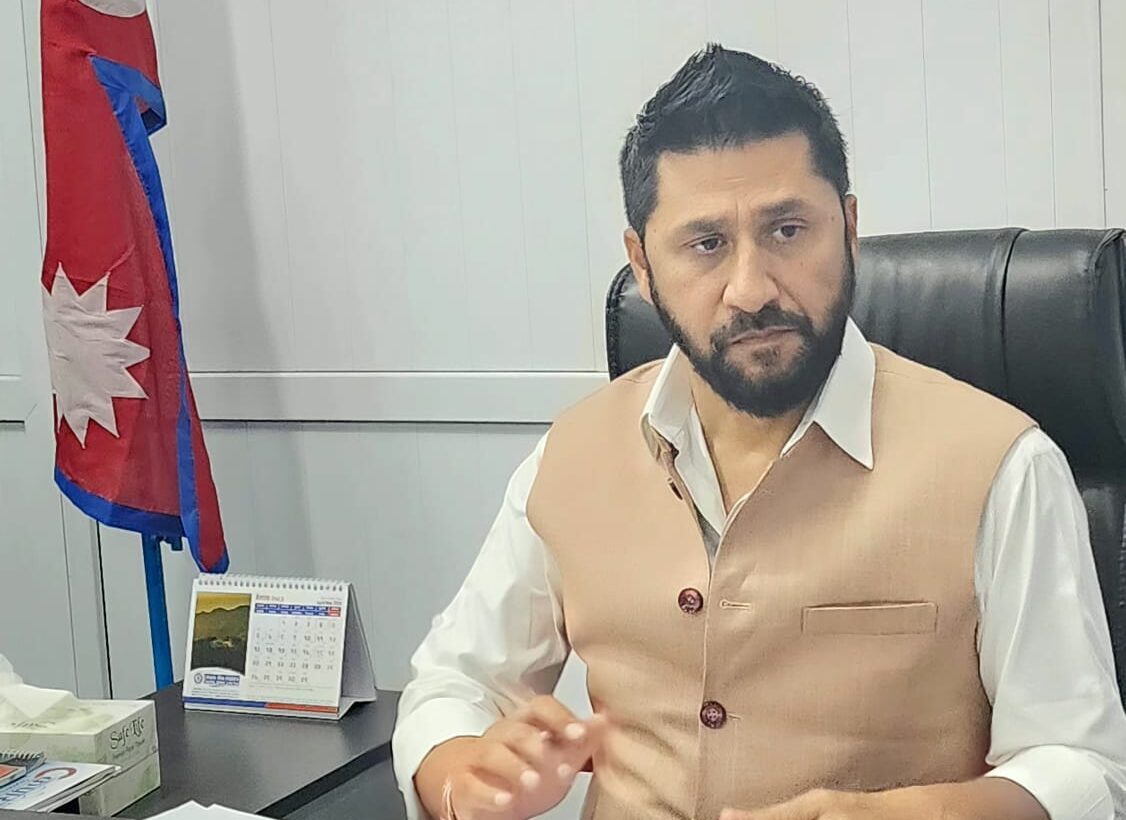
KATHMANDU: Rabi Lamichhane has stated that Nepal and India must shift the vocabulary of their relationship away from geopolitical friction and place it firmly on “development diplomacy,” focusing on economic transformation, cross-border infrastructure, and integrated energy markets.
He further asserted that long-standing bilateral disputes must be resolved through pragmatic dialogue based on historical facts and evidence rather than the “ultra-nationalist rhetoric” used by traditional politicians.
The former Deputy Prime Minister and Rastriya Swatantra Party (RSP) chief expressed these views in an opinion piece published today in the Hindustan Times.
Lamichhane, who is currently visiting India at the invitation of the ruling Bharatiya Janata Party (BJP), emphasized that Nepal’s newer political leadership carries no baggage or old animosities from the past, noting that a stable, prosperous Nepal is a strategic necessity and a natural guardrail for India’s northern border.
To build this new foundation of mutual trust, Lamichhane proposed several concrete areas of collaboration, highlighting the need to accelerate the proposed 150-kilometer Raxaul-Kathmandu railway line to revolutionize trade and regional connectivity.
He also envisioned a Kathmandu–Bengaluru digital corridor, direct flights from Pokhara and Lumbini to major Indian hubs like Delhi and Mumbai, and hosting premier Indian institutions like IIT and AIIMS in Nepal.
Furthermore, he emphasized transforming bilateral ties by moving from fragmented trade to a robustly integrated energy market powered by Nepal’s clean hydropower, alongside modernizing Integrated Check Posts to eliminate bureaucratic bottlenecks for everyday goods.
Lamichhane’s call for constructive, evidence-based dialogue follows a major political controversy sparked by Prime Minister Balendra (Balen) Shah.
Speaking in parliament, PM Shah drew intense domestic backlash after claiming that border encroachment was mutual, stating that Nepal had also encroached upon Indian land.
The remarks triggered fierce criticism from opposition lawmakers, border experts, and student groups, forcing the Foreign Ministry to issue a hasty clarification.
The ministry stated that the Prime Minister was referring only to local, civilian settlement shifts in the “no-man’s land” sectors, rather than altering Nepal’s official sovereign territorial claims over the Kalapani, Lipulekh, and Limpiyadhura regions.
Against this tense diplomatic backdrop, Lamichhane’s article signals an effort to rebuild bilateral warmth through corporate-style execution and mutual economic interests.