Kathmandu
Wednesday, July 22, 2026





There is no justification for celebrating Untouchability Eradication Day in a society that forces people to consider even their own birth mothers as 'untouchable'.
KATHMANDU: Today marks the historic day when Nepal was declared a nation free from caste-based discrimination and untouchability. On June 4, 2006, the then parliament declared Nepal a caste-based untouchability-free nation. Commemorating this very declaration, June 4 began to be celebrated as a special day every year.
In commemoration of this day, thousands of Dalits are celebrating it as a festive day. However, let everyone ask themselves this question once: is there any justification for this day? Has this declaration truly brought about transformation? Has the state taken concrete steps towards building an untouchability-free nation? If Dalits do not receive meaningful answers to these questions, there is no justification for celebrating this day.
objective of celebrating this day was to uproot the thousand-year-old practice of untouchability, caste-based discrimination, and social evils, thereby guaranteeing humanity and providing dignity to all citizens. However, the state has done no concrete work to achieve this objective. It has merely become a showpiece document, and there is zero justification for Dalits to be overjoyed and celebrate festivities under the illusion that they have gained something grand.
Such a day is neither the first nor the last for Dalits. The Civil Code (Muluki Ain) enacted in 1854 legally institutionalized untouchability. Following that, King Mahendra, through the new Civil Code, legally declared the end of untouchability on August 17, 1963. Remembering that day, Dalits used to celebrate Untouchability Abolition Day on August 17 And currently, they are celebrating June 4 as Untouchability Abolition Day. Aside from this, they have also been celebrating March 21 as the International Day for the Elimination of Racial Discrimination for years. While celebrating these festivities, what substantial difference did it bring to the lives of Dalits? Has there really been an improvement in the discrimination, humiliation, and inequality faced by Dalits? To what level has caste-based untouchability decreased? It is imperative for everyone to seriously seek answers to these questions. Non-Dalit so-called scholars argue that caste discrimination has decreased significantly and will gradually fade away with time. They argue that Dalits are bringing up the issue of casteism merely to cause conflict, discord, and disrupt peace, claiming that they are driven by foreign funding (“Dollar-earners”). But reality is different. In the lived experience of Dalits, caste-based discrimination and rejection have become even harsher. From villages to cities, untouchability has taken deep root, spread out, and become even more severe, which is clearly evidenced by various incidents.
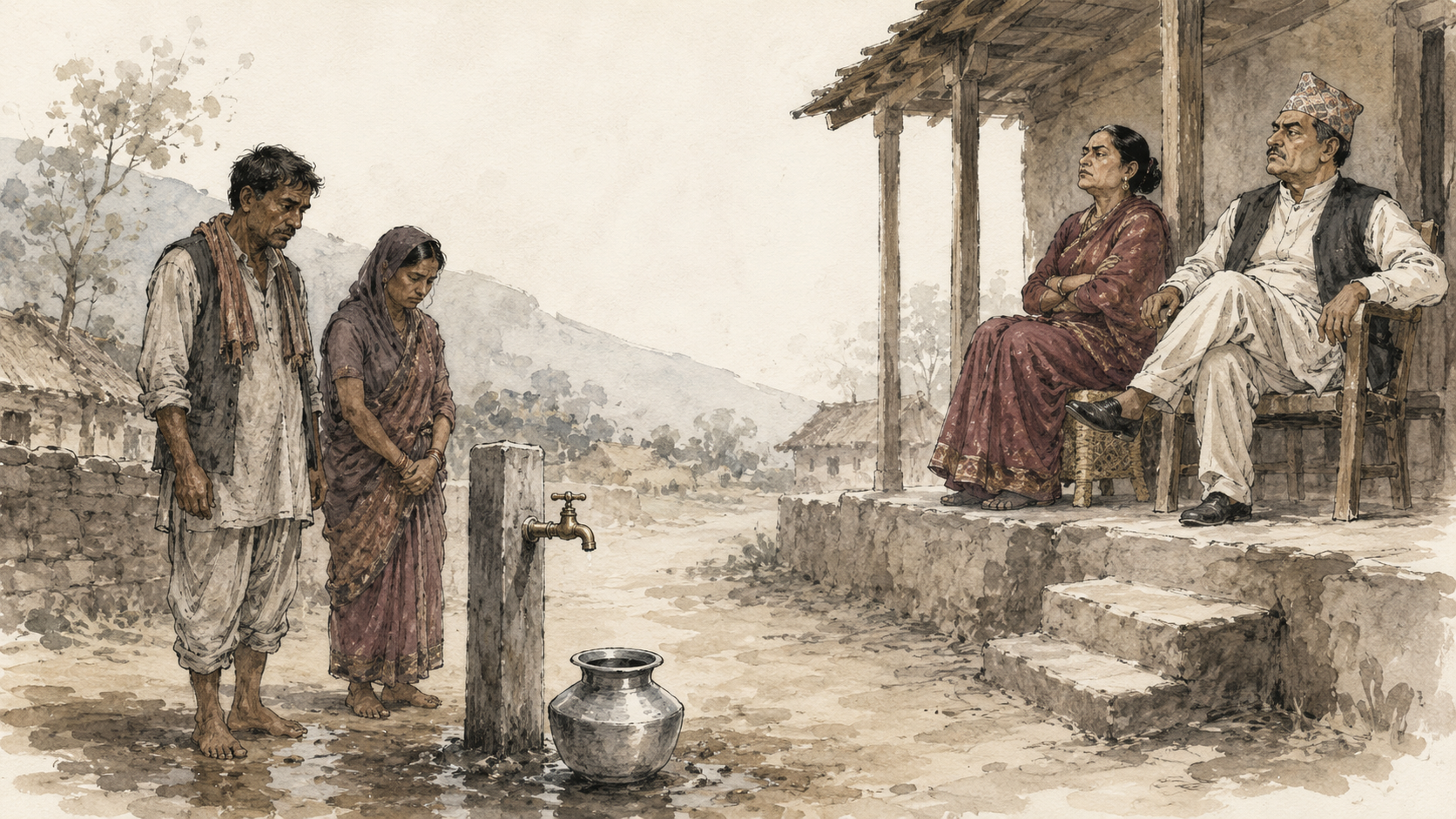
Until a few decades ago, the extreme form of caste untouchability could be seen at water taps, communal wells, temples, and other public places, whereas currently, the harrowing state of caste discrimination can be seen in inter-caste marriages. No matter which caste or elite status a family belongs to in Nepali society, inter-caste marriage is still not accepted, and marriage with a Dalit is something that no non-Dalit can even think of. Although incidents of caste discrimination may not occur directly in public spaces, conflict, violence, and murder are found in excessive amounts in inter-caste marriages. Whether in the Terai or the Madhesh, incidents of violence in inter-caste marriages are extremely common among almost all Brahmin-Chhetri and Indigenous communities. In Madhesh, castes like Sah and Mandal, fearing the loss of their sons, are found to accept Dalit daughters-in-law if they can fulfill certain religious and social processes and conditions. If their son elopes and marries a Dalit girl, they initially refuse to accept her and try their best to split them up; if by any chance they cannot split them up, a meeting of the caste brotherhood is called in the village according to the direction of their caste chief, who is called the Mainjan. Following the elopement, a decision is announced to impose a cash fine and a community feast. If the boy’s family can fulfill that decision, a feast is organized, all relatives are fed, and at this time, a Satyanarayan Puja is performed to “purify” the Dalit daughter-in-law. Once the priest and the Mainjan accept the offering from her hands, she is integrated into their caste and welcomed into the house.
In this manner, the Dalit daughter-in-law is accepted only if they can pay cash and provide a feast according to the conditions, but if that ritual is not completed, she is not accepted.
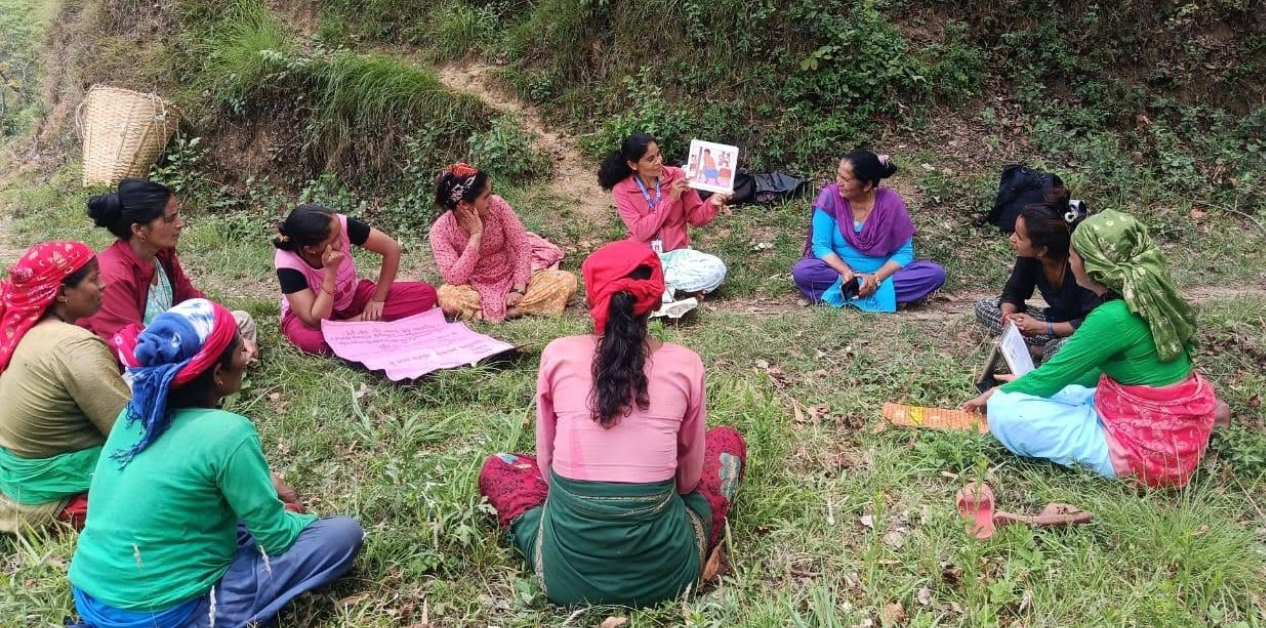
However, the harrowing aspect is that even after integrating the Dalit daughter-in-law into their caste, the maternal side must still be treated exactly like Dalits. The son-in-law, the son-in-law’s family, and even the daughter herself must treat her own parents, maternal family, and all other Dalits in the same manner that a Dalit treats a non-Dalit. To the extent that a daughter is not allowed to eat food touched by her own biological mother. They are not allowed to eat food touched by them, and while visiting and talking is banned in some places, it is not banned in others. Some daughters-in-law are subjected to rules where they face fines of up to 500,000 rupees if they visit or speak to their maternal family. Whether it is with the maternal family or neighbors, the daughter-in-law is strictly prohibited from sharing food and drinks with Dalits, and what else she is permitted or not permitted to do depends entirely on the decision of the meeting called by the Mainjan. In a society that forces a daughter to treat even her own biological mother as an untouchable, does it make any sense for Dalits to celebrate Untouchability Abolition Day?
On one hand, the government stages a drama of apologizing for the discrimination and atrocities committed against Dalits from historic times to the present. Just a few days later, Shreekrishna B.K., who had entered into an inter-caste marriage, is murdered right inside police custody at the Khurkot Police Post in Sindhuli district. Just a few days after the apology, an 11-year-old Dalit boy in Rolpa is beaten to near death on April 24, 2026 simply for entering the house of Top Bahadur Khatri. Inisha B.K. of Surkhet is gang-raped and murdered. In a metropolitan city like Kathmandu, because Dalits are denied room rentals, Dalits like Deepa Nepali are forced to sit in a hunger strike against the government, asking, “Is there a room vacant?” The corpse of Ajit Mijar is still seeking justice to this day. Even under such circumstances, while burning in the flames of discrimination and humiliation, there is no point in being overjoyed about the so-called Untouchability Abolition Day, nor is there any relevance to it.
This social evil, which does not exist even in a wild, primitive society, is spreading further inside today’s supposedly civilized society, which is certainly a matter of challenge for human civilization itself. It is killing Dalits alive day by day.
Dalits themselves are merely celebrating the festival of their own death under the name of Untouchability Abolition Day, living under the illusion that they have received liberation.
Thousands of years ago, humans lived a nomadic and wandering life like animals in the jungle. Moving through the era of civilization into modern society, why are the educated, conscious, and elite still embracing a social evil like untouchability that did not exist even in primitive jungle societies? Until this question is answered, until the situation where lives are lost simply due to being touched is ended, until Dalits can feel that they are respected human beings, and until caste-based discrimination becomes history—until then, there is no meaning for Dalits to celebrate this day.