Kathmandu
Sunday, June 28, 2026





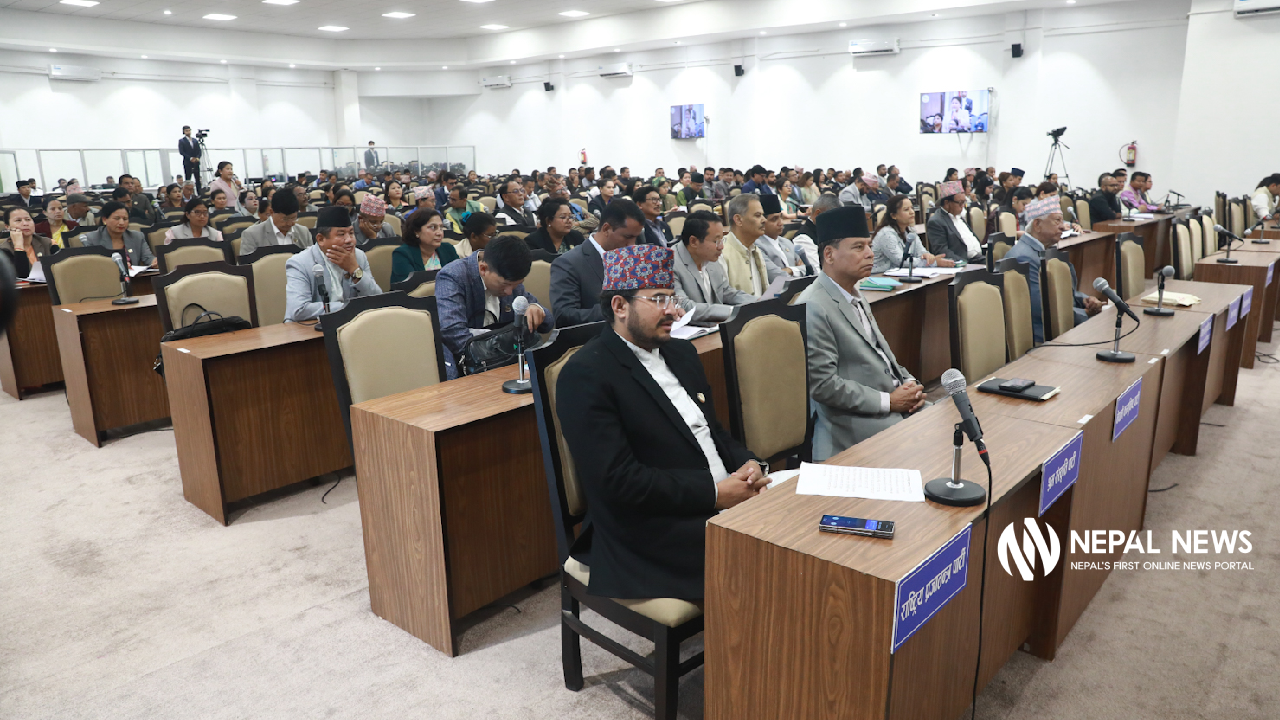
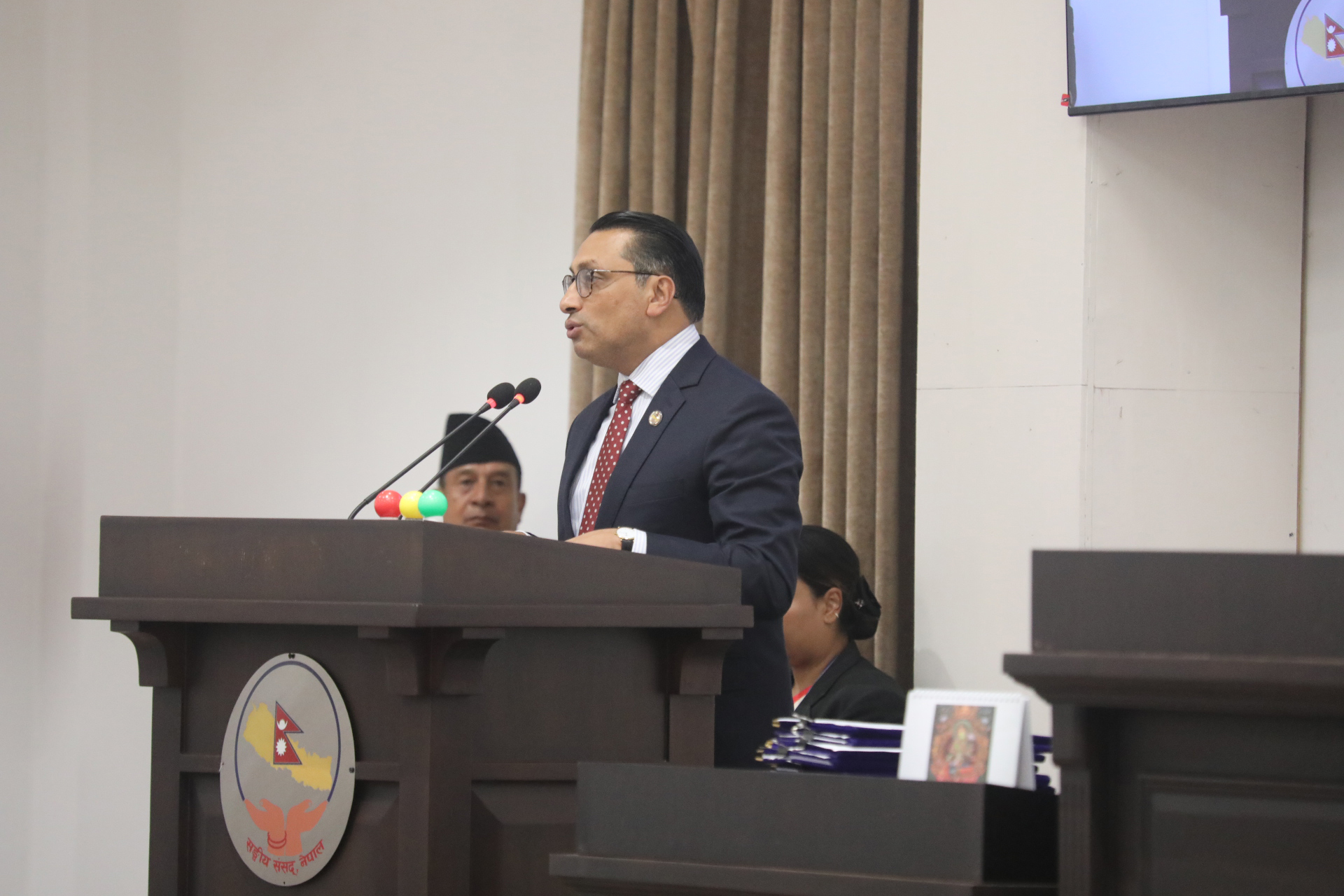
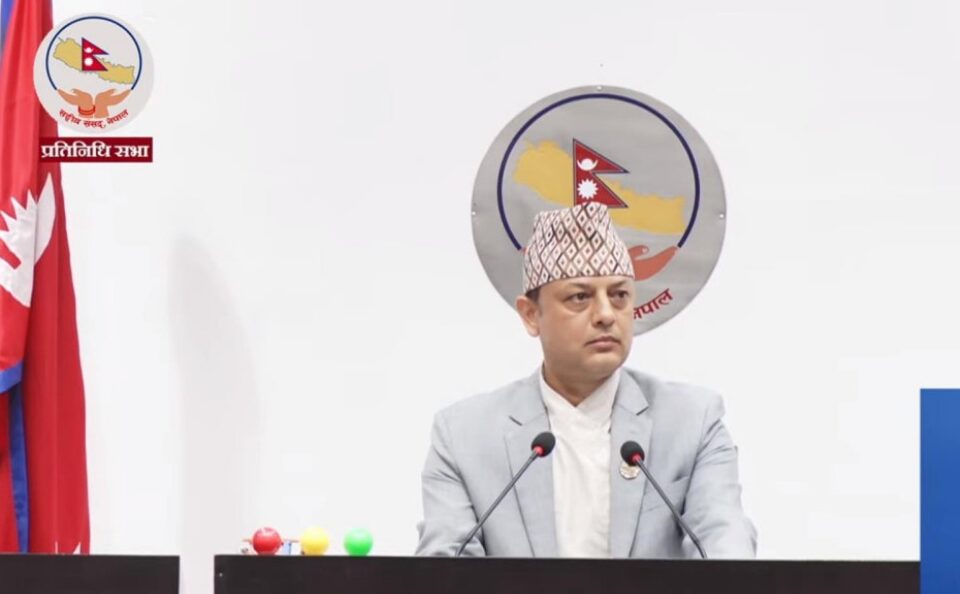
KATHMANDU: On behalf of Prime Minister Balendra Shah, Minister for Law, Justice, and Parliamentary Affairs Sobita Gautam formally tabled the 63rd Annual Report of the Auditor General during a House of Representatives session at the Parliament Building in Singha Durbar.
The comprehensive financial oversight document, prepared under the direction of Auditor General Toyam Raya, outlines the state of public finances, expenditure transparency, and structural fiscal challenges across thousands of government bodies for the 2024/25 fiscal year.
The latest report covers an intensive examination of 5,526 public entities spanning federal ministries, provincial bodies, and local governments, with total audited transactions reaching approximately Rs 9.484 trillion.
However, the report highlights a highly unusual and significant oversight gap: due to political protests in September 2025, 179 offices failed to submit their financial records on time.
Consequently, public transactions worth nearly Rs 147.89 billion completely escaped state scrutiny during this cycle, presenting a substantial roadblock to complete fiscal accountability.
In terms of financial compliance, the audit identified fresh irregularities amounting to Rs 88.09 billion, a large portion of which requires outright monetary recovery or urgent procedural regularization.
The federal level accounted for the majority of these discrepancies, with the Finance Ministry flagged as the leading contributor.
This year’s findings have pushed Nepal’s total cumulative outstanding financial irregularities to a staggering Rs 755.17 billion.
Alongside these irregularities, the nation’s public debt has continued its upward trajectory, climbing to approximately Rs 2.674 trillion—now constituting 43.79 percent of the gross domestic product (GDP)—with external currency fluctuations alone introducing substantial unproffered liabilities.
Beyond accounting errors, the report paints a bleak picture of the nation’s macro-economic health, detailing how the government fell short of almost all objectives mandated by the 16th Periodic Plan.
While authorities targeted a robust 7.5 percent economic growth rate, actual growth lagged at just 4.61 percent, hindered by a severe capital underspending pattern that is heavily skewed toward the final quarter of the year.
Furthermore, infrastructure development remains severely gridlocked; out of 27 designated National Pride Projects, only three have reached completion, while hundreds of other public works contracts remain incomplete despite receiving partial state payments, signaling a critical need for structural, systemic, and procurement reforms.