Kathmandu
Sunday, June 28, 2026





Egypt ends a 92-year wait for its first tournament victory and debutants Cape Verde become the least populous nation to reach the knockout phase, while Lionel Messi takes the top spot on the goal-scoring charts by finding the net in 7 consecutive matches
KATHMANDU: The knockout stage equation for the FIFA World Cup 2026 has been finalized. By Saturday, 28 out of 48 teams had already secured their positions in the Round of 32. The final six group-stage matches, played from Saturday night through Sunday morning, became decisive in determining the remaining four slots among eight competing nations.
In those crucial encounters, Costa Rica defeated Ghana 2–1, while Congo secured a 3–1 victory over Uzbekistan. In the final match of Group J, Algeria and Austria played out a thrilling 3–3 draw.
With these results, Croatia, Congo, Algeria, and Austria claimed the final four slots to advance to the knockout stage. Conversely, the World Cup journeys for Scotland, South Korea, Uruguay, and Iran came to an end in the group phase.
The most heartbreaking exit belonged to Iran. Despite remaining undefeated in Group G, Iran failed to qualify for the knockout stage due to an unfavorable mathematical combination of required points and goal differences. The Round of 32 matches are scheduled to run from the night of June 28 until July 4.
The knockout phase will kick off with a clash between South Africa and Canada. The match, to be held at a stadium in Los Angeles, will begin at 12:45 AM Nepali Time. Following that, on Monday at 10:45 PM, the Asian side Japan will face five-time World Cup winners Brazil in Houston.
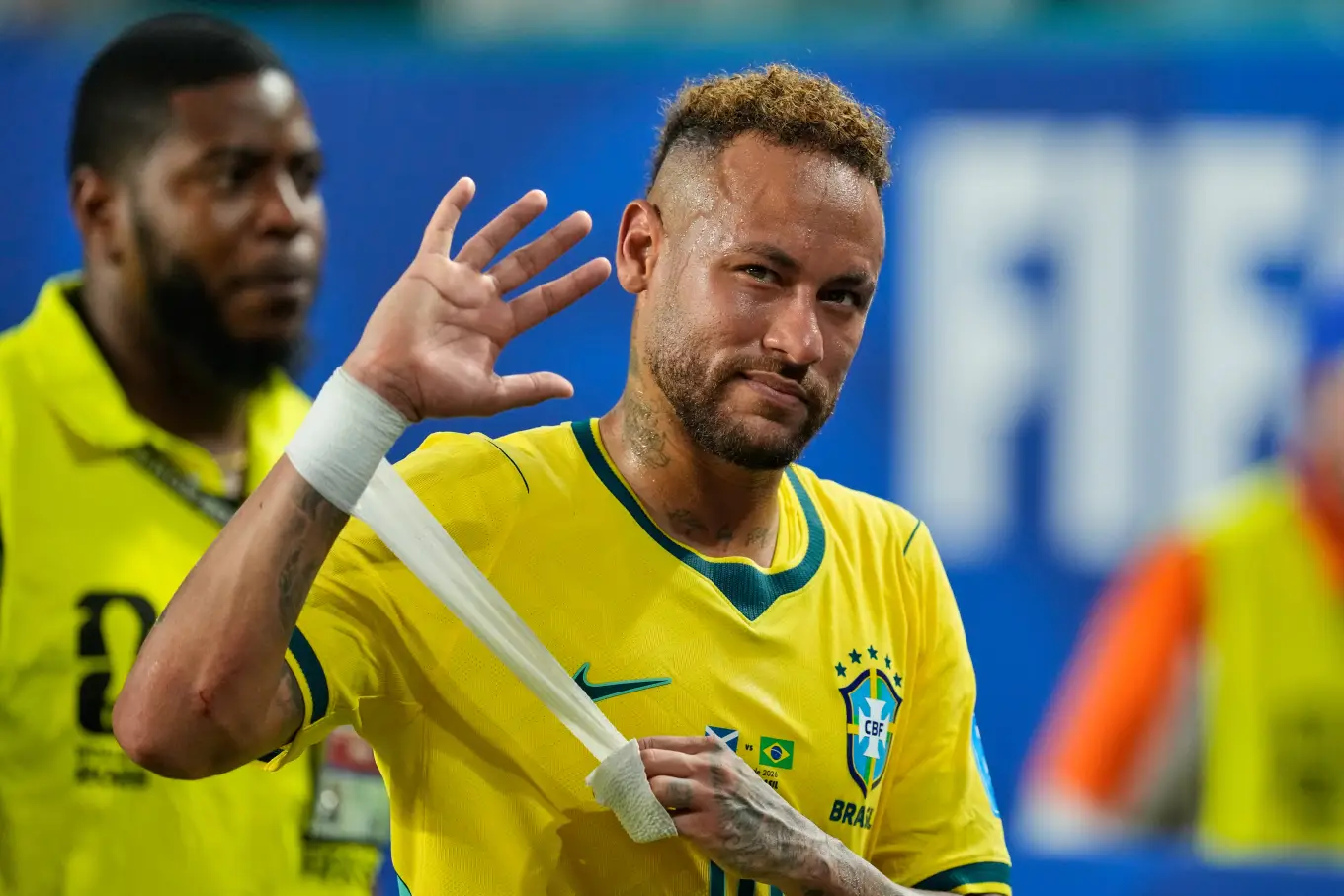
Brazilian forward Neymar. Photo: AP
The knockout stage starting from the Round of 32 will see a sudden-death format where losing teams will be eliminated from the World Cup.
The three teams with perfect records
The 48 participating teams were divided into 12 groups this time, with each team playing three matches in the group stage. Among them, 15 teams managed to remain undefeated throughout the opening round.
Among the undefeated sides, co-hosts Mexico put on a stellar performance, winning all three of their Group A matches to secure a maximum nine points. Qatar World Cup finalists France and Argentina also entered the knockout stage as group winners without dropping a single point.
Similarly, Switzerland, Brazil, Morocco, the Netherlands, Japan, Belgium, Egypt, Spain, Cape Verde, Colombia, Portugal, and England also remained unbeaten in the group stage, though they dropped points due to draws.
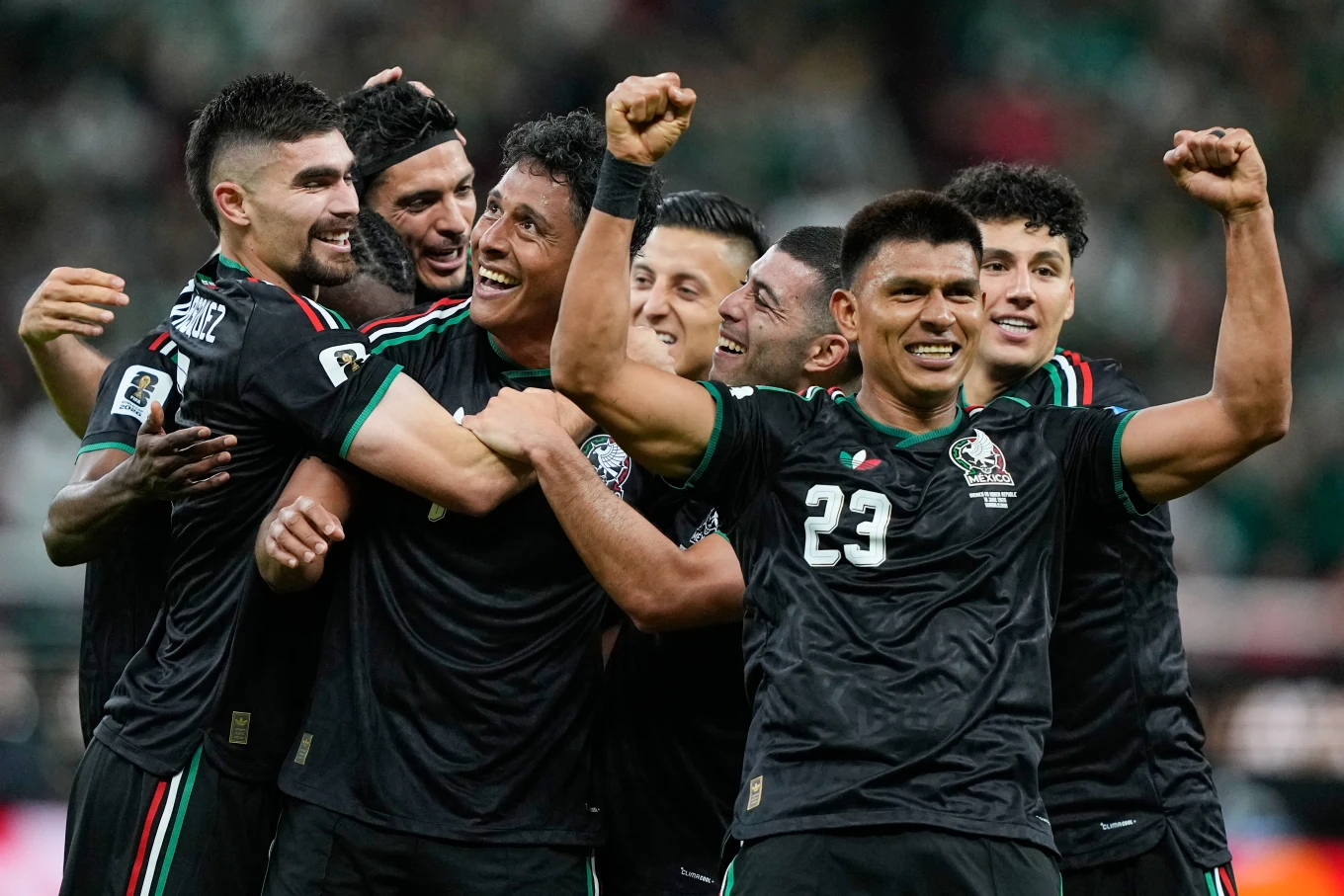
Mexico, which remained undefeated in the group stage. Photo: AP
Group H, topped by Spain, turned out to be one of the rarest groups in World Cup history. While Spain finished as the group winners with 7 points, no other team in this group managed to win more than a single match.
This rare phenomenon had occurred only three times before in World Cup history: Group A in the 1982 World Cup, Group F in 1990, and Group B in 1998. In all those instances, the remaining teams had similarly failed to secure more than one victory.
In this edition, Germany made an impactful start by registering the biggest margin of victory in the tournament so far. The team, coached by Julian Nagelsmann, defeated Curaçao 7–1 in their opening match.
Lopsided wins are not entirely new to the group stages. In the ongoing tournament, Canada defeated Qatar 6–0, while Portugal beat Uzbekistan and Senegal defeated Iraq by identical 5–0 margins.
Germany itself is renowned for such massive victories. Its 7–1 demolition of hosts Brazil in the 2014 World Cup is still widely talked about in world football.
Such massive margins of victory are quite rare in the World Cup. In 2010, Portugal defeated North Korea 7–0, and in 2022, Spain defeated Costa Rica by the same 7–0 scoreline. Similarly, in 2002, Germany recorded a historic 8–0 victory over Saudi Arabia.
Egypt’s 92-year wait for a World Cup victory ends
Egypt ended a 92-year long wait by securing its very first victory in a World Cup. Having first played in the World Cup back in 1934, Egypt achieved this historic win in its fourth tournament appearance and ninth cumulative match.
Known as ‘The Pharaohs’, Egypt mounted a spectacular comeback from behind against New Zealand to snatch the win. Goals from Ziko, Mohamed Salah, and Trézéguet sealed the match in their favor.
With this win, Egypt has surpassed Norway on the list of teams that waited the longest for a debut World Cup victory. Norway first played in the World Cup in 1938 but had to wait 56 years for its first win.
South Korea is also among the teams that endured a lengthy wait, taking 48 years to secure its first World Cup victory, while Peru, Belgium, the Netherlands, and Canada registered their first wins after 40 years.
Cape Verde writes history
Making its World Cup debut, the small island nation of Cape Verde wrote history in this edition. Following a goalless draw against Saudi Arabia in their final group match, this nation of roughly 500,000 residents became the least populous country ever to reach the knockout stage of a World Cup.
Located off the coast of West Africa, Cape Verde gathered three points by drawing all three of its group stage matches. They kicked off their tournament by holding 2010 world champions Spain to a scoreless draw before proving their mettle with an exciting 2–2 draw against two-time world champions Uruguay.
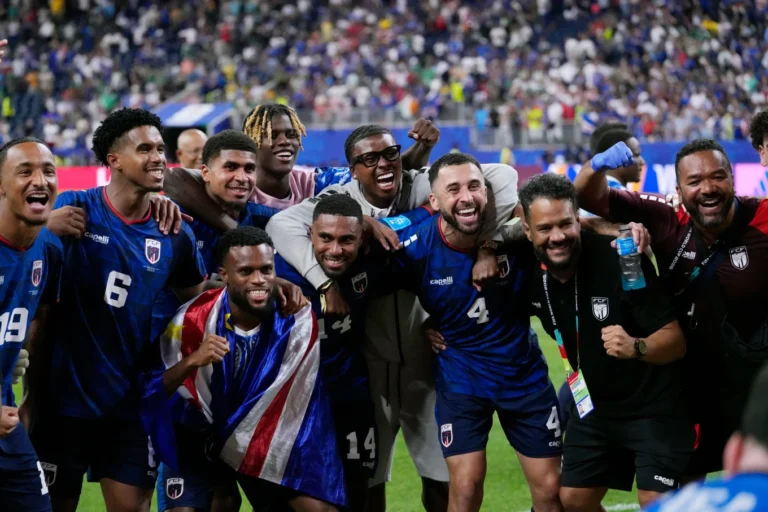
The Cape Verde team, which reached the Round of 32. Photo: AP
After Spain defeated Uruguay 1–0 in the final match of Group H, Cape Verde successfully advanced to the Round of 32 as group runners-up with three points. They are now set to face reigning world champions Argentina in Miami on July 3.
Advancing to the knockout stage of a prestigious tournament like the World Cup by drawing all three group matches is an extremely rare achievement. Previously, only Wales (1958), Ireland and the Netherlands (1990), and Chile (1998) had pulled off a similar feat. In 2010, New Zealand also remained undefeated with three draws but was eliminated in the group stage based on goal difference. Iran suffered that exact same fate in this edition.
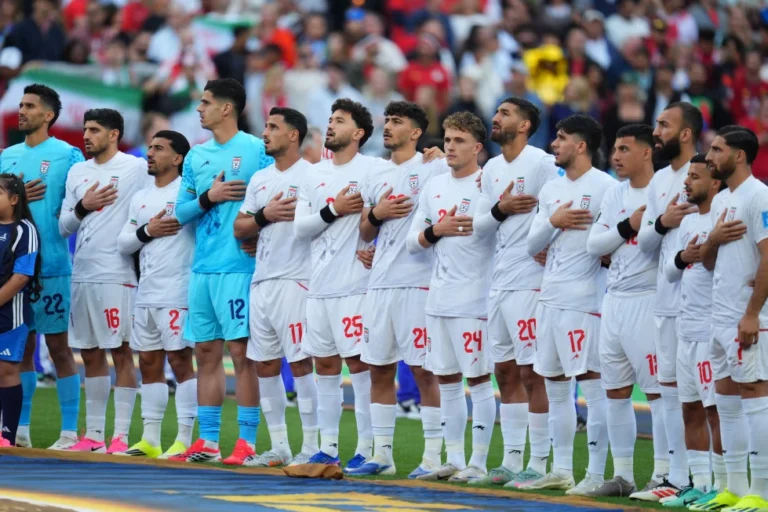
Iran, which was eliminated from the World Cup. Photo: AP
Before the match, Cape Verde’s coach Bubista had remarked, “Everyone has the right to dream, and nothing is impossible in football.” The players lived up to his words with an exceptional performance on the pitch.
The 40-year-old veteran goalkeeper Vozinha played a special role in Cape Verde’s historic run. His brilliant saves throughout the tournament made him a sensation among football fans worldwide. During the group stage alone, he gained over 16 million new followers on Instagram. He conceded only two goals across the three matches.
By keeping more than one clean sheet at a World Cup past the age of 40, he joined Peter Shilton and Dino Zoff as only the third goalkeeper in history to achieve this milestone.
A historic leap for African football
The 2026 World Cup has become a historic edition for African football. A new record was set as 9 out of 10 African nations secured their spots in the Round of 32 knockout stage. This marks the first time in World Cup history that so many African nations have successfully advanced past the group stage.
Prior to this, Africa’s best performance was recorded at the 2014 World Cup in Brazil, where only Algeria and Nigeria reached the knockout stage. Since then, Africa had not been able to field such a dominant presence in any edition.
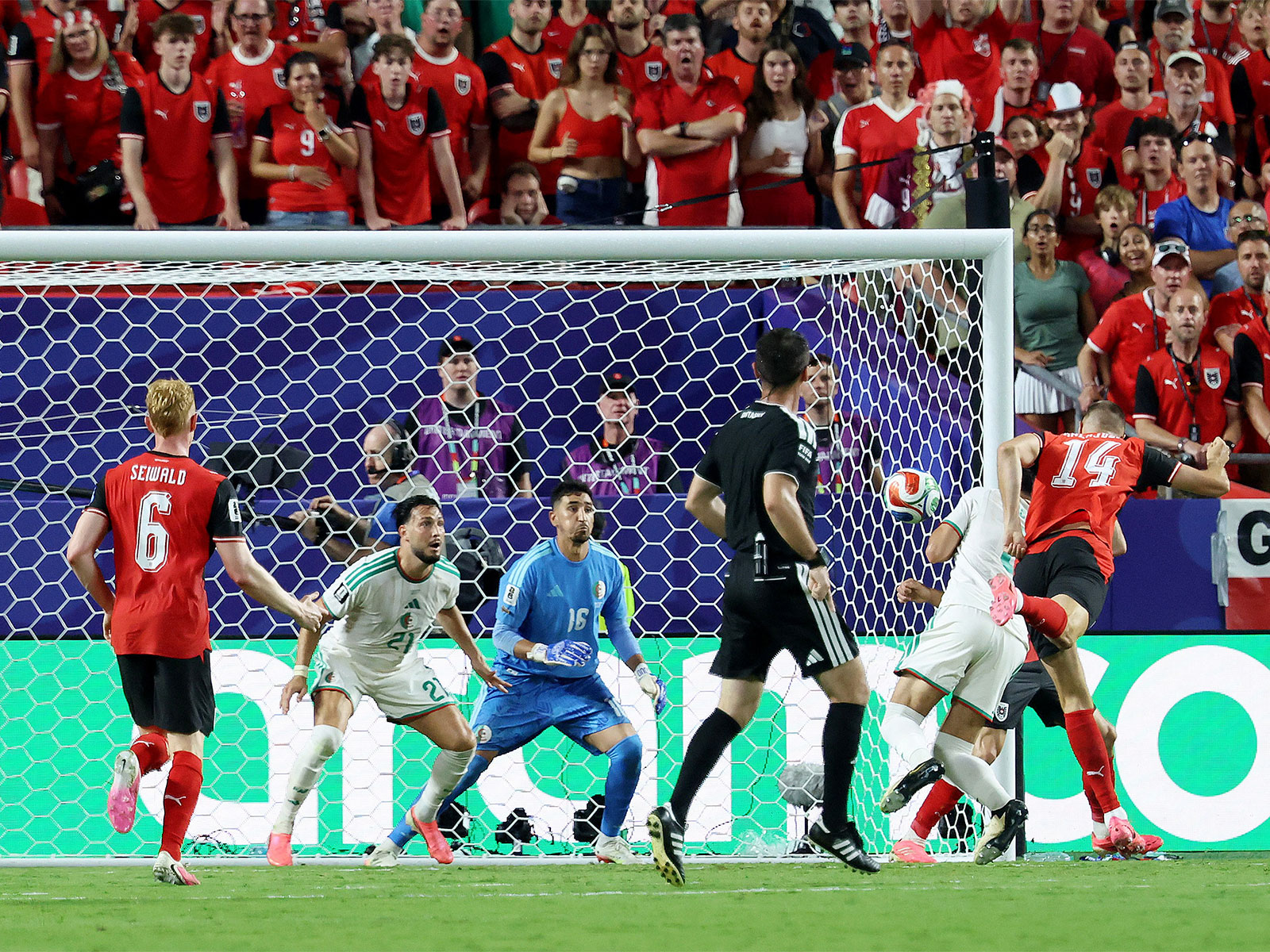
This time around, every single African team except Tunisia cleared the group stage. Following 17 days of intense group-stage competition, Morocco, South Africa, Senegal, Ivory Coast, Ghana, Egypt, Algeria, Congo, and Cape Verde secured their positions in the Round of 32. Algeria sealed its knockout spot following a dramatic 3–3 draw against Austria in their final group game. The match initially looked to be going Algeria’s way when captain Riyad Mahrez scored late in injury time to give them a 3–2 lead.
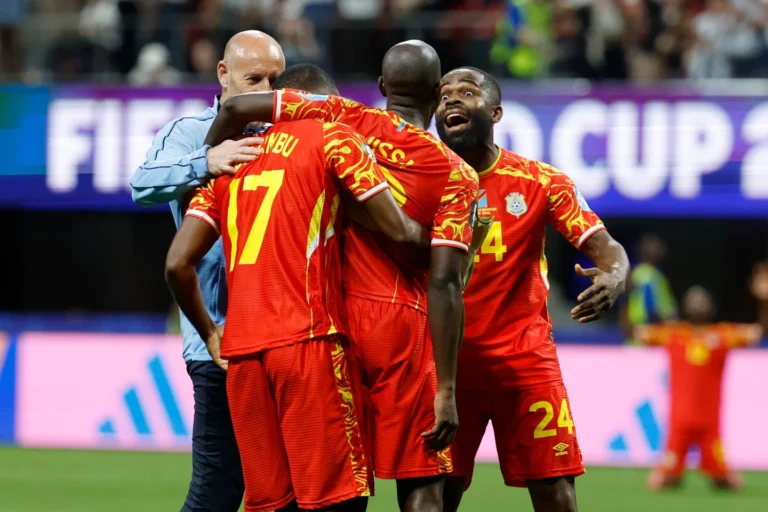
Congo players after securing a victory in their final match against Uzbekistan. Photo: AP
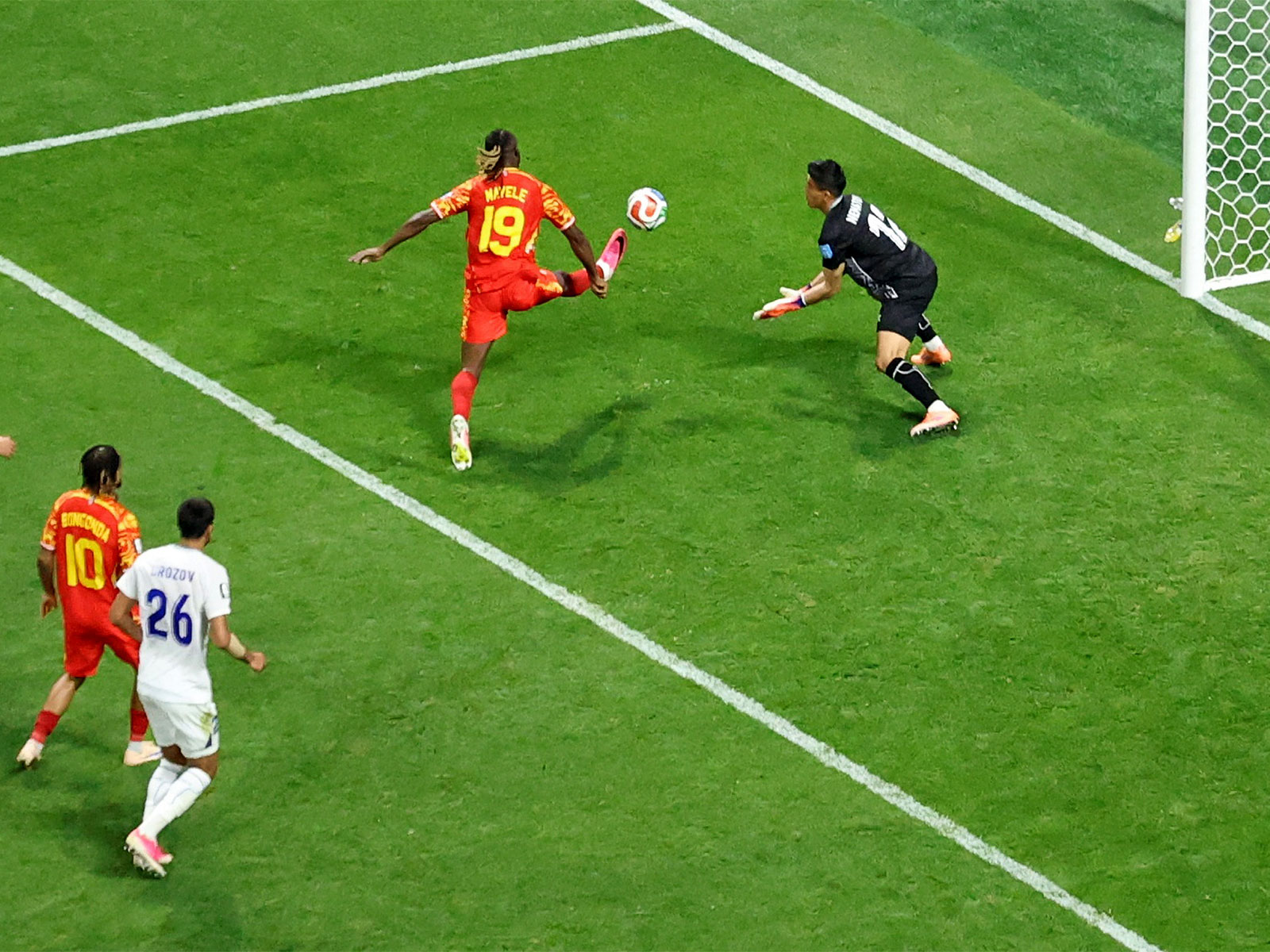
However, with virtually the last kick of the game, Austria netted an equalizer, allowing both teams to comfortably advance into the knockout stage together. Meanwhile, Congo defeated Asian debutants Uzbekistan 3–1 in their final match to reach the World Cup knockout stage for the first time in history.
In that match, Uzbekistan’s Eldor Shomurodov had given his side an early lead, but Congo mounted a superb second-half comeback. Yoane Wissa leveled the score via a penalty before Fiston Mayele put the team ahead. Wissa then scored his second goal in injury time to seal the victory. This marks Congo’s first-ever win in World Cup history.
Messi leads the goal-scoring charts
Argentina captain Lionel Messi added another historic milestone to his legendary career at the FIFA World Cup 2026. He has become the first player in World Cup history to score in seven consecutive matches.
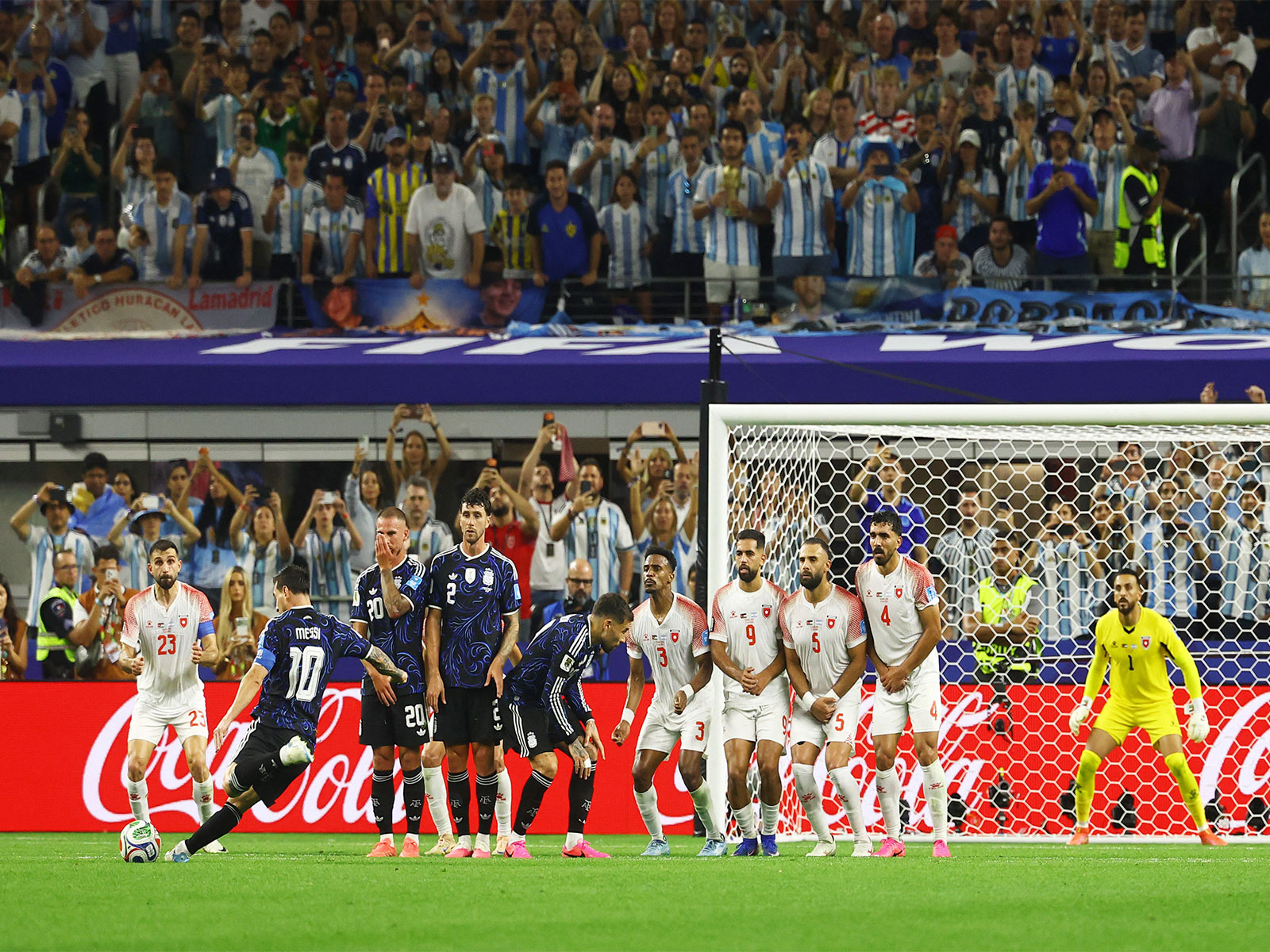
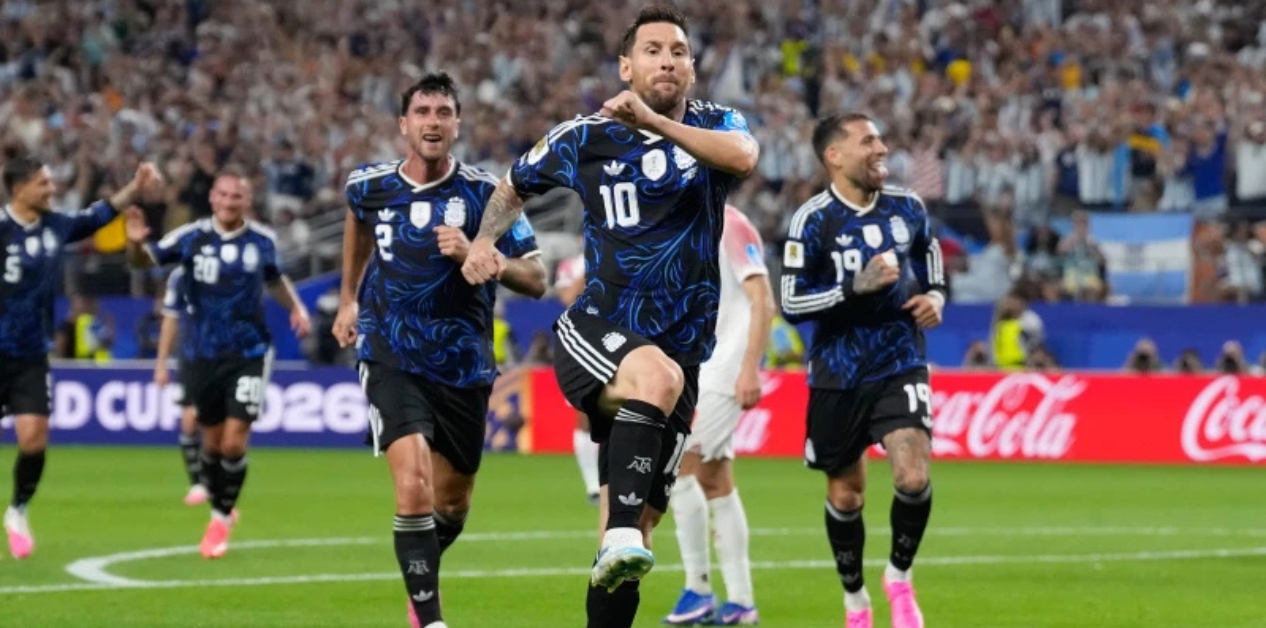
Entering the pitch in the second half of Sunday’s final group match against Jordan, Messi set the new record by scoring a magnificent free-kick in the 80th minute. Taking a free-kick just outside the penalty box, he curled the ball past a two-man wall and into the top left corner of the net.
For the 39-year-old Messi, this marks the 72nd free-kick goal of his career and his 12th in an Argentina jersey. This brings his total international goal tally to 123. He sits in second place on the all-time international top scorers list, while Portugal’s Cristiano Ronaldo leads the charts with 145 goals. Messi achieved this feat in his 202nd international appearance.
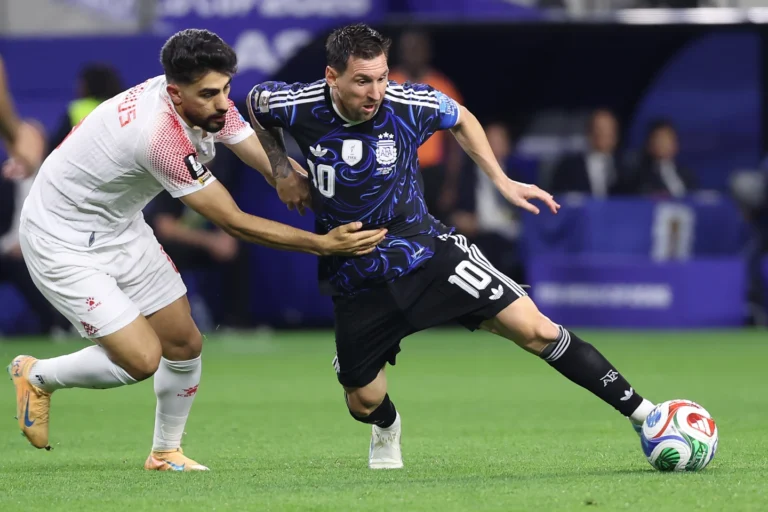
Argentine captain Lionel Messi vying for the ball against Jordan. Photo: AP
Previously, the record for scoring in six consecutive World Cup matches was held jointly by Messi alongside France’s Just Fontaine and Brazil’s legendary striker Jairzinho. This goal marks Messi’s sixth in the ongoing World Cup and the 19th of his overall World Cup career, putting him at the top of the tournament’s goal-scoring list. He is closely followed by Erling Haaland of Norway, Kylian Mbappé and Ousmane Dembélé of France, and Vinícius Júnior of Brazil, who have scored four goals each. Mbappé has now accumulated 16 goals across three World Cup editions.
Dembélé also became the second-fastest player to score a hat-trick in World Cup history, netting three goals within 32 minutes against Norway. The record for the fastest hat-trick in World Cup history still belongs to Austria’s Erich Probst, who scored a hat-trick in just 24 minutes against Czechoslovakia in 1954.
Alongside Dembélé, Argentina’s Messi and Canada’s Jonathan David also scored hat-tricks during this year’s group stage. Messi completed his hat-trick against Algeria, while David scored his against Qatar.
Ronaldo becomes first player to score in six world cups
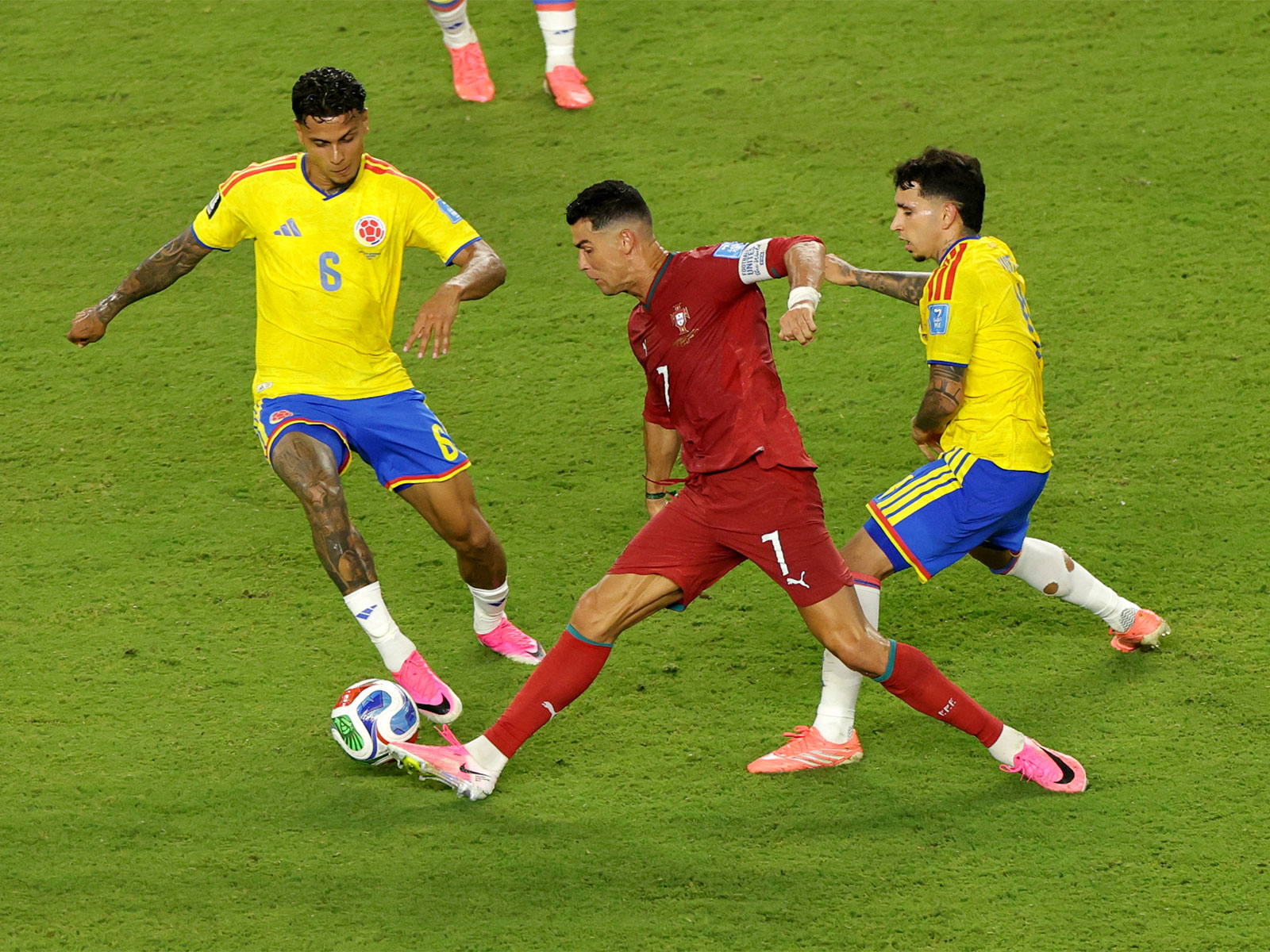
Portuguese superstar Cristiano Ronaldo achieved another rare and historic milestone in football history. He carved his name into the record books as the first player to score in six consecutive editions of the World Cup.
Argentina captain Messi sits second on this exclusive list, having scored in five different World Cup editions (failing to score only in the 2010 tournament).
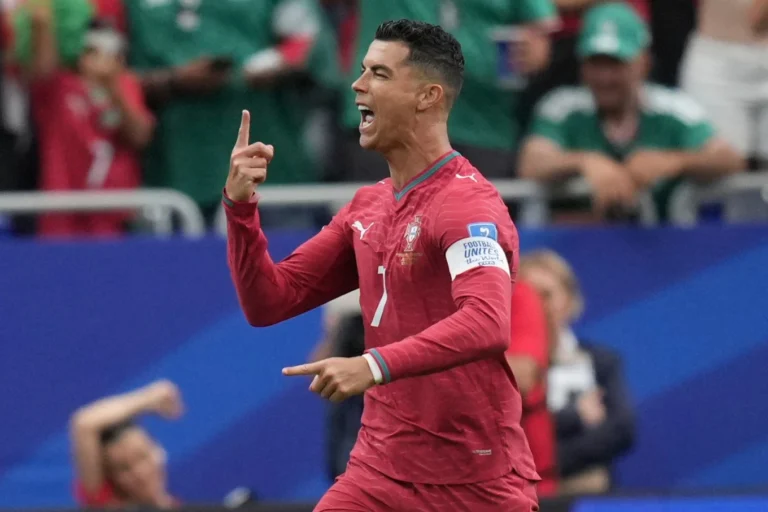
Portuguese captain Ronaldo. Photo: AP
By netting a goal against Uzbekistan, the 41-year-old Ronaldo also became the second-oldest goal scorer in World Cup history, sitting just behind Cameroon’s legendary Roger Milla.
With this, Ronaldo also equaled another rare record, joining Denmark’s Michael Laudrup and Argentina’s Messi as the only players to hold the unique distinction of being both the youngest and the oldest goal scorers for their respective national teams in World Cup history.