Kathmandu
Monday, June 29, 2026





Fresh regulatory leadership failed to lift sentiment as investors remained focused on policy uncertainty, weak liquidity and the pace of long-delayed structural reforms.
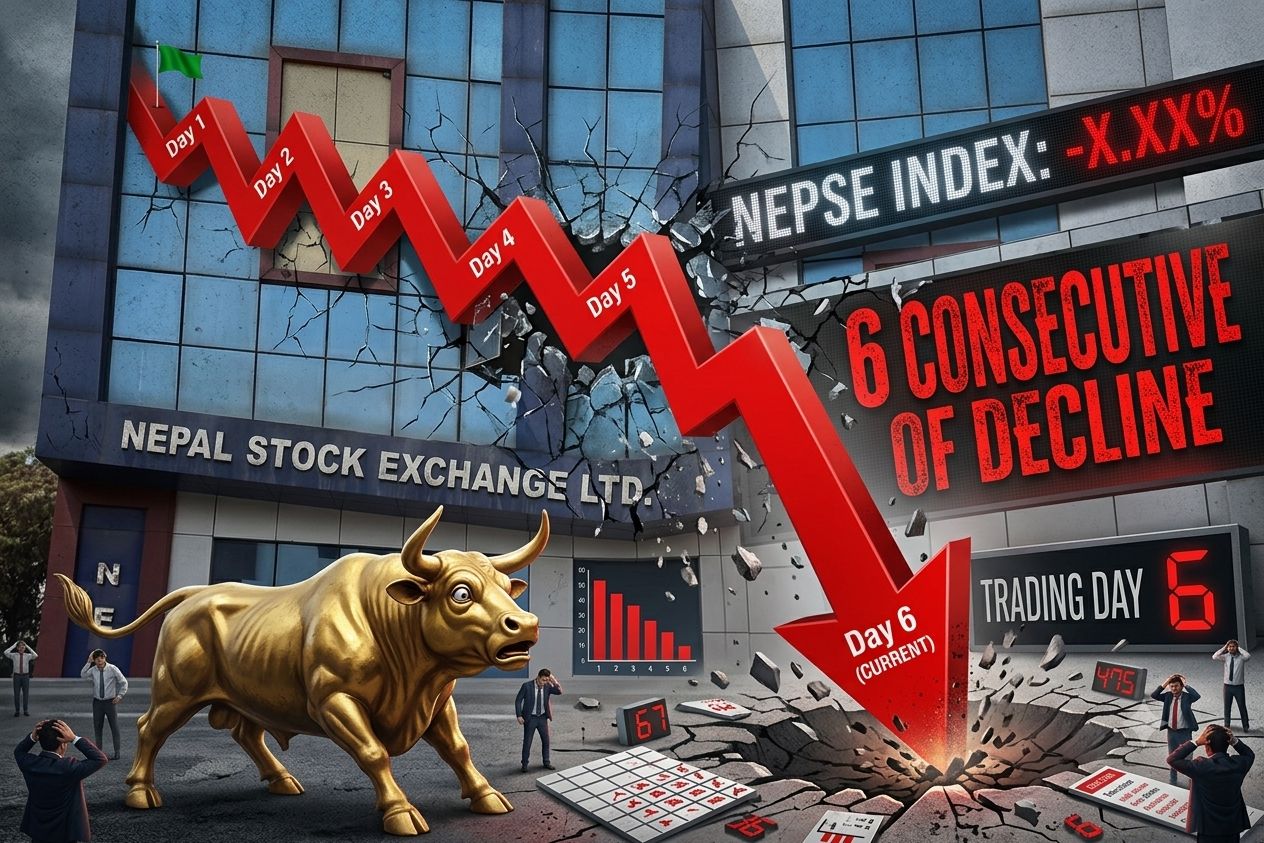
KATHMANDU: Nepal’s share market began the trading week on a distinctly bearish note, extending a prolonged downward trend that has increasingly undermined investor confidence. The benchmark Nepal Stock Exchange (NEPSE) Index fell by 16.54 points on Monday, closing at 2,632.96, marking another sharp decline after an already weak performance throughout the previous week. The broader market’s inability to recover despite a major regulatory appointment suggests that investors remain focused on structural policy uncertainty rather than symbolic leadership changes.
The market had briefly anticipated a confidence boost following the formal appointment of Dr. Gopal Prasad Bhatta as Chairman of the Securities Board of Nepal (SEBON). Shortly after taking his oath of office, Finance Minister Dr. Swarnim Wagle publicly instructed the new chairman to prioritize investor protection, strengthen market confidence, and operate independently from political or external influence. However, those assurances failed to improve market sentiment. Instead, investors effectively delivered what many market participants interpreted as a “vote of no confidence,” with selling pressure intensifying throughout the trading session.
The decline was broad-based rather than concentrated in a handful of stocks. Out of all listed companies traded on Monday, only 29 recorded gains, while 240 declined, with six remaining unchanged. Such market breadth illustrates widespread risk aversion rather than isolated profit-taking.
Trading activity also weakened significantly. A total of 7.7 million shares changed hands, generating turnover of approximately Rs. 2.67 billion, considerably lower than the Rs. 3.94 billion traded on the previous session. Falling turnover alongside declining prices is often interpreted as evidence of deteriorating investor participation and weakening market momentum.
The Sensitive Index, which tracks Class ‘A’ companies, also slipped 1.84 points to 455.83, indicating that blue-chip stocks were equally affected by the market-wide correction.
Every sector ends in the red
Monday’s selloff was remarkable for its uniformity. All 13 sectoral indices closed lower, highlighting the absence of defensive buying.
The Non-Life Insurance Index recorded the steepest decline, falling 1.39%, followed by Manufacturing & Processing (-1.14%), Hotels & Tourism (-1.14%), and Finance (-1.13%). Banking, often viewed as a stabilizing force within Nepal’s capital market, also ended lower, albeit modestly, declining 0.09%. Hydropower, Development Banks, Life Insurance, Investment, Microfinance, Mutual Funds, Trading, and Others all posted losses, reinforcing the picture of broad market weakness.
Such synchronized declines typically indicate macro-level concerns rather than company-specific fundamentals.
Liquidity remains concentrated in a few stocks
Despite the overall weakness, institutional and retail activity remained concentrated in a handful of heavily traded companies.
Global IME Bank emerged as the day’s most actively traded stock with turnover exceeding Rs 883 million, followed closely by Sopan Pharmaceuticals (Rs. 880 million), NRN Infrastructure (Rs. 870 million), Reliance Spinning Mills (Rs. 813 million), and Ankhu Khola Hydropower (Rs. 799 million).
This concentration of liquidity suggests that investors continue rotating within a limited universe of actively traded counters rather than deploying fresh capital across the broader market.
Selective winners fail to offset broader weakness
Only four companies hit the daily upper circuit, including Taksar Pikhuwa Khola Hydropower, Snow Rivers, Yambaling Hydropower, and Dhaulagiri Laghubitta, reflecting isolated speculative buying rather than broad-based optimism.
Among larger companies, Laxmi Sunrise Bank gained 2.64%, while Nepal Republic Media rose 2.49%. On the losing side, Swabhiman Laghubitta plunged 5.83%, followed by Sopan Pharmaceuticals (-4.50%) and Asian Hydropower (-4.40%).
Regulatory relief on proposed share transfer fee
In one development welcomed by investors, the government appears set to abandon a controversial proposal contained in the draft Companies Act 2026, which would have imposed an additional 1% share transfer fee on transactions exceeding Rs. 2.5 million.
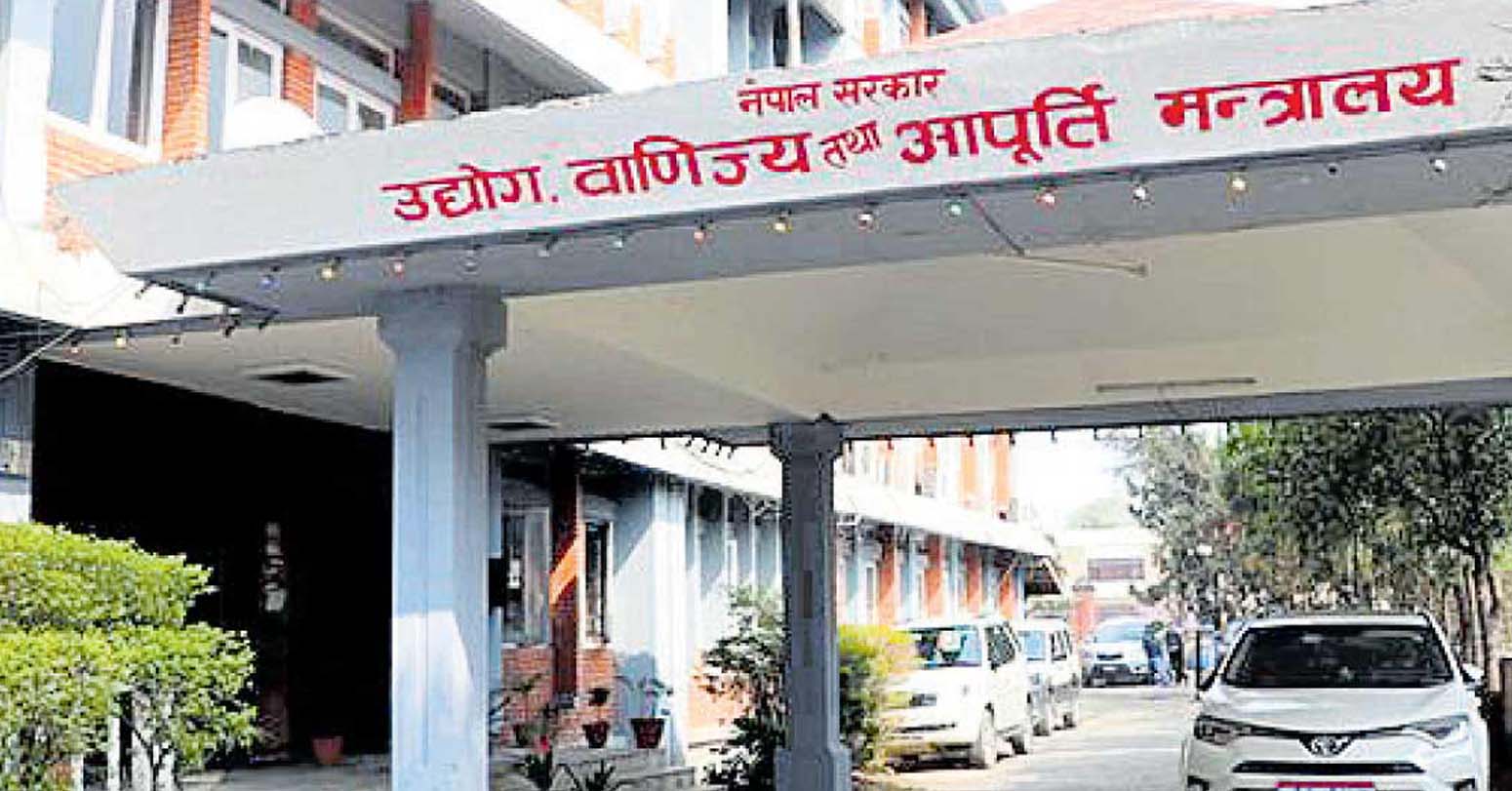
The proposal had drawn widespread criticism from investors, brokers, and capital market stakeholders, who argued that it would substantially increase transaction costs and discourage secondary market participation. The Ministry of Industry, Commerce and Supplies is now expected to remove the provision following strong public opposition.
Although the reversal removes one immediate policy concern, investors appear to believe that broader structural issues continue to outweigh this positive development.
New chairman’s first decision sends a different message
Expectations surrounding Dr. Bhatta’s appointment had centered on accelerating long-delayed IPO approvals, introducing new investment products, improving regulatory efficiency, and restoring confidence after a prolonged leadership vacuum at SEBON.
Instead, his first official decision focused on strengthening Anti-Money Laundering (AML) compliance and Targeted Financial Sanctions (TFS) across the securities market.
The directive mandates orientation and compliance programs for listed companies, merchant bankers, brokers, and other market participants.
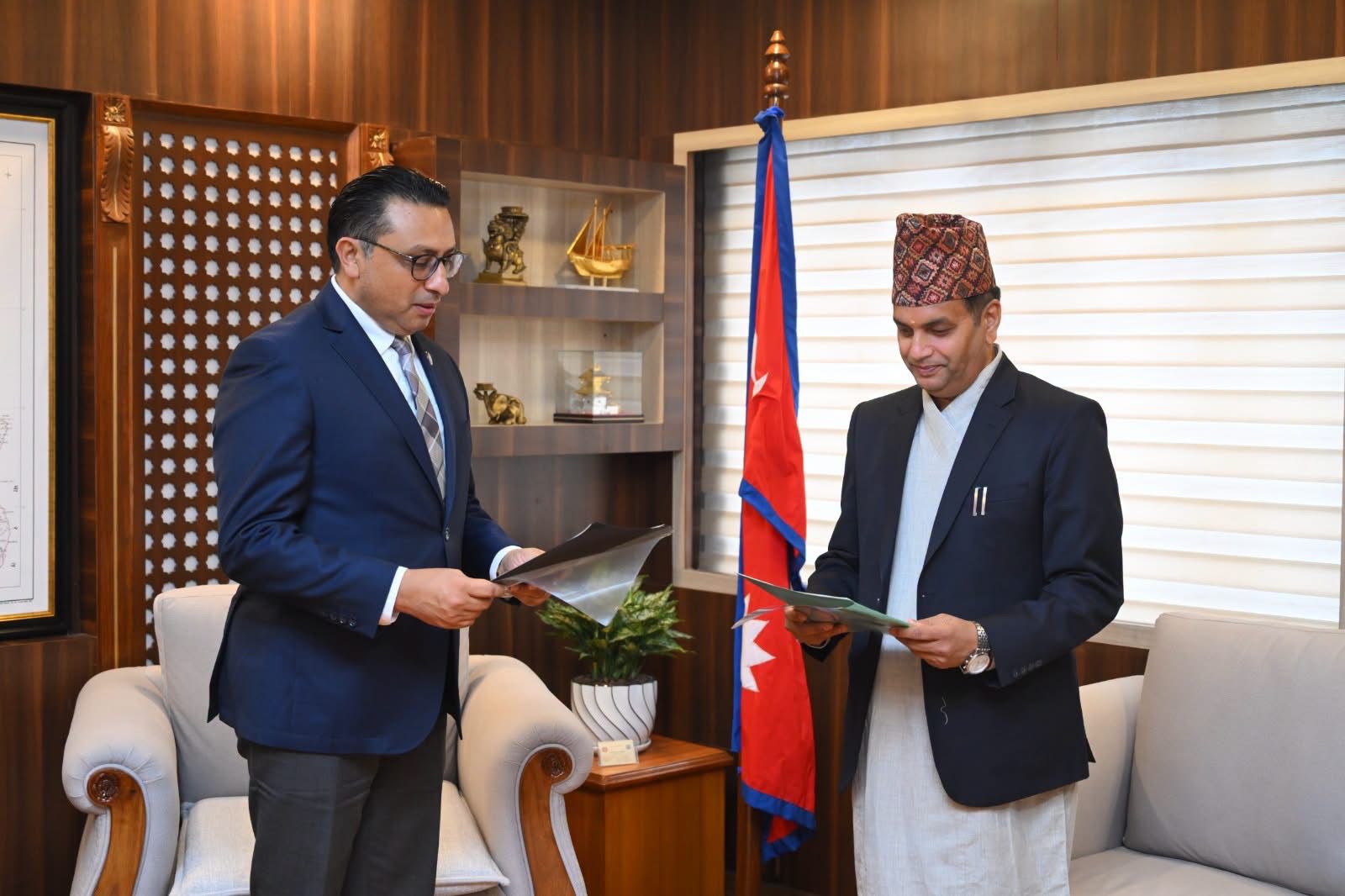
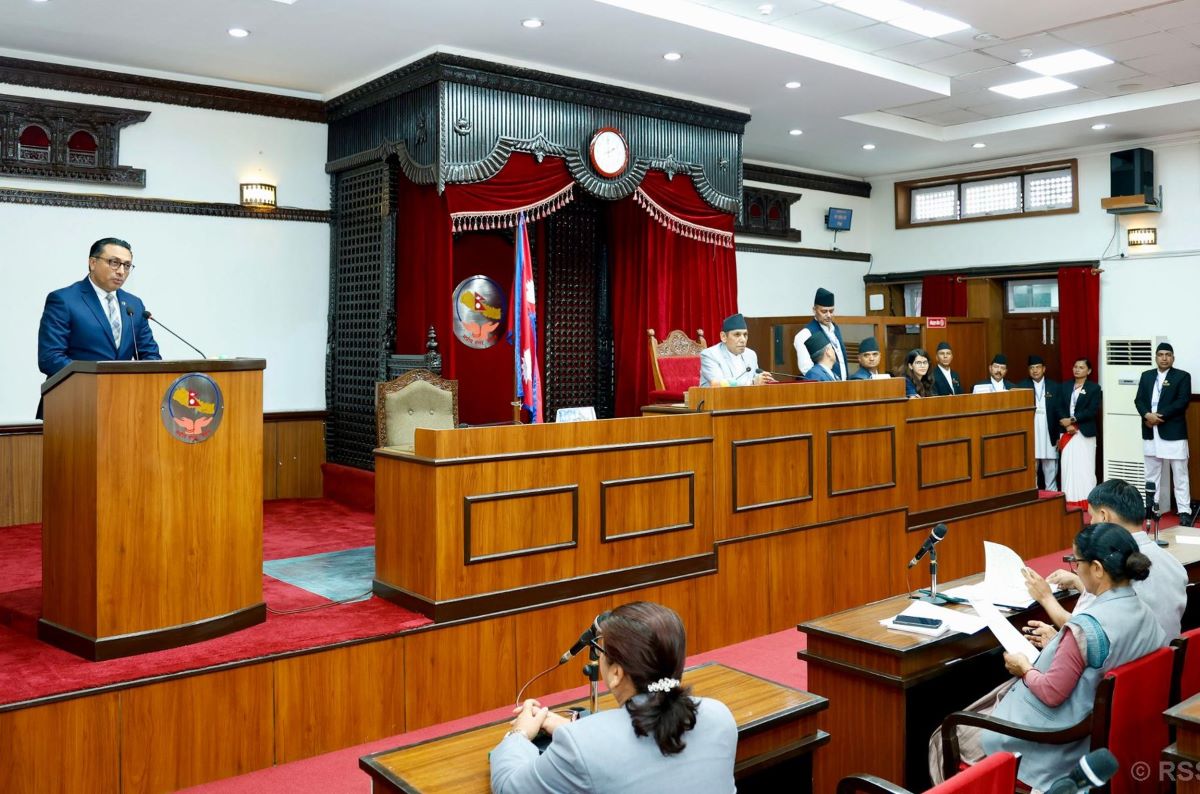
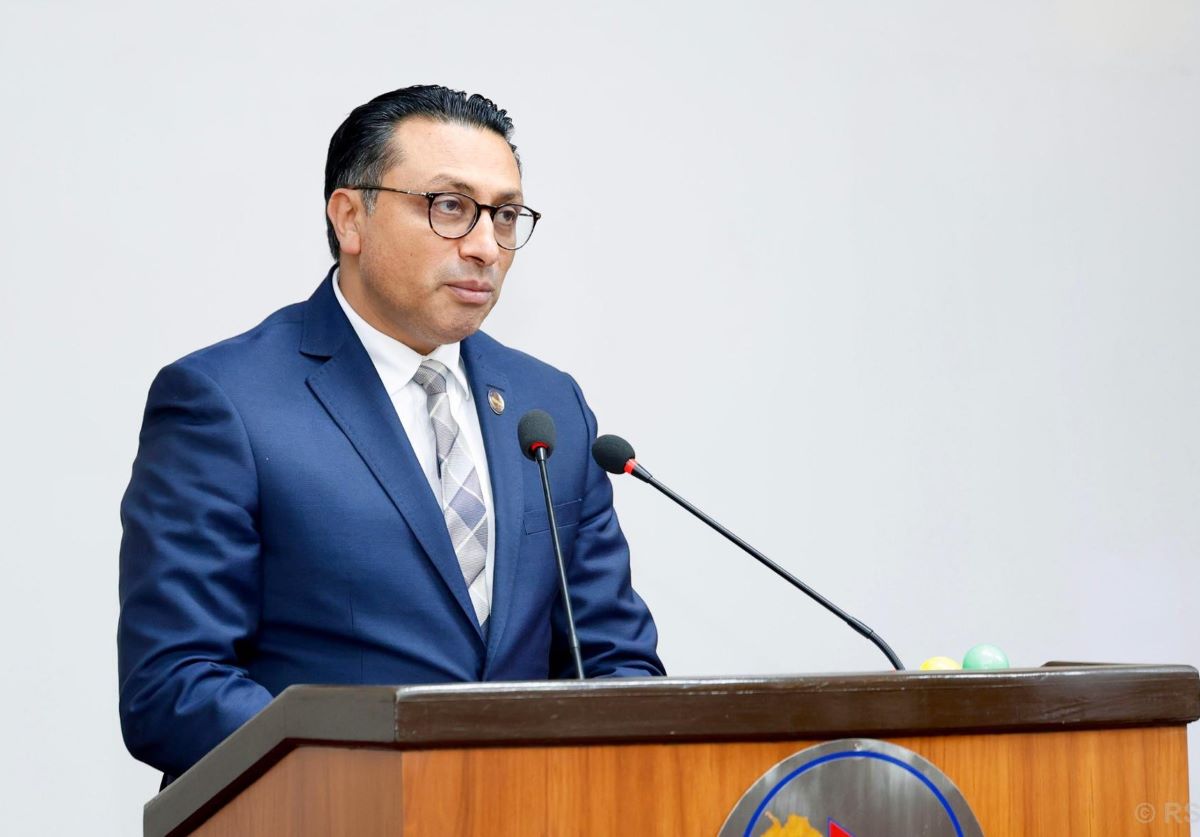
Finance Minister Swarnim Wagle administered the oath to newly appointed SEBON Chairman Gopal Prasad Bhatta
From a governance perspective, the decision is entirely consistent with Nepal’s domestic and international obligations to strengthen financial integrity and combat illicit financial flows. Dr. Bhatta’s background as a former Executive Director of Nepal Rastra Bank also suggests a regulatory philosophy emphasizing compliance, transparency, and institutional discipline.
However, market psychology often differs from regulatory logic. Investors who had anticipated immediate reforms aimed at improving liquidity instead interpreted the first decision as signalling tighter supervision, increased compliance requirements, and potentially more intrusive regulatory oversight. Given Nepal’s historical experience, where excessive regulatory tightening has occasionally dampened market sentiment, the announcement introduced fresh uncertainty at a time when confidence remains fragile.
Market confidence still hinges on policy delivery
The latest decline illustrates that Nepal’s capital market is not suffering from a leadership deficit alone. Rather, it continues to struggle with unresolved structural challenges, including delayed IPO approvals, policy uncertainty, limited liquidity, and inconsistent regulatory communication.
Finance Minister Wagle urged the new chairman to deliver measurable results instead of rhetoric, emphasizing investor protection, transparent regulation, and weekly performance reporting. While those objectives align with long-term market development, investors are likely to judge the new leadership by its actions rather than its promises.
Dr. Bhatta now faces a delicate balancing act. On one hand, SEBON must strengthen market integrity through stricter AML enforcement, enhanced supervision, and improved governance. On the other, it must simultaneously restore investor confidence by accelerating regulatory decisions, facilitating capital formation, approving pending IPOs, and introducing reforms that deepen market participation.
The sharp decline on his first day should not be interpreted as a verdict on his leadership. Instead, it reflects a market that remains deeply sceptical after years of regulatory uncertainty and policy inconsistency. Ultimately, confidence will return not through appointments alone, but through predictable regulation, timely decision-making, and a credible roadmap that balances financial integrity with sustainable market development.